How many of us wish we could go back in time and do things differently? Maybe I wouldn’t have spent so many hours on Destiny 2 and instead invested that time in fighting games (finally going from Bronze 5 to Silver 1). Perhaps I would have told EA, Rocksteady, and so many other companies, for all the good it would have done, not to have their single-player-focused studios work on live-service games. But alas, it’s not possible.
That is, unless you’re a game developer with a reasonably successful title that launched many years – or even just a few. You can then go back and remake it, as so many studios have done over the past decade or more. But it didn’t always used to be like this.
In the past, some games would premiere in arcades before hitting consoles, and when they did, some would have extensively retooled graphics. From Space Invaders in the late 1970s to Ultima 1: Age of Darkness, even Super Mario All-Stars can be considered a remake, since it updated the NES titles with new visuals. As technology improved across all platforms, you would have titles like Resident Evil HD in 2002 with far higher budgets.
Despite its success – to say nothing of everything that came before and after – the trend only really became so dominant after the success of 2019’s Resident Evil 2. And for good reason – it’s generally considered one of the very best ever made, and has sold millions of copies. Its changes were well-received by fans at large, and in a way, you could argue that it drew in a whole new generation to the Resident Evil franchise. This was perfect for the developer , which was in the midst of a renaissance of sorts thanks to Resident Evil 7: biohazard.
The trend has ballooned well past simply revisiting what worked and reinventing it for a new generation. Remakes are big business – 2025 alone saw the launch of Metal Gear Solid Delta: Snake Eater, Dragon Quest 1 and 2 HD-2D Remake, Trails in the Sky 1st Chapter, Yooka-Replaylee, and so on. That’s not even getting into games that had Definitive Editions or remasters like Suikoden I and II HD Remaster, Tomb Raider 4-6 Remastered, and so on, or titles like Silent Hill 2 remake, which was finally released on Xbox Series X/S.
However, it highlights a more noticeable quirk about the industry thus far, one that was also observable in a different way: Sequels. Think back to some of the most well-received and/or financially successful games of last year. Ghost of Yōtei, Death Stranding 2: On the Beach, Hades 2, Hollow Knight: Silksong, Monster Hunter Wilds, Kingdom Come: Deliverance 2, Battlefield 6, Mario Kart World, Silent Hill f – it’s a pretty extensive range of sequels, but they’re also some of the most hyped games of this generation.
Heck, even on a smaller scale, there are the likes of Ender Magnolia, Wizard of Legend 2, Citizen Sleeper 2, etc. Ninja Gaiden: Ragebound and Shinobi: Art of Vengeance may be considered soft reboots in a way, though they’re heavily based on their predecessors (and fit within the established canon). But either way, they’re part of established IPs. And let’s not forget that the most anticipated title of the year is Grand Theft Auto 6 – yet another entry in an established IP. Don’t even get me started on sequels like Code Vein 2, Nioh 3, Mario Tennis Fever, Resident Evil Requiem, and so on.
This isn’t to say we haven’t seen new ideas and stories. Clair Obscur is the most obvious choice, but you also have Blue Prince, Avowed, ARC Raiders, StarVaders, and Dispatch, among so many others. But the number of risks taken by the big players, the triple-A publishers, is relatively lower. Microsoft may have offered up South of Midnight and Keeper, but it gave far more attention – and marketing budgets – to games like The Outer Worlds 2. Halo: Campaign Evolved is out this year, and it got far more media attention.
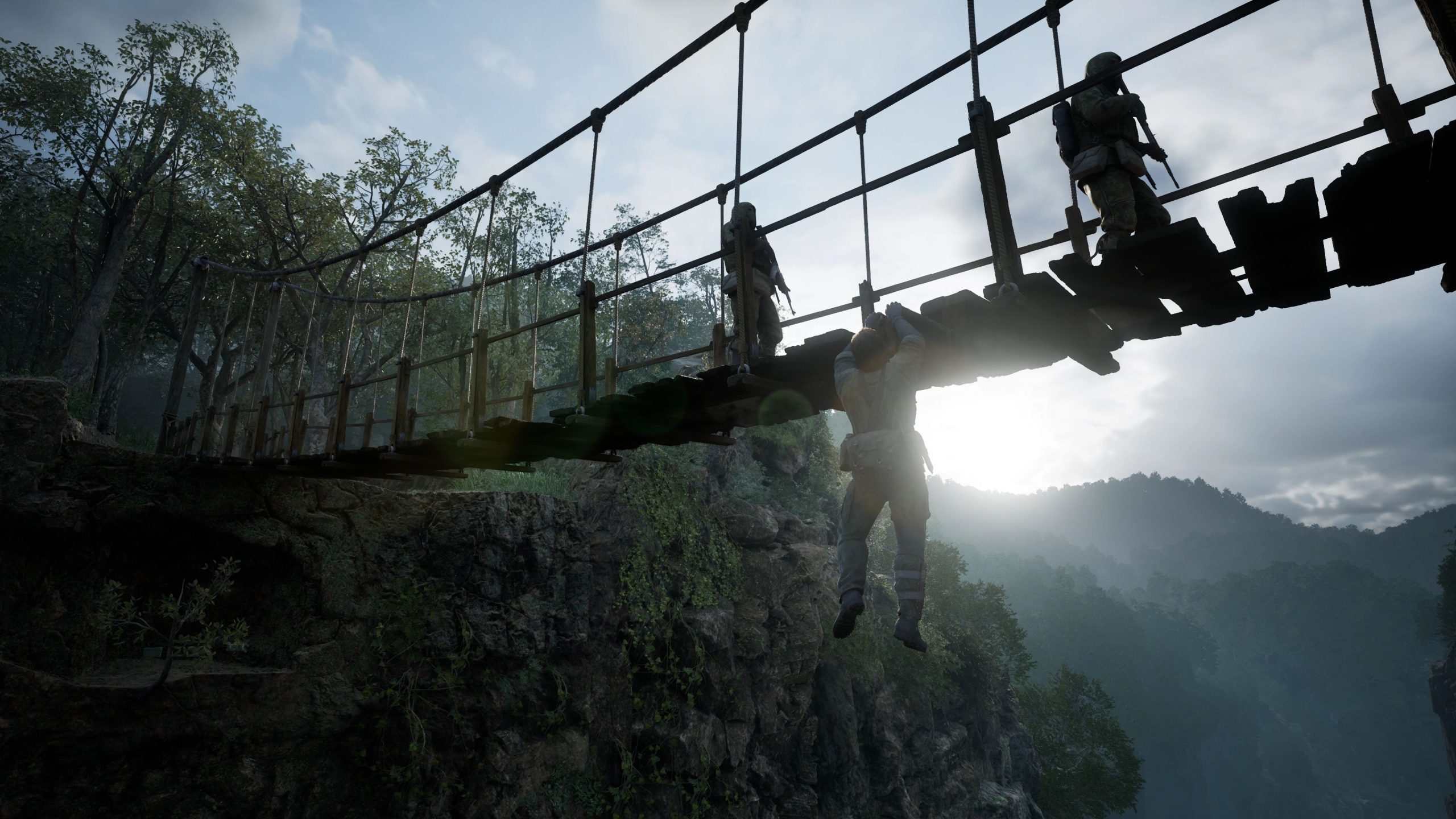
Sony is an even wilder case with a treasure trove of beloved IPs that it’s yet to revisit. So while they would technically be sequels, a new Sly Cooper, Resistance or Jak and Daxter might as well be exempt from the rule. And there’s no guarantee that they’ll put in the numbers that The Last of Us Part 3, Uncharted 5, and other theoretical sequels would.
Now, I’m not saying that all sequels and remakes or even reboots are bad, or that they can’t push innovation. Donkey Kong Bananza may technically be part of an established IP, but its combination of destruction and platforming is something we haven’t seen before, even with Mario. Hades 2 follows the same formula as its predecessor, but makes sweeping changes and additions to its combat system to feel significantly – but not too heavily – different. The same could apply to Ghost of Yōtei and Death Stranding 2, and they’re absolutely pushing their respective gameplay formula – and genres as a whole – forward.
However, seeing brand new ideas on such a massive scale is becoming less common. Perhaps the most notable is Naughty Dog’s Intergalactic, and based on rumors, it’s looking at games like Elden Ring – a new IP but one that draws on FromSoftware’s extensive history with Dark Souls and Bloodborne – for its world design. At times, you have to wonder if the balance has tipped too far to the other side, to the extent that new IPs struggle for visibility. For every Clair Obscur, Dispatch and ARC Raiders that becomes massively successful, there are acclaimed titles like The Drifter, which sold 13,617 units in its first week.
But it’s clear to see why so many studios are focusing on remakes and sequels, besides the fact that they’re part of familiar brands, which means guaranteed audiences and less risk. Development costs only continue to rise, and publishers, the ones with the money, don’t just want the best return on their investments – they want games that drive growth.
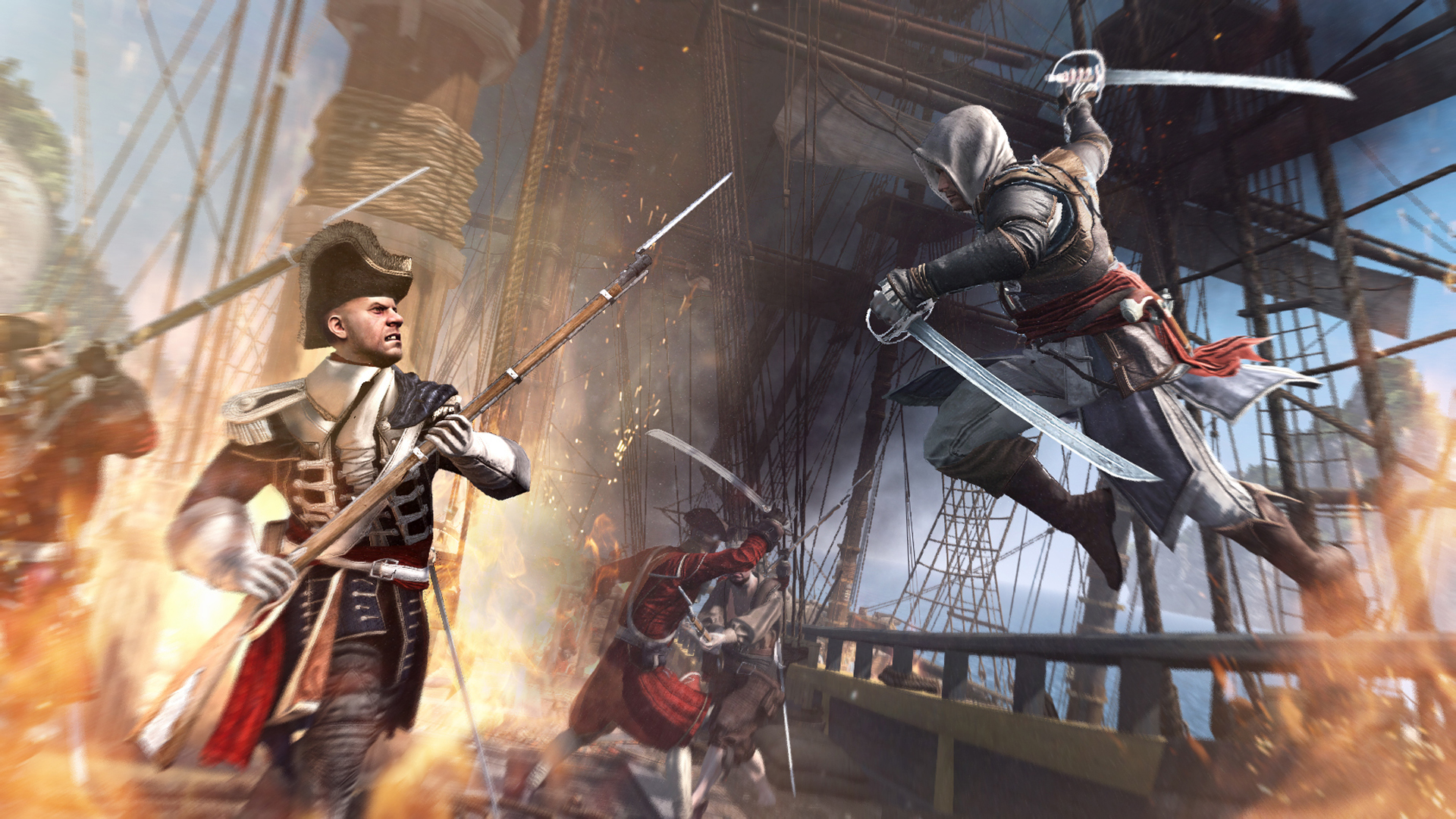
There’s a reason franchises like Dead Space, Titanfall and Dragon Age are on ice – the return on their investments didn’t fulfil any of the conditions that Electronic Arts sought. Despite several Assassin’s Creed titles in development, there’s a reason why the developer has games like Assassin’s Creed Black Flag Resynced, Splinter Cell Remake and Prince of Persia: The Sands of Time Remake in the works. They’re safe bets, and if they blow up as Resident Evil 2 remake did, then they might drive renewed interest in dormant IPs, thus spurring even more remakes (and potential sequels).
Of course, the biggest reason we’ll continue to see sequels, remakes, reboots, remasters, and whatnot is because of those who buy them: Gamers. Time is limited, and the sheer number of choices in the triple-A, indie and free-to-play spaces is immense. Why not spend it on something familiar that’s also fun? It’s not the most unreasonable expectation, but the knock-on effect could result in huge shifts down the line. Would games like Keeper receive any attention if Double Fine weren’t part of Microsoft, or if it weren’t on Game Pass? Would developers even still be around if they weren’t acquired in the first place? What happens when their titles fail to perform well?
Whatever the case may be, the fixation isn’t going to end anytime soon, especially if it pays dividends. The only thing we can hope for is that innovation eventually breaks through, regardless of audience, brand name and studio size, as we’ve seen so many times this year.
Note: The views expressed in this article are those of the author and do not necessarily represent the views of, and should not be attributed to, GamingBolt as an organization.