Despite the many notable successes this year, especially among smaller developers, the industry continues to spiral in terms of layoffs and project cancellations. High-profile and decorated studios like Monolith Productions have met their end alongside Wonder Woman, which faced multiple development troubles.
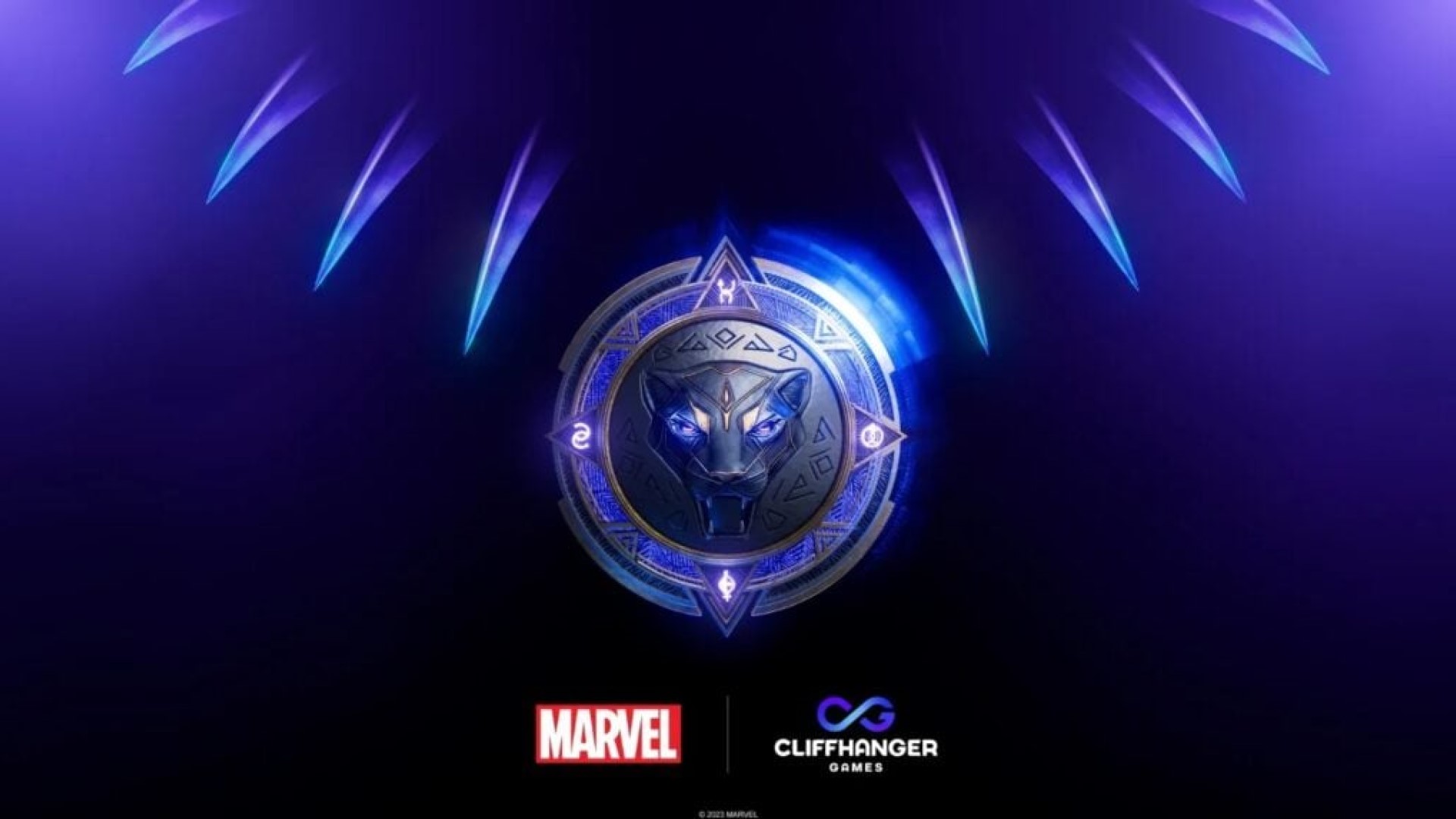
Still, there was some hope that Kevin Stephens, former studio head at Monolith, would thrive with other employees and gaming industry veterans at Cliffhanger Games, working on Black Panther. After all, it’s under Electronic Arts, and this is a Marvel property, albeit single-player focused (a bane for many gaming industry executives). Surely, it would be fine.
Unfortunately, that doesn’t seem to be the case. IGN recently reported that Black Panther has been cancelled and Cliffhanger shut down. An alleged email sent to staff by EA Entertainment president Laura Miele said that such decisions are “hard” and “affect people we’ve worked with, learned from, and shared real moments with.” She also said that the publisher will look to find new opportunities for the developers across the company, potentially in new roles.
But that’s sadly not all. EA is also reportedly laying off developers in its mobile and central teams. This marks the third series of layoffs by the publisher this year alone. It all began with the termination of an unknown number of developers from the Dragon Age team in January. Then Respawn Entertainment announced the cancellation of two “early-stage” incubation projects, including an alleged Titanfall extraction shooter.
Bloomberg’s Jason Schreier also reported 300 to 400 layoffs, with about 100 let go from Respawn. How many received new opportunities within EA? Your guess is as good as ours.
And while EA didn’t confirm the number this time either, Miele’s email attempted to explain why layoffs and cancellations are happening. It’s to apparently “sharpen” the publisher’s focus and “put our creative energy behind the most significant growth opportunities.”
This means that franchises like The Sims, Battlefield, Apex Legends and Skate will be the focus going forward. Since Miele isn’t involved with EA Sports, we don’t know how this affects the development of franchises like Madden, College Football, and, of course, EA Sports FC. However, the intention is seemingly clear – consolidate your base with the games that are providing or have the potential to provide the most consistent revenue. Read: Live service and microtransactions.
And for better or worse, that’s not out of the ordinary for Electronic Arts. It delivered a remake of Dead Space, which was incredible but didn’t get the sales it wanted. It launched Dragon Age: The Veilguard after years of development troubles, pivots, live-service machinations, layoffs, etc., and surprise, surprise, it also fell short of expectations. CEO Andrew Wilson would remark afterwards that its role-playing games needed “shared world features and deeper engagement” to “break out beyond the core audience.” Take that for what you will.
But then, you might ask, what about the other single-player titles in the works under EA? Miele apparently assured staff that Motive’s Iron Man, Respawn’s next Star Wars: Jedi title, and BioWare’s next Mass Effect are continuing development. Despite their supposed lack of microtransactions, Star Wars: Jedi and Mass Effect have proven financial track records.
Iron Man is the only real mystery, but perhaps the goal is to tie it into an upcoming Avengers movie or something. Which is odd because the first two Black Panther movies were financially successful, and the character is still relevant in the MCU. The real odd one out is Star Wars Zero Company – a single-player turn-based tactics title that’s very much in the vein of XCOM.
EA did make a deal with Marvel to create three games based on its properties. However, it isn’t confirmed which three games fall under it. Was Black Panther viewed as inconsequential because it doesn’t? We don’t know at this point and probably never will. However, EA provided a statement from Miele to IGN, noting, “Our partnership with Marvel remains strong, and our multi-title, long-term collaboration continues.”
The real question that one has to ask is: Why now, with all the layoffs and project cancellations? You could argue that the company weathered the storm at a time when Sony, Microsoft, and other publishers (sans Nintendo) shuttered numerous studios. Even when Dead Space remake didn’t meet their expectations enough to cancel a rumored sequel (which apparently wasn’t a straight remake of Dead Space 2. The less you know, the better), Motive continued with Iron Man.
The answer may be as straightforward as it is silly: EA Sports FC 25.
Last January, EA revealed a significant revision to its full fiscal year bookings, from $7.5 to $7.8 billion to $7 to $7.15 billion. Granted, Dragon Age: The Veilguard contributed to this due to missing player projections by 50 percent. However, the publisher admitted that it was mostly due to the underwhelming performance of EA Sports FC 25. Company shares fell by 15 percent, wiping out $6 billion in market value.
Anyone who played FC 25 will know that its launch condition wasn’t the best. Even after major updates, it’s still at an overall “Mixed” rating on Steam, with only 49 percent of its nearly 68,000 reviews giving it the thumbs-up. As analyst firm MoffettNathanson said at the time, Ultimate Team is a “near Swiss clock of interactive media bookings growth” for EA and if it’s not raking in microtransaction revenue, there’s trouble. The publisher even outright confirmed a decrease in live service bookings by a “mid-single-digit percentage” when it previously projected an increase.
Keep in mind that it also launched one of 2024’s best-selling titles in the US with College Football 25. EA Sports FC 25’s performance was so below the company’s expectations that it couldn’t help offset the drop. Shortly thereafter, BioWare underwent a restructuring to focus entirely on the next Mass Effect, and members of the Dragon Age had their positions terminated. And so on with the other cancellations.
Electronic Arts hasn’t confirmed if this is all the case and whether its underwhelming financial performance spurred all these changes. However, from a player’s perspective, cancelling a title from the minds behind Middle-earth: Shadow of Mordor and Shadow of War, whose “Open Story” system sounds like an excellent substitute for the Nemesis system, is just heart-breaking.
Maybe it wasn’t justifying the development costs. Maybe problems arose that weren’t worth spending time and money to resolve. Maybe it follows Wilson’s statement about shifting away from developing “future licensed IP that we do not believe will be successful in our changing industry.” Again, we don’t know, but considering this is the same publisher that reportedly cancelled a Mandalorian title from Respawn, fathoming its decision-making process beyond “How do we meet our yearly forecasts?” and “How do we keep shareholders happy?” is a riddle unto itself.
Regardless, with Monolith Productions also gone, it’s another gut punch for fans who hoped that maybe Black Panther could be the open-world superhero game that Wonder Woman couldn’t. Just the thought that Monolith’s talent still had a place where they were doing supposedly great things was enough.
The wheel will keep turning for Electronic Arts as it focuses on its next slate of yearly sports offerings and titles that will generate recurring revenue. However, everyone working under the company – be it on live service, sports, or single-player-focused titles – has an uphill battle to fight. Because if the games industry has proven anything this year and the last, it’s that finding a studio to call home is almost impossible.
Note: The views expressed in this article are those of the author and do not necessarily represent the views of, and should not be attributed to, GamingBolt as an organization.