Remember the good ol’ days when $60 for a video game really meant something? That price, depending on the publisher, carried a certain promise – and an expectation of quality, even more so depending on the franchise. After Drake’s Fortune, every single Uncharted afterwards didn’t just have to offer that same level of polish. They needed to provide a memorable story with strong characterization, explosive set pieces, pitched gun battles, exotic locations, and so on, and not just like any other game. It needed that signature level of execution that only Naughty Dog could provide, right down to the exact visionaries.
Did you really think about the playtime? Or if you’d actually be entertained during those hours? That it was a linear experience is only one factor, because even if there were an optional side area or two, or additional difficulties to encourage replay value, the main story path would still need to deliver. Why else would you drop $60 on it?
Of course, over time, that promise has become muddied. It’s the age of $70 games, with the occasional threat of an $80 release. Where developers aren’t just pushing for massive game worlds, they’re promising entire systems to explore (well, at least one of them did, to a mixed response). Gaming as a hobby has become much more expensive in general. As a result, players look for the most bang for their buck or join the overwhelming majority that only really play a handful of titles all year – Madden, Call of Duty, EA Sports FC – not to mention free-to-play titles like Fortnite.
But for every new title with checklists of stuff to do – free or otherwise; for every game that pushes Battle Passes, challenges, and whatnot, there will still be titles that favor succinct quality over excessive padding. We’ve seen it in the likes of Astro Bot, Returnal, Saros, and so on, and we’re seeing it again in 007 First Light.
You can see it from the opening minutes to the training missions in Malta to Bond’s first real mission in Slovakia. The story moves at a brisk pace when it needs to but also takes its time when required. You’ll have plenty of moments that establish the characters and setting, making you actually care about them. It could be Greenway administering a lie detector test to Bond and drawing his ire, or trying to earn money to enter Bawma’s private auction for a chance to meet him. Every single scene is deliberate but never outstays its welcome.
The sheer restraint in the storytelling is as incredible as those high-note moments, be it while chasing enemies through the countryside or during an intense shootout. There is that promised forward momentum in every aspect of the gameplay, but the development team knows how to temper it with variety.
The result? This feeling of pushing ahead to see what’s next, be it a gorgeous new environment or some new plot development. Maybe you’ll unlock a new gadget that fundamentally changes how you play. Perhaps a seemingly innocuous story sequence will lead to you chasing assassins to a gala, transitioning from running and gunning across rooftops to tense stealth, and back again. It’s a design approach that I can only really describe as “watercooler moments,” where something incredible is always around the corner, keeping you hooked.
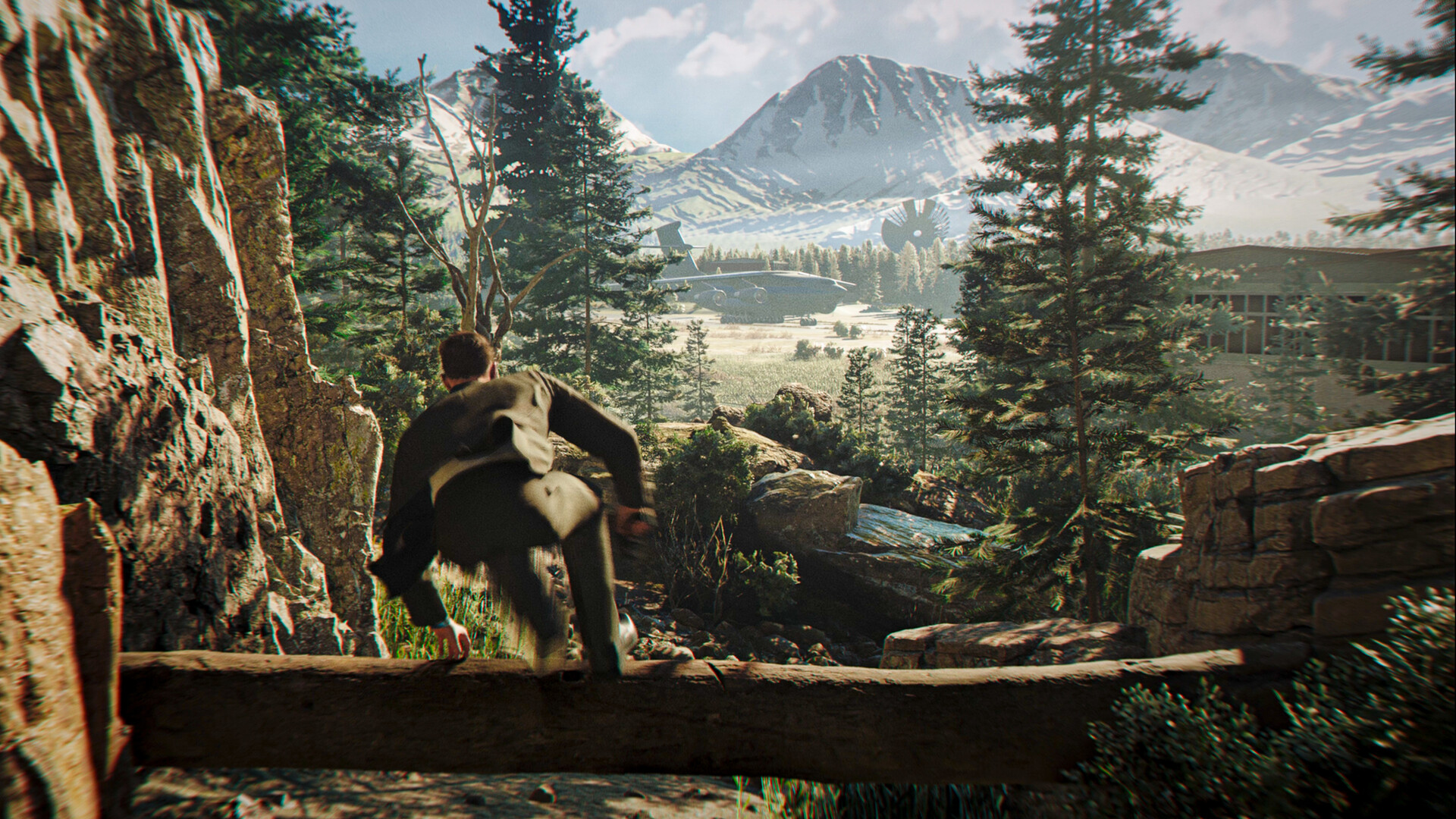
And yet, even as First Light crams all these moments in while offering the occasional level with multiple approaches, and numerous unique locations, the story can be completed in about 15 to 16 hours. Partaking in the extra side content bumps that up to about 19 hours. That’s not including repeat playthroughs on a higher difficulty, of course. Which wouldn’t be surprising to anyone who’s played IOI’s Hitman World of Assassination. For all the replay value on offer, especially with Freelancer mode, the main story of each title isn’t very long.
However, at $70 for First Light, it’s easy to balk at that playtime in this day and age. But once again, just like an Uncharted or The Last of Us back in the day, you’re paying for a certain level of quality. The real question before launch is whether IOI could actually execute on that and deliver everything that it promises. Judging by the reviews from critics and the response from almost three million players, we’d say they were successful.
Not that a James Bond title couldn’t have worked as an open-world game, but this particular 007 experience could only be delivered like this, even if it didn’t necessarily cost $200 million to develop as widely reported.
None of this is to knock open-world games or titles that you can sink dozens, maybe hundreds of hours into (though I can think of more than a few live-service titles that deserve the criticism). There’s also nothing wrong with adding features that encourage replaying, even if that’s not your main reason. For example, Titanfall 2’s multiplayer would have been the biggest appeal for returning fans, but it remains one of the best single-player first-person shooter campaigns of all-time. In the same vein, anyone who picked it up just for the story would have gotten their money’s worth.
But there’s a difference between extra features or side activities and padding that doesn’t serve the game in any shape or form. Insomniac Games understood that with the Marvel’s Spider-Man games – that’s why their stories take about 17 hours to complete. Could it have justified extending the sequel’s playtime, especially with all the things fans wanted to see but never got (Symbiote-infused Sandman, we barely knew ye)? Of course, and it might have done so if not for the already massive budget.
Would it have gone that route if it affected the pacing and overall plot? Probably not. Granted, not every single sequence is a winner, but none overstay their welcome. Keep in mind that these are still open-world games at heart – it’s just that the approach to storytelling is very much in line with a linear single-player experience.
Value is subjective, and one person’s $20 microtransaction is another’s Hollow Knight: Silksong (as depressing as that may sound). But if this year has served as a reminder of anything, it’s that triple-A games can have incredible linear single-player campaigns and still be successful. Resident Evil Requiem and Pragmata proved this, and Onimusha: Way of the Sword could complete that hat trick.
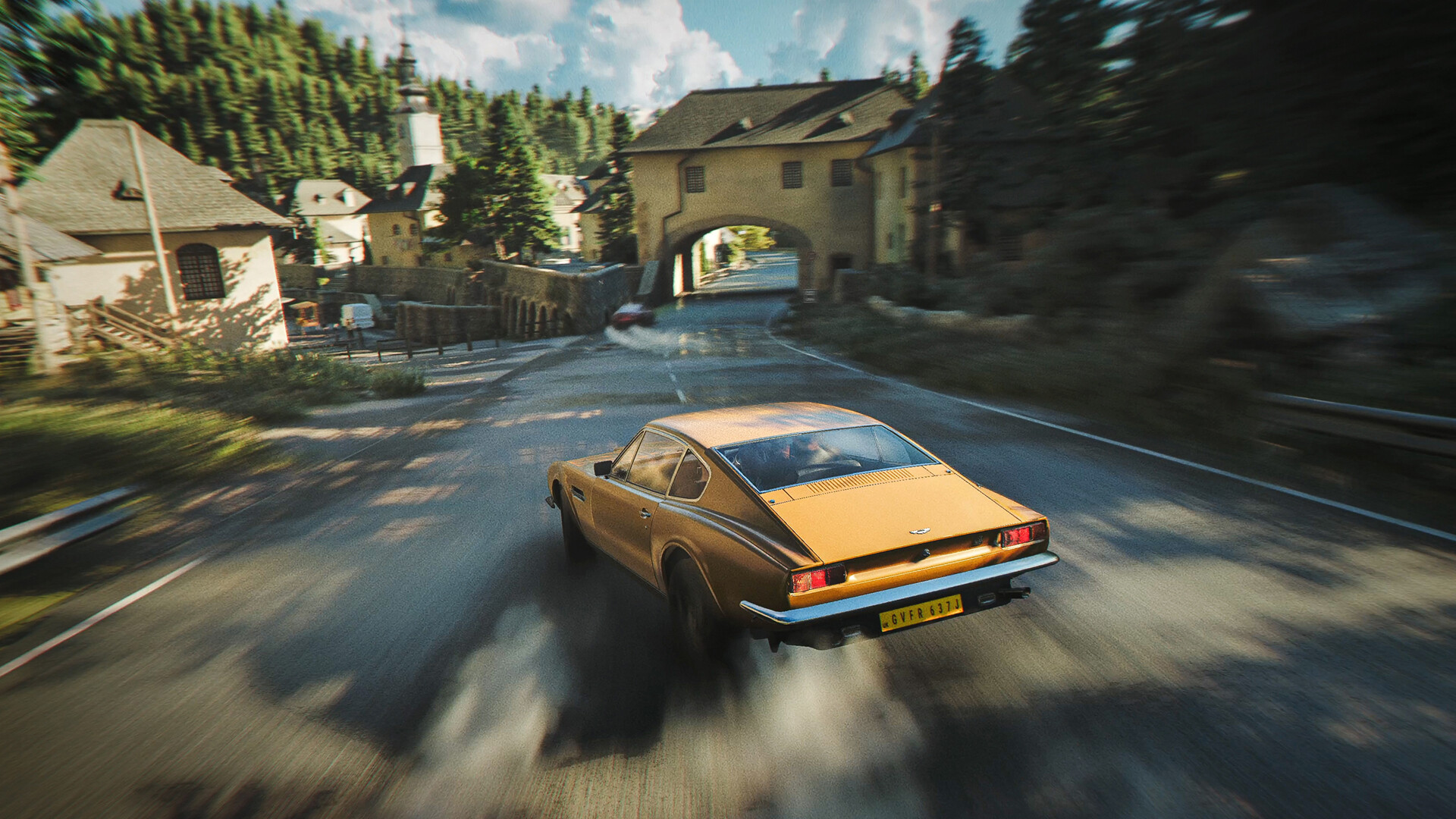
Not everyone can deliver this kind of experience, and I’d be lying if I said it always meant success. See Saros reportedly selling only 405,000 copies since launching last April, despite costing $70.
Regardless, the point still stands. You don’t need to stuff hours of busywork into the experience for the sake of “value,” or just abandon the formula outright because the call of the live-service model is too strong (see: Rocksteady). Maybe it’s because more and more publishers have reeled enough from these games-as-a-service titles to instead fall back on the tried and true, even as development costs continue to balloon.
That doesn’t mean the budgets will reduce anytime soon, especially with reports about Gears of War: E-Day costing upwards of $400 million to develop (and that packs a lot more than just a campaign). But there’s something to be said about delivering a tight, well-knit story that doesn’t make you wait for the fun. Value is subjective, but time is money, and sometimes, a 15-hour experience that stays with you can feel superior to a 100-hour title that feels like a slog.
Note: The views expressed in this article are those of the author and do not necessarily represent the views of, and should not be attributed to, GamingBolt as an organization.