




What is the ideal length of a game? Many will tell you that it depends on the genre, but also, no, you’re wrong, and how dare you. An open-world game like Crimson Desert, promising hundreds of hours of gameplay, can be just as valid as Ghost of Yōtei, which wraps up its plot in a relatively comfy 30 hours (with additional content nearly doubling that time). Marvel’s Spider-Man 2 said, “Stand back”, and only asked for 29 hours to finish everything.
Would anyone argue with their value, even with each of these titles costing $70? Probably not, but at what point does that cost-to-hour ratio start to look unattractive? What is the ideal standard? We’ll probably never know because, once again, it varies from game to game.
While that won’t stop gamers from demanding the absolute most from triple-A titles, a different sentiment has evolved over the years, one that Pragmata has reinforced to the relief of many: You don’t need dozens of hours of gameplay to deliver a fun experience. Sometimes, it’s not about how much time you can spend on a game but the quality of those hours.
For those confused, Pragmata – the latest from the house that brought us Resident Evil, Monster Hunter, and soon, Onimusha: Way of the Sword – is not a very long game. Some reviewers, like VGC, were able to complete it in eight hours, while GameSpot took about 12 hours. And if you’re going for a completionist run, FRVR claims that it can take even longer due to the sheer amount of hidden items, collectibles, and so on.
There’s even a Simulation Pod, which offers multiple challenge levels, each with three objectives that award Cabin Coins. You can spend these on upgrades, but there are also resources like Signal Data to collect. As a means for sharpening your skills, it’s a great side activity. It’s also absolutely unnecessary for the core experience.
At the end of the day, the development team chose to focus on what matters: The story, the characters, the presentation, and of course, the gameplay. In fact, that last part is what resulted in all the delays. As it turns out, creating a third-person shooter where you’re simultaneously controlling two characters, one solving maze-like puzzles to expose weaknesses and the other unloading ammo to take them down, is difficult, and that’s without considering all the traversal, the dodging, and the mechanics behind different boss battles.
I mean, think back to all the Resident Evil games released since June 2020, when Pragmata was first announced. How many of them have deviated from the third-person or first-person norm (aside from Requiem, which featured both) for their gameplay? And this isn’t to take anything away from the series, aside from maybe Re:Verse and Resistance, which can rot in oblivion. It’s just that this is a third-person gameplay loop that no one, even the many companies known for decades of such experiences, has ever attempted before. And it’s genuinely enjoyable – easy to get into, somewhat difficult to truly master, yet still satisfying, especially as more and more systems get thrown into the mix.
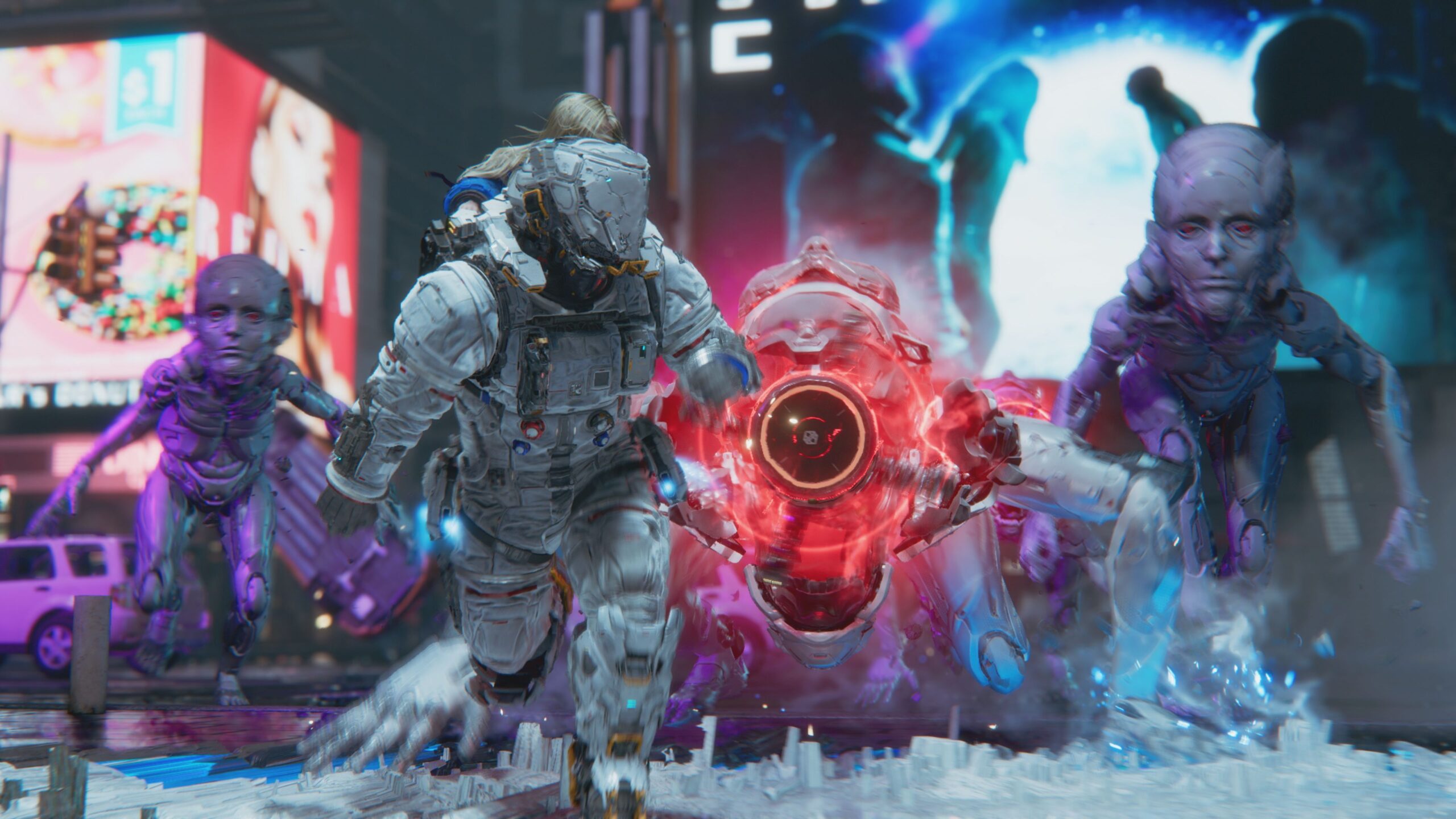
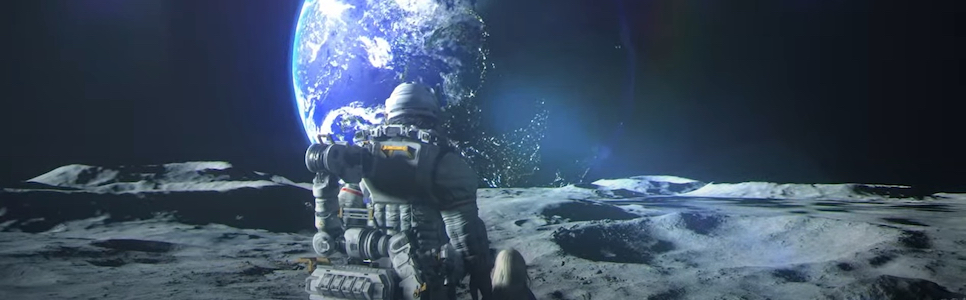
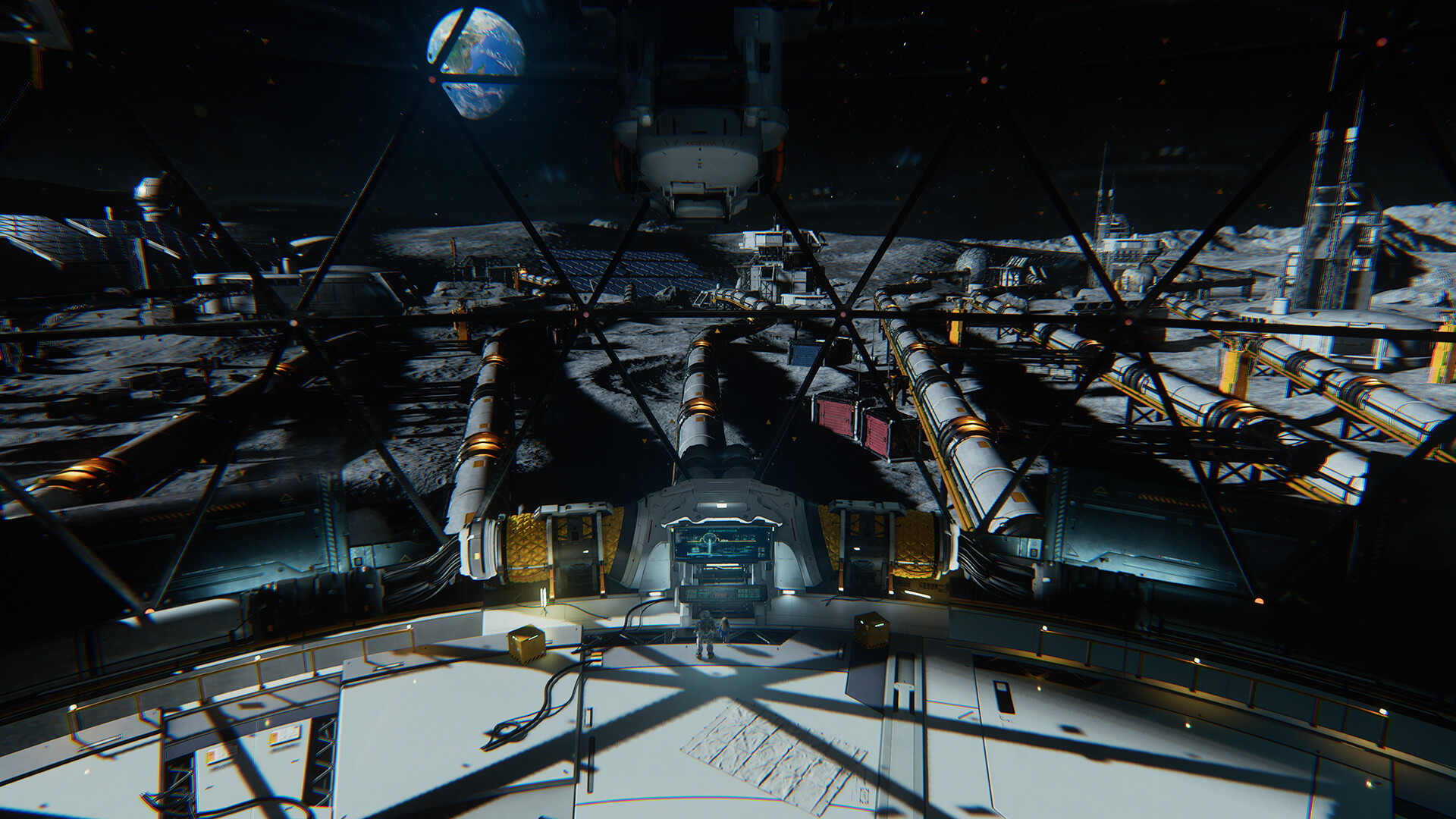
Of course, it isn’t skimping on presentation either. Don’t let the lunar base setting fool you – it’s a stunning mix of far-future NASA-like structures and robots that occasionally cross the uncanny valley straight into my nightmares. Hugh and Diana, the protagonists, are especially detailed, from their facial expressions to their animations. Seeing them venture through these environments laden with stellar reflective surfaces and incredible lighting is immensely enjoyable. In fact, there’s so much technical wizardry about – like the team painstakingly creating a replica of New York to ensure it looked AI-generated and inventing realistic hair tech that would be adapted in Requiem – that some players may never even know about.
All of this, topped by an endearing story with strong characterization that doesn’t overstay its welcome. It doesn’t suffer any bloat; for all the secrets and optional activities, it’s fairly linear. You don’t need to grind, which, to be fair, hasn’t been a thing for the developer’s games outside of Monster Hunter for years. And in this day and age, where it could have easily demanded $70 for this level of production quality and sheer gameplay innovation, Pragmata only costs $60. Yes, even on Nintendo Switch 2, amazingly enough.
The fact that games like this are being made, that too with more than enough resources to ensure their success, is noteworthy. Heck, it even threw in a little extra to ensure Pragmata runs fairly smoothly, though you can thank the sheer controversy drummed up by Monster Hunter Wilds for that.
Of course, some will note that the price justifies the playtime, and that since this is a new IP, one that’s not as tried and tested as many others, a $60 tag helps get more potential customers through the door. Don’t get me wrong – I wouldn’t be surprised if Pragmata is significantly discounted in just six months, despite being one of the biggest games in years. However, I think it goes beyond simply raking in the sales.
Because there are plenty of proven winners in the genre. With Pragmata, it feels like the developer sees something more in its world, characters and gameplay. Perhaps there’s the potential for a new franchise in the coming years.
Which is pretty lofty, though they probably never imagined in their wildest dreams that it would take this long. Yet, there’s some hope that its appeal isn’t lost on the industry as a whole. That you don’t have to arbitrarily stuff your game to justify the price. Yes, it’s a double-edged sword for some franchises like Battlefield and Call of Duty, especially given the backlash they’ve received for not having campaigns in previous titles, but would you have really shed a tear if Black Ops 7 didn’t grace us with that awful story? I certainly wouldn’t, and Battlefield 6 is only marginally above that.
But when comparing it to other long-running franchises, it’s impressive how much Pragmata manages to accomplish within its short runtime. Furthermore, many underestimate the value of shorter games, especially with so much competition on the market. For once, it’s nice to pick up a game, knowing that you can see everything it has to offer within a weekend (with some left over for the Monday blues). It’s refreshing not to have to dedicate dozens of hours to a story that doesn’t respect your intelligence, with characters that you don’t care about, in circumstances that you’ll forget about the next day. More importantly, to experience a gameplay system that’s never really been done before, at least not to this degree of success.
Pragmata probably won’t stand out as the greatest of all time. It may get buried under the sheer barrage of releases in the coming weeks and months. However, judging by the critical success and the positive buzz from players, it made a strong impression. Hopefully, it ends up lasting well beyond that reasonable playtime and into a well-deserved sequel.
Note: The views expressed in this article are those of the author and do not necessarily represent the views of, and should not be attributed to, GamingBolt as an organization.