Cheese for everyone!” is what I enthusiastically subtitled my review for The Elder Scrolls 4: Oblivion Remastered. And really, can you blame me? At the time, it seemed so easy to love the remake. The hype was immeasurable – months of rumors boiling down to weeks of leaks, and then a tease of something special on the game’s 19th anniversary. By the time Virtuos and Bethesda finished showcasing everything about it, from the overhauled visuals to the classic, quirky lines, we were already sold.
Lo and behold, it was more than a gorgeous facelift. The leveling was fixed, and it actually felt worthwhile to improve the skills you wanted. Combat felt more responsive, and animations were updated. But more importantly, it felt like the original updated for the modern age, retaining all the bizarre charm and imaginative world-building that made Cyrodiil and the Hero of Kvatch’s story so compelling.
Truly a blast from the past, when Bethesda delivered a compelling narrative that you wanted to dive further into alongside interesting and varied side content. The addition of the Shivering Isles – widely considered one of the finest expansions ever – made it an even sweeter deal at $50, despite the admittedly annoying Digital Deluxe Edition with its armor sets, weapons and not one but two horse armor sets.
To no one’s surprise, Oblivion Remastered was a massive hit. Despite launching on day one for Game Pass, it was one of the best-selling games of 2025 in the United States. To say that its sales outpaced the original in a fraction of the time would be an understatement. Bethesda had seemingly found a new winning formula to print money: simply revisit its glory days.
There was just one problem: The bugs. And no, not those left intentionally, which contributed to some of the quirkiness. We’re talking about other, serious, game-breaking bugs and some performance hiccups. Many players reported many other issues – who knew that taking a dual-engine approach could create so many problems? Surely, Virtuos would address them in short order. Right?
Well, after two months and no real response, players began to grow antsy. The studio eventually released update 1.1 in July to address numerous crashes and then update 1.2 a few days later with even more fixes. The latter even added more difficulty options and settings to separately adjust player and enemy damage.
And then it abandoned the game. That’s not an exaggeration. No other updates have been released ever since. In terms of post-launch support, even Redfall lasted longer, despite a pitiful critical reception and minimal sales (per Phil Spencer himself). Ponder on that for a moment.
One year on, Oblivion Remastered still suffers from performance stutters, crashes, and an altogether uncharming level of jank. Perhaps the most egregious issue is that performance actually degrades with more playtime. That’s right – the more time you spend exploring Cyrodiil and really taking in the atmosphere, the more likely it is that performance will nosedive.
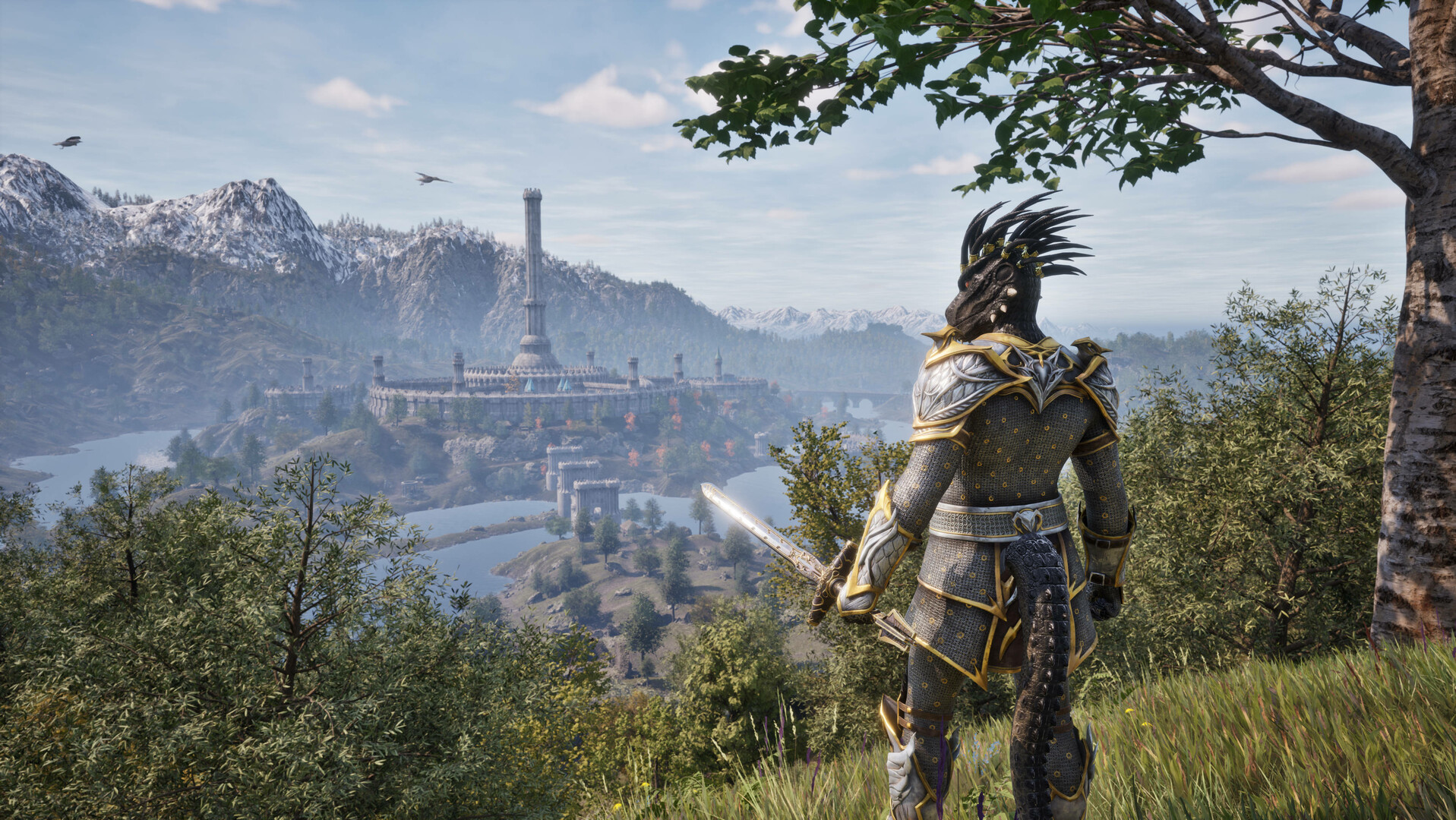
Many argue that those two updates actually made everything worse. Others believe they barely made a difference. Very few are happy with the game’s state, regardless.
You could argue that Bethesda earned whatever revenue it could and peaced out, but this is a game that continues to attract players on Game Pass. Within three months, it reached nine million overall – surely it and parent company Microsoft would want to continue support, ensuring the remaster remained the definitive way to experience Oblivion in today’s age. But no. Not even close. Recent reviews on Steam are “Mixed” with only 51 percent of the 523 users recommending it. Even Starfield has fared better, regardless of how players may feel about the game’s overall state.
Of course, there are other potential reasons why Oblivion Remastered was left to fester. Virtuos suffered several layoffs in the months after launch and may not have had the resources to continue supporting it. Maybe getting the game up and running also required significant support from Bethesda, which is plenty busy with other projects. It may also have been a matter of Microsoft not wanting to foot the bill.
But hey, don’t worry. Xbox still clearly sees the money in more remasters, hence why it’s allegedly remastering Fallout 3 (gotta give those fans of the show what they want, after all). So, to add insult to injury and rub salt in the wound further, another beloved classic may be ruined by this dual-engine approach. Nothing is confirmed, naturally, but hearing that it’s reportedly getting the Oblivion Remastered treatment doesn’t fill my heart with hope. Will the rumored remaster of Fallout: New Vegas also suffer the same fate? Is Microsoft doomed to repeat the cycle forever, wiping those tears away with fat stacks of cash?
If all that wasn’t enough, Halo: Campaign Evolved could offer another look at a potential dual-engine disaster, since it’s running on the original Halo’s legacy code while overhauling the visuals on Unreal Engine 5. Judging by the criticism from the reveal and the fact that we’ve not seen any gameplay ever since, not to mention an alleged launch in July, you have to wonder what’s going on.
Of course, all of that is still to come. Maybe we won’t witness the same problems at launch or shortly after. Benefit of the doubt, fingers crossed, and whatnot.

It’s still a shame right now because Oblivion Remastered is genuinely good. The visuals are simply incredible, and for a time, it seemed like the perfect argument against Bethesda remaining on the Creation Engine. Look what a different developer could accomplish on Unreal Engine 5 while still retaining all the classic gameplay fundamentals! And it sadly wasn’t to be.
I’ll still have the memories of venturing into deep dark caves and slaughtering all and sundry while waking up to a mysterious assassin from the Dark Brotherhood who recruits me. I’ll still remember that feeling of watching the king suddenly slain, and setting forth into this vast and beautiful world to find his heir. From battling the horrors emerging from the gates of Oblivion to wandering onto an inn that happens to be a pirate ship and fighting my way through to escape this impromptu kidnapping. From hearing the adoring fan’s annoying pestering to breaking the spell system to an absurd degree. That’s the Oblivion Remastered that I have the benefit of remembering.
Too bad that newer players will have that experience marred by a litany of technical issues that Microsoft and Bethesda couldn’t bother to fix. Maybe when Bethesda announces its next remaster, it will have an epiphany and realize, like 343 Industries did with Halo: The Master Chief Collection, that it should address this mess first. If for nothing else than a show of good faith to customers.
Then again, this is Bethesda we’re talking about. Even after the mixed reactions surrounding Fallout 4 and its DLC, it went on to release a massive disaster in Fallout 76 at launch. And yet, it still managed to get millions on board for Starfield. You can bet that it’ll have even more people ready to put down their money when The Elder Scrolls 6 is imminent or when Fallout 5 pre-orders are live. Maybe it’s just the nature of the machine and those sworn to it.
Note: The views expressed in this article are those of the author and do not necessarily represent the views of, and should not be attributed to, GamingBolt as an organization.