





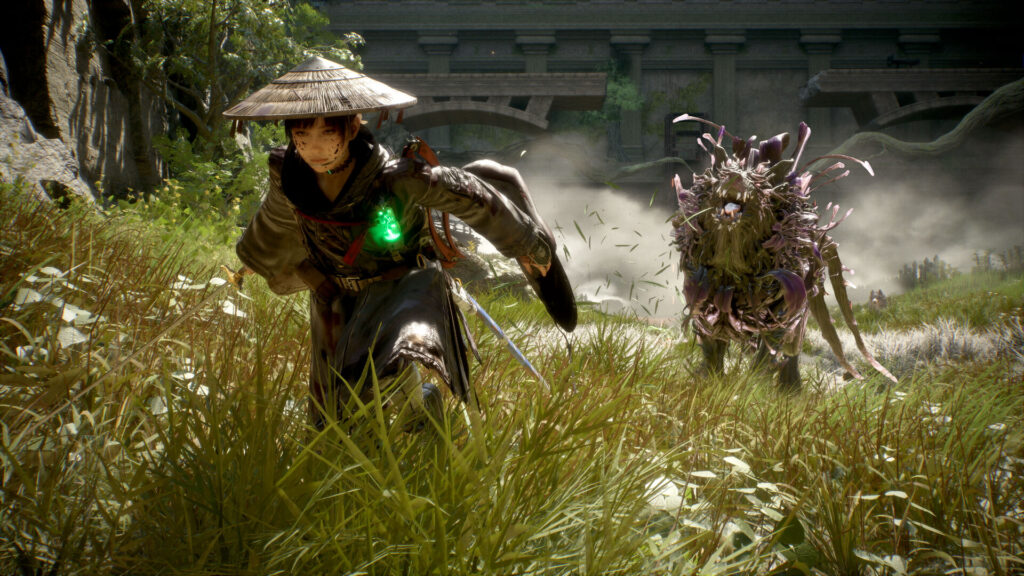
We’ve been reminded of our time as the One-Armed Wolf in Sekiro: Shadows Die Twice every time we’ve seen Emma take on an enemy in Beast of Reincarnation. That can’t really be helped, as it’s only natural to think of FromSoftware’s incredibly designed take on a loyal shinobi when parry-focused combat comes into play. Factor in a breakable posture gauge, executions, and a katana, and you begin to see why many of us are thinking of Beast of Reincarnation as a sort of Sekiro clone.
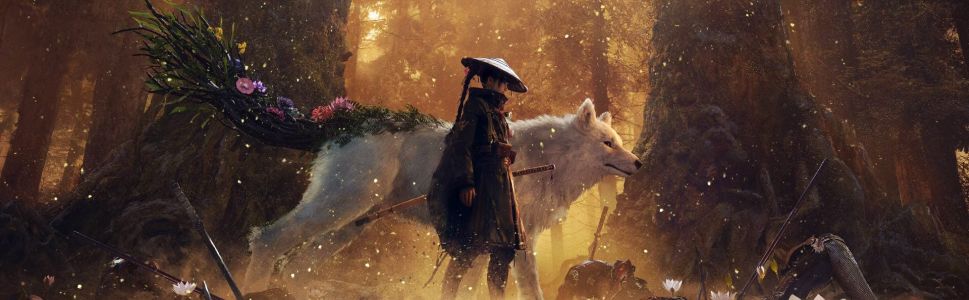
But is that really the case? Sekiro was a one-man battle against Ashina’s worst, with the Wolf’s mastery of his craft and determination to bring an end to Kuro’s torment forcing him to go beyond even death to achieve his goals. Emma, on the other hand, doesn’t fight alone and Koo might just be a companion worth taking along on a mission as deadly as hers. We think that the similarities between the two games end with its basic foundations and visual language.
Of course, we come armed with valid points about why that’s the case, so let’s get right into it.
1. The Posture and Down Gauges
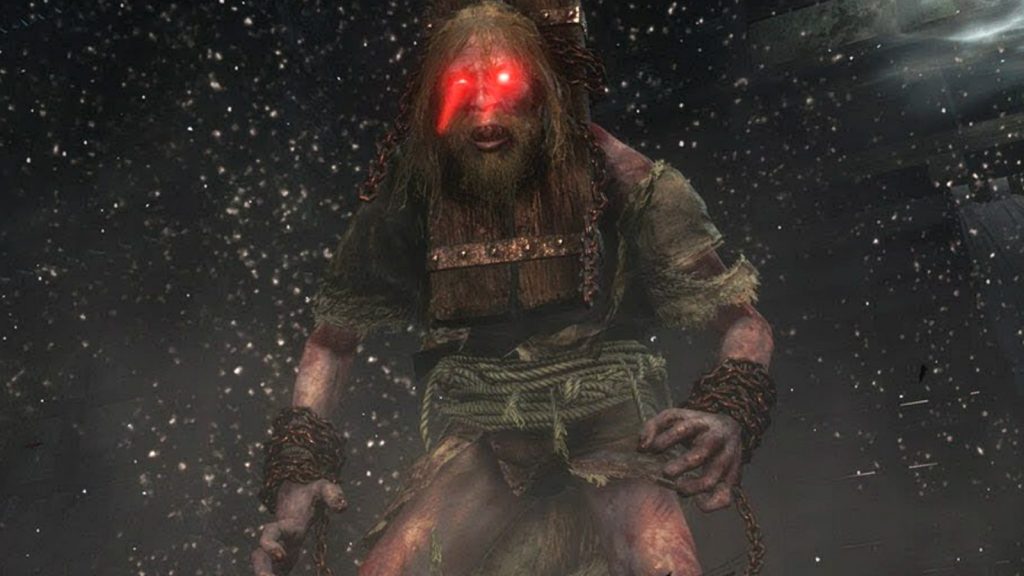
Staggering your enemy by breaking down their Posture was the surest way to end a fight on your terms in Sekiro, and the entire mechanic formed the central pillars of a fast-paced, fluid combat system built around aggression and well-timed parries. Chipping away at your enemy’s health was only a way to ensure they weren’t recovering their Posture fast enough to withstand your onslaught, eventually breaking through their difference for some serious damage.
While that might seem like it’s the case in Beast too, there is a crucial difference. Those executions you get to pull off might not be as crucial to the outcome of a fight as we’ve been led to believe, instead being ways to dish out major damage safely and quickly while your parries feed into Koo’s abilities, health, and perhaps even influence the recovery of your own Down gauge. It’s going to be interesting to see how the Down Gauge plays out in the final game, but we’re quite certain it’s going to service the companion and ability systems over favoring only an aggressive combat loop.
2. The Rewards For Parries
One of the best things about parrying attacks in Sekiro was that the reward was tangible and immediate. Cool visuals and audio effects aside, every successful parry was the Wolf’s way of according momentum in a fight. Parries let you avoid damage, set up counterattacks, break enemy Posture, and essentially convert your enemy’s aggression into advantages that you surely needed even against grunts.
Well, parrying in Beast does help keep your foes off balance, but it’s looking like it could be more than that. You see, parries feed your FP bar, which is what you need to allow Koo to use abilities that supplement your own when a fight is underway. That means getting up close and personal with your foes powers another tactical layer instead of simply building up to an opportunity for some major damage.
3. A Matter Of Managing Rhythms
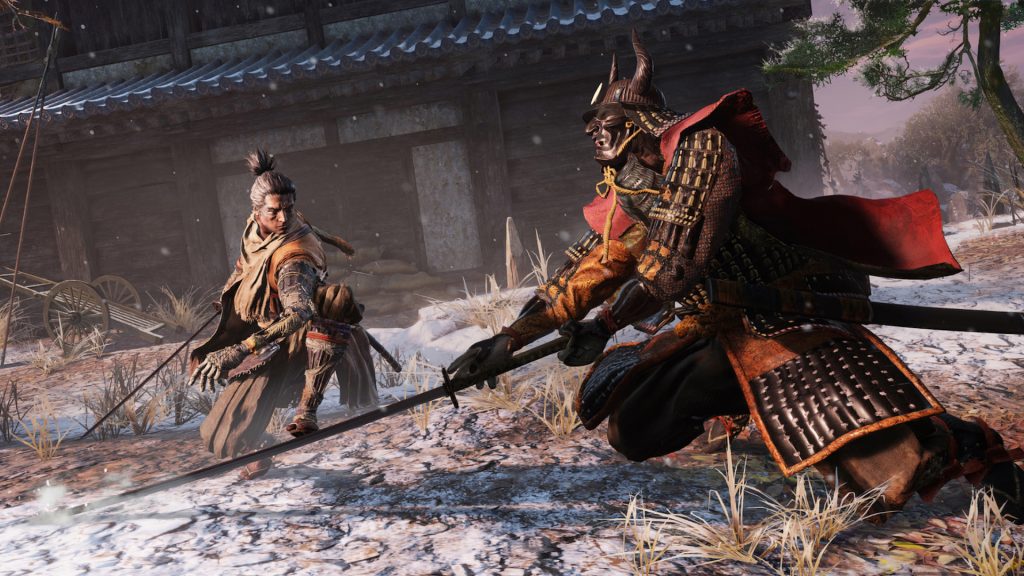
Sekiro almost felt like an almost continuous assault on everything the Wolf held dear in the way its story was paced, and in the way levels were designed to make combat as relentless as possible. We’re not going to forget the climb into Ashina castle for the first time, or the fight against a field boss and subsequently Genichiro that ensued. It was a game whose rhythm revolved around sustaining pressure, and using the right responses to enemy actions.
Beast might share that foundation, but we don’t think each fight is going to be as relentless and fuelled by implicit desperation since pulling up Koo’s ability menu slows down time, allowing for a nice tactical pause to punctuate the intensity of katana-based combat. It could be a better balance between immediate execution of your best moves and a more deliberate, tactical approach to deadly threats that we’re quite liking.
4. Superior Numbers In Battle
Part of Sekiro’s charm was the fact that Wolf stared down the rest of the world in his efforts to rescue Lord Kuro from those who cared more about the Dragon’s Blood than his well-being. That narrative premise lent itself quite well to a combat system that aimed to give one man everything he needed to succeed before placing tremendous challenges on the path to his goals. His sword, prosthetic arm, combat arts, and Ninjutsu all extended his own abilities.
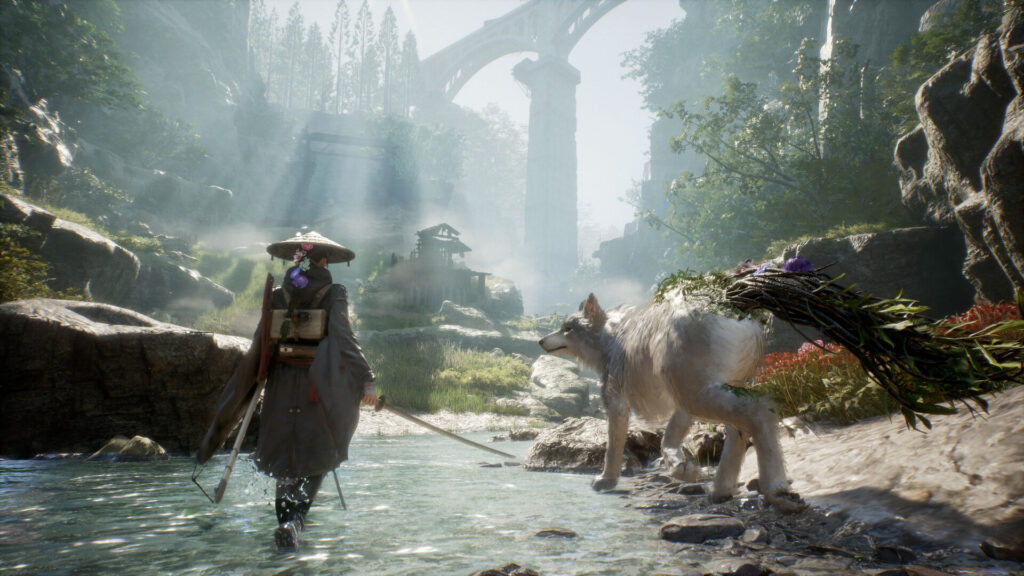
Emma and Koo, however, fight as a unit, and that immediately opens up options in battle that a single-combatant-system simply cannot hope to match. From what we’ve seen, neither of them are decorative, and learning to weave their abilities together seems like the crux of combat in Beast of Reincarnation, making their partnership a fundamental part of the combat economy on offer.
5. Prosthetics Versus Bloom Arts
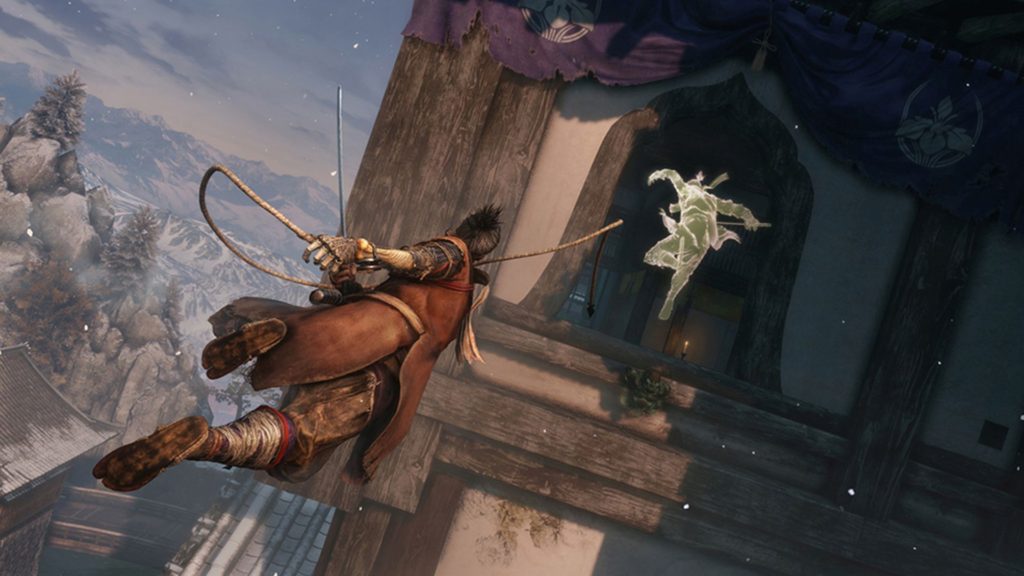
In Sekiro, Wolf’s prosthetic arm was not just a story beat, but a specialized tool tailored to support your playstyle with a variety of switchable attachments. It was a way to disrupt enemy attacks, break their shields, absorb and redirect magical attacks, or even apply poison to particularly bothersome foes. It was a tool like no other, working as a direct extension of your shinobi moveset to give you more options in battle.
The Bloom Arts that Emma uses, however, aren’t just offensive, but could be used to control the space around her and Koo in situations that demand it. Combined with Koo, it adds on to the tactical layer that comes from accessing your companion’s abilities, deepening a system that we believe could set Beast of Reincarnation apart from a title that seems like it was quite an inspiration.
6. Combat Arts Versus Combos
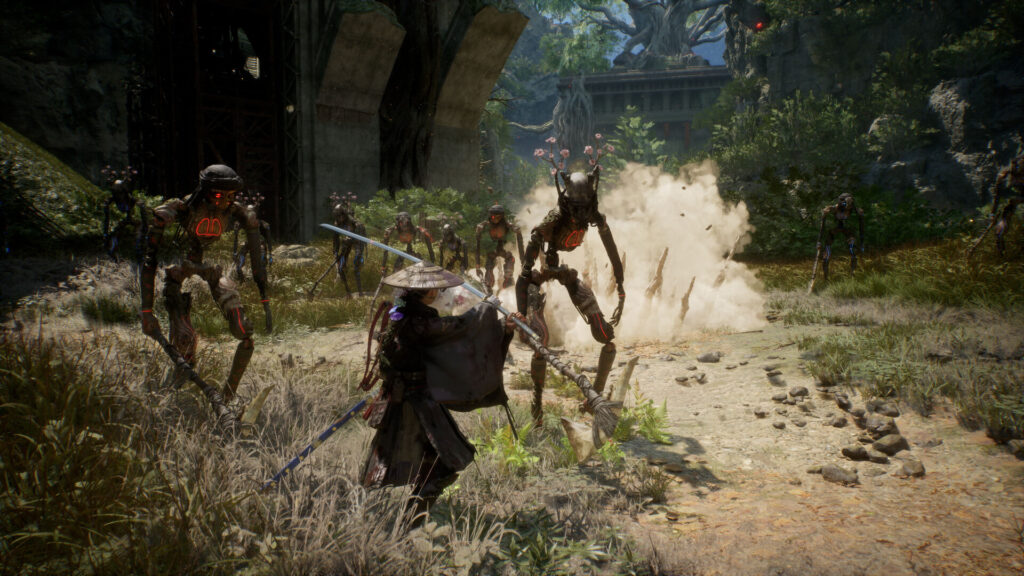
Combat Arts in Sekiro were always meant to extend Wolf’s mobility, attack potential, or perform specialized counters. They enriched what he could do, with their utility serving specific functions that your playstyle was otherwise lacking in. The Ichimonji Double is probably a good example, serving as a free posture-damaging tool once you figured out how to best use it against a foe you were facing.
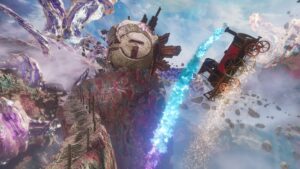
However, Emma and Koo work a little differently, using their respective abilities to keep a combo going, and an enemy on the backfoot against the onslaught. For instance, we saw Koo launch a line of javelin that lodged itself into a towering foe’s body, allowing Emma to use her Bloom abilities to grapple up to it and dish out some damage to a massive health bar. Abilities like that showcase a combat system built around duality, and applying pressure by efficiently using two distinct sets of abilities instead of just one.
7. Deathblows and Executions
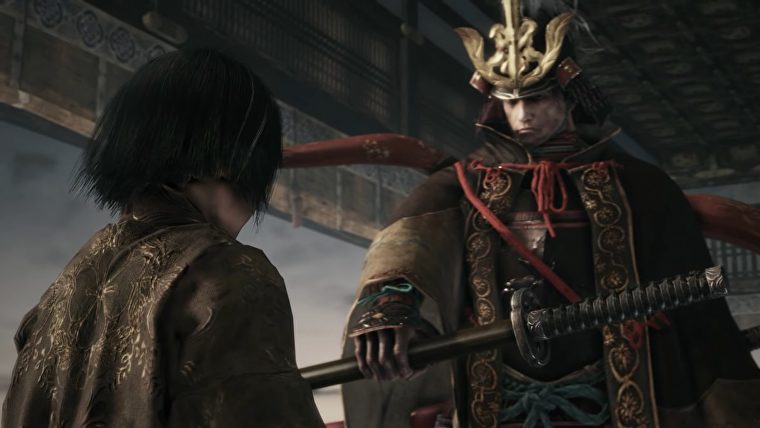
Personally, the Deathblows were my favorite part of Sekiro, and for good reason. They were ways to signal a major shift in the balance of a fight, and were often what triggered phase transitions as bosses got increasingly desperate against Wolf’s unbreakable resolve and unerring precision in a fight.
We’re not entirely certain that executions in Beast are going for the same kind of vibe considering how the combat’s more centered around continuing combos and keeping your foes on the backfoot by being clever about your own abilities. Yes, depleting an enemy’s Down Gauge does put them down for an execution opportunity, but we think those moments might not be as defining to the course of a fight as the promos have made them seem. Of course, we could be proved wrong once the game is out, but it does seem like Executions in Beast might not have the same role as Deathblows.
8. From Single Combat To The Battlefield
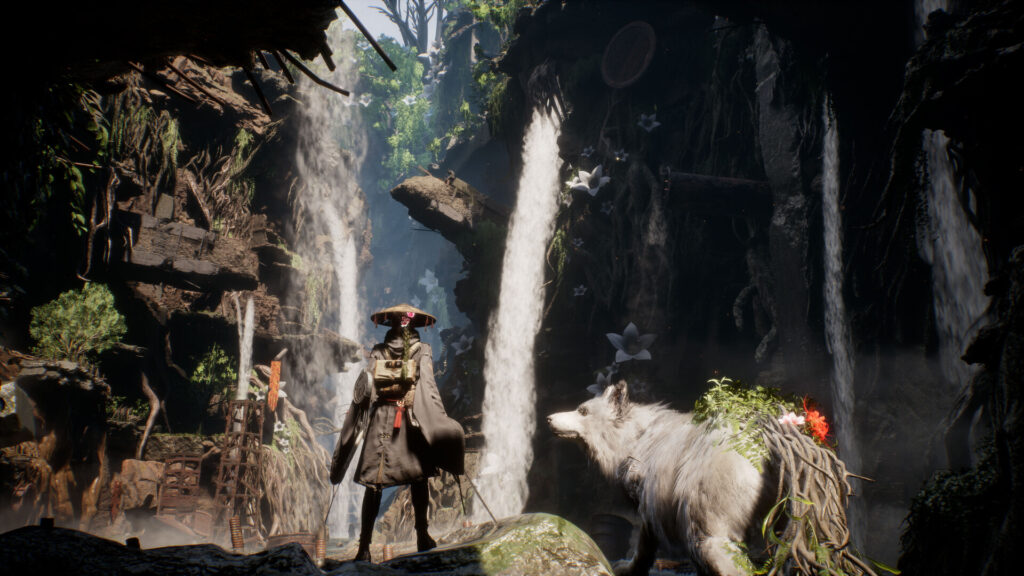
Taking on multiple enemies wasn’t always the best approach in Sekiro. You could still tear through them if you were good enough, but the Wolf’s odds at a victory were often vastly improved when you could overwhelm single opponents with lightning fast attacks to break their defenses. Multiple opponents could mess with that carefully constructed rhythm, and turn the dance into one where a single mistake could mean a trip back to the nearest checkpoint.
Emma, however, seems to have no choice but to manipulate the battlefield by feeding Koo’s abilities through her own combat prowess. It’s a combat loop that moves away from a lone Wolf into a duo that synergizes shared abilities to make controlling the battlefield an art. Or that’s what it looks like so far, at least.
9. Linear Progression Versus Build Flexibility
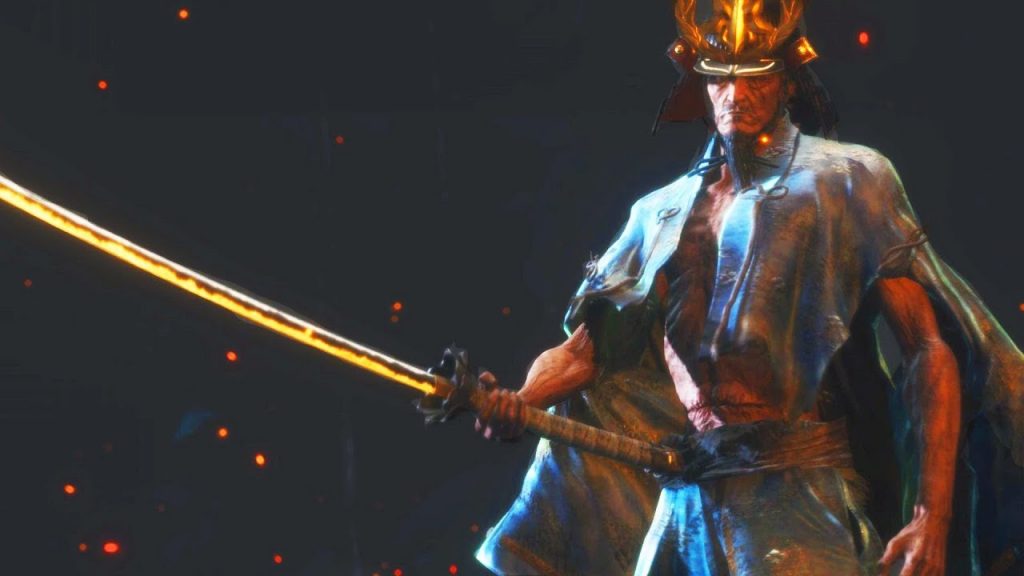
Wolf was a swordsman for the most part, his skills and shinobi abilities serving as supplements to mastery with his blade. Yes, you could beef up his base stats by taking on side content and hunting down upgrades, but Sekiro wasn’t a conventional RPG where you could put together different builds.
However, Beast of Reincarnation is aiming to make switching things up a part of an intelligent approach to its world. Narratively, Emma is going to have to stay versatile enough to be one step ahead of the Bloom and the titular beast, while that need translates to exploiting varying enemy weaknesses as she progresses through the story. Of course, the full range of equipment and gear she’s going to find out in the world is yet to be seen, but we’re expecting ways to change how Emma and Koo take on varying situations.
10. A Singular Challenge For Those Who Want It
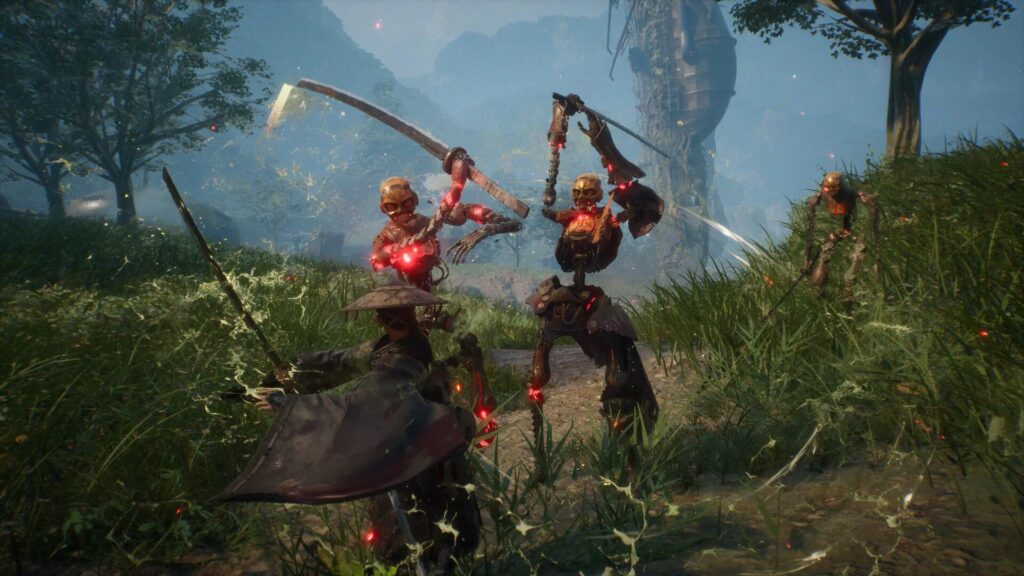
FromSoftware is famous for reminding uncompromising on the experiences it aims to deliver, and Sekiro’s lack of difficulty options has deterred a few players from taking it on. The default experience is one that’s going to send you packing more times than you’d like to count, and for good reason. It’s a part of the game’s charm, after all.
But as its developer’s debut in a new genre, Beast of Reincarnation is bringing three modes: Story, Normal, and Hard in an effort to be accessible to a wider audience. It’s a smart move, as Hard mode is still there for those of us thinking about playing it like Sekiro while other players could dive right into its story and maybe turn it up a notch from there. That it provides you with a choice is a welcome difference from Sekiro, though.
Well, you’ve probably guessed that the two games we’ve been comparing share many structural foundations, but utilize them to deliver vastly different experiences. It’s clear that Game Freak isn’t trying to make the next Sekiro, and Beast of Reincarnation merely attempts to take some of its best features and weave them into a combat loop where two characters fight as one in battles where they must prevail, for the sake of everything that’s good in their world.
The stakes are high, and our warriors are capable enough. Are they going to be as compelling as Wolf, though? That remains to be seen. We’re liking this one’s chances, though!