






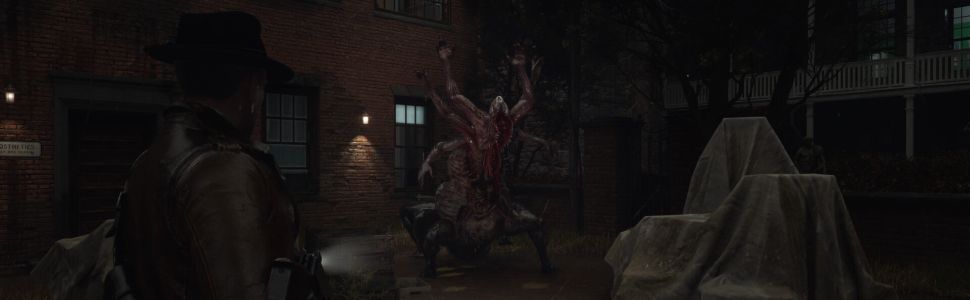
It’s always interesting to see a sequel switch things up enough for it to feel like a vastly different offering from its predecessor. That’s certainly the impression we have of The Sinking City 2 which is changing more than just its location and protagonist thanks to developer Frogwares looking to future-proof itself through versatility in its offerings.
There’s a lot that’s different this time around, and if you’re thinking about picking up a copy expecting it to be familiar, this is something you might want to read before you pick it up. Let’s dive right in!
From Detective Action To Survival Horror
While the first game took you to a city where you really had to hunt down clues and solve mysteries to make sense of it all, things are a little more straightforward this time around. The Sinking City 2 makes scavenging for scarce resources, fending off deadly enemies, and surviving a world that’s decidedly not conducive to life as its central pillars.
Of course, there are still occasions where your investigative skills come into play, but it’s all about survival and the story this time around. Is that going to be a welcome change? Well, it’s definitely different, if the early previews of the game, played on a relatively early build of it, are any indication.
A Fully Open World Makes Way For A More Focused Semi-Open Adventure
The Sinking City’s Oakmont was a sprawling place full of varied districts, scattered clues, and threads to follow as you attempted to solve its central mystery and attempt to stop the regular floods that it was being plagued by. You made your way around by foot or by boat, or via those fast-travel phone booths strewn about. However, that was a part of its charm, and a definitely great way to make your investigation feel layered and nuanced as you piece information together.
The new game uses a semi-open structure where the places you’re exploring are more contained, deliberately structured spaces meant to feed a linear route for progression with optional detours and a bit of backtracking by boat thrown in to shake things up. That’s sure to help the game’s pacing, and is likely to make its combat feel more of a threat than the first game’s systems did.
Oakmont’s Bustle Vs Arkham’s Desolation
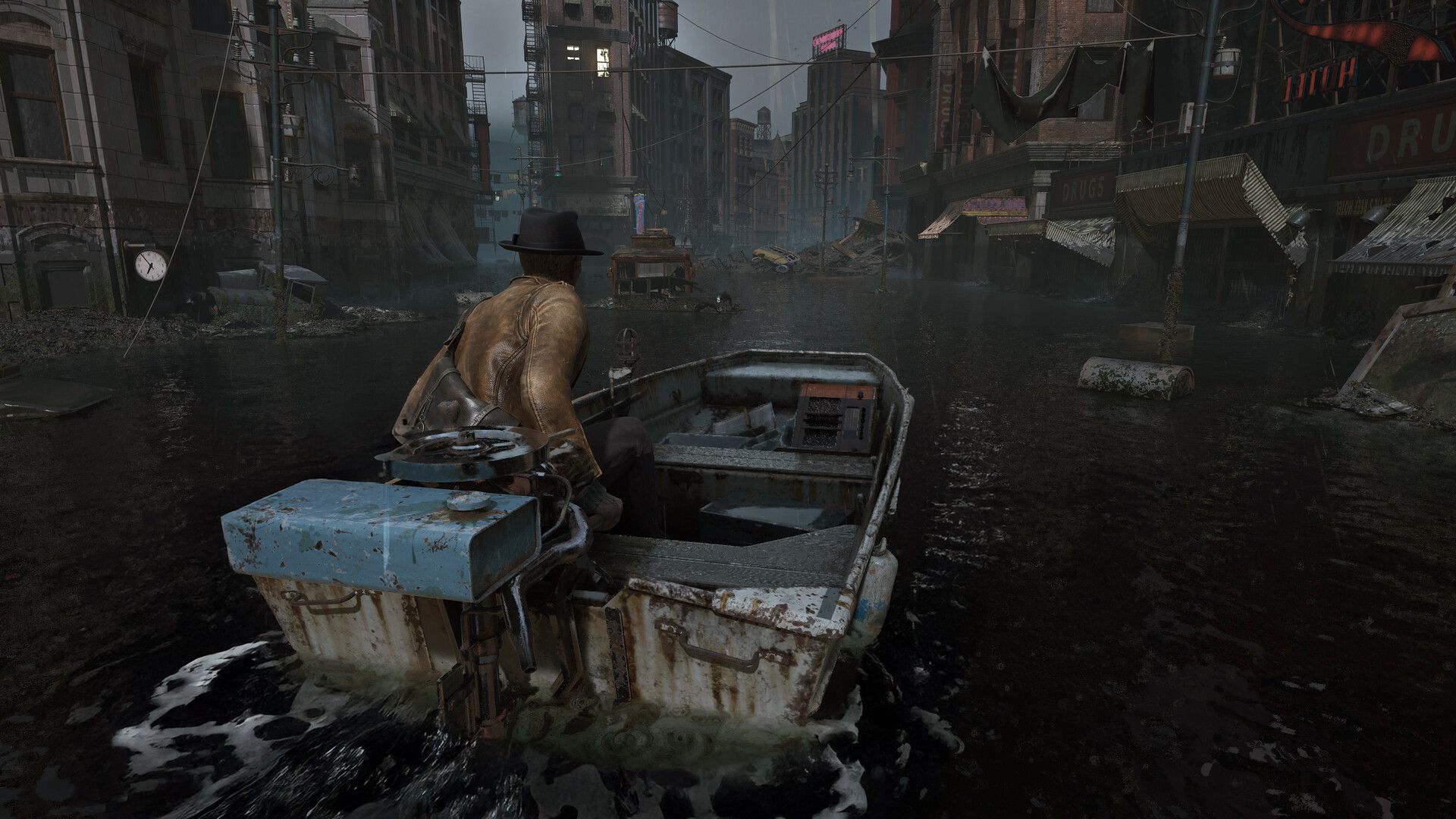
Of course, the titular Sinking City switches from Oakmont to the very popular Arkham for those of you who are familiar with Lovecraft’s work. Frogwares has made its new stage a place that’s lacking the hustle and bustle of Oakmont’s busy populace, whose routines and consistent chatter made for an experience that made them a necessary part of your adventure.
Of course, things are different for The Sinking City 2, with its premise and gameplay loop favoring a world with more hostiles and less allies to find. With that being said, the few survivors you find are sure to feel more interesting by virtue of their rarity, and early previews have praised what little’s been shown off of them. We’re pretty optimistic about them being memorable parts of the experience after our time with the first game’s NPCs.
World Building Vs. Environmental Storytelling
The difference in NPC density brings us to the way things about Arkham are presented to you. While the first game had you looking out for as many clues as you could find to piece together the story and lore of its world bit by bit, a lot of that involved conversations, interviewing witnesses, visiting public institutions, and navigating your relationships with the leaders of various factions. It was a core part of the gameplay loop that made Oakmont’s citizens a crucial part of its storytelling mechanisms.
Of course, Arkham being as desolate as it is, things are different, and there’s a stronger emphasis on the physical environment telling you more about what’s going on this time around. Detailed buildings, abandoned rooms, documents, environmental abnormalities, and even corpses can tell you more about the world than a single conversation ever could in The Sinking City 2.
The Importance Of Investigations
If you haven’t played The Sinking City, you’re still probably aware that investigations were a crucial part of the adventure that one presented. Charles Reed was an investigator after all, and the mission design was based on him piecing together his objectives through exploring Oakmont and finding out more about its predicament. It was a lot of grunt work and mental math, making it reminiscent of Frogwares’ past titles.
Arkham, however, does feature places for you to do a bit of sleuthing, and ties them to handy rewards that are sure to make navigating its brutal world easier. That makes investigations more of an optional detours, but a very rewarding one for those of you who like to diligently track down everything a game has to offer you.
The Investigation Systems Themselves
While we’re on the subject of investigations, they were spread across a multitude of interconnected systems during our time in Oakmont filling in for Charles. There was his Mind’s Eye, his retrocognition, the Mind Palance, your interviews with NPCs, archives, omens, and even manual map work that needed you to place markers based on vague clues, and then manually track down whatever you were looking for once you were there.
That last part could be a tad challenging in a place like Arkham where ammunition is scarce and enemies are abundant. Thankfully, your Mind Palace has been streamlined, allowing you to conduct investigations from a single interface to make connections and solve problems hindering your progress. You’re still going to play detective in this one, but the whole thing’s been woven into a survival horror loop that recontextualizes its importance from a gameplay perspective.
Celebrations Of Successful Investigations
In The Sinking City, piecing clues together to solve an investigative thread was rewarded with deductions directly tied to story and side mission progress, while also presenting you with more options on related threads and opportunities to send the narrative in different directions based on your choices. The rewards were narrative avenues that shaped Charles’ perceptions and beliefs.
In The Sinking City 2, Calvin finishing a successful investigation comes with more practical rewards, including but not limited to supplies, secrets, lore drops, alternate routes, and the Dream Essence he needs for talent upgrades. That amounts to more tangible rewards that are more suitable to a survival horror game where combat can leave you on the backfoot more often than you’d care to admit.
A New Approach To Puzzles
The first game’s puzzles were a part of the story, requiring you to rebuild past events with Retrocognition, examining evidence, picking the correct archive to file newly acquired information, and a lot of deduction-based problem solving before you could get to the right solution. We look back at the hours we spent trying to piece it all together quite fondly. It was a test of your deduction and information retrieval skills that was a very welcome change of pace at the time.
The sequel hasn’t hidden its survival horror inspirations at all, and it shows in the way puzzles are more direct, with numerical codes, locked doors, environmental mechanisms you need to operate, along with key items you’re going to have to track down before you can progress. It’s a more spatial approach to problem solving that could better suit the gameplay loop on offer in The Sinking City 2, considering how differently Arkham is structured in comparison to Oakmont.

A More Focused Experience
While the entirety of Oakmont was at your disposal in The Sinking City, one of our few complaints about that one was that a lot of it felt inaccessible to the player, making a chunk of the game’s world feel like window dressing for what was indeed exploreable. Entire buildings had no way to enter them with most of the game’s action happening out on its streets as you used partial addresses and well-placed map markers to find what you were looking for.
In Arkham, things are narrower but a whole lot more focused, as you look to clear rooms and areas before you progress, and you’re going to backtrack to familiar areas over the course of the story. While the first game sent you across a large city, this one’s looking to have you wondering how to fully clear its many levels as you go along.
Combat Is Now A Core Activity
Another part of The Sinking City that prevented us from liking it more than we did was a rather lackluster combat system. It was clear that combat wasn’t the focus of the experience it was offering even though some of those enemy designs still linger among the scariest ones we’ve seen over the years.
However, the new game puts the action right at the center of it all, with a more responsive control system and improved gunplay to make fighting off imposing foes feel like a crucial pillar of Arkham’s survival horror loop as opposed to an interruption to an investigative loop in the previous game. Progression critical locations are going to be patrolled by enemies waiting to test your ability to remain effective against them whilst managing scarce resources.
The Improved Gunplay
The original game’s shooting mechanics left a lot to be desired, and even the remaster’s improvements didn’t do much to make its broader, action-oriented combat systems feel worth writing home about. Well, there’s a tighter, over-the-shoulder aiming system, a more streamlined movement system that’s turned to feel like modern survival horror titles, dodging, melee attacks, and stagger damage from hitting weak spots for some brutal finishers.
Combat isn’t just tighter in the new game, but is rebuilt to make its frequency more appealing and deliberate.
Dishing Out Damage In New Ways
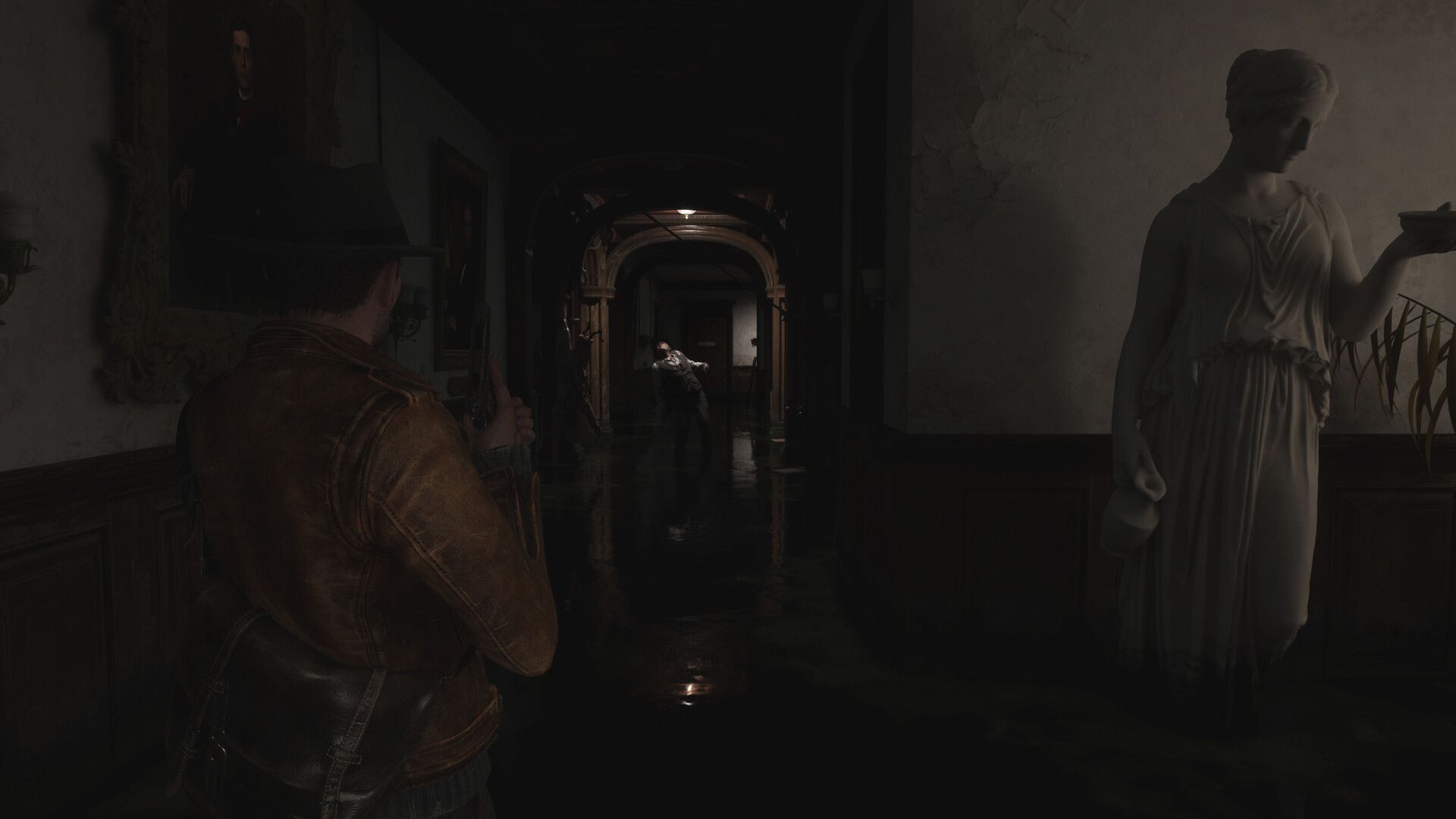
While The Sinking City was more about dealing damage to enemies through gunshots, explosions, or repeated melee attacks, the new game is taking things up a notch. Your enemies are more mobile, for starters, and generate visible boils that you’re going to have to hit quite consistently. That’s because they’re the weak points for stagger damage that we were talking about.
Getting them to a staggered state lets Calvin stomp down on them, finishing them off with stylish brutality in a move that might never get old. While the original game was about dwindling down health bars, this one gives you more control over the fight, and more opportunities to turn the tides in your favor given that you’re often going to be facing superior numbers.
Bullets Work Differently In Arkham
In The Sinking City, bullets were more than just ammunition for your weapons. Oakmont’s grim situation meant that survival wasn’t guaranteed, and having the means to even the odds was more valuable than cold, hard cash. That means bullets were a valuable currency for trading, and were a frequent reward from your investigations in the first game.
That’s changed now, and they’re more rare even with robust crafting systems in place. You’re going to have to use them well if you want to survive an adventure that’s sure to push Calvin past his mental and physical limits, with even a single missed shot meaning the difference between life and death. Bullets continue to remain the surest possible way to live in The Sinking City 2. They’re just better off in your enemy’s head instead of an NPCs pocket.
Inventory Management Redefined
Charles Reed could carry a lot of stuff in his pockets once you got the right upgrades in, with fairly generous resource caps on ammo, crafting materials, meds, explosives, and other items. There was no dedicated storage loop simply because The Sinking City didn’t need one.
Calvin, however, needs to be more careful about what he’s carrying into the field, with a dedicated storage chest and frequently appearing safe rooms allowing you to manage your inventory in what’s probably going to break The Sinking City 2 into more manageable chunks as you navigate between safe rooms. We’re suspecting that they’re going to have a role to play in fast-travel too, if things turn out as we expect.
The Right Skills For The Job
The first game took an easy approach to skills, with unlocked upgrades permanently buffing Reed’s combat abilities, health, and his mental skills set. You gradually got better as you filled out a traditionally layered skill tree.
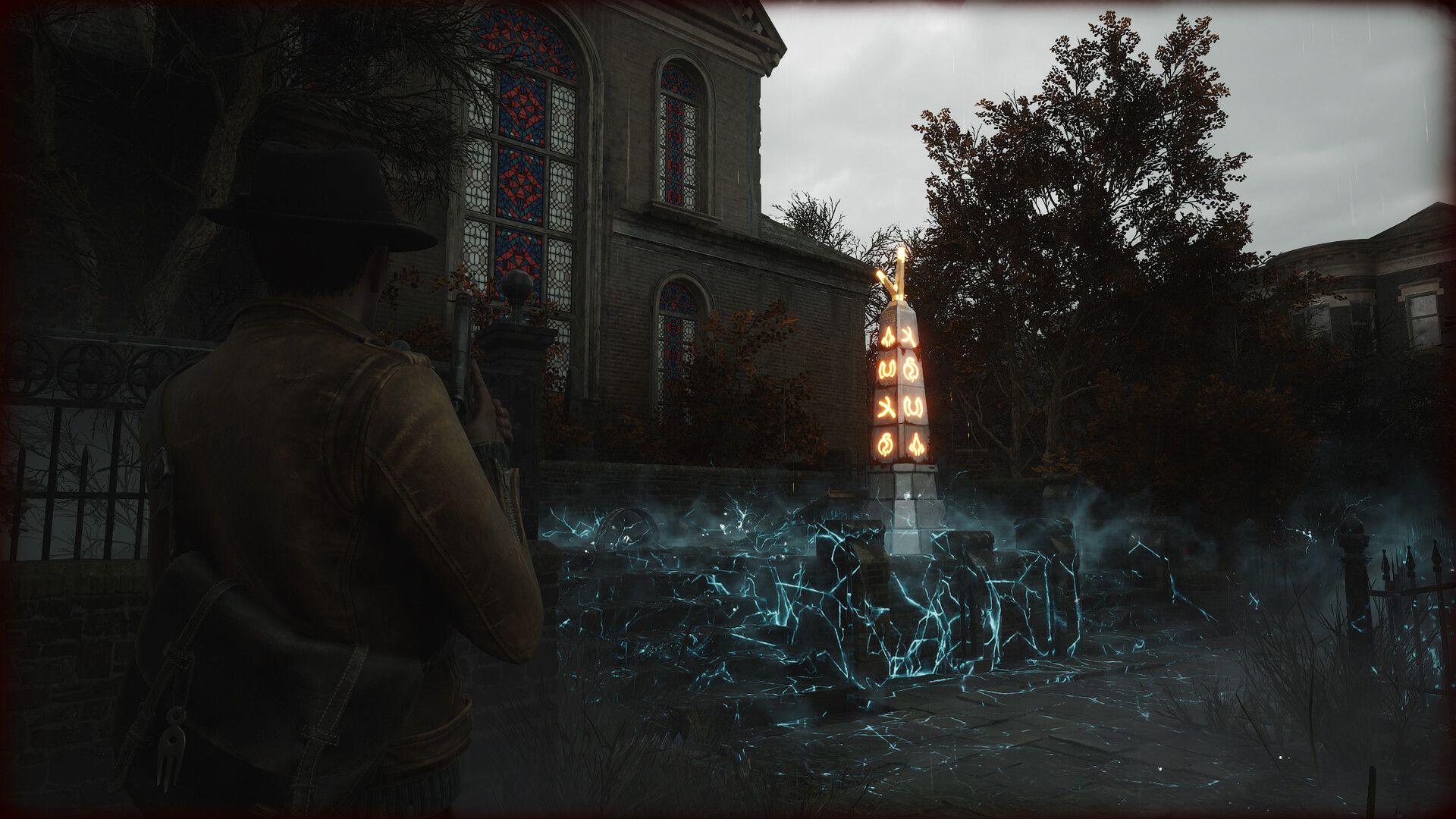
That’s different now, as you invest Dream Essence you gather into Runes that give you passives, with the caveat being that you can only have a limited number of them equipped at any given time. While that might seem limiting at first, we’re expecting your options to open up quite significantly the more Runes you unlock, making selecting which ones you want to upgrade a matter of your preferred playstyle. There’s even the potential for switching up your build based on the situation you’re trying to tackle, which is always welcome.
And that’s about it for this one. We’re pretty excited to dive into Arkham’s waterlogged areas in The Sinking City 2, and hope that you’re going to be prowling its desolate buildings alongside us when the time comes. See you there!