






After an 18-year wait, Metal Gear Solid 4: Guns of the Patriots is finally breaking free from the PS3. Later this month, it will return as part of Metal Gear Solid: Master Collection Vol. 2, bringing one of the series’ most important entries to nearly every major gaming platform. It has been a long time coming, but we’re more than ready to experience Old Snake’s final mission all over again.
Among our favorite facets of our time with Metal Gear over the years is how each individual title has managed to remain special in our hearts and minds. It’s why remastered versions of some of its greatest hits, and a remake of one that did well to usher it into the current generation of gaming audiences, have been absolute treats for us to play.
It’s a stealth-action formula like no other, made eternal by Kojima’s visionary storytelling and gameplay design, and a potent narrative vehicle whose lore only gets more elaborate with every passing chapter. However, one of its titles has been rather quiet over the years, held back from reaching new generations of audiences thanks to its exclusivity to the PS3, a console that’s now two generations behind us.
If you’re among those players, we envy you. You might know Metal Gear Solid 4: Guns of the Patriot from the memes. You might have heard about those cutscenes leaving enough time for a quick snack, or know it thanks to Old Snake’s iconic look as a weathered version of a seasoned protagonist. But you haven’t played it yet, and this one’s mechanical ambition, structural unpredictability, emotional excess are remnants of a time long gone in gaming that you might not be ready for.
We sense you scoffing at the idea of a game that’s around eighteen years old at this point giving you trouble of any sort. But that’s the point, as this one is full of surprises that are baked into the experience. Allow us to explain.
An Underplayed Variation On The Formula
Let’s begin with the fact that if your time in modern gaming began with the PS4 or later, the chances are you’ve only heard of this one, or perhaps caught its story cutscenes to help you understand what you were missing between titles that you could actually get your hands on. You might be coming into this one after Delta Snake Eater introduced you to Big Boss, and set the events of the franchise’s narrative in motion.
Well, this one’s going to be quite the culture shock, since it switches out meticulous, room-by-room infiltrations with active war zones, where soldiers, vehicles, patrols, and multiple factions vying for control of tightly contested spaces make for an experience that can be quite jarring to you. It could make you think that the quiet jungles that set Big Boss on his journey to infamy, and the patient, curated approach you could carve to them have been sacrificed on the altar of a more combat-focused title.

But you only have to dive into the many ways that Snake literally hangs back, using a cautious approach to pit factions against each other, his loyalty between them wavering on your whims. You could cause chaos, pitting them against each other and using the chaos of the ensuing firefight to pursue your own reasons for being there. Snake is a seasoned hunter in this one, and his years of accrued experience over his lifetime are woven into his gameplay loop so well it stands out as soon as you get some depth out of its systems.
Of course, the narrative framing leans into that playstyle, nudging you towards a more careful approach by making Snake’s ageing body a system all on its own, with visual cues that provide tangible feedback on your actions via animations, stress and physical strain being measured components of gameplay. The Psyche system is a layer that underlines it all, working well to give you the implicit understanding that you’re in control of a soldier who’s pushing a tired physique beyond its normal limits. It’s designed to make you feel like a soldier who simply refuses to die.
The change it brings to a gameplay loop that saw different innovations over the years is something that isn’t going to make itself known until you pick up a controller and begin messing around for yourself. Of course, Snake and his new hunting grounds are not the only parts of the equation that Guns of the Patriot switches up.
Tools Of The Trade
OctoCamo is certainly something that’s going to stand out when you get your hands on it. It’s the perfect example of how MGS4 adapts the franchise’s stealth-action formula to the new level designs, giving you an invaluable way to navigate complex spaces unseen by simply blending with the background, Meccha Chameleon style. A relatively short cooldown on it meant that the ability to hide in plain sight was never too far away, making it a responsive and fluid part of traversal.
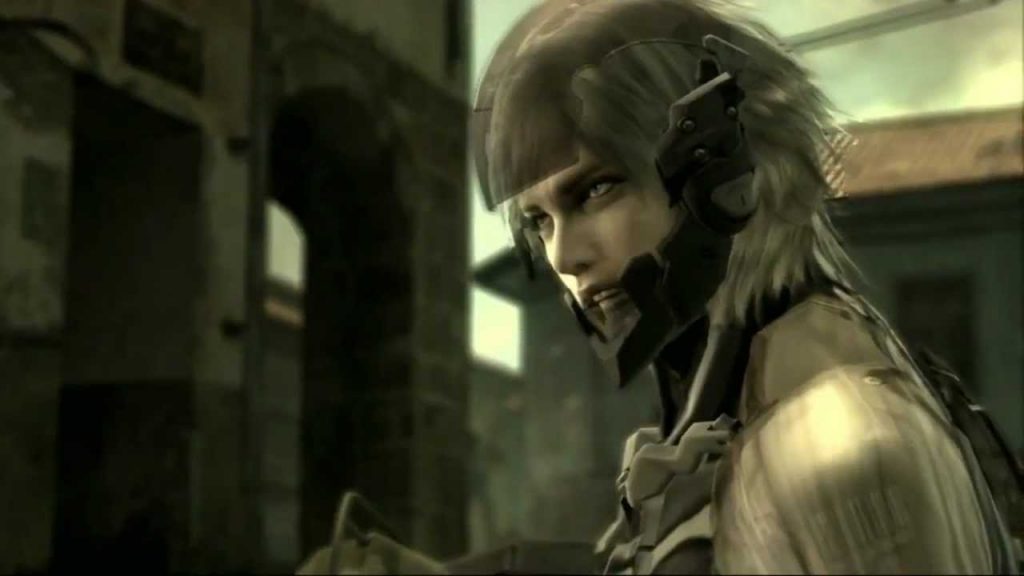
Expect to find yourself using it to carve a path through enemy forces with a lot of the usual sneaking and skulking, but with a new energy and pace as you find yourself improvising on the fly, stopping only when the moment requires that you pause to exploit a new weakness, or perhaps figure out a new route based on a changing situation. You’re always adaptable, but Snake’s personal constraints mean every choice you make matters.
The Solid Eye was a superb way to complement that mobility, being a great way to spot interest in your immediate vicinity and from afar, while also giving you a map to help navigate areas with more precision. Between the two tools, you’re going to find that instead of feeling like stealth is restricted to controlled spaces, you now have an entire battlefield at your disposal and it’s a sense of liberation we’re happy you’re going to experience.
With other gadgets, the threat detection ring, weapons and their modifications, and Drebin’s shop, there’s a lot of depth to what’s on offer in this one. It brings a sense of freedom, and feels like the game’s always working with you as you make and execute plans to navigate heavily guarded space without no one being any the wiser to your presence. Where you might expect the game to fail it’s stealthy roots, it doubles down on them while also allowing the action part of things to take the spotlight
The boss battles may have been a step down from the incredible Cobra Unit encounters in Metal Gear Solid 3, but they still pushed us to our limits. The battles against the Beauty and the Beast Unit, along with the different ways each encounter could be approached, are something we can’t wait to experience again. And then there’s the chance to pilot Metal Gear REX against Metal Gear RAY, followed by the unforgettable final showdown between Snake and Liquid Ocelot, a rivalry built over years, brought to life with incredible passion.
You never know when a firefight is going to break out with you thrust into the thick of it all, with an aggressive approach often favored by its large-scale combat encounters. It’s a potent military shooter when a situation that brings such battles into play unfolds, but that it doesn’t compromise on the franchise’s famous stealth traditions to do so is something that could catch many of you unawares at several points if you’re not watching out for it.
There’s also that story to talk about.
Twists In The Tale
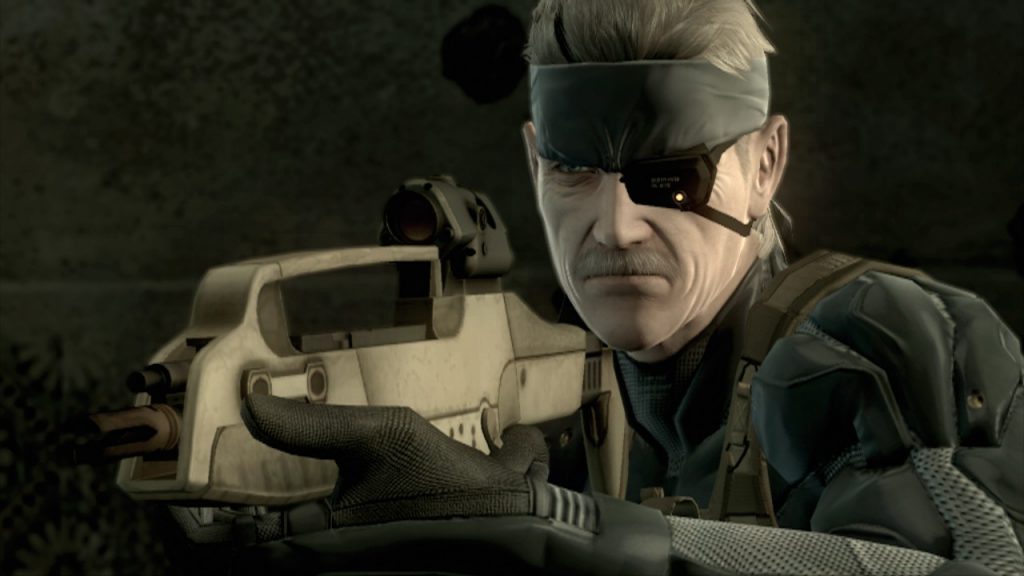
Part of why the switch to action from stealth can feel as surprising as it does is the story, where the very structure and pacing of the narrative bring new locations, objectives, and infiltration techniques needed to get there. The rest is up to you, as you’re encouraged to get as creative as you can with what’s in your pockets and in the world around you. There’s very little repetition on offer in this one, and that can be a switch from what’s on offer today.
It switches things up with each act, its tone also varying between military tragedies, the influence of political ideologies on conflict across the globe, questions of identity and agency, absurd comedy, fanservice, melodrama, and even a bit of horror thrown in. Those cutscenes aren’t talked about for so many years after the game’s release for no reason, and if you’re new to the franchise, a lot of what you find is going to have you diving for the wikis more often than not.
Of course, all of this only serves to lend the spectacle this one offers a unique charm, and it carries that with a confidence that’s both impressive and deeply self-indulgent and it flits between its excessive exposition, uneven pacing, and a few well-placed moments of closure for franchise veterans that were much needed at the time of its release, and are welcome bits of nostalgia for those of you replaying this one again.
You might think that all of these factors we’re talking about could be seen as flaws, and they would be if you look at them through the lens of a gaming industry that’s been more risk averse than Kojima and Konami were back in the day. It took an already ambitious and unique franchise in a bold new direction, leading into MGS5 with aplomb. Its ambitions, and the resolution of decades of complicated threads of continuity make it a game that’s more demanding than its peers, but it’s one that makes you feel like a truly powerful superspy trapped in an old man’s body.
That’s not something you can find everyday, and MGS4’s current-gen debut is something we’re excited for just to join Solid Snake on one last replay of his last adventure. If you’re a newcomer to its strangeness, massive scale, and its experimental excess, know that it doesn’t behave like anything you’re used to, and expects the same kind of controlled chaos from you.
It’s what has made it so special to us over the years.
Note: The views expressed in this article are those of the author and do not necessarily represent the views of, and should not be attributed to, GamingBolt as an organization.