





From its Mediterranean island setting to its fantasy driven narrative, Resonance: A Plague Tale Legacy is set to reimagine the storied series in several noticeable ways. Familiar themes remain – the disease, of course – but the foundations have shifted, with new ways to deliver the story supported by different environmental design and combat philosophies. We’ve already done a “15 Things to Know” feature, now it’s time for fifteen of the biggest differences between Resonance: A Plague Tale Legacy and its predecessor A Plague Tale: Requiem – let’s get to it.
A Prequel Set Fifteen Years Earlier
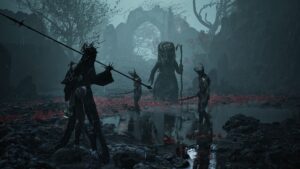
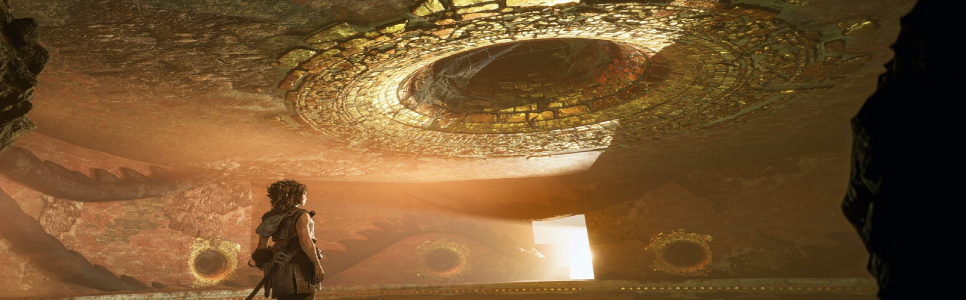
Rather than picking up where A Plague Tale: Requiem left off, Resonance: A Plague Tale Legacy travels back fifteen years, putting you earlier in the series’ timeline. This switch doesn’t just open avenues for new storytelling, but it’s an atmospheric transformation entirely. Gone are the rain-soaked plague-ridden villages, replaced by bright sunshine and crystal-blue water. Despite the sunnier backdrop, however, Resonance still pumps an emotional heartbeat.
Prima Macula Takes Over the Black Death
While Requiem intertwined the Prima Macula with the harsh reality of the Black Death, Resonance puts the ancient curse front and center. So, instead of grounding the narrative in historically plausible horror, the prequel positions the disease as a primal, ancient force. The Macula itself becomes less a medieval symptom of cursed bloodlines and more an enduring mystery with origins stretching deep into humanity’s past.
Lone Protagonist Reshapes Gameplay Dynamics
One of Requiem’s crowning strengths was the ‘protector-carrier’ relationship between Amicia and Hugo. As such, nearly every encounter revolved around safeguarding your younger brother while wielding his devastating rat-controlling power. Resonance: A Plague Tale Legacy abandons this dynamic entirely, shifting focus to a lone protagonist in Sophia who faces the island’s dangers largely on her own. Emphasis, then, shifts to her individual abilities too, her tools, and the equipment she brings, all without needing to manage a vulnerable companion.
Dual Timelines Change Narrative Delivery
Resonance brings a narrative structure unlike anything seen in Requiem, or the A Plague Tale series as a whole. Throughout your journey into Minotaur’s Island you’ll switch between Sophia’s present-day and events taking place centuries earlier. What’s more, actions performed in the past will influence Sophia’s present. So, rather than existing as contextual story flashbacks, the ancient sequences serve to reshape exploration, puzzle-solving, and storytelling. The result is a much stronger connection between the two eras and both characters alike whom you’ll guide through each.
Threats Continuously Pursue You
Even though Requiem continually placed Amicia and Hugo in danger, the game’s threats tended to shift between places. By contrast, Resonance appears to establish a persistent pursuing presence, whether Sophia’s being hunted by the Venetian Army or stalked by an unknown subterranean force deep inside the island’s catacombs. The result is a gameplay dynamic that shifts further away from Requiem, with chasing danger bringing a constant sense of peril.
Exploration is More Vertical
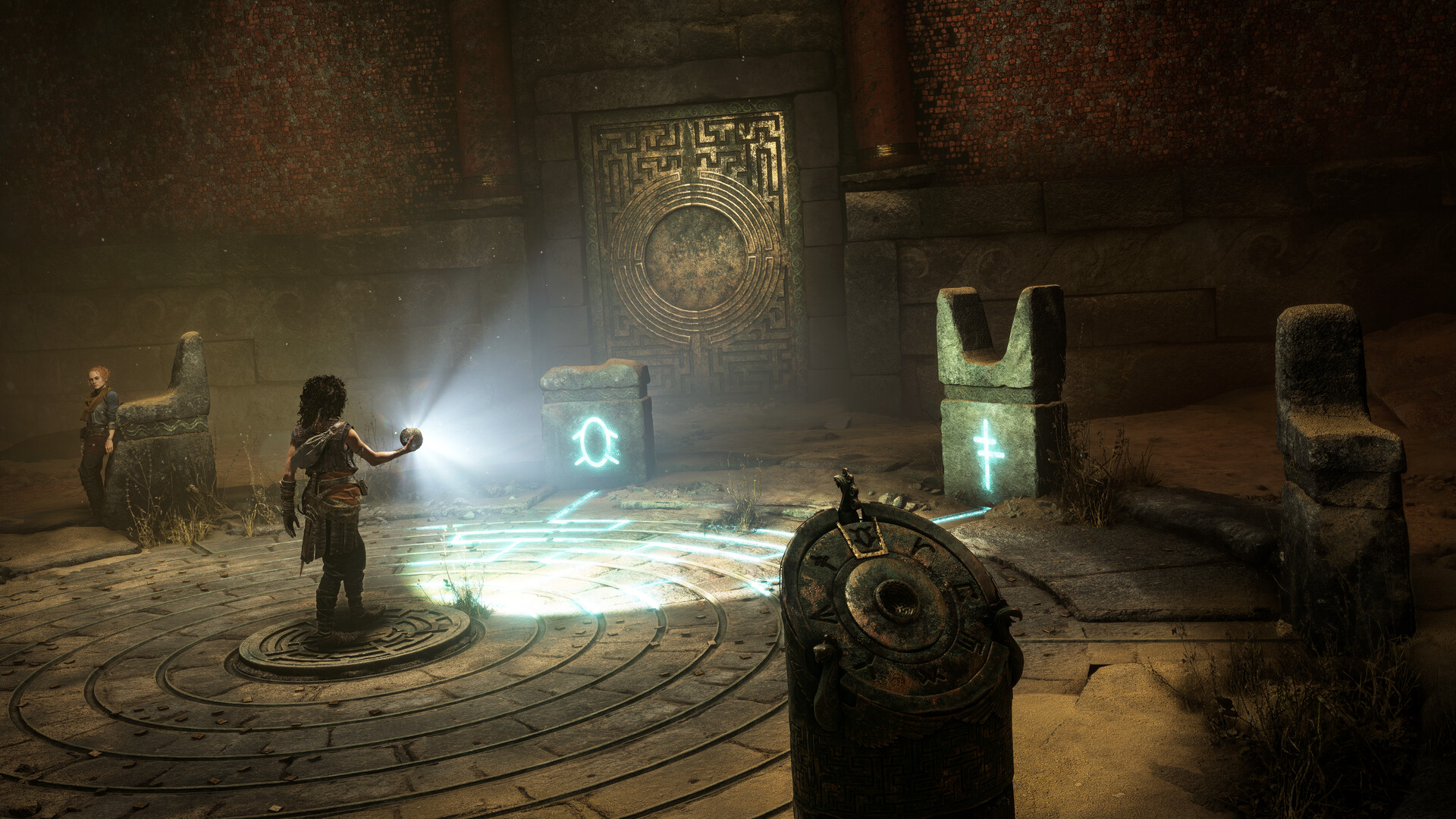
Requiem’s environments were largely horizontal sprawls across villages and fortresses. Resonance, instead, takes a more vertical approach, building levels around towering cliffs, deep caverns, and maze-like labyrinths. Exploration often moves upwards or down, with Sophia able to scale locations with the traversal tools we outlined in our “15 Things to Know” feature. On the whole, Resonance’s locations feel denser, with exploration more hands-on than its predecessor.
An Adventure Shaped by Ancient Characters
Whilst it was a fantastical look at one of history’s darkest chapters, A Plague Tale: Requiem always underpinned its fiction with an element of historical authenticity, supernatural sequences aside. Resonance, however, leans heavily into folklore, with ancient characters like Theseus and the Minotaur mixing with the remnants of ancient civilisation, pushing the series the furthest it’s ever been to pure fantasy.
Ancient Ruins Replace Medieval Settlements
The change to sunnier climbs naturally brings a completely different architectural aesthetic to Resonance’s environments too. Gone are Requiem’s most memorable locations – the plague-ridden villages, markets, and dockyards – swapped for crumbling architectures, dimly lit tombs, and labyrinthine catacombs, all weathered by nature’s attempt to reclaim them. Thematically, the story shifts from bracing through society’s collapse to uncovering the fragments of one that disappeared centuries ago.
You’re Searching for the Disease’s Origin
Amicia’s mission throughout A Plague Tale: Requiem was, overall, driven by finding a cure for Hugo. In Resonance, that overarching goal is eschewed for something more investigative as Sophia seeks the origin of the Prima Macula itself. It’s quite a significant narrative shift, transforming the journey from a race against time to an archaeological mystery to unravel.
Boss Battles Reintroduced as Larger Spectacles
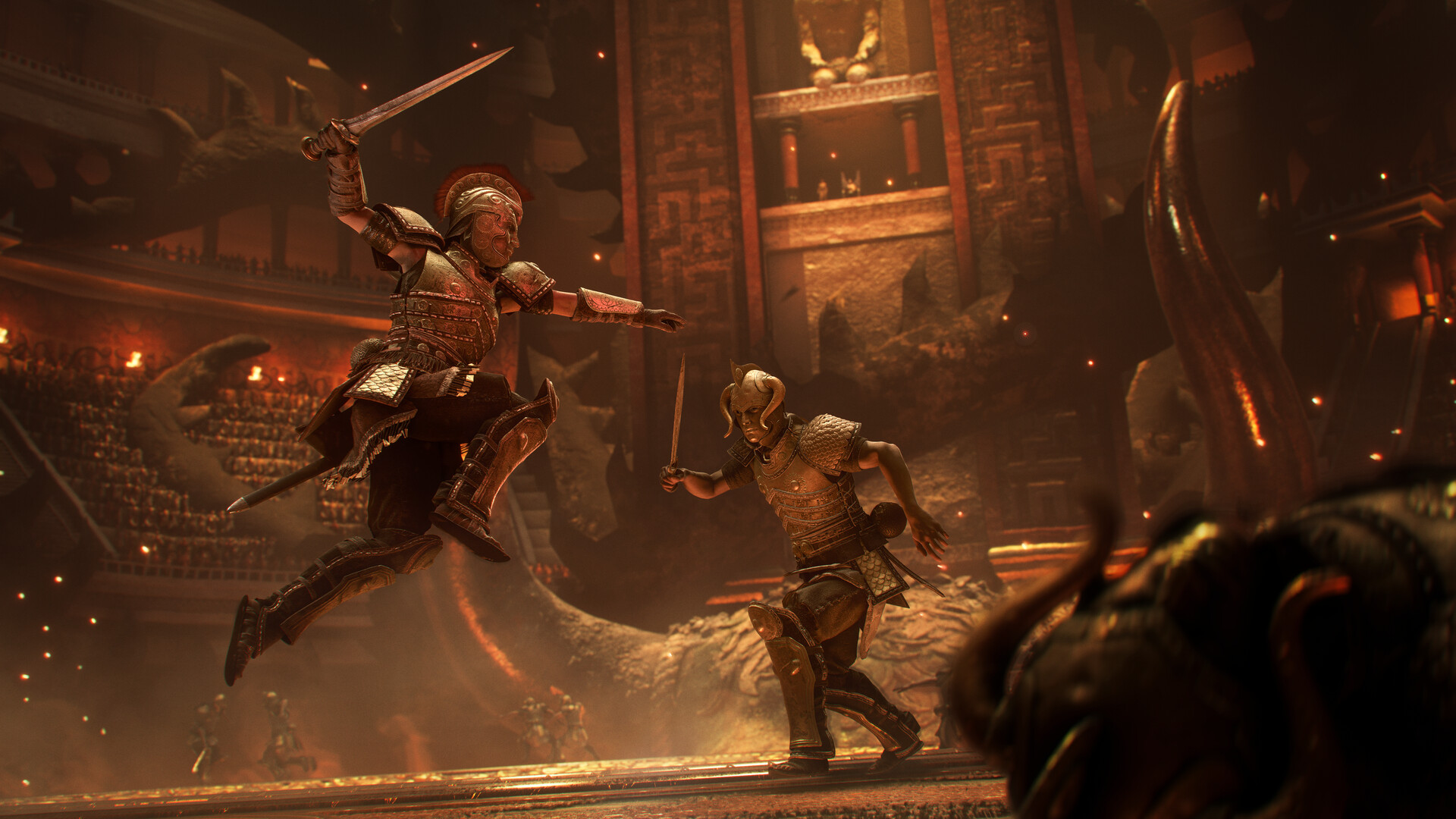
A Plague Tale: Requiem excluded boss battles in favour of tense stealth-led sequences and dramatic set pieces. With its renewed combat focus, Resonance is reintroducing boss battles and they’re purportedly larger and more mechanically driven than any boss that’s appeared in the series’ earlier entries. Indeed, early gameplay suggests duals with elite opponents and clashes against monstrosities will test your pattern recognition, positioning, defence, and evasive manoeuvres, making these confrontations more in-line with traditional action-adventure titles.
Crafting Takes a Backseat
In A Plague Tale: Requiem, resource management played a crucial role throughout, with you consistently scrounging for leather, resin, and other ingredients to craft ammunition and alchemic tools. Resonance takes a step away from this loop entirely, introducing RPG-light mechanics for subtle buildcrafting. We’ve already gone over what this entails in our other feature, but a key realisation from gameplay footage is that you’ll spend a lot less time in specific locations rummaging for items and materials.
Combat Introduces Colour-Coded Attacks
Another noticeable addition appears during combat, and if you’ve played anything remotely Soulslike you’ll know exactly how this functions. Yes, enemy attacks in Resonance are now colour coded, communicating to you instantly which strikes can be blocked, parried, or dodged entirely. Again, Requiem leaned less on combat, relying instead on audible cues and animations to inform observing players of encroaching danger. Resonance’s system should make encounters easier to read, enabling even novice fighters to get up to speed with the game’s fast-paced swordplay.
Resonance’s HUD is Busier
Coinciding with the prequel’s emphasised action, Resonance’s HUD has undergone a noticeable redesign. Sophia’s journey introduces health bars, combat meters, and the aforementioned colour-coded attack indicators, making the presentation feel decidedly busier. Requiem, in contrast, operated much more minimally, allowing the world to dominate the scene. With its cleaner presentation, Requiem arguably feels more immersive, but were Resonance’s interface updates absent the shift toward combat wouldn’t feel as intuitive.
Audio Takes a Smaller Role
We’ve just alluded to it, but Requiem’s reliance on subtle audio cues, environmental sound design, and vocal warnings is all-but gone, with the aforesaid HUD updates communicating threats to the player more visually. If this isn’t to your taste, fortunately it appears many of these new interface features can be customised or turned off entirely, tailoring the presentation to your own preference and playstyle.
Enemy Variety Looks to be More Diverse
Finally, Resonance: A Plague Tale Legacy looks set to bring a broader range of enemy archetypes. Rather than repeatedly facing groups of soldiers, gameplay already showcases ranged attackers, brutal swordsmen, shield bearers, and heavily armoured warriors, alongside the imposing boss encounters already-mentioned. The wider variety suggests the possibility to adapt your approach for each encounter, although, at least, it’ll make fights feel less predictable.