







With the NFL season around the corner, it’s about time for another Madden game. This year’s entry introduces some overhauls to Franchise mode and some interesting on-field tweaks to give you a bit more control. Here are 15 things I wish I knew when I started Madden 27:
The new catch meter impacts every throw
Whether you’re on offense or defense, if you have a shot to catch a pass, you have the catch timing meter at your disposal. It works like many other meters: land in the green and you most likely make the catch, but land in the red and it’s a drop, even on an open pass. Of course, you can only catch a ball that isn’t swatted away or off-target, but as long as it’s within catch radius, you can give your player a better shot at hauling it in.
However, the catch meter isn’t always required
While it’s always available, the catch timing meter isn’t mandatory on all throws. It’s most helpful on medium-to-long throws, especially when your receiver is in tight coverage, but when the ball comes out quick or the receiver is wide open, your player most likely still makes the catch. Make sure if you’re choosing to use the catch meter that you’re not putting yourself in more danger of a drop.
Don’t forget about QB sneaks and tush pushes
If it’s within your team’s playbook, Madden 27 now has the Tush Push. The controversial, might-be-banned, might-not-be-banned play comes alongside an updated QB sneak mechanic that centers on a similar overhead meter as the catch timing meter. The better your timing to land in the green, the more likely your quarterback finds a gap and picks up the first down.
Create your own custom pre-play adjustments
One of the major updates to gameplay carried over from College Football 27 is the ability to make and save your own custom adjustments to use in-game before the snap. In the main menu, you can set offensive or defensive adjustments for every player and position group, down to the exact routes, blocking patters, or pass coverage you want to run, and they are all available by pressing the D-pad during your pre-play preparation.
You have much more control over your secondary
While you’re preparing your defense, you also have a lot more control over individual players in your secondary and their tendencies when defending a pass. By holding the left trigger, you can now assign individual defensive backs to line up with certain leverage and tell your entire unit how to react when a play breaks down, whether that is more conservatively or aggressively.
Persona traits matter in more than just contract negotiations
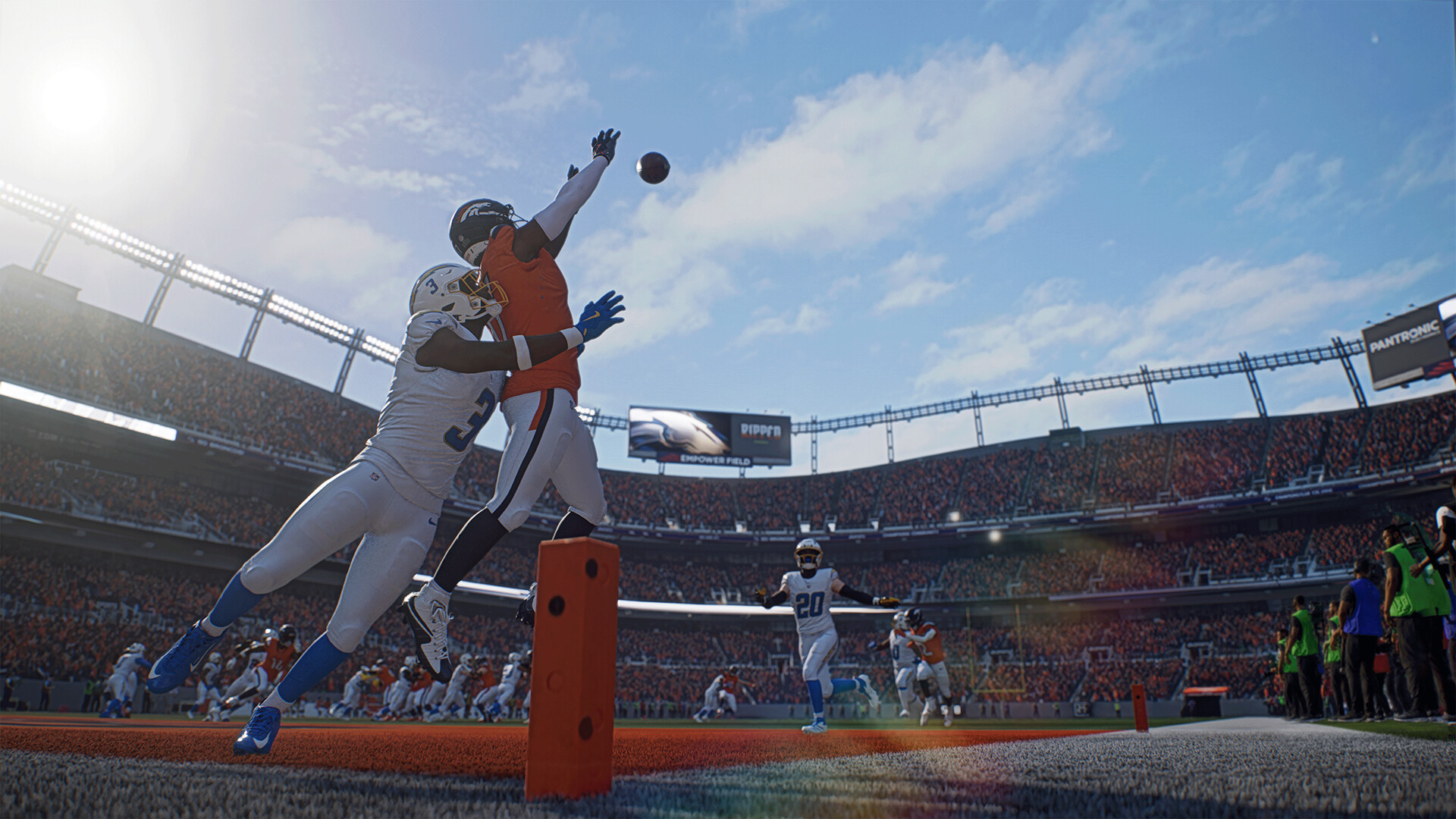
The marquee addition to Franchise Mode is the new Persona engine, which assigns each player with various traits that determine their mindset. This most clearly comes through in contract negotiations and one-on-one conversations, where you need to tailor your actions to what type of player you’re talking to, but these traits can come into play in more ways than you’d expect. Keeping a player happy makes them more likely to activate an X-factor on the field, for example, and it’s possible to make a player start a game hot or cold depending on how they react to something you do.
Persona traits can change over time
Every player has permanent traits that drive their persona, but over the course of a season, players can gain and lose some traits depending on how the season is going. A high draft pick might come to the team with a team-first mindset, but if they excel quickly, they can become more confident and demanding. There are also temporary traits that can impact players from week-to-week, especially as you near the end of a season.
Making players unhappy can lead to them holding out or demanding trades
Unhappy players often express themselves loud and clear, and there are points of no return with some players. If you can’t find the right words to appease them or help them reach certain on-field goals, you’re at risk of players holding out for more money or demanding a trade altogether. It’s tough to get out of that hole when you’re in it, so watch out for each player’s persona and make sure your actions reflect their traits.
Coach Mode gives you a new way to manage your team
Franchise mode introduces Coach Mode, which gives you as close of an experience as possible to being an actual coach on the sidelines for your team as we’ve seen in Madden. You still call plays and can make pre-snap adjustments, but when your mic is cut off at 15 seconds, you have no control over anything that happens on the field and everything is left up to the players. This is great for the strategists who want to avoid messing up their star players’ ratings with user input, as well as a nice accessibility option.
Your Superstar Sphere of Influence impacts play on the field
In Superstar mode, much of your off-field action revolves around your Sphere of Influence, which has a holistic impact on your and your team’s play. By keeping your relationships strong with your coaches and teammates, you gain access to more available plays to choose from, and your teammates are more likely to get hot quickly. These also dictate your place on depth charts and positional rotations, so you always want to keep your Sphere of Influence as strong as possible.
There’s more to keep you going long-term in Superstar
If the quest to win a Super Bowl and become a football legend wasn’t enough motivation, there is now the G.O.A.T. Journey that gives you a slew of goals to strive for in the long term. These are different for each position, but they all follow a similar pattern of reaching significant stat milestones, like career sacks or touchdown receptions, and upgrading your player to certain overall levels. As you try to extend your player’s career into a second contract or even a second decade, these goals can keep your eyes on the prize for immortality at your position.
Your Superstar can play online showdowns
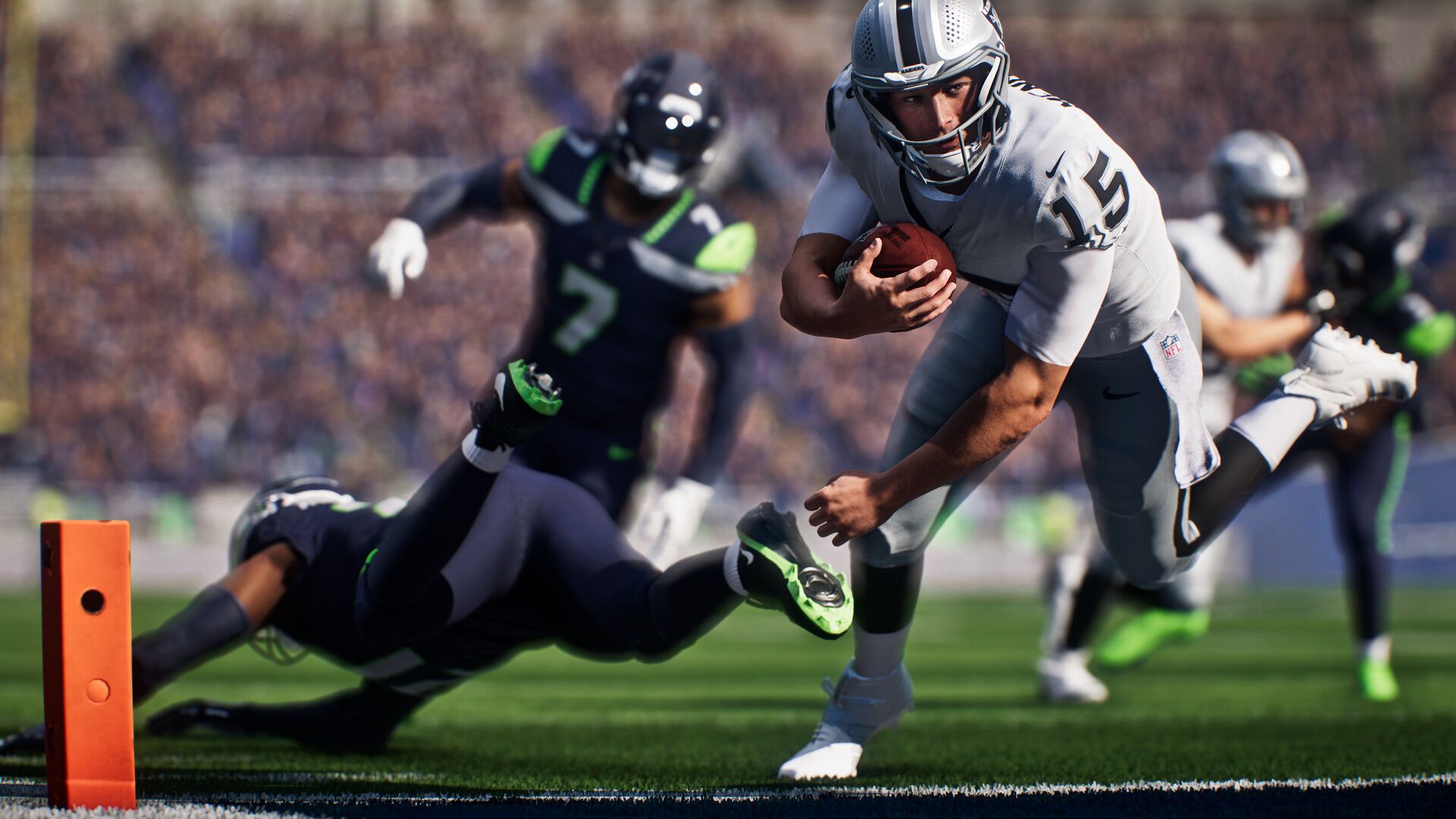
Don’t forget that your Superstar can play both online and offline. On top of your single player career through the NFL, you can play in showdowns against individual other players. EA has promised that this mode will be expanded upon in future updates throughout the NFL season, so we can hope that there will be squads and other modes added to give your Superstar a bit more of an online option.
You can carry over a Superstar from College Football’s Road to Glory
There are a lot of things carried over from EA’s college game to this year’s Madden, and that can include your create-a-character. If you played EA Sports College Football 27 and finished a Road to Glory campaign by seeing your player’s college career through to the NFL draft, you can continue that career and use that draft position as your starting point. If not, you still have the opportunity to start as a 1st, 3rd, or 5th round prospect before the NFL Combine, which ultimately determines your draft capital.
Ultimate Team has introduced skill points
Another update first seen in the college edition, Madden Ultimate Team now incorporates skill points for players and items. Upgrading players through skill points allows you to improve individual skills for individual players, and cosmetic items can be upgraded to give a player various boosts on the field. Unfortunately, as you can buy skill points with real money, it also allows EA to continue inundating this game with microtransactions.
Skill trees diverge based on archetypes
Each player fits into a positional archetype that characterize the different types of player at each position. Tight ends, for example, have to run the gamut from blocking-first to receiving-first, and the archetypes start you at different skill levels for the relevant stats depending on your archetype’s play style. These are relatively similar for each position to begin with, but the further you get in each skill tree, the more they diverge to home in on the traits that make each archetype unique.