




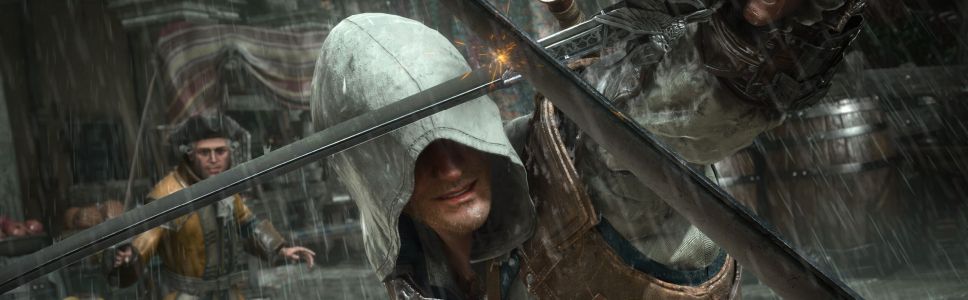
There were years of speculation and rumours, but Assassin’s Creed Black Flag Resynced is real, and we’re onto our second feature highlighting the differences between the upcoming remake and the 2013 original. While previously, we shone the spotlight mostly on visual overhauls and combat improvements, this feature scrutinises the deeper layers of systemic change that are set to reshape how the game plays. From frictionless sailing, to combat readability and advanced tools to customise your own immersion, here are fifteen more differences that set Resynced apart from the original Black Flag.
New Jackdaw Navigation Tools Streamline Sailing
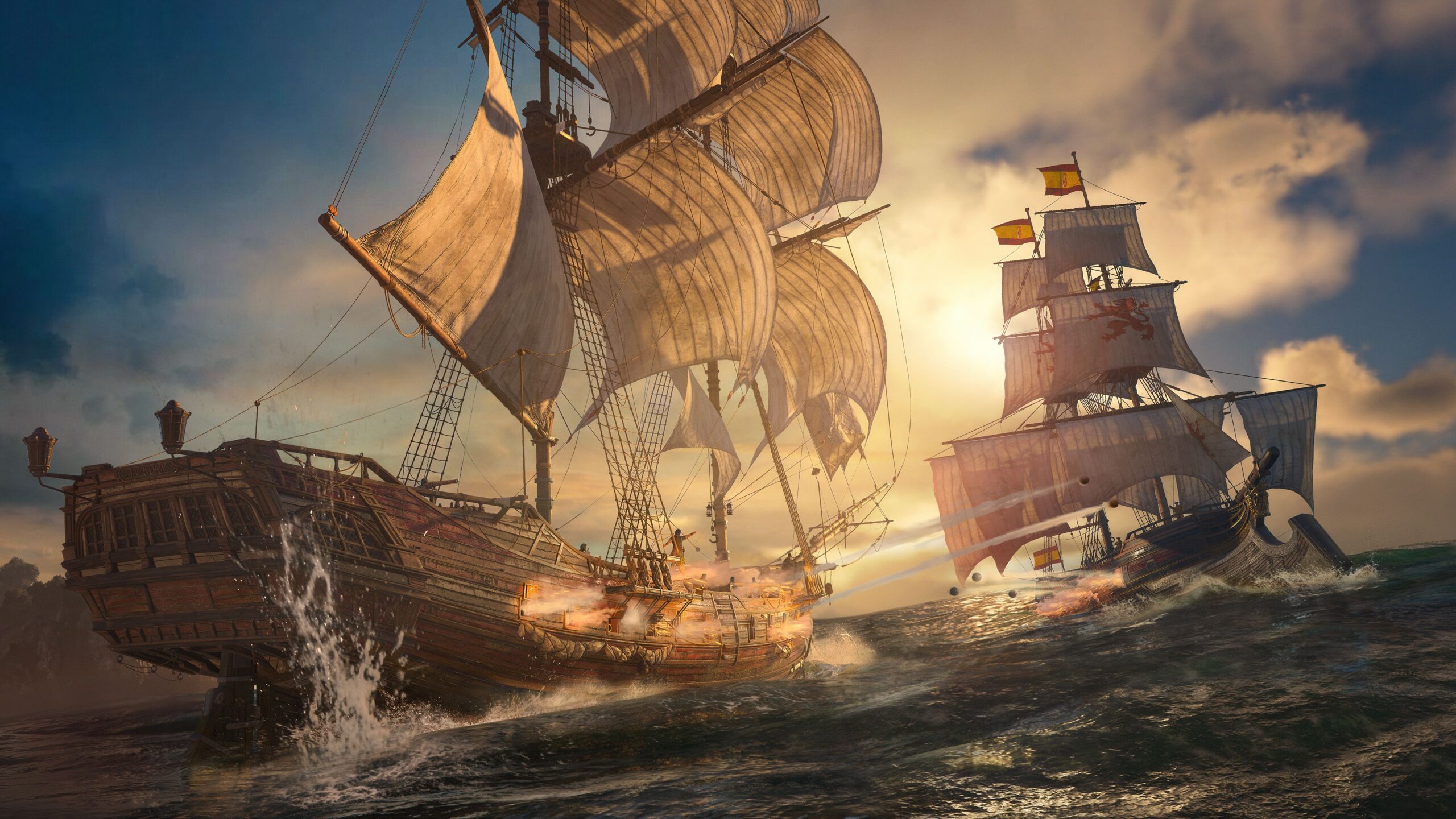
In the original Black Flag, naval traversal was an active mechanic where you’d steer the ship across the Caribbean’s open waters while relying on the map for navigation. As Black Flag Resynced introduces seamless transitions between ocean and harbour, so too a couple of new navigation tools remove Jackdaw friction further: the Pathfinder highlights optimal routes across the ocean, while Follow Sea acts as an autopilot system. Together, they’ll allow you to soak in the experience of hightailing it across the seas, keeping extra think-work optional.
New Sea Shanties Are Tied to Activities
Sea Shanties in the original game were largely collectible flavour, scattered across the world, adding to your crew’s repertoire once found. In Resynced, ten newly produced Sea Shanties not only imbue your crew’s personality further, but tie directly to quests and activities. This greater context makes their acquisition feel more meaningful, while subtle UI changes make selecting your favourite shanty a breeze.
A Cleaner, More Contextual HUD
Simpler inputs to trigger Sea Shanties are just the tip of the iceberg: Black Flag Resynced has reworked the interface into a clear, more contextual system, moving away from the original’s functional yet cluttered layout. Now, fully customisable with multiple presets, you’re able to tailor how much information is displayed on screen, grouping settings for minimal display yet maximum immersion, to overloaded clarity with clear guidance and feedback.
Expanded VFX and UI Control
And, underlining your ability to find the ideal balance between gameplay clarity and cinematic immersion is Resynced’s deeper VFX and UI customisation options. Whereas the original offered limited control over presentation, now you can tweak the appearance of visual effects like blood, or go granular with a slate of toggleable interface elements, from widgets, meters, ammo counters, and reticles, to general info, hints, and more.
Combat Readability is Fully Customisable
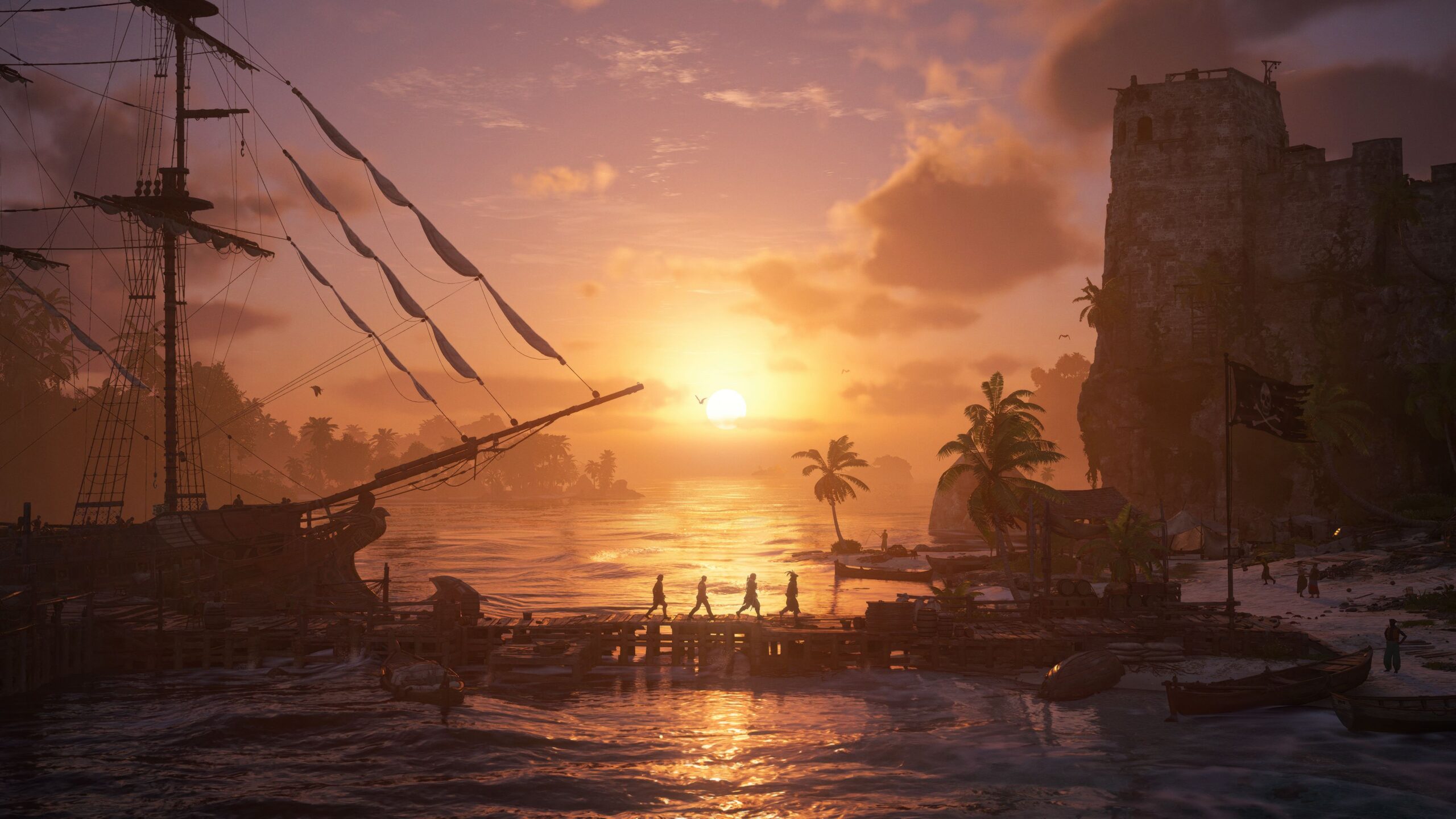
Combat readability can be tailored to your preferences in Resynced too, adding to the original’s visual prompts and UI indicators with animation-based tells. So, while enemy health and defence bars are visible when using Resynced’s default HUD, these can be disabled to shift your focus toward timing, spacing, and animations, with the latter hurling your enemy’s hat or headpiece off their head once their defensive capability is broken. Even health and defence bars were optional in Black Flag – the original didn’t make it as feasible to fight on observation and instinct alone.
New Enemy Behaviours Encourage Adaption
Where enemy encounters often grew predictable in Black Flag, Resynced is introducing all-new enemy archetypes and defensive behaviours that will react to repeated tactics. If you spam parries, for instance, enemies will begin striking with unblockable attacks, so you’ll need to consistently adapt and vary your approach, mixing attacking and defensive manoeuvres with weapons and combos to confuse enemies.
Group Combat Is More Layered
And, continuing with Resynced’s new, advanced enemy archetypes, multi-enemy encounters are now more layered as a result of different enemy roles. While fights in the original Black Flag often boiled down to managing groups efficiently, in Resynced you’ll need to place extra priority on harder-to-down targets, such as the new Demolitionist, as these archetypes possess firmer defence and a more punishing, often unblockable, attack when compared to regular soldiers.
Observe Brings Cinematic Recon
Exploration in the original Black Flag relied on Edward’s Eagle Vision for environmental awareness. Resynced, instead, borrows from Assassin’s Creed Shadows by introducing the Observe feature, a more finely tuned tool which allows you to scan Edward’s surroundings for clues and objectives alongside tagging guards and other targets. Furthermore, Observe tightens the camera into Edward’s line of sight, bringing a more cinematic, immersive framing as you survey the landscape for minute detail.
Fort Infiltration Uses a Morale System
In Black Flag, conquering forts typically meant eliminating enough enemies to trigger a surrender. In Resynced, this scenario is replaced with a dynamic morale system, requiring you to destabilise a fort’s defenses enough to lower their resolve enough to draw their commander out for a final confrontation. The end result is the same, you’ll claim the fort as your own, but the process of killing its commander makes each stronghold in your collection feel more earned.
Boarding Brings More Risk Versus Reward
Whilst bringing more control and precision over the act of getting your boots onto enemy decks, Resynced also eschews the original Black Flag’s largely straightforward boarding process by introducing deeper risk versus reward scenarios. Now, enemy crew numbers and aggression varies between vessels, while more lucrative rewards are found in the new Captain’s Lockbox, located exclusively aboard larger ships like Frigates and Man O’ Wars. Opting to pillage the Captain’s private stash forgoes the option to repair your ship or lower your wanted level, and you’ll also want to consider the knock-on effect on your own crew numbers and future opportunities too.
Some Ship Management Has Moved On Shore
Originally, many ship-related functions were handled directly from the Jackdaw’s Captain’s Cabin. However, in Resynced, many of these systems have moved on shore to the Harbourmasters. Purchasing upgrades, restocking weapons, and trading cargo must now be handled in port, shifting your resource management decisions toward something more strategic.
Harbours Take On Greater Gameplay Significance
And, with more systems now tied to them, harbours in Black Flag Resynced are no longer simple stop-off points. Their increased importance changes how you plan voyages, influencing how often you return to port, and how to structure the pace of your naval expeditions.
Exploration Is More Guided Than Ever Before
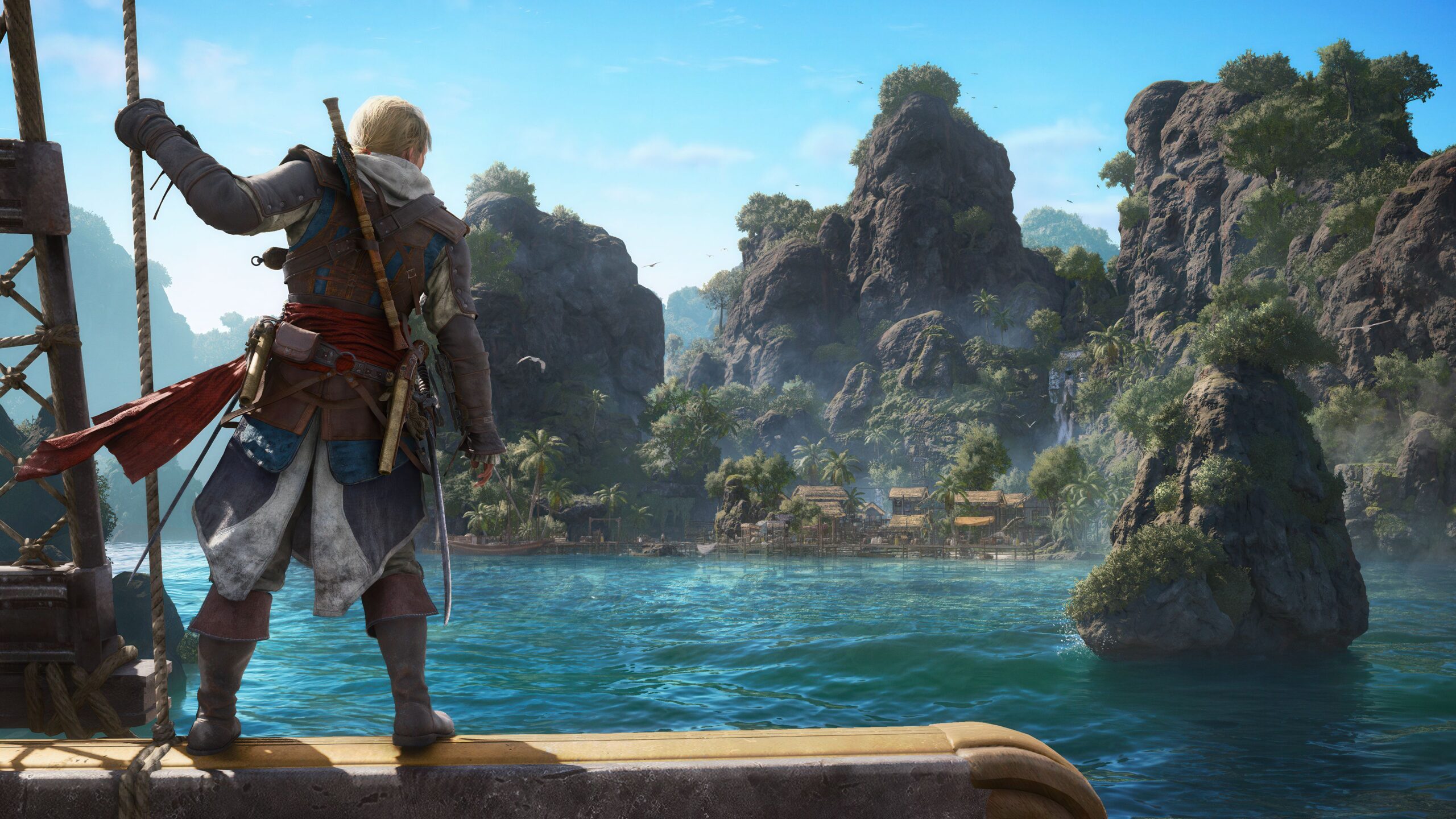
While the original Black Flag encouraged a more organic approach to discovery, often leaving you to stumble upon points of interest, Resynced leans into a more guided exploration structure. The thinking behind this, presumably,is to increase your efficiency if you so choose – through Observe and the enhanced UI tools outlined in this feature, you should be more easily able to identify objectives and opportunities. Although, as we’ve already pointed out, the UI can be customised to loosen Resynced’s more structured approach if you desire.
Systems Feel More Interconnected
Resynced’s suite of expanded systems interlock more tightly than Black Flag, where its mechanics often felt like they operated independently. These expansions, encompassing morale-based encounters to adaptive enemies and customisable HUDs, are interwoven to present a more cohesive gameplay loop.
Immersion Is In Your Control
Ultimately, where Assassin’s Creed 4: Blag Flag brought a fixed balance between cinematic presentation and gameplay clarity, Black Flag Resynced gives you that control instead. Through all the various customisation options and systemic changes highlighted throughout this feature, there is one key takeaway: in Resynced, you can shape your own experience. Be it in true, uninterrupted immersion, or a guided adventure, the remake gives you the tools to choose your degree of realism, readability, and cinematic flair.