





While fighting games thrive on strong mechanics, distinct characters, and competitive depth, Avatar Legends: The Fighting Game also looks to style the genre’s regular staples with exhilarating, movement-based action. Blending elemental bending straight outta the anime series with the nuts and bolts of traditional fighting games, studio Gameplay Group International promise a mix of accessibility and depth for both newcomers and veterans alike. Without further ado, here’s fifteen things you need to know before you buy.
A 2D Fighter With Characters From the Avatar Legends Franchise
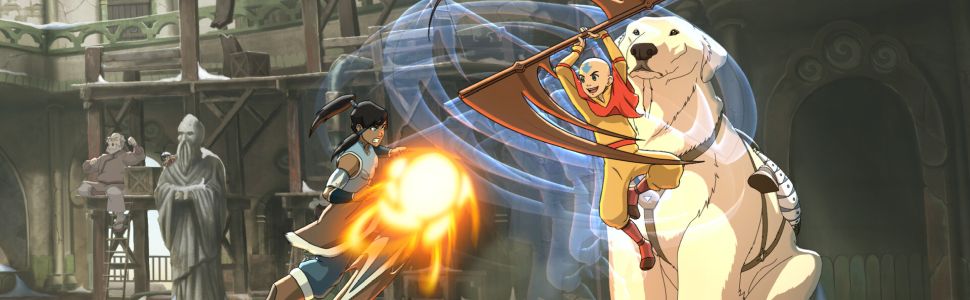
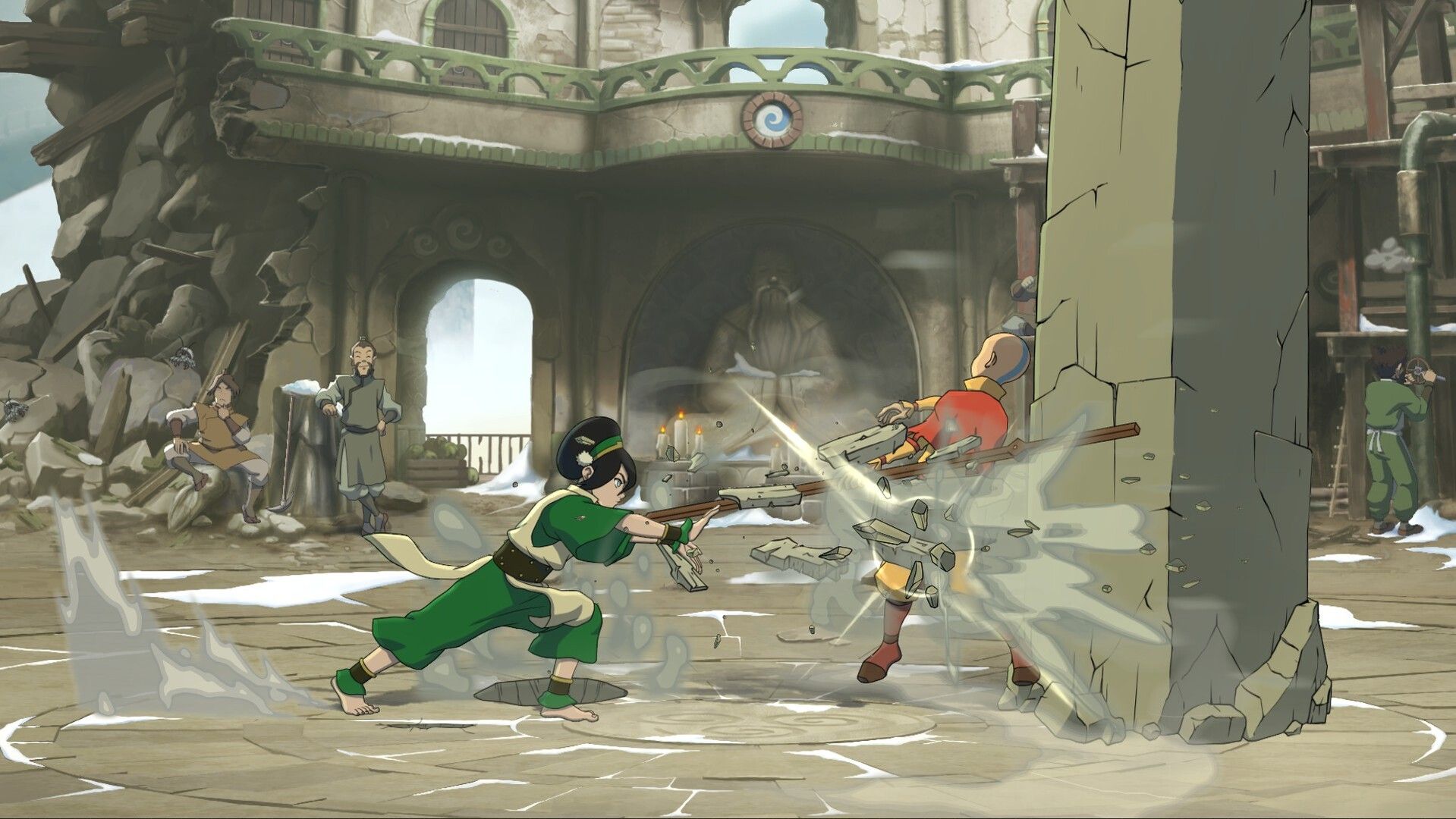
Set within the storied anime franchise Avatar Legends, where nations are characterised by a certain element – fire, earth, water, air – this upcoming 1v1 2D fighter is hand-drawn, styled to mirror the expressive animation of the series. Set specifically between shows’ The Last Airbender and The Legend of Korra, Avatar Legends: The Fighting Game mixes classic mechanics with fluid movement and modern control schemes in an experience the devs say is designed for both newcomers, Avatar fans, and fighting game veterans alike.
Combat Revolves Around a Flow Mechanic
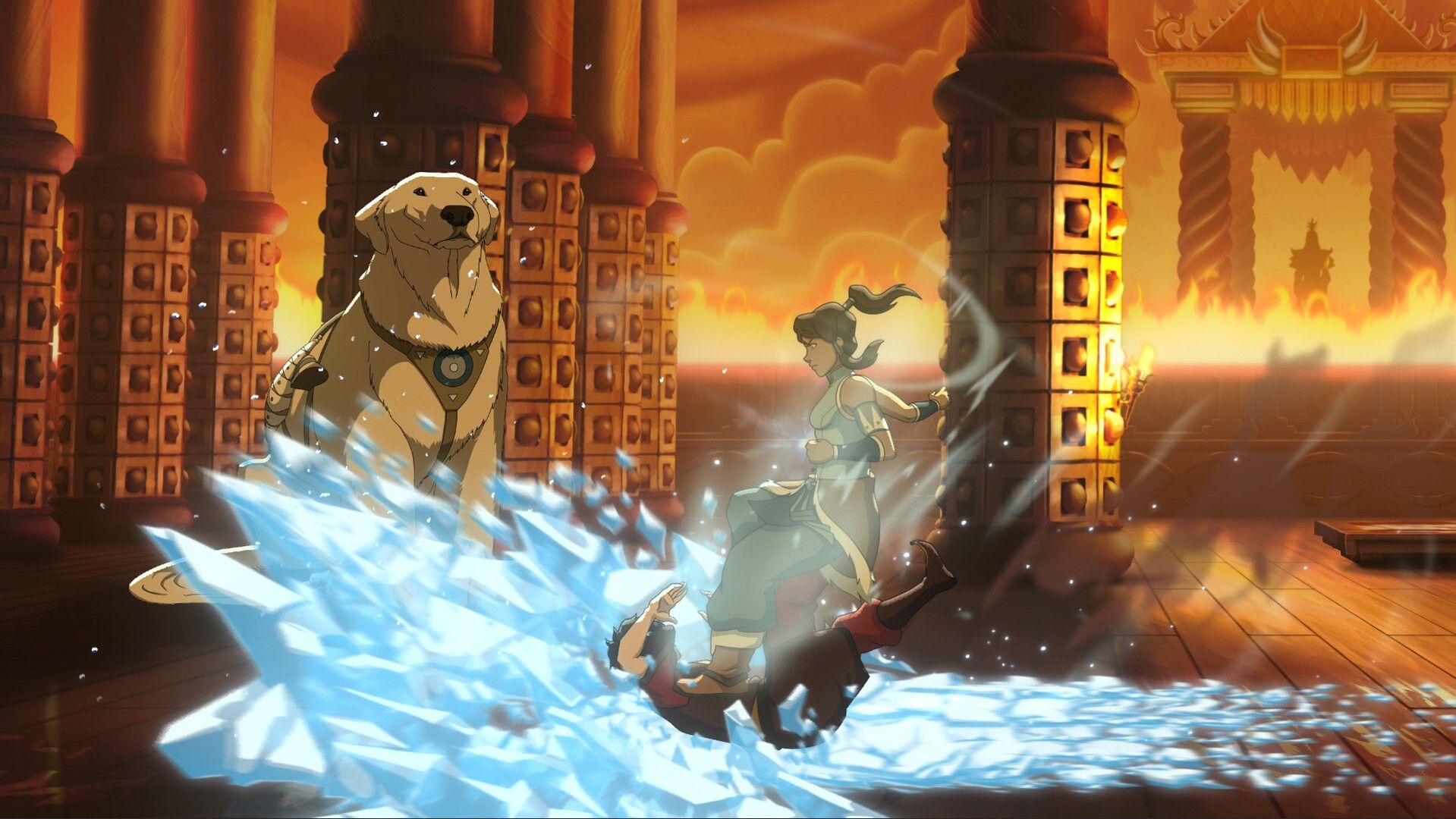
At the core of Avatar Legends: The Fighting Game’s combat is the Flow Mechanic, a system designed to showcase your character’s agility through a suite of evasive and defensive counters. So, alongside inputs for light, medium, and heavy, the dedicated Flow button brings a wide range of movement options: from auto guards and auto parries, to extended dashes across the ground and through the air. Character-specific manoeuvres can be chained together with basic inputs, encouraging you to master each fighter’s individual moveset.
Manage Chi to Maximise Flow
So, as you’ll probably have guessed: Flow isn’t an infinite resource – you’ll need to spend Chi to execute its varied manoeuvres, defensive capabilities, and combo extensions. But, unlike other fighting games, Chi doesn’t charge when you deal or take damage. In fact, you’ll begin every round with your Chi meter fully charged, with it regenerating passively throughout each bout. With guarding and evading integral to Flow, the idea with Chi, it seems, is to always make sure you have some in reserve. You don’t want to get caught Chi-less, else you’ll enter an “unbalanced” state whereby you’ll be locked out of Flow Mechanics.
Auto-Combos Welcome Beginners
Flow’s universal auto-parry isn’t the only automatic mechanic available to you, but auto-combos are built into the default four-button control scheme enabling beginners to get to grips with stringing multiple attacks together easily. Fighting game veterans will want to chain combos together manually, as auto-combo damage output is scaled significantly, meaning they deal far less damage than traditional combo chaining. Still, baseline damage is respectable, making auto-combos a worthwhile learning tool.
Twelve Characters in Launch Roster
Yes, on launch, Avatar Legends: The Fighting Game features twelve playable characters, each bringing unique bending abilities, personalities, stances, variations, and playstyles – ensuring they feel distinct not just in visuals but in how they control. The devs have poured their knowledge of the franchise into each character’s moveset, basing much of their fighting prowess on their in-show background. Whether you pick your favourite character from the franchise as your main, or you opt to experiment, you’re sure to find a style that suits you.
Certain Characters Bring Multiple Fight Modes
Some fighters add an extra layer of depth through stance or mode switching during bouts. Azula, for instance, can transition between a precise, calculated Focused Mode and a more aggressive Firelord Mode, while Zuko can swap between his specialised firebending and a dual broadsword style. One on hand, these shifts are emblematic of character backgrounds, but in-game they can dramatically change your options for movement, delivering pressure, and strategy.
Primary Fighters Bring a Support Character
Alongside your chosen fighter, you’ll also choose a support character from a pool of three who’ll influence your main’s fighting style whilst also granting distinct special moves. Aang’s support character Gyatso, for instance, offers better Air Scooter speed control, while Korra’s support Raava grants longer Avatar States. These allies, effectively, let you customise your playstyle beyond your chosen character, adding a layer of team synergy without turning the game into a tag fighter.
Benders and Non-Benders Alike Are Balanced
To keep the roster balanced, the dev team imbues non-bending characters with unique skills. Instead of spiritual, elemental abilities, they’re outfitted with weapons, traps, and other tools, as well as specialised “Chakra Arts” that’ll give them distinct advantages over their bending counterparts. Faster Chi recovery is another boon for non-benders, allowing them access the benefits of Flow State more readily, to continue adding pressure while offsetting the power of elemental bending.
Story and Arcade Modes Available
Avatar Legends: The Fighting Game ships with a solid range of modes. A narrative-driven Story Mode sits alongside the more traditional Arcade ladder. Elsewhere, a versus option covers both online and offline play. Training and spectator modes round out your options, ensuring there’s something here whether you’re learning the ropes or just watching high-level matches play out.
Online Supported By Rollback Netcode
It’s a given with modern fighting game standards that online functionality is supported by rollback netcode, and Avatar Legends: The Fighting Game is no different. Rollback netcode will keep matches responsive, even across long distances. Meanwhile, full cross-play means you can play against anyone, regardless of platform. Finally, both ranked and casual matches are available, catering to competitive grinders as much as those after a more laid-back brawling session.
Robust Training Mode Included
For both newcomers and those looking to dig deeper, Avatar Legends: The Fighting Game ships with a robust training mode which offers a comprehensive suite of practice tools, including visible hitboxes, detailed frame data, and the ability to save set states. Precise practice sessions and experimentation are catered for alike, making it easier to learn and perfect character dynamics, optimise combos, and understand the game’s finer mechanics beyond surface level ease.
An Art Gallery is Also Included
Signalling a deep affiliation with the source material, Avatar Legends: The Fighting Game also includes an Art Gallery, celebrating the legacy of the Avatar universe. Featuring original artwork from the show, it offers a more relaxed way for series novices and fandom alike to engage with the world and its characters.
Release Date, Platforms, and Price
After a string of delays and reschedules, Avatar Legends: The Fighting Game is set to release on July 23rd, with PlayStation 5, Xbox Series X/S, and PC the official launch platforms. Nintendo Switch and Switch 2 are incoming at a later date. The game’s Standard Edition is priced at $29.99, with a Deluxe Edition retailing at $49.99.
Deluxe Edition and Pre-Order Bonuses Overview
Expanding on the Standard experience, Avatar Legends: The Fighting Game’s Deluxe Edition includes a full digital artbook, a digital copy of the soundtrack, and the Year 1 Pass which adds an additional five playable characters at a later date. If you pre-order the game, you’ll receive an exclusive Samurai Appa character skin, exclusive colour variants for a handful of characters, and the offer to vote on which DLC character you’d like to see appear in Year 1.
PC Requirements
To play Avatar Legends: The Fighting Game to a suitable level on your PC, you’ll need the following hardware: an Intel Core i5-7500 or AMD Ryzen 2600 CPU, and an Nvidia GTX 970 or Radeon RX 570 GPU.