





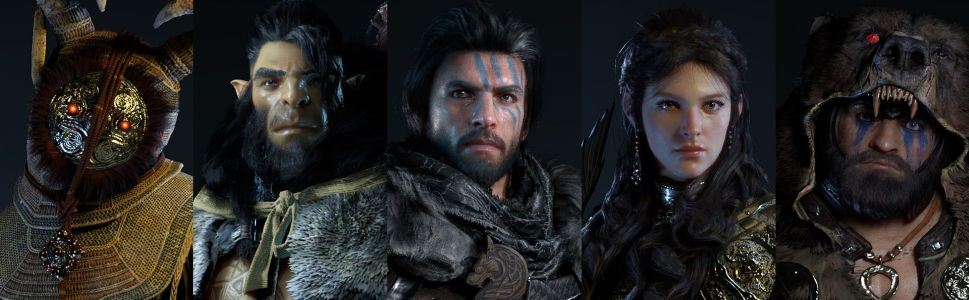
If marketing footage, developer showcases, and early previews are anything to go by, Crimson Desert is shaping up to be one of the most intricately designed open worlds we’ve ever seen. The upcoming action adventure is packed with interlocking systems and environmental interactions that go way beyond surface level. From hyper-realistic animations of mundane activities to deep physics simulations and impressively detailed lore, here’s thirty mind-boggling examples of attention to detail in Crimson Desert.
Every Resource Gathering Has Its Own Animation
It’s often too easy for resource gathering to boil down to pressing a button and watching something magically appear in your inventory. Not so with Crimson Desert, where a tactile approach to every gathering activity yields a specific animation. Whether you’re swinging a pickaxe to mine ore, chopping wood, or harvesting crops like corn, each interaction is an opportunity for the game to showcase your physical effort.
Cooking is Surprisingly Deep
Cooking isn’t just a menu-based buff system. No, Crimson Desert treats food preparation with care, where gathering foodstuffs, cooking them up, storing, and eating is a fully animated process. Recipes can be discovered via collectible cards scattered throughout the world, while each meal grants specific benefits. So, not only is this another incentive to explore, but it’s a vital system which supports gameplay progression.
NPCs Operate on Routine
Years ago, Shenmue established NPCs as regular townsfolk, each with jobs, responsibilities, and daily routines. Now, Crimson Desert is poised to bring this idea to its fullest realisation yet. The denizens of Pywel operate on their own accord, moving through the world, reacting to your actions, and interacting with each other in believable ways. They’re not static quest givers, but living, breathing people who’d still go about their business whether you were present or not.
Animals Behave Differently (Like Real-Life Animals)
Like Crimson Desert’s human NPCs, the animals you encounter on the continent – whether wild, farmed, or domesticated – operate on their own behaviours, with your interactions mirroring their traits. Cats can be petted, can be cradled, farmed pigs can be carried, and so on. A quirky detail has surfaced which indicates even specific breeds of animals offer unique encounters. It has been suggested that brown chickens can be gently held in your arms, whilst white chickens can only be carried by their feet. It’s oddly specific, sure, but it points to the developer’s dedication to crafting a believable world that it feels plausible.
Crafting and Repairs are Fully Animated
Like resource gathering, cooking, and animal interaction, of course Crimson Desert’s crafting and repair systems are going to feature bespoke animations too. See, there’s nothing more jarring than a single input and whoosh, a new sword conjures out of thin air. Arguably less subtle than chicken carrying, the attention the developer has given crafting, repairs, and the host of other hands-on activities has all been to maximise immersion. Individually, they don’t amount to much, but collectively these attentions’ to detail will be a key factor in selling believability.
Combat Animations Reflect Direction of Impact
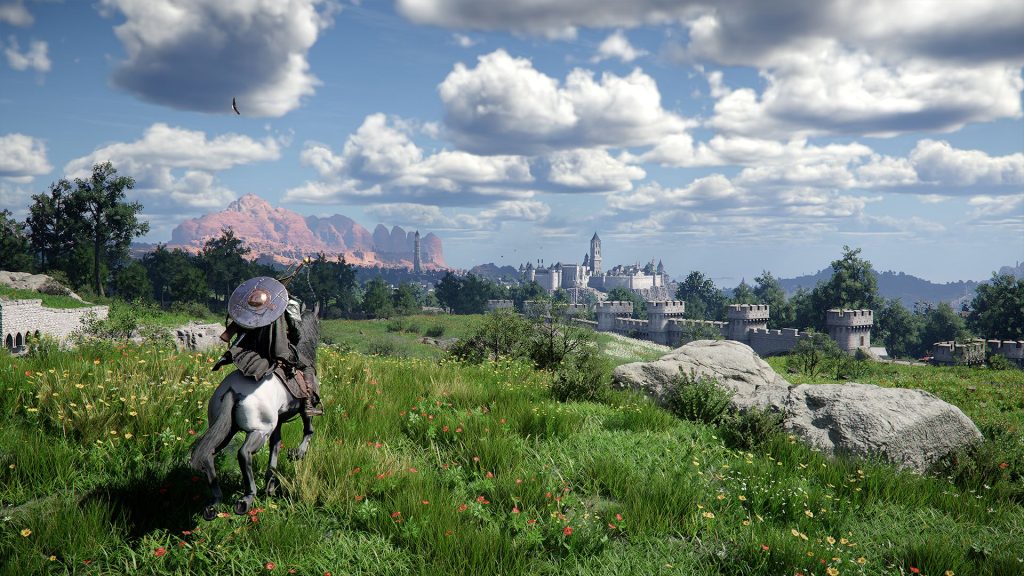
In combat, your enemies won’t simply absorb damage and stagger but will recoil according to the direction they’ve been attacked. Physically tied to incoming strikes, whether an enemy is hit from the front, back, or side the force will push them the opposite way. Directional impact animation isn’t a revolutionary feature, but during the franticness of largescale skirmishes it’d be easier for the developer to overlook this detail.
Enemy Reactions Chain Together
Expanding on the point just raised, one of the most impressive examples of enemies recoiling with direction comes when, during the heat of battle, Kliff pushes an assailant. This opponent is hurled backwards, colliding with another soldier’s horse. Startled, the horse bucks violently, flinging its rider through the air. This is an excellent example of unscripted physics merging together, producing a realistic,surprising interaction.
Horses Run Free
This is another observation made during one of Crimson Desert’s battle scenes. Look closely through the mayhem and you’ll spot war horses running without a rider. Whilst this might not initially seem significant, if you think about how the horse has ended up riderless; its rider, of course, has been downed during the fight making the horses solitary galloping more meaningful. Yes, horses will bolt when scared, but there’s also a story behind it showing that Crimson Desert’s lifecycle continues even in the microcosm of battle.
Horse Movement is Weighted and Physical
Horse traversal isn’t just about transferring from one place to the next at speed. Mounts in Crimson Desert move differently depending on the terrain, incline, their momentum, and direction. Galloping uphill slows their pace and wears them out, while turning sharply carries noticeable weight transfer. These physical responses make riding feel authentic; action you’ll need to continually engage with.
Environments Have Destructability
Pywel’s environmental objects aren’t static set dressing. Stonewalls can crumble, trees can be destroyed, watchtowers can be levelled. In fact, most structures appear to exhibit destructability to some degree, from colossal castle strongholds (more on this in the next entry) to wooden carts which will splinter into bits on contact.
Siege Weapons and Physics Interactions
Large scale combat sequences show siege weapons which appear to physically interact with structures and the environment at large. Watching massive projectiles collide with fortifications adds a layer of spectacle, sure, but destructibility of this ilk expands strategic choices too – cover can be destroyed, structures can be flattened, entryways can be created, and so on. What’s more, broken objects and debris remain in the environment for the remainder of the battle.
Debris Depends on How Hard You Hit
Sticking with destructibility for another entry, as this mechanic highlights the intricate lengths the developer are willing to go to make the bridge between reality and video game fantasy as small as possible. Those destructible structures and items we just highlighted? Well, the amount of debris that’s left depends on how hard you hit. So, let’s take a wooden gate for example. Slicing it with your sword might yield shards of wood, whereas smashing it with a great hammer could send entire chunks of wood flying.
Terrain Reacts to Combat
Fighting in Crimson Desert is swift, freewheeling, and complex, but the location you engage in battle sells the visual experience as much as the depth of manoeuvres. Scrap in the desert and you’ll kick up plumes of dust and sand, while grassy plains see blades of grass part and ripple around your movements.
Equipment Stays Wet After Water Exposure
Should you dive into a river or get caught in heavy rain, your clothing and equipment won’t instantly dry. Fabrics and materials stay visibly wet for an extended period of time. Like most entries on this rundown, this one’s only minor but it’s another tick next to realism. What’s unclear at this stage, although wouldn’t be surprising, is if your clothes dry quicker in the sunshine.
Water Physics are Remarkably Detailed
And, beyond clothes staying wet, we have water itself which behaves convincingly across a string of environments. Waves lap against the shoreline – with noticeable tide marks on coastal rocks – rivers flow dynamically through the landscape whilst rainfall visibly interacts with surfaces. What we’re hoping you’ll get from this feature is how all this detail isn’t just for a studio to flex its proprietary game tech muscle, but to make sure environments feel alive however the technology allows.
Fire Spreads Naturally
Fire propagates through combustible constructions, materials, and surroundings. Case in point: should a wooden outbuilding catch aflame, the fire will likely spread organically to surrounding grassland. This sort of system confirms a very real connection between your actions and the effect they could have on the environment. Whilst not likely to affect narrative, you at least get the sense that your behaviours carry consequences.
Fire Changes Structural Properties
Sticking with fire as this is the best example of this happening, although we can’t rule out other environmental hazards reshaping the landscape beyond aesthetic changes. What we’re getting at with this one relates to one specific report of a wooden gate which initially couldn’t be smashed down, even while it was burning. It was only afterwards, when the materials were reduced to smouldering embers that the structure was weak enough to charge through.
Arrows Can Be Lit Manually
Yes, more fire. You’ll be able to light the tips of your arrows if you hold them over an open flame such as a brazier. Once lit, these arrows become more devastating ammunition, or tools to ignite flammable objects throughout the environment (and spread fire across the landscape if your arrows are wayward). Fundamentally, anything burning across Pywel can be used tactically, pragmatically, or for fun – sometimes you just want to watch the world burn.
Night-Time Is Properly Dark
Like, medieval dark. Many open world games might artificially brighten their night-time environments to maintain visibility. Crimson Desert, instead, embraces realistic darkness. You’ll need a light source – and from footage shared by the developer it seems your mount can carry some sort of torch, at least – because without it you’d be hard-pressed to see your hand in front of your face. In other words, night-time might be genuinely difficult to navigate, making firelight more meaningful than in other games.
Weather Systems Affect Visibility
Heavy rain, fog, and storms don’t just make for inclement conditions, but can alter visibility and atmosphere across the landscape as a whole. Mist will cling through valleys, rain reduces sightlines, while snow and ice turns traversal into a biting war of attrition. Ranging from subtle all the way to expedition ending, you’ll need to keep an eye on the weather as it moves in real-time; it is poised to shape your approach to exploration and combat alike, not through survival-like thirst or hunger mechanics but in stamina, patience, and perseverance.
The World Map is Enormous
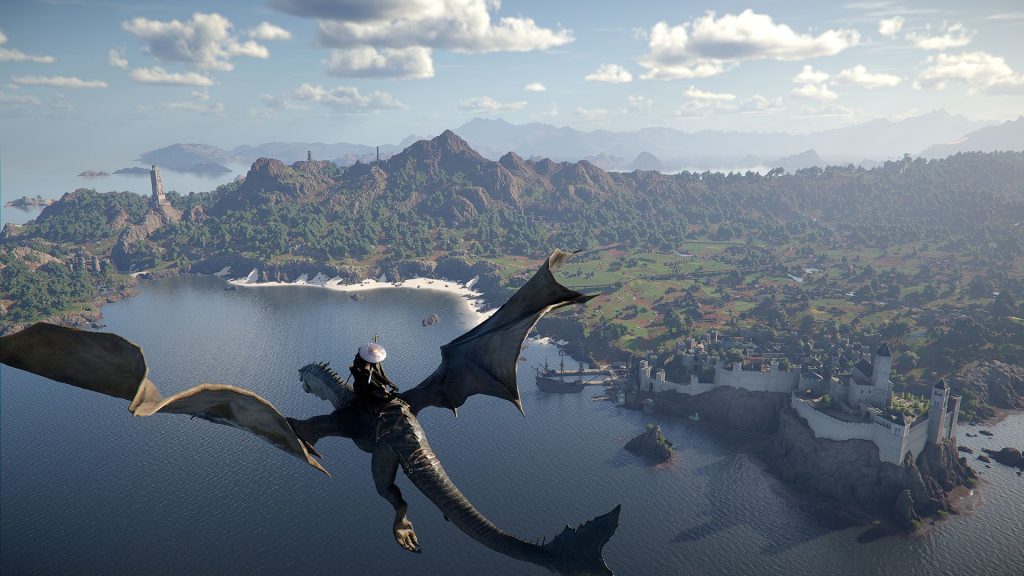
Although still unconfirmed, reports are circulating that Crimson Desert’s continent of Pywel is ginormous. To put it into context, rumours suggest it’ll be twice the size of The Elder Scrolls V: Skyrim. If true, it could take approximately two hours to cross by horseback. Now, scale doesn’t guarantee quality, of course, but we’re including it in this rundown because one: that map size is definitely mind-boggling, and two: the game’s presence of interlaced mechanics and systems means that gameplay depth will scale across vast distances, and that’s an exciting prospect.
Almost Everything is Climbable
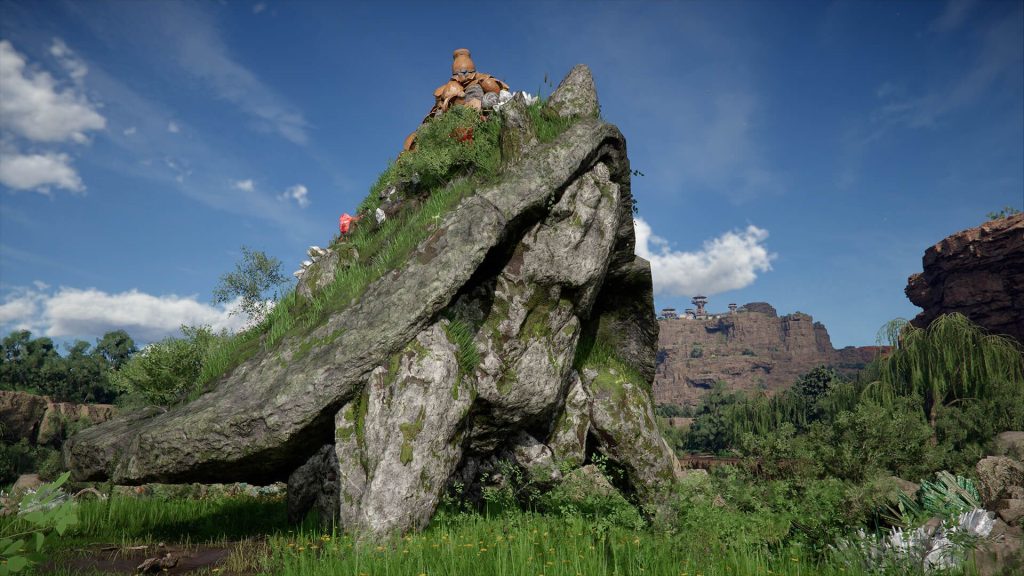
Yes, the developer has confirmed that nearly everything – every wall, tower, cliff-face, or mountain – will be scalable. And, in case you hadn’t noticed, there’s no yellow paint to show you the way like in so many other open world games. This means that climbing is properly integrated into the world. You’ll not be guided, yet with a raft of man-made structures and natural formations you’ll have near-limitless opportunities to experiment. This one’s especially mind-blowing when you consider the mountain in recent climbing game Cairn had its structure practically hand-crafted by the studio to ensure navigational freedom. Given the scale of Pywel, it’s unlikely the developer has undergone the same process. It’s intriguing to see how climbing will actually work once you get yourself to the foot of a sheer rockface.
Distant Objects Are Highly Detailed
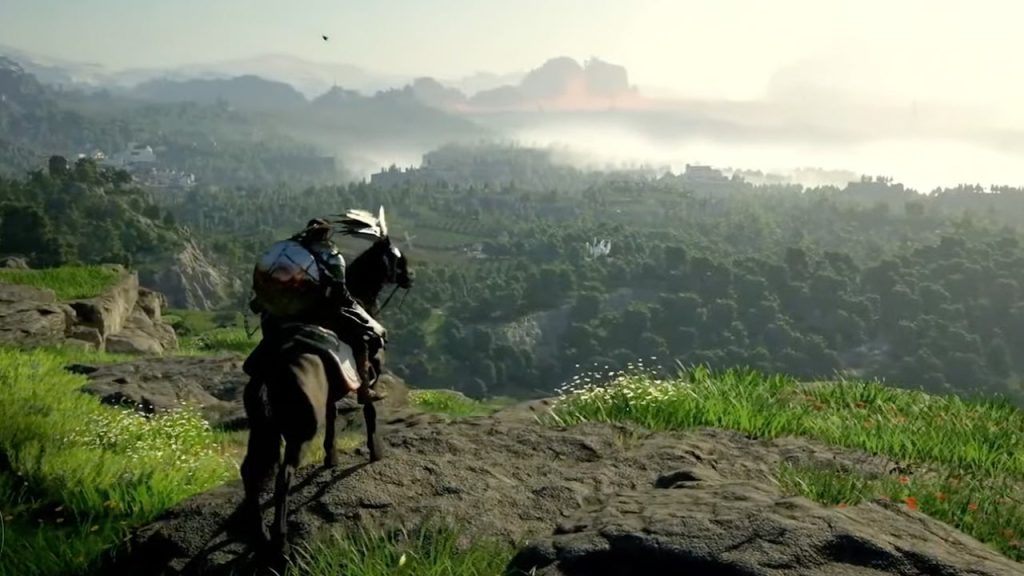
Technical analysis from Digital Foundry noted that even faraway objects retain impressive levels of detail. Forests and farmland, structures and settlements, these all remain relatively convincing at long distances, pointing to a world which feels cohesive and vastly explorable. If you can clearly make out something interesting in the distance, you’re going to want to go there.
Faction Territories Can Be Reclaimed
Sure, at face value this one isn’t a miniscule detail. Heck, it isn’t even all that unique given STALKER 2 presents the same contested territories that can be cleared for your own gain. What Crimson Desert does that’s relatively unique is once antagonistic factions are uprooted, these locations don’t stay hostile. No, normalcy appears to resume, with ordinary townsfolk moving back in to reclaim their lost space. Fishermen repurpose the riverside in believable ways, farmers return to pasture, villagers recommence trading, and more.
The Knowledge Base is Massive
So, again, not necessarily a tiny detail but, potentially, thousands of tiny details all rolled into one codex. We’re operating on speculation again, but reports are emerging that the in-game knowledge base contains nearly three-thousand entries. From wildlife, to events, locations, and enemies encountered, should this one turn out true then the sheer volume of information will certainly flesh out the world, if not make seeing everything feel insurmountable.
Clothing Reflects Regional Identity
Each of Pywel’s five countries has their own distinct culture, geopolitics, and wealth distribution, so it’s expected that NPC attire will change depending on their home region. Yet, operating on a micro level, individuals within specific regions will wear clothing that reflects their background and occupation.
Character Customisation is Incredibly Granular
If you’ve not guessed it by now, Crimson Desert likes to go deep. Character customisation exemplifies this beyond most of the systemic attention to detail this feature has highlighted so far. Going well beyond basic presets, colour palettes alone appear to offer dozens of shades for each piece of clothing and armour, with a range of materials to boot. Want your tunic to be a precise shade of red? Chances are Crimson Desert will let you finetune it.
Clothing Material Rests Realistically
How many times have you customised your character’s attire, only to find their clothing clipping into their back-mounted shield? Through Crimson Desert’s proprietary game engine, specific attention has been placed on how different clothing materials react and rest against each other. Your cloak surrounds your undergarments, and your armour sits realistically underneath your holstered sword. This tech extends to hair physics too, as hair flows true-to-form depending on movement speed and wind direction.
Abyss Artefacts are Richly Detailed
We’re including this one simply because they look so rich. Crimson Desert’s artefacts are progression-based collectibles, falling from a mysterious realm overhead as rewards for the end of quests or to be discovered out in the wilds. Holding one in your hand reveals intricate detail; ancient scripture, weathered edges, and texture. The detail in these items hints at a forgotten history; a deep lore begging to be rediscovered.
The Economy Evolves Independently
Rather than reacting directly in response to your behaviour, Crimson Desert’s in-game economy reportedly shifts over time based on systemic factors. It appears that the market will fluctuate independently, whether you’re progressing through the world or not. Look at it this way: this is an example of the game’s living world that isn’t tangible. You can’t hold it in your hand, have a conversation with it, or influence its direction for your own ends. Pywel is a place with autonomy.