






Crimson Desert’s launch response is something that happens all too often in the world of video games. While critics and players alike did have a lot of nice things to say about it, it was hard to ignore glaring issues that held it back from true greatness.
We loved what it did with its open world, and have been spellbound by Pywel’s ability to make us willing participants in its endless distractions. However, that doesn’t mean we didn’t see room for improvement, and thankfully, the developer has taken all of the criticism in its stride.
It can be all too easy for a great game to crumble under the weight of issues that creep up during its launch. For a title like Crimson Desert, that would certainly be a pity, but we think that isn’t going to be the case. We believe it’s going to join the ranks of some rare titles that shook off a sluggish start to rise to unparalleled heights, their true potential shining through courtesy of some timely interventions from their developers.
Make no mistake, Crimson Desert’s launch problems are real, but we think they’re going to be minor footnotes in an epic story of redemption thanks to the developers fixing things quickly enough to make the game’s many upsides suddenly seem a lot more achievable. Why do we think so? Join us and find out!
The Beast’s Teething Troubles
Let’s begin with what’s been called out by players and critics, even as they praised all the good stuff that Pywel has to offer. Its controls drew flak for being a tad too complicated for most player’s tastes, while input friction and a general lack of effort towards smooth onboarding were all valid complaints that had many players struggling to make sense of its early hours.
Its UI was similarly seen as complicated despite some clever ways to make navigating its many menus conveniently being present in the game.
For a new game, and one as ambitious as Crimson Desert, these were massive roadblocks to the high interest that the game had garnered over its development, and a potential deterrent to people waiting to see what others were saying about it before diving in. Despite this, the game’s potential saw it achieve strong sales even as its Steam reception was mixed at best.
But for those who’ve stuck with it, it’s definitely a fun experience that is already beginning to show a lot of depth to its open world and combat. But how has the developer chosen to respond to what’s not working out with the game?
A Well-Timed Response
With humility and grace, as it happens. The studio has been quick to get in front of Crimson Desert’s issues, taking just two days after its release to address concerns and assuring a swift and prompt response to valid complaints about the game.
It can be easy for any studio to mistake denial for defense in such situations, considering the amount of hard work and spirited dedication that goes into making a title of this scale. It’s evident in how Pywel has managed to capture its fair share of players who swear by its potential as an open world that deserves a place among the best ones in the genre.
Two days after its initial statement, Patch 1.00.03 arrived, addressing specific complaints such as keyboard and mouse mapping-related issues, the lack of dedicated storage for collected loot, the lack of sufficient fast-travel points, and a whole lot more for the game. The Patch 1.00.04 hotfix for PlayStation was released on the same day. It’s a long list of fixes that we’re going to look at in just a minute.
That these patches were rolled out as soon as they were is significant, as it showcases intent and an ability to respond on the fly, facets of a developer’s ability to change the mood around a game in an industry where players move on to other titles much too quickly. It also showcases an ability to take criticism constructively, an aspect that should receive due consideration in the face of responses to similar situations from other studios, with MindsEye immediately surfacing as an example.
Overall, the quick response to player complaints is good news for Crimson Desert. But are these changes enough?
The Right Changes At The Right Time
It’s time to dive deeper into what the patches have brought to the game and why they matter. They’re more than just routine fixes for bugs since they target issues that have been adversely affecting the moment-to-moment gameplay.
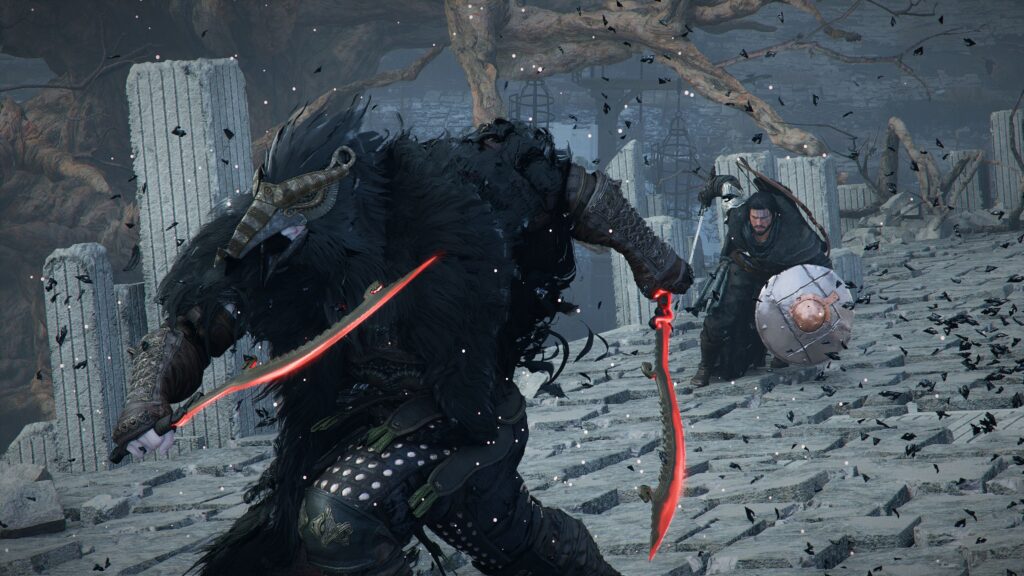
Let’s start with improvements to the controls. Yes, they did feel a tad too clunky for comfort when we first stepped into Kliff’s shoes, especially with a keyboard and mouse. We did feel that they took some time to get used to as we soldiered on through the game’s early hours. The jump responsiveness, in particular, was a sore spot for us as we attempted to work with an already challenging gameplay loop that made navigating the world a part of its charm.
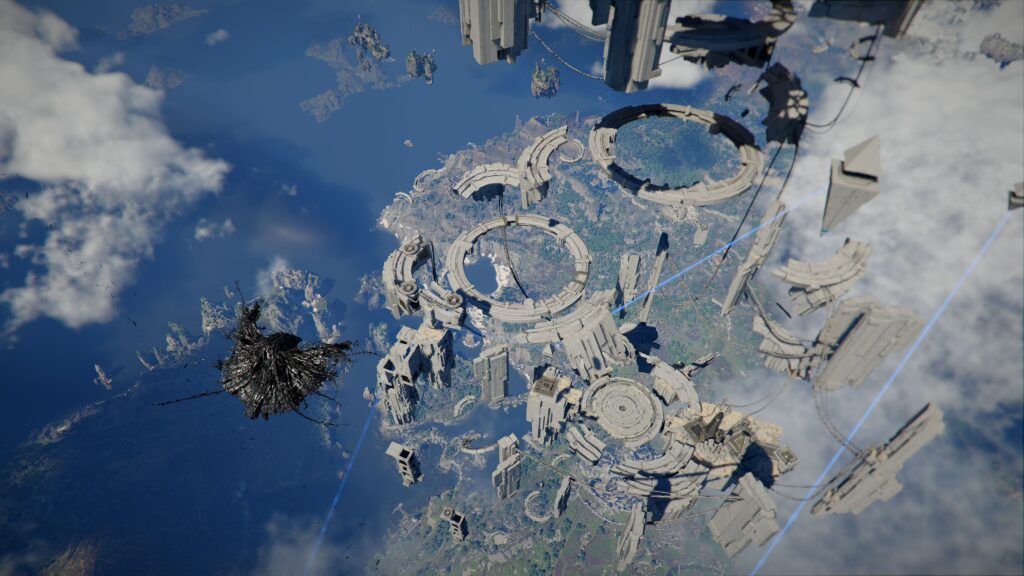
The inventories were also things that stuck out, and while we saw merit in having to be intentional about the things you were picking up and what you left behind, there’s no denying that things could have been better. The same goes for the menus, where we found inputs just refusing to register from time to time, prompting button mashing to get to the sections we wanted.
All of these come from our own experience with the game, but have been at the core of many complaints about it. They’re valid concerns, and the fact that the patches have taken them head-on is why we believe that Crimson Desert could shape up to be a redemption story that’s quite interesting. Let’s dive into why that might be the case.
The Hidden Beauty Of Pywel
It’s no secret that Crimson Desert isn’t a game that has no upside. It’s just that its true value has been buried under the friction that has stemmed from players being unable to get to the good parts of the experience in one way or another. That’s a distinction that matters in ways that can make or break a game’s survival.
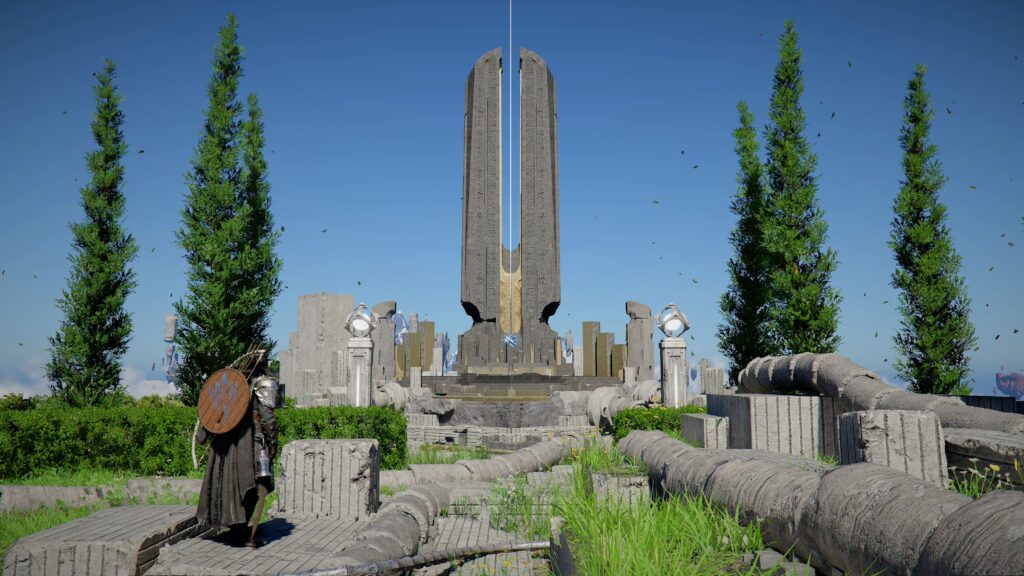
It could have been easy to write it off as a game that’s so full of jank or poorly implemented systems that just don’t click. Indeed, those accusations did surface only to prompt conversations about how spending enough time in its world showcased its excellent world design, and the scale and spectacle that was there for those who stuck with it to discover.
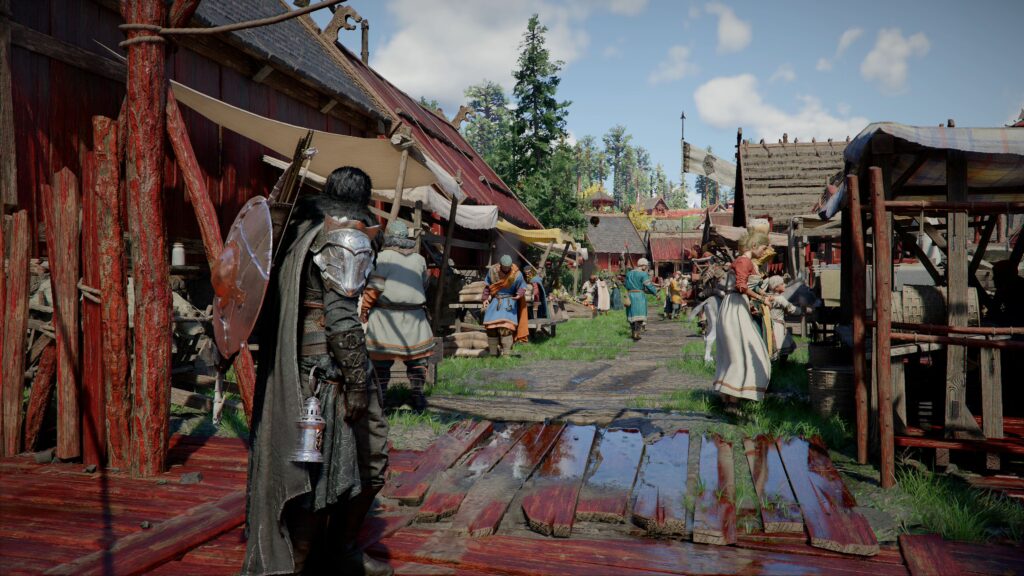
Games need good content to keep their players invested in the experience they are aiming to provide. Crimson Desert has that in spades, and anybody who plays it as intended is going to find that out sooner rather than later. Its issues then become a matter of refining what isn’t working and bringing those factors up to speed in order to fully realize the game’s potential.
All it needs to become the beast of an open-world title it was always meant to be is for it to improve how it feels in its players’ hands. And we believe that its recent patches are a step in the right direction.
The Beginning Of A New Beginning
The reason we believe so is that quick responses that target relevant issues can alter the experience that players have in ways that can keep them coming back for more, thereby leading towards discovering the true beauty that’s just there waiting to be uncovered.
For instance, better controls make navigating the world and taking on entire hordes of enemies look and feel so much smoother. That automatically brings two very important facets of the experience up to scratch, allowing the game to truly flex its muscles right off the bat. While the depth of its traversal and combat systems is certainly present, Crimson Desert does take a while for them to gain enough momentum. That’s now being addressed, with the developer asserting that further refinements are on the way.
The same goes for input friction and the addition of storage and more fast-travel points. All of these added unnecessary resistance to the game, creating a bad first impression that can be hard for most games to shake off. But addressing them allows the game’s best features to shine through more effectively.
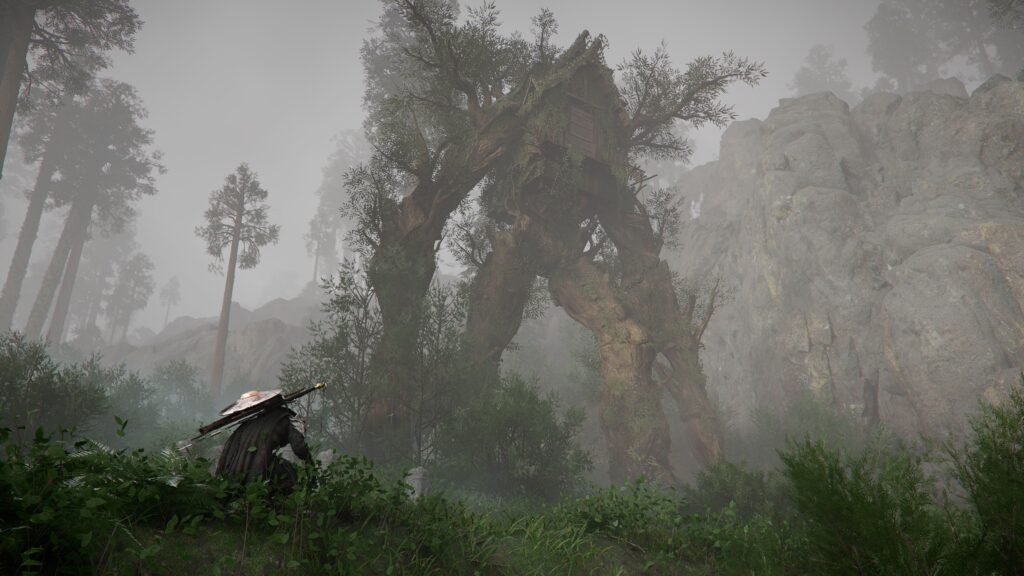
Similarly, improvements to support for keyboard/mouse setups and early stamina tuning, along with improvements to the effects of health recovery items, all of which can address onboarding issues that can help ease the difficulty of the game’s first ten hours. That’s important as it allows players to reach stronger mid-game systems sooner, which is where the real fun begins in Crimson Desert.
The current slew of fixes is good because it showcases acknowledgement of the fact that a game as mechanically dense as this one benefits greatly from even the tiniest changes to its usability. That’s especially true in the face of the criticism that was sent its way. But the road ahead is still as long as the ones in Pywel.
The Building Blocks of Change
Like Kliff’s unflinching efforts to restore the glory of the Greymanes, Crimson Desert needs consistency over post-launch damage control. The game’s narrative, side content, and pacing are still issues that may not be as easy to fix as the ones the recent patches covered. They aren’t disappearing over a single weekend, and are likely ones that may be beyond its scope to fix for the most part.
But these first patches, aside from that massive day-one patch, are a showcase of commitment to making the game as good as it can be, and allowing what’s good about it to enthrall its player base. As it stands, Crimson Desert isn’t a finished redemption story, but it’s now at the early stages of a redemption arc that could go either way.
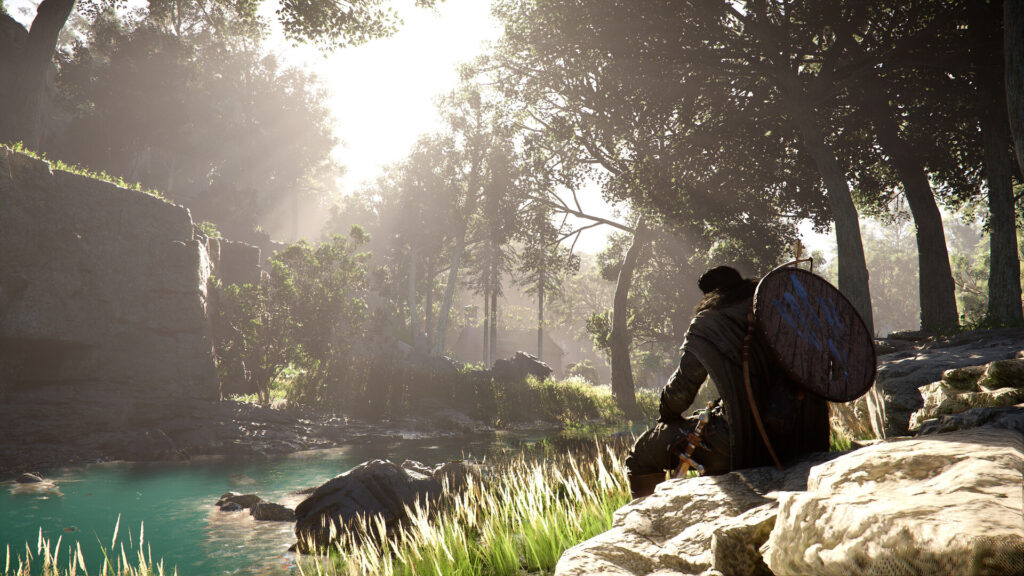
That’s because while the initial patches are important, it’s what follows that could help it salvage its reputation, or sink to the depths that so many ambitious titles have sunk to in the past. Its developers need to keep looking forward, and consistently pinpoint ways to fine-tune the experience to focus on the stuff that players are actually going to feel in-game.
Those include platform-specific known issues along with control sanity, better input consistency, technical stability, a cleaner UI, and better onboarding. A beast isn’t made by one solid patch that earns it a bit of goodwill. Instead, it’s built on sustained efforts and follow-through, a sentiment that can be easy to miss in the effort to redeem a game in the eyes of its players.
Crimson Desert has its rough edges, sure, but it also has oodles of raw ambition hidden away behind its most tangible issues. Fortunately, these problems are easy to remedy with fast, focused fixes. All that remains is for the developers to focus on issues that matter to players, and to sustain the momentum they have set with the latest patch.
If they get things right, Crimson Desert could absolutely become one of those games people look back on and say, “the potential was always there, it just needed time to breathe.”
Note: The views expressed in this article are those of the author and do not necessarily represent the views of, and should not be attributed to, GamingBolt as an organization.