






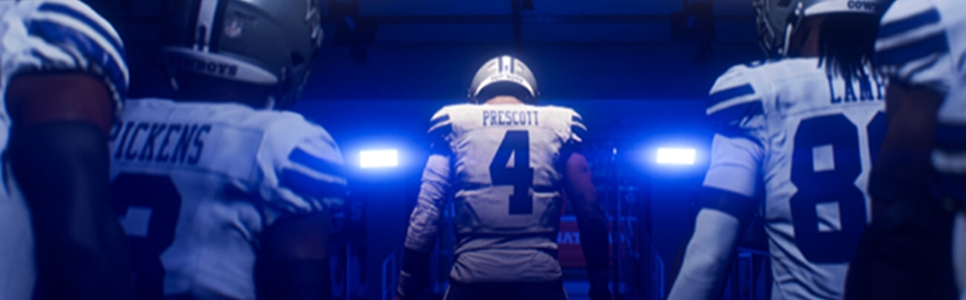
Madden NFL 26 was among our favorites of last year’s sports sims, bringing a lot of innovative additions that utilised physics, leverage, weather, Coach DNA, and smarter coverage to usher in strong foundations for elevating the existing simulation’s quality. Of course, it’s too easy for sport sims to be seen as iterative improvements, but it was a stepping stone to something we didn’t know was coming back then.
Well, EA Sports Madden NFL 27 is nearly here, and it’s building on a lot of the stuff from last year to give you more control over catches, tackles, formations, defensive assignments, and situational football to make the experience even more immersive and engaging. It’s turning the mechanics that its predecessor brought to the table, now presented with clarity and control to their players.
How is the upcoming title going to pull that off? We’ve been watching this one, and already thought of a few ways, beginning with:
1. Timing-Based Catching
Madden 26 did well to weave in parameters like player ratings, positioning, coverage, with aggressive, possession, and run-after-catch types, making for an innovative physics-driven catch-point system that relied on timing to an extent, but with successful throws largely determined by whether the correct type of throw was selected, and if the receiver’s ratings would allow for completion. That worked, yes, but it could also lead to drops of contested catches that felt too arbitrary for our taste.
Madden 27’s new Timing-Based Catching system adds a meter after a pass is thrown, with the player holding down the input button and releasing it with the right timing to select the catch type they want before the ball reaches the receiver. That’s a tight window in most cases, and a perfect release does improve the outcome while still factoring in 26’s parameters to determine success. There’s even the option to stick to the traditional system if the new changes don’t work for you, but we see no reason for this new mechanic to add a bit of the good kind of unpredictability into the mix.
2. Consolidated Defensive Controls
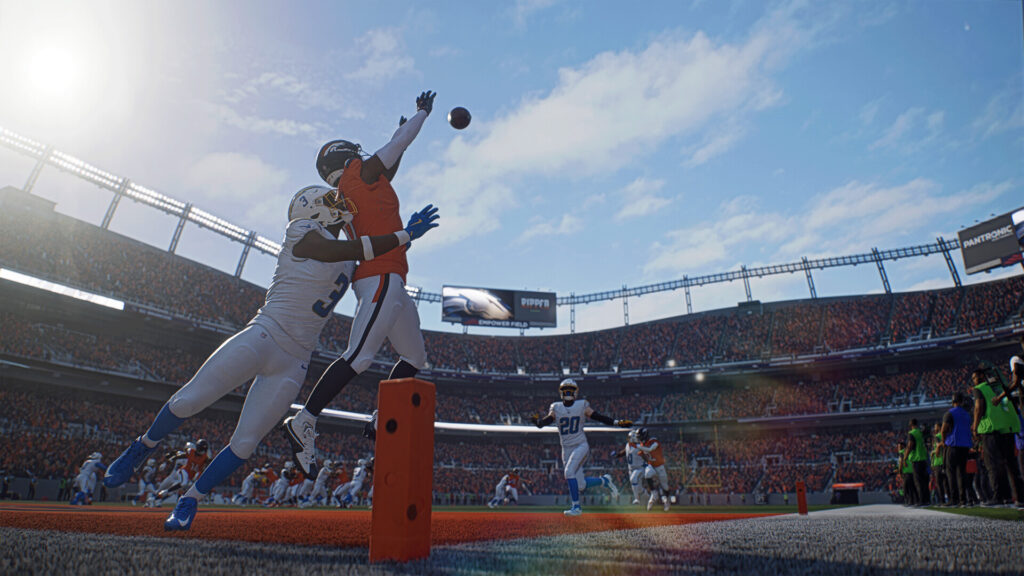
We were very happy with the expanded physics system and the defensive options it opened up in Madden 26. With several one-on-one interactions bringing timing mechanics, there was considerably more depth to tackling relative to older entries, but the inputs could get confusing in the heat of the moment until you trained your muscle memory.
Madden 27 has taken a clever approach to solving that problem, mapping hit sticks, cut sticks, lunge tackles, and wrap tackles to the right stick, with up, down, left, and right activating each one respectively. Improvements to arm tackles, drive-throughs, directional stiff arms, and tweaks to defender size and the tackles they can select are going to work well to make defending feel more intuitive, and perhaps even more competitive this time around. We’ll have to wait for the final release to decide on that, but we’re pretty excited nonetheless.
3. More Engaging Short Yardage Plays
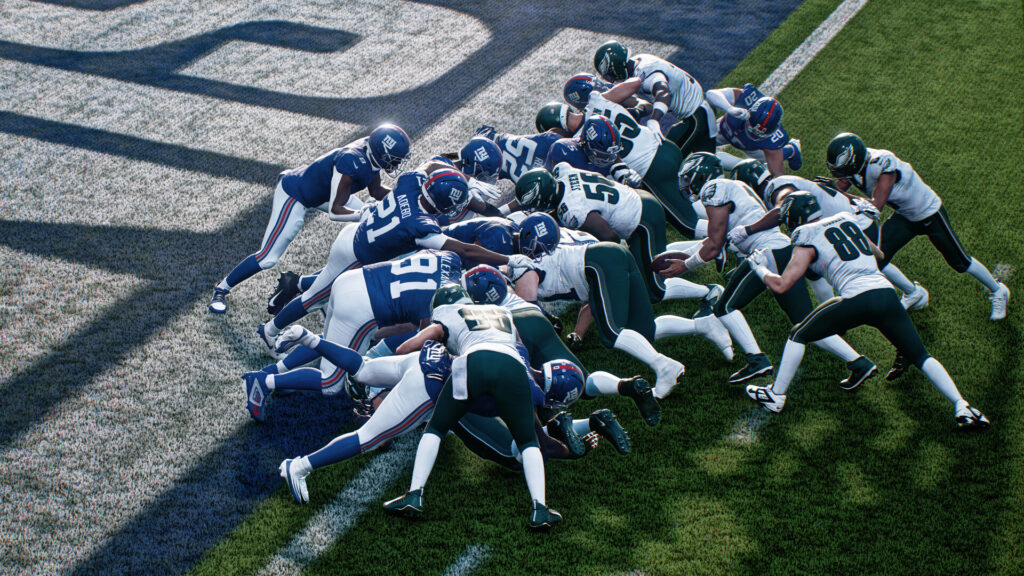
The Leverage System allowed Madden 26 to improve blocking engagements, consolidating ratings, positioning, momentum, and control of the intended gap. Blocked Steering allowed for user-controlled defenders to influence outcomes instead of having them locked into animations. All of that worked to make trench play feel very good, but we felt it was at the expense of sneaks and goal-line pushes, which didn’t have a dedicated user-facing mechanic.
There’s a specialized short yardage system in Madden 27 that’s built around pile movements, congested box interactions, contextual animations, and a QB Sneak Meter, all of which work with existing rating and leverage systems to add new layers to the gameplay loop. The size of your timing window relies on the strength and weight of your interior linemen and quarterback, the number of defenders you have in the box, and factors like leverage, pressure, and others. Tush Push is making it to Madden, too!
4. Expanded Defensive Coverage
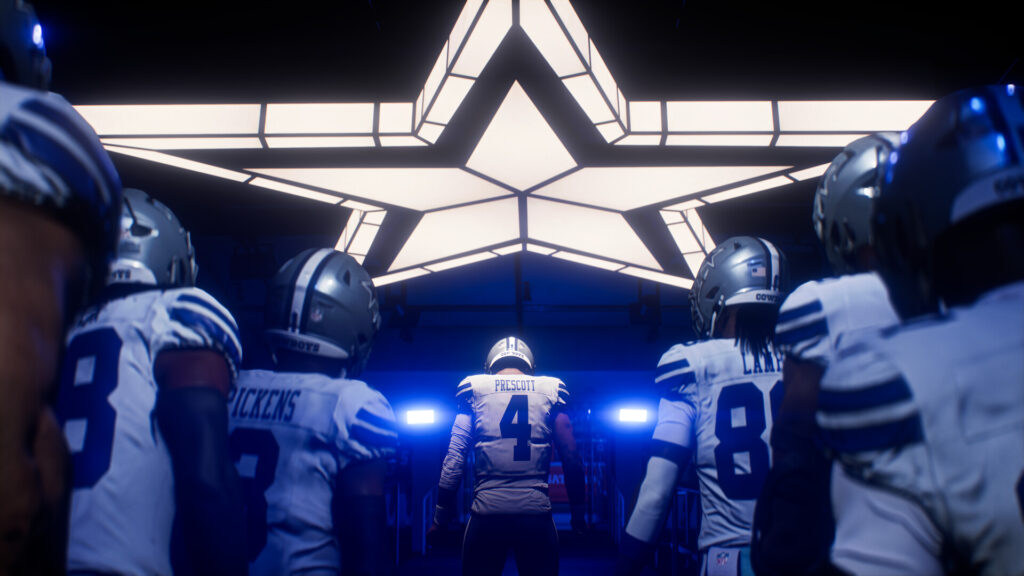
We liked Madden 26’s Custom Zones, and the functionality of manually adjusting defender zone depth before the snap was very nifty. Route Commit allowed for anticipating inside or outside-breaking routes, bringing an interesting risk-versus-reward kind of system to the table alongside improvements to Cover 4, Cover 2, match and defensive coverage, and more, to allow for reshaping individual zones or gambling on route directions.
Madden 27 is expanding that defensive control across the entire secondary, letting you alter comeback and safety depth and width, decide when zone defenders plaster receivers, roll coverage towards nasty-looking threats, or even quickly bracket individual targets. That’s a lot of added functionality without factoring checks designed to answer stacks, bunches, trips, and isolated receivers across Cover 3 Match, Quarters, Palms, and Cover 6.
5. Route Intent With WR/DB Battles
We’ve praised options to gamble on route directions in Madden 26, but we must point you towards how the initial press interaction could still remain largely focused on whether a receiver could successfully defeat the press. Your defenders needed to be aware of the ball before attempting interceptions too, making leverage relevant to defensive coverage strategies.
Madden 27 is building on that, adding route-aware press releases and sustained downfield jostling to make a receiver’s intended route influence how the attempt to win at the line. Defensive backs with strong coverage ratings can stay attached, disrupt receiver timings, and partially counter raw speed with technique if things line up correctly for them. That makes for a more physical and directional battle for both sides, translating into more involved gameplay for us all.
6. Expanded Automatic Motions
Motion-based origin play design received some major improvements last year, with more automatic motions, double-motion plays and automatic shifts, and improved defensive logic and more moving receivers in playbooks. It gave them authentic scripted movements which were attached to the play itself in most cases. Play-specific shifts being automatic was quite a nice touch in our book.
Of course, Madden 27 is letting plays move across eligible formations with the same personnel groupings, allowing for the same players to remain on the field, but with their alignment changing before the snap. That automatically opens up a load of possibilities like offensive intentions getting disguised, defensive ones getting revealed ahead of plan, or sequencing formations without switching up personnel. There’s also persistent substitutions directly from the play-call screen to consider as it’s a lovely complement to the formation-shift system.
7. Individual Adjustments As Reusable Game Plans
One of the best features of last year’s Madden was how your pre-snap strategy could include Custom Zones, Route Commits, stunts on compatible fronts, and alterations to defenses after an offensive motion had begun. But getting to them meant spending too much time navigating menus, and too little time in the thick of things when it mattered.
Madden 27 is attempting to change that, bringing important options to your fingers more quickly with Total Pre-Play Coverage, while Custom Adjustments lets you create, name, and save packages with defensive fronts, coverage behavior, pressure concepts, protection rules, stunts and twists, individual assignments, and routes and hot routes. You then access them at will from the play-call screen, which should cut down on that downtime spent in menus quite considerably.
8. More Adaptive Coach DNA
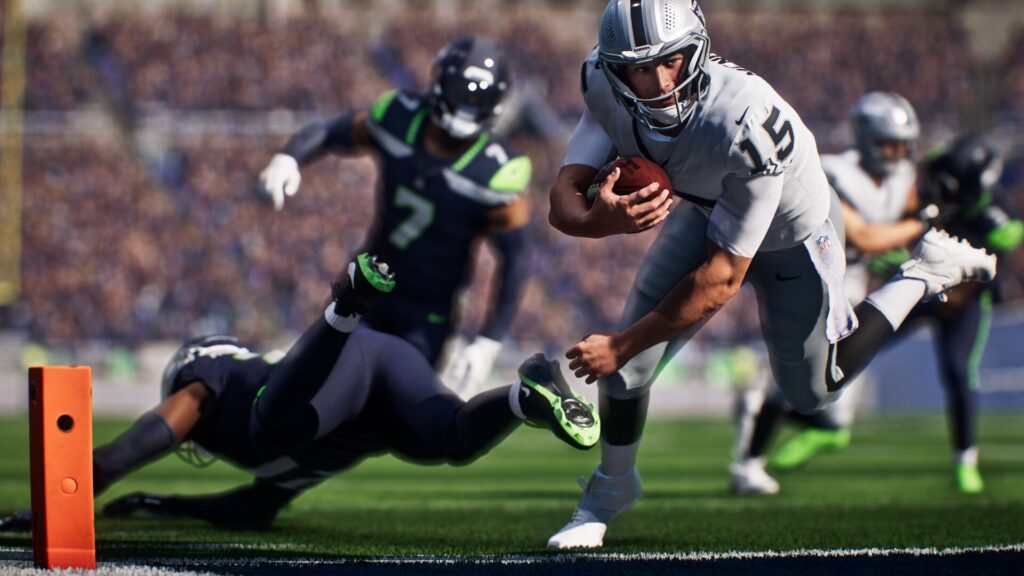
Coach DNA did well to differentiate CPU-controlled teams last year, using real coaching tendencies and data-driven play-calling that reflected each coach and situation pretty well. The system took account of score, down, distance, time, personnel, field position, and the weather while Adaptive Counters identified user tendencies and recommended plays to counter them. It was quite the debut for the new system, we must say.
Coach DNA 2.0 is taking things up a notch, letting coaches react more directly to what’s happening in a game, punishing repetitive strategies more regularly to discourage them, while also keeping matches alive by having more dynamic responses to player actions in a game. This time around, the AI isn’t just calling plays to reflect a situation and coach, but remembering how the game is unfolding and altering its strategies based on that
9. Coach Mode
Coach Suggestions in Madden 26 let the user remain in control of the selected player after the snap while providing useful advice based on team tendencies, game situations, and opponent behavior. The system acted as an advisor, but didn’t fully replace post-snap execution.
This year, Coach Mode is letting the CPU execute a play after the snap while you handle play-calling, personnel, and pre-snap decisions. There are a bunch of options like Auto Quarterback, Coach Suggestions (of course), pre-play audio and a comms cutoff, and the ability to designate a quarterback’s primary receiver and influence if an RPO should end in a pass or handoff. It’s something akin to a sideline coaching simulation that switches things up enough for it to be exciting all on its own.
10. Dynamic Weather During Games
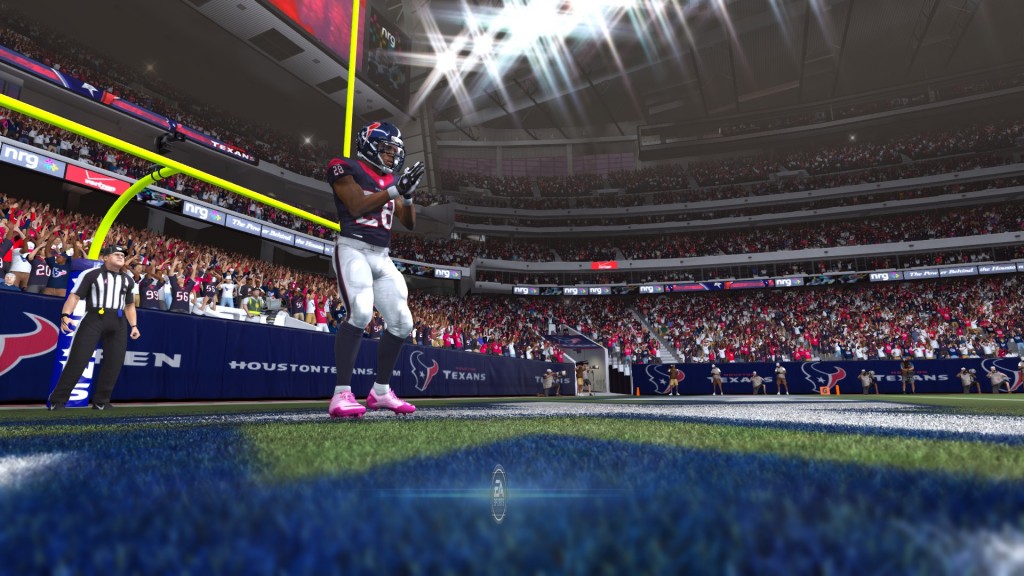
Madden 26 had substantial upgrades to Football Weather with heavy rain, snow, and fog affecting visibility, movement, handling, fatigue, and player footing. It made the weather a gameplay system instead of a visual overlay, and set the foundation for what’s on offer this year.
In Madden 27, the weather could change during a game itself, with a dry opening quarter making way for a snowy fourth quarter and so on, requiring that you pay attention to conditions and prepare accordingly in order to retain a competitive edge over your opponents. Persistent weather conditions now actually evolving during a game is certainly a welcome change, and a very immersive one.
And that’s about it for this one. We’re excited to see Madden 27 attempt to switch things up on the scale that it’s attempting, which could make this year’s entry a very interesting addition to the franchise’s prestigious lineup. We’re not going to have to wait too long to see how it all comes together as this one’s global release inches ever closer, and we’re eager to get started.