





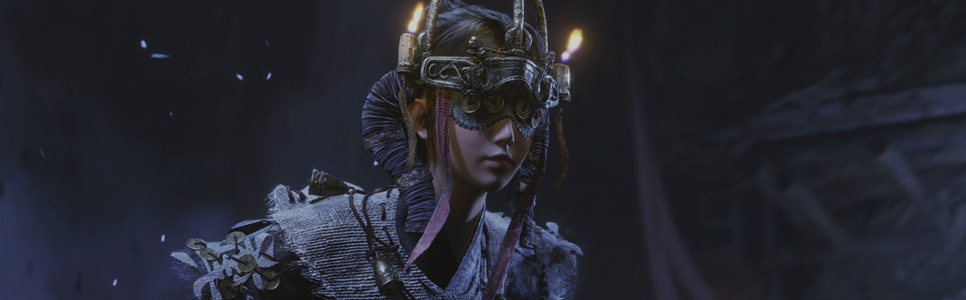
While we certainly love a good action RPG, the genre has admittedly become a tad crowded in recent times, with many additions to its ranks that attempt to create unique twists on its tried and tested combination of an immense challenge and vague narrative. However, some of these additions have managed to stand out, earning both critical and commercial acclaim.
Game Science’s Black Myth Wukong stands out in this regard, with its unique take on a Chinese classic working well within the genre’s trappings to provide an experience that was both visually resplendent and technically sound from a gameplay perspective. And now, developer Leenzee has stepped up to the plate, with Wuchang: Fallen Feathers bringing another title based on the late Ming Dynasty but with terrifying twists.
While early previews of the game showcase a gameplay loop that is as frenetic as other Soulslike titles, and an assortment of weapons, gear, and mechanics that seek to build on its tenets, there’s something about the upcoming title that seems to set it apart from its peers.
With its release just over a week away, we take a look at the possibility of Wuchang: Fallen Feathers rising to the very top of our favorite Soulslikes, and examine why it makes us believe that it has what it takes to make a name for itself in this competitive space.
It’s hard not to draw parallels between Wuchang’s predicament that forms the premise of the game’s story and Bloodborne, a Soulslike that continues to dominate discourse around the genre. Both the Hunter and Wuchang are stricken by a deadly disease, and are forced to seek out a cure by taking on hordes of deadly enemies and bosses.
However, Yharnam’s dark and gloomy streets make way for a world that’s deeply rooted in the Ming Dynasty’s penchant for visual flair and color, making Wuchang’s adventure one that makes the most of current-gen hardware to bring the Three Kingdoms to life. Yes, there are caves in which the atmosphere is as terrifying as the creatures that inhabit them. But they are contrasted with beautiful plains, villages, and other environments that the lands of Shu bring to life.
Leenzee’s decision to emulate Game Science’s switch from Unreal Engine 4 to Unreal Engine 5 has likely paid off, allowing its take on an action RPG to shine in terms of its visual fidelity. However, that switch has also allowed the studio to craft a combat loop that, on the surface, seems very polished. Enemy attacks and animations are perfectly telegraphed while Wuchang’s moves flow seamlessly from one to another.
That balance between visual fidelity and a solid gameplay loop is our first reason to be very optimistic about Wuchang’s chances when her adventures are pitted against the best of the best in the Soulslike genre.
Our second reason for liking what we’ve seen so far of Wuchang’s adventures is how Leenzee seems to have nailed a balance between its narrative and combat. While we certainly cannot predict if her personality is as charming as one would expect from a swashbuckling pirate, or if she is going to remain a mute protagonist who lets her weapons do the talking, Leenzee might have struck gold by integrating the game’s narrative into its combat system.
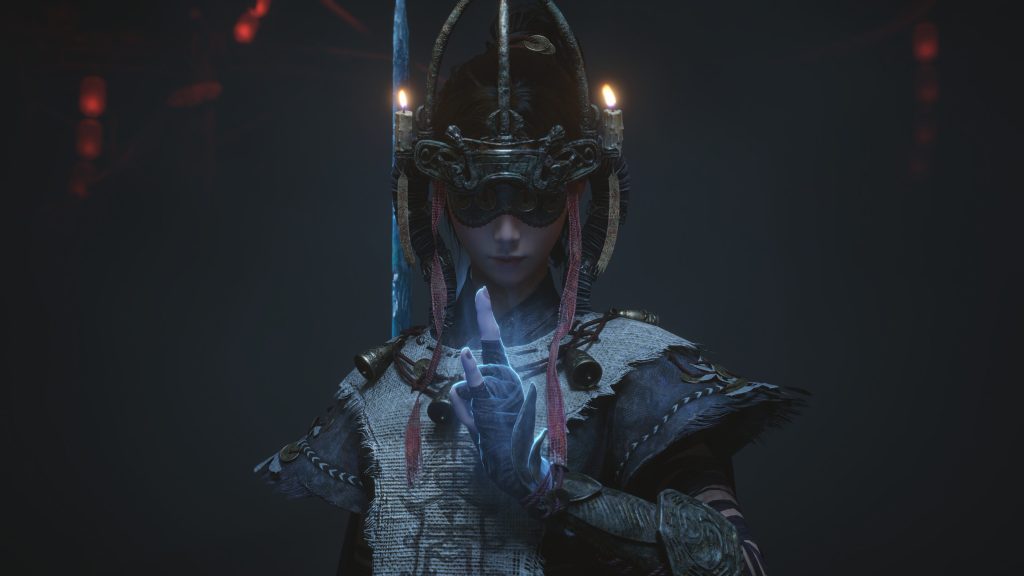
At the center of it all is the Feathering disease, which is not only eating away at Wuchang’s life expectancy, but is also transforming the world around her. It is presumably the cause of several of the incredible enemy designs we have seen in various showcases of the game. But it also creates an interesting reason for the game’s combat to be as frenetic as it is, giving Wuchang a reason to go all out against her foes while channeling her inner demons to gain an extra edge by any means necessary.
Take the Skyborn Might mechanic, for example. By staying aggressive and keeping the pressure on her opponents through perfectly timed dodges and parries, Wuchang generates the ability to unleash her weapons’ true potential, and bring any who oppose her quest to their knees. With weapons skills and discipline skills being tied to Skyborn Might, Wuchang’s narrative desperation is perfectly translated to Fallen Feather’s gameplay loop.
And then there’s Madness. Wuchang’s inner demons manifest as a red mark on her neck, allowing players to track its progress via an interesting visual touch instead of another bar to fill somewhere on the game’s HUD. It allows her to belt out more damage as it increases at the cost of her defence, creating a sort of balancing act that had us thinking fondly about the Posture System in Sekiro: Shadows Die Twice.
However, Madness isn’t just restricted to desperate battles against overwhelmingly powerful enemies. It creeps into Fallen Feather’s very design, allowing the game to take a truly unique and very exciting approach to how it handles death in the game. In contrast to the familiar trend of resurrecting a nearby bonfire (sorry, Shrine), dying when Wuchang’s Madness is active leaves behind an evil doppelganger of herself that she must then defeat in order to regain her lost XP.
In an interesting twist to Elden Ring’s Mimic Tear, this doppelganger is likely a perfect reflection of Wuchang’s equipped gear and abilities, making it a formidable foe that forces players to consider the potential risks and rewards of using Madness to gain an edge against a touch opponent, as opposed to the Mimic Tear being a helpful clone that makes fights easier.
Wuchang’s desperation is directly tied to how she uses the skills at her disposal while in combat, and reflects a very insightful approach to how Fallen Feathers has approached its narrative and gameplay as a cohesive whole, instead of its story being an afterthought that simply exists to push its protagonist from one area of its world to another – a tendency that many other Soulslikes have been guilty of in the past.
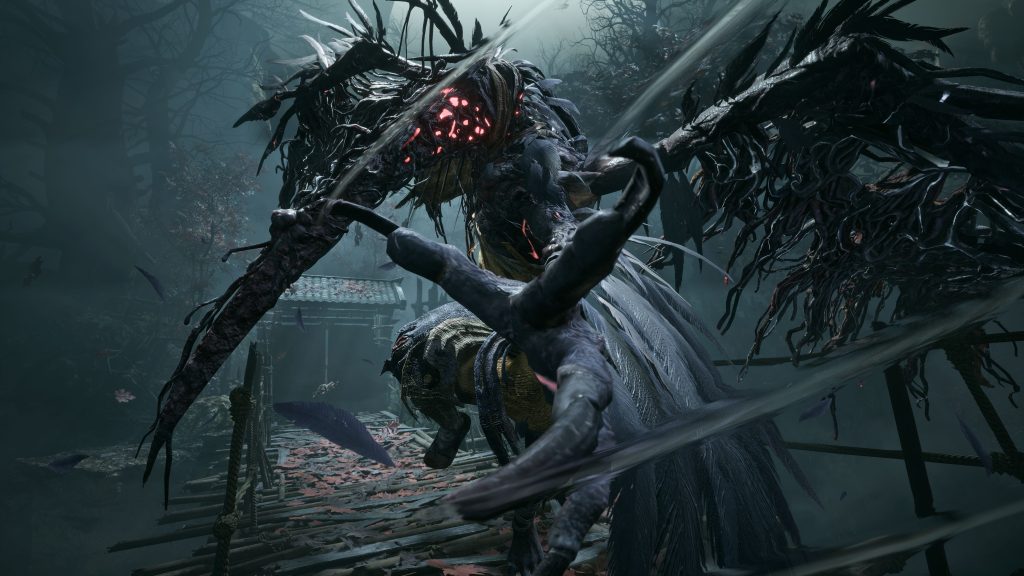
Fallen Feathers has our attention for another reason. It seamlessly integrates excellent mechanics from other Soulslikes into its gameplay loop while managing to stand apart on its own.
We touched upon how Skyborn Might reminded us of the Posture System in Sekiro. However, Wuchang brings a more expanded arsenal to the battlefield when compared to the one-armed Wolf who relied on his trusty katana and a few techniques to fight his battles. With five weapon types at her disposal, and the ability to swap between two equippable weapons mid-combo, Wuchang displays a fighting style that other Soulslike protagonists can only dream of.
With the ability to weave in spells along with unleashing her weapon’s best moves when she has accrued enough Might, Wuchang seems primed to raise the bar of what protagonists in future Soulslikes can do, bringing style and substance to every swing of her sword, or thrust of her spear.
The game’s elaborate Skill Tree is another ace up its sleeve, allowing players a lot of freedom to mix and match between various weapons, spells, and abilities in a way that earns its RPG label. We cannot wait to use a spear and dual blades to inflict multiple DPS elemental damage types to hapless enemies, seamlessly switching between the two based on our proximity to said enemies. And that’s just one idea for a build, making us wonder what other skilled players can come up with once they embark on Wuchang’s trek through Shu.
The option to equip gear that directly influences your playstyle while having a transmogrification feature active is another feather (yes, we said it) in Wuchang’s cap while being able to switch things up without any cost to the player makes Leenzee’s upcoming title an absolute treat for players who like to keep changing their builds based on the task at hand and the tools they have at their disposal.
It’s clear that the Chinese developer has keenly observed what has worked in other games in the Soulslike genre and what could be improved, adding layers to its title that elevate the experience it aims to present while remaining grounded in the genre’s roots – a balance that other developers have tried and failed to strike.
Examining how Fallen Feathers draws inspiration from its predecessors might lead its detractors to the accusation that it is a derivative take on other Soulslike titles, merely repackaging excellent mechanics and making them seem new. However, we believe that there’s enough meat on the bones of its gameplay systems to justify those inclusions.
Wuchang: Fallen Feathers has a lot of potential to be a title that we keep coming back to long after we roll the credits on what seems like a very exciting adventure. We cannot wait to see how Bai Wuchang manages to cheat her seemingly unavoidable fate, and perhaps dive back into a potential New Game Plus to experience a different ending to the tale.
But for now, all we can do is wait until the game drops on Xbox Series X|S, PlayStation 5, and Windows later this month.
Note: The views expressed in this article are those of the author and do not necessarily represent the views of, and should not be attributed to, GamingBolt as an organization.