





You can almost always count on one company to revisit the same mistakes, ignore the lessons staring it in the face, and then find another way to squeeze more money out of its audience. We are, of course, talking about Activision and Call of Duty, two names that increasingly feel trapped in a cycle of recycled ideas, questionable pricing, and minimal effort dressed up as something new. For ages, the franchise has struggled to show meaningful progress outside of bigger marketing campaigns and more aggressive monetization. This latest controversy only reinforces that perception, raising fresh questions about value, quality, and how much goodwill Activision believes it can continue burning. So, what exactly happened this time?
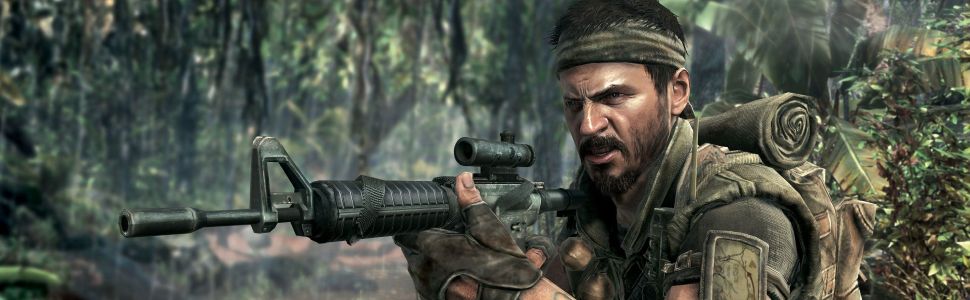
Well, last week, Activision quietly shadow-dropped the original Call of Duty: Black Ops and its sequel, Black Ops 2, onto the PlayStation Store for both PS4 and PS5. There was no major showcase, no extended marketing campaign, and barely any advance warning. Under normal circumstances, the releases might have passed unnoticed, but the sudden arrival of two entries immediately caught people’s attention. At first, the news sounded genuinely intriguing. These are Call of Duty games that many players (unfortunately) would have wanted on modern PlayStation hardware for years, especially with their campaigns and other gameplay features intact. For a brief moment, it seemed like Activision had delivered an easy win. After all, how badly could anyone mishandle two old games? As it turns out, quite badly.
Let’s begin with the most obvious problem: the pricing, which is frankly atrocious. Each game costs a staggering $39.99, while its respective Season Pass adds another $29.99 to the bill (PS Plus subscribers get a discount). Purchase both titles alongside all of their DLC at the standard price, and you are looking at roughly $140 + in total. That would already be difficult to justify for newly released games, let alone two titles that originally launched in 2010 and 2012. Activision is effectively asking players to spend premium money on games that are nearly a decade and a half old, without bundling their additional content or offering the kind of substantial modernization that might soften the blow. These are age old games, certainly, but nostalgia alone does not magically make that price reasonable. A round of applause for such remarkable generosity, everyone? No? Fair enough. Let’s move on.
Activision has tried to frame its new Season Pass model as a win for everyone. By allowing Season Pass owners to seamlessly matchmake with players who didn’t buy the DLC, the company avoids the fractured player base that slowly killed playlists in previous Call of Duty games. That’s an improvement but it also makes the entire business model look even harder to defend. If everyone shares the same matchmaking pool, public lobbies will almost always default to the base-game maps whenever non-paying players are present. In other words, Activision is asking its most dedicated fans to spend $29.99 on content the matchmaking system is actively incentivized not to serve. The company has eliminated the problem of dead DLC playlists, but only by creating a new one: premium maps that are effectively sidelined in everyday play. It’s a pricing strategy that feels stuck in a bygone era, charging a premium for content that many buyers may rarely experience outside of private matches or the occasional lucky rotation.
That fragmentation becomes even more concerning because the ports offer no cross-play with Xbox or PC. Instead of bringing the players under one roof, Activision has divided it by platform and console generation. For games this old, that is a recipe for longer queues, repeated opponents, and increasingly empty lobbies once the launch-period excitement fades.
The two ports are also painfully barebones from a technical standpoint. In 2026, players are being treated to a dazzling 1080p presentation, with no FOV slider, no 120fps option, no meaningful graphics settings, and no substantial visual enhancements to speak of. In other words, these are old games running at a slightly cleaner resolution, with almost none of the modern conveniences players reasonably expect from a rerelease on current hardware. Nothing ambitious, nothing transformative, and certainly nothing that justifies the asking price.
The problems do not end there. Black Ops 1 reportedly arrives without Wager Matches and Theatre Mode, while Black Ops 2 appears to have lost League Play, features that formed parts of the original experience. Players have also raised concerns about noticeable controller input delay in Black Ops 1 on PS5. Several Reddit users argue that the game feels far less responsive than they remember, with some regretting their purchase entirely. Others have taken a more sarcastic view, joking that technical problems simply make the port feel authentic to the original launch. Honestly, that reaction feels about right.
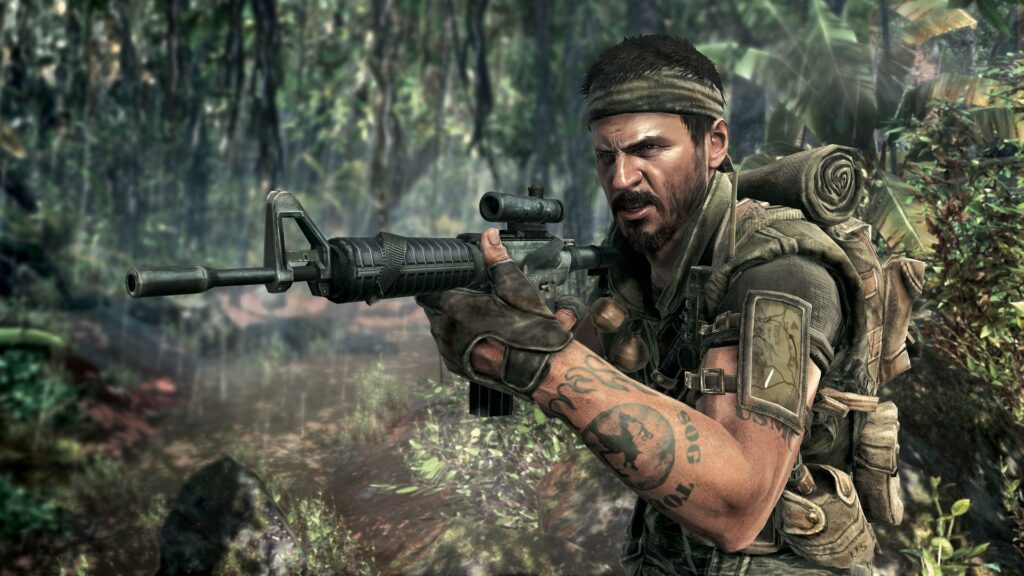
What makes the situation even more interesting, or, depending on your perspective, downright hilarious, is that these supposedly enhanced ports are currently exclusive to PlayStation. Activision is owned by Microsoft, yet Xbox players have been completely overlooked when it comes to receiving comparable native versions, technical improvements, or meaningful modernization. The existing Xbox releases remain playable through backward compatibility, but that is not the same as receiving newly packaged ports built for current-generation hardware.
It creates an incredibly strange situation in which a Microsoft-owned publisher is offering updated versions of two Call of Duty games to PlayStation users while giving its own Xbox audience practically nothing new. That is one impressive way to frustrate an already exhausted fan base, particularly after everything that has unfolded around Xbox over the past month. At a time when Microsoft desperately needs to rebuild trust and give players reasons to remain invested in its ecosystem, decisions like this only make the company’s wider strategy appear even more confused.
According to several players, the situation is even messier than it first appeared. Reports have surfaced of “Server Full” errors, crashes when leaving lobbies, failed invitations, broken party functionality, and friends being unable to join one another consistently. For games this old, these are not minor inconveniences. Not to mention hacking problems! They strike directly at the experience people are paying to access.
And what about players who already purchased the original PS3 versions? Apparently, that ownership counts for absolutely nothing. There is no free upgrade path, no discounted entitlement, and no recognition that some fans have already paid for these games before. If they want to play them natively on PS5, they are expected to open their wallets and purchase them all over again.
To be fair, some fans undoubtedly will buy this experience, and they are perfectly entitled to purchase them. However, charging this much for such a technically limited and unreliable presentation in 2026 feels deeply disrespectful. If this is Activision’s idea of thoughtful preservation and genuine modernization, then I have no hope for their future releases.
Note: The views expressed in this article are those of the author and do not necessarily represent the views of, and should not be attributed to, GamingBolt as an organization.