





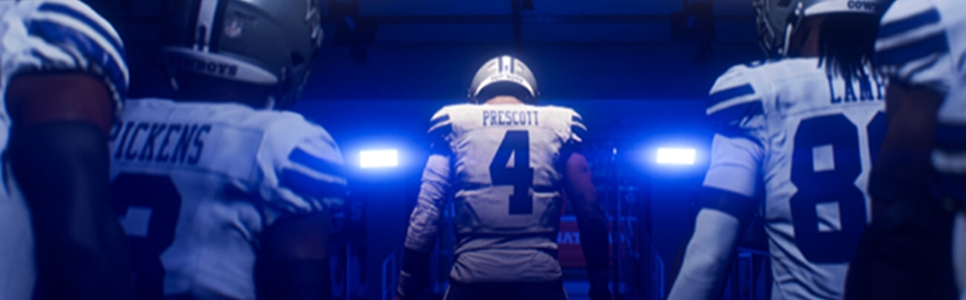
The Madden franchise has been improving quite steadily with each passing iteration, with last year’s one being a worthy title of the prestigious franchise name. However, there’s always room for improvement, and EA has come out and told us that our feedback about the things that needed doing has been quite an influence to the title that’s coming out this year.
Well, we raised an eyebrow at first, but that was before we dived into a long list of stuff that’s being done to make this one stand out from its peers. There’s quite a bit to unpack before you’re equipped with everything you need to decide if this one’s worth picking up before a sale comes along, so let’s get started.
1. Release Date, Platforms, Editions, and Cross-Play
The Standard Edition of Madden NFL 27 launches on August 13, 2026, for the PC, PS5, Switch 2, and Xbox Series X|S. You could get a head start on the fun if you’ve picked up the Deluxe Edition or MVP Bundle, which opens things up on August 10, while the EA Play 10-hour trial and existing MVP+ early access begins on August 6.
The Switch 2 is the only one among the available platforms that isn’t cross-play compatible, while all the others can have it working across Online Head-to-toHead, Franchise, Ultimate Team, and Superstar. You should remember that Franchise remains in live beta, and that it’s recommended you start a new league instead of enabling it on a save you’d rather not lose. Also, the PS5 Pro version’s targeting over 100 fps with its Performance option, while there’s a similar one targeting a more modest 60 fps on the Switch 2.
2. A New Approach to Defense
EA’s been leading with this one, and for good reason. You’re getting a lot of options to tweak defensive plays, with comebacks and safeties getting depth and width settings, controls for plaster behaviours, roll coverage on specific threats, bracketing individual receivers, and having more comprehensive responses to stacks and bunch formations.
This goes beyond merely strengthening defenders to being a potentially effective solution to making defensive plays bring more football-aware and predictable reactions from defenders in the heat of a match, making things much more authentic for the ones running those plays.
3. More Physical WR/DB Battles
The direction in which a receiver needs to release is now accounted for in press releases, with receivers running stands attempting to gain inside leverage while the opposite goes for receivers working a corner route or running out. Combine that with expanded down field jostling, and you could see plays where defenders with strong coverage ratings are quite disruptive to the timing of opponent plays, neutralize speed, and stay connected across the field.
That’s a potentially greater emphasis on leverage, ratings, and route intent while making one-on-one coverage feel less random, all of which are welcome additions to make the gameplay loop feel further polished from a fine offering last year.
4. Timing-Based Catching
There’s a new skill check for you to keep in mind, as Madden 27 is bringing you a way to influence catches without manually switching between receivers. You get to hold aggressive, progression, or run-after catches, releasing the button within a specific timing window before your receiver gets their hands on the ball.
How generous that window is depends on your difficulty, receiver ratings, catch type and complexity, and your coverage. The traditional ratings-driven catch system is there for those of you who want it, but this one should make things feel like accurate throws aren’t dropped just because the game couldn’t keep up. That’s been an annoyance in the past and we’re glad there’s a step towards fixing it.
5. Rebuilt Short Yardage
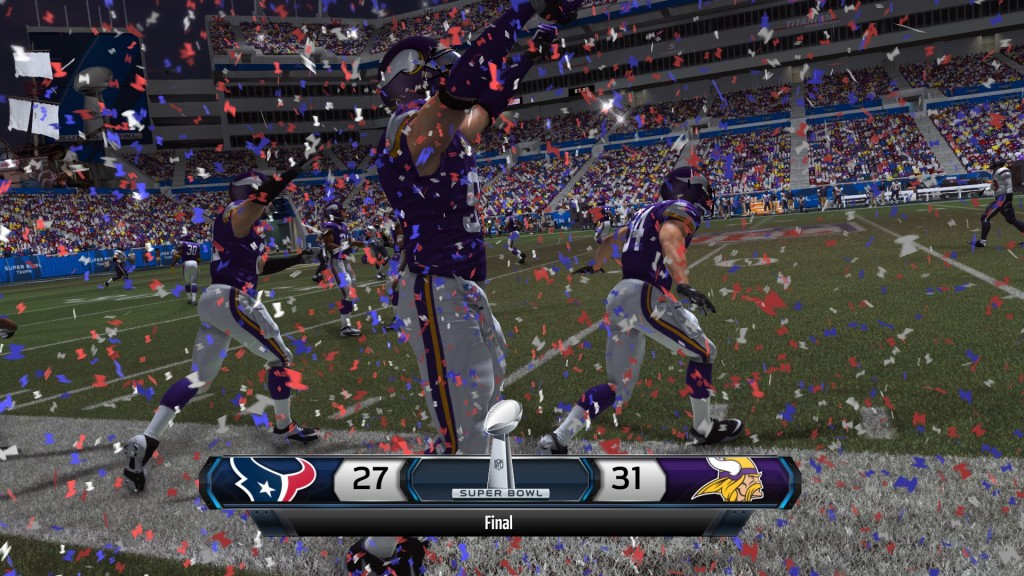
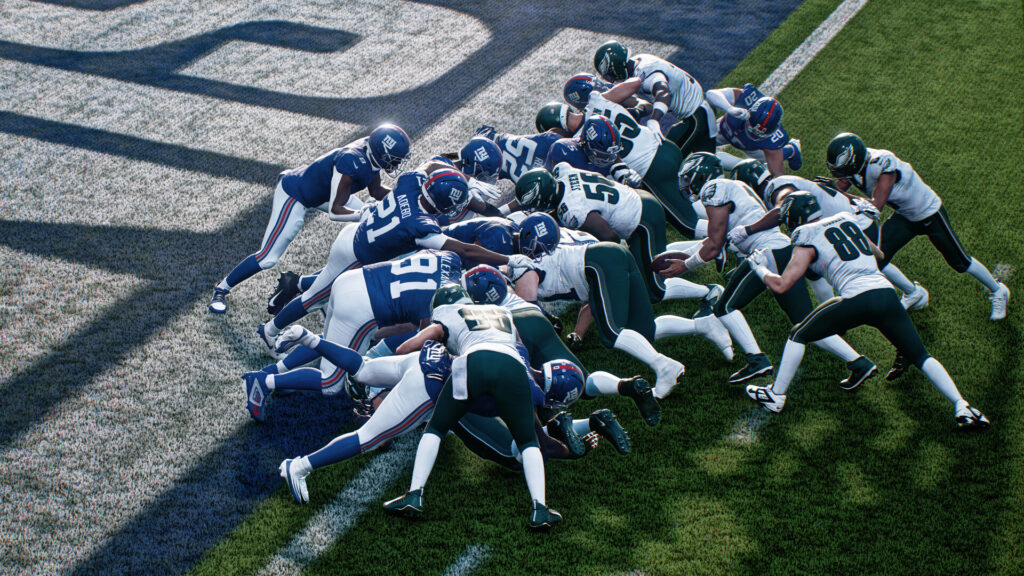
There are improvements to the trench interactions, pile movements, contextual examinations, and a snap-timing mechanic to goal-line stands, quarterback sneaks, and fourth-and-inches situations that should improve how they feel. Perfect timing gives you a better shot at creating a push but your ratings, defensive numbers, and pressure still count as factors.
The Tush Push is a Madden exclusive this year, while expanded run blocking controls and the addition of gap integrity and defense aggression settings work well with adjustments to the green-window QB sneak results that were a tad too inconsistent in the beta.
6. Tackle Stick Reworks
You can now use your right stick to take different defensive actions, such as up for a hit stick, down for a cut, left for a lunge tackle, and right for a wrap tackle.
That’s going to be excellent when you want to defend without taking your thumb off your right stick, and with expansions to arm tackles, momentum driven collisions, directional stiff arms, and drive-through tackles, holding down the fort could be easier than ever in this one.
7. More Control Over Formation Shifts And Play-Call Submissions
You can now retain the same personnel when selecting a play and moving it over to a compatible formation. That’s helpful if you want to disguise offensive intentions or alter defensive recognition and should help you bring realistic sequences to life without having to rebuild it all from scratch every time inspiration strikes.
You can also change personnel directly from your play-call screen with substitutions staying active after they’re made. That’s useful when you’re trying to manage Wear and Tear, matchups, and specialized packages without hitting the pause menu too often. There have been fixed to those Formation Shift control issues from the beta in case you were wondering.
8. Total Pre-Play Control
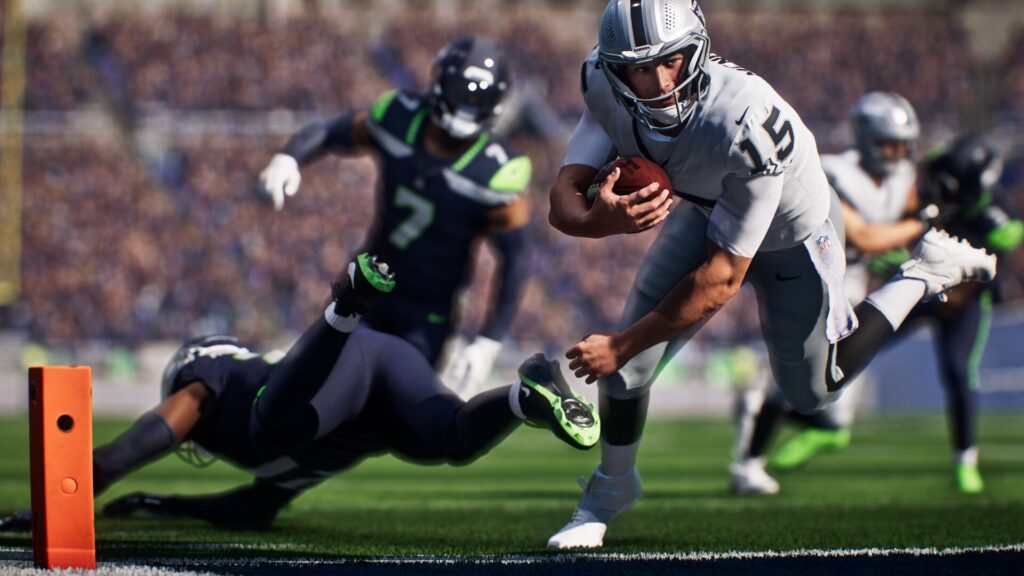
Reorganised pre-snap controls make important commands like leverage, underneath or over-the-top coverage, pass commit, Smart Zones, and receiver double-teams require fewer inputs to execute.
Custom Adjustments let you create packages containing fronts, coverage behaviour, protection rules, pressure looks, hot routes, and even individual assignments as long as you allow athletes to become set before stacking other adjustments. That minimizes pre-snap movement and is sure to be quite a boon to all you online veterans out there.
9. More Intelligent Coach and Player AI
Coach DNA 2.0 allow a lot of variation in philosophies, tendencies, and adaptive behaviours among AI coaches, letting them respond to repeated route concepts, adjust run-ass tendencies, and sequence complementary plays,
Coach Speak recommendations for over 50 launch scenarios are included alongside machine-learning-based ball carrier pathing which should improve lane selection, cutback recognition, and leverage reads as the AI is trained on successful user-controlled rushing decisions. Just how effective it gets is going to be something we’re waiting to evaluate in the final build.
10. Hot and Cold, Abilities, and Home-Field Advantage Are Connected
Players enter Hot or COld states based on performance, with the former doing better and having the ability to access X-Factors, while the opposite is true for the latter. Abilities now use Bronze, Silver, and Gold tiers with the higher tiers bringing benefits other than improved stats.
Home-field advantage is also returning, with crowd noise, communication problems, weather, altitude, and stadium-specific factors hampering visiting teams. Of course, all of it remains disabled In online Ultimate Teams.
11. Dynamic Weather Indeed
The weather is more than just a visual effect, but an active parameter that can change during a game, with intensifying rain or snow, and wind affecting how you approach passing or kicking.
It’s quite deep-looking since conditions are tied to locations and seasonal calendars and effects like snow react to players, and they show up on uniforms and gear. Franchise is where we expect this one to shine with an effect on weekly game planning and late-season strategy coming into play.
12. Coach Mode
This one’s interesting as it lets the CPU take over post-snap execution while you call plays and do everything else prior to it. Your options include AAuto Quarterback, Auto Snap, Coach Suggestions, pre-play audio and commus cutoffs, and more.
Having the cutoff enables cuts out the interface when the play clock is at 15 seconds, making it closer to replicating NFL headset rules. You could designate your primary read on quarterbacks, or set hand-offs or passes to an RPO all while a dedicated camera gives you a sideline perspective. It’s definitely something we’re pretty stoked to check out.
13. The New Personality Engine
The new personality engine gives players different motivations and behavioural profiles, with 65 types of DNA, all capable of evolving to influence how players respond to contracts, team performances, usage, roles, and changing career circumstances.
EA claims that previous scripted scenarios are making way for organic situations that are generated by the league with holdouts, trade demands, and contract disputes emerging from the personalities and varying circumstances across teams without being limited to the user’s roster. That’s definitely going to shake things up a bit if it’s executed well enough and we can’t wait to find out.
14. Rebuilt Weekly Flow and League News
The previous weekly flow has been replaced with Emergent Actions, with the current league’s events generating decisions such as role disputes, contract issues, and roster concerns. Delegated decisions show you your staff’s intentions so you get to confirm if that’s what you intend to do.
With a new persistent ticker, picture-in-picture, breaking news alerts, Scott Hanson audio, rumors, filters, and a News Center that you can pull up anywhere in Franchise, things are looking very different in Madden 27’s take on the popular mode.
15. Overhauled Contracts and Negotiations
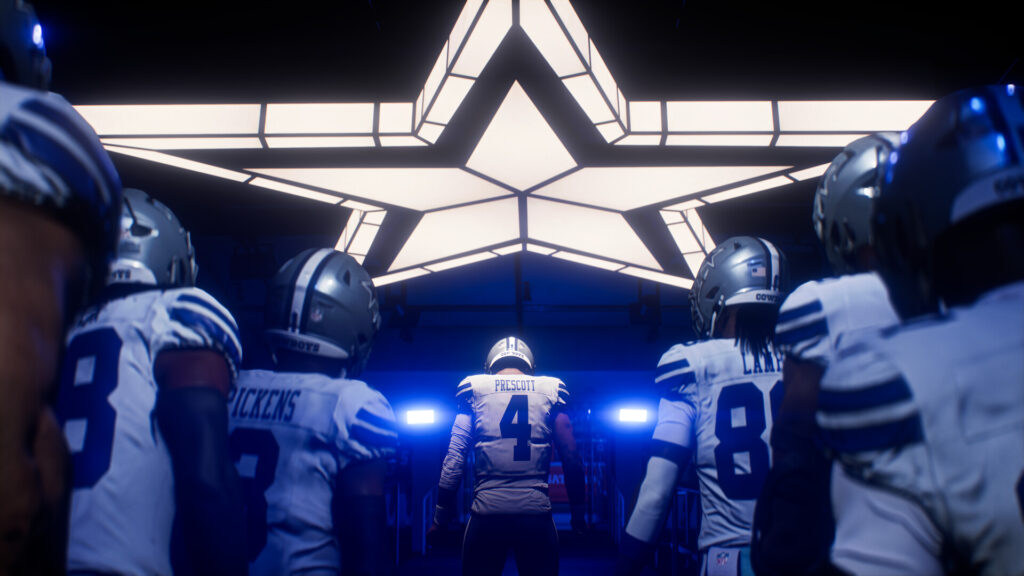
Contract discussions are now spread out over multiple sessions that track patience, interest, and other unexpected developments. Feedback from the beta has resulted in allowing players to define initial years, salary, and bonuses while clear information about positional depth and a clearer breakdown of each offer make decisions go more smoothly.
Support for guaranteed contracts, void years, incentives, no-trade clauses, customized structures, and negotiations before the final contract year are all sure to add value to the gameplay loop, as will franchise tags, transition tags, and multiple restricted free-agent traders.
16. Deeper Free Agency and Long-Term League Logic
While Free Agent Frenzy turns the opening market into a simultaneous bidding event, players no longer sign with the first club to approach them; instead, offers are evaluated together when a round advances. Commissioners can set up up to 12 rounds, and you get to withdraw pending offers and view interested teams before committing cap space.
Undrafted rookies get their own signing windows while CPU-drive teams make more context-aware trades, and a more robust approach to multi-season progression are all factors to look forward to as well.
17. A Fuller College-to-Pro Journey
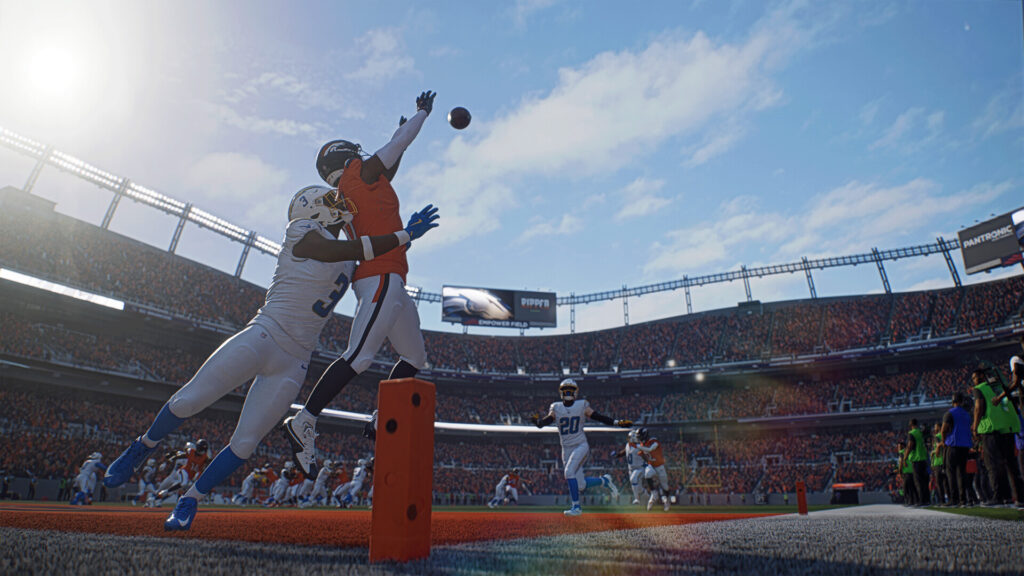
Expansions to Superstar mean that your Road to Glory athletes from CF27 can be imported complete with their college accomplishments and decisions. An athlete’s Road to Glory Draft Score determines their draft position, while newly created players have multiple career starting points to choose from.
Branching progression trees spanning Core, Mental, Physical, Speciality, and X-Factor ensure that you’re going in a direction that makes sense to you, while Rare Cap Breakers and archetypes such as Tight End, Edge Rusher, and Free Safety are among the playable positions. A redesigned HUD is there to give you access to crucial information without a pause menu breaking things up.
18. Consequences and a Proper Endgame in Superstar
A Superstar’s Sphere of Influence now lets them affect free agency, trade demands, teammate trading, or their retirement with relationships that affect team composure. Poor performance could see you lose your starting job or even get cut, traded, or forced to attempt a comeback through the practice squad.
The G.O.A.T. Journey tracks Skill, Legacy, and Popularity across community Leaderboards, and ends with Hall of Fame voting. A free and Premium Pass could make progression easier if you don’t feel up to the grind, but 99 OVR remains achievable without additional purchases per EA, with five to seven career seasons needed to get to it.
19. More Player Development Controls in Ultimate Team
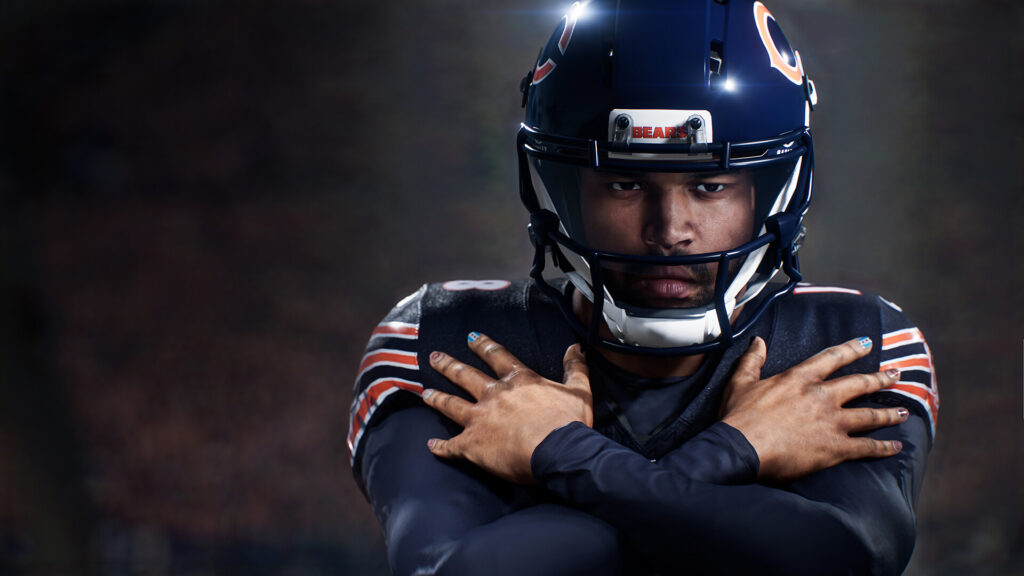
Players specific Skill Points earned through gaempaly, item objectives, or bought in-game can be used to upgrade eligible items and players can upgrade multiple tiers in a single shot. Archetype choices allow the same base item to be useful across different builds.
Evos increase maximum ratings, alter archetypes, add abilities, and even expand chemistry options while Ultimate Captains are viable throughout the year before they can be powered down and replaced. Adjustments to ranked matchmaking divisions, and seasonal updates on Solo Seasons and Championships make for an interesting new take on Madden 27’s online offerings.
20. More Contextual and Team-Specific Presentation
Expect special graphics, music, and commentary on seasonal broadcasts and holidays while Halftime Reports cover impact players and playoff races. Weekly Recaps are going to remind you of injuries, MVP standings, trade alerts, stat leaders, and Players of the Week.
Drone shows, primetime introductions, stadium-specific traditions, and a whole lot more are all set to make this one stand out on the visual front, and make you feel like you’re right there with your team.
Well, that’s quite a lot of change for an annual release, and Madden NFL 27 looks like a very ambitious effort to shake off iterative improvements to improve several areas like defence, the Superstar endgame, pre-play customization, and the new personality Engine. But we’re still recommending cautious optimism, as a lot of these changes hinge on AI consistency and tuning, and whether all these additions can keep producing believable results after multiple franchise seasons.
However, we don’t have to wait too long to find out, and we’re going to be taking the field as soon as we get the chance with this one. We hope to see you there!