






Return, if you will, to 2019. Ignore that next-gen consoles are coming next year (and at affordable prices that haven’t been butchered by memory shortages) or really everything else. You’ll probably hear about a little-known game called A Plague Tale: Innocence. Developed by Asobo Studio, a relatively small team, it’s a potent mix of stealth and action where players control the de Rune siblings as they must survive plague rats, the Inquisition and the rest of the world. And as harrowing as avoiding the thousands upon thousands of seething critters is, the catharsis of turning them against your enemies is sublime.
Despite the low budget, it received some critical acclaim. Word of mouth praised the writing and characters, not to mention the stellar production values and attention to detail that made it impossible to believe it was made by the same team behind Fuel. Which wasn’t the worst game ever, but…come on, now. It’s Fuel. A little over a year later, it was announced that Innocence had sold over one million copies – a happy ending for the studio but also the start of something more.
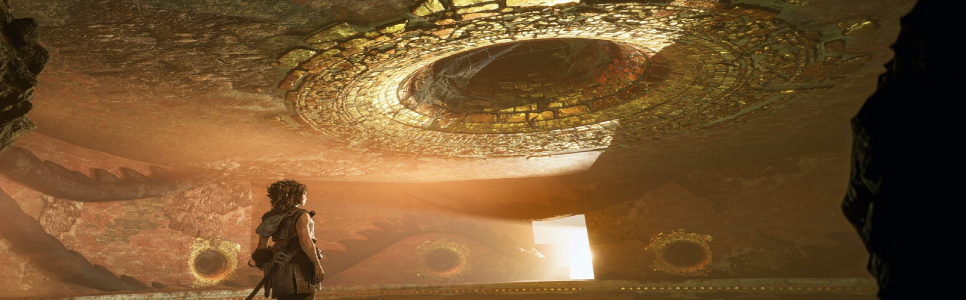
Fast forward to August 2026, and Resonance: A Plague Tale Legacy is out. Asobo Studio, having already shipped a sequel, clearly hankered for something completely different, even teasing a follow-up set in modern times. The answer seemingly lay in the past – specifically 15 years before Innocence, where players instead controlled Sophia. As a side character in Requiem, she was received pretty well, but her backstory – besides owing Arnaud a favor – remained shrouded in mystery.
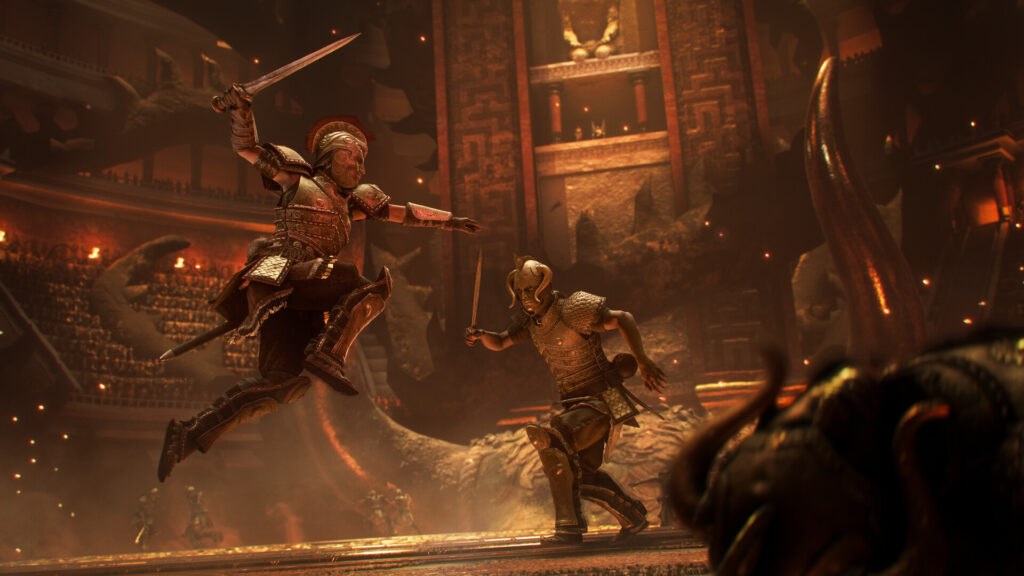
Resonance dives into that, showcasing the trauma she endured as a child before growing up. The gameplay, however, goes in a completely different direction. Think hacking and slashing, taking on enemies with blades rather than skulking in the shadows or sending rat hordes their way (though Requiem had plenty of direct combat as well). Dodging and parrying are almost as essential as using the environment, whether it’s pulling them off ledges or executing assassinations from above. It may start simple, but soon enough, Sophia’s repertoire will include tossing enemies into each other and kicking enemies into the abyss, not to mention the different swords with unique perks. Want to discard the dagger in combat entirely? Inflict more stun damage with parries in return for not being able to block? How about tailoring sprint attacks to pierce shields? It’s not the biggest arsenal of blades in gaming, but they still change up combat in interesting ways.
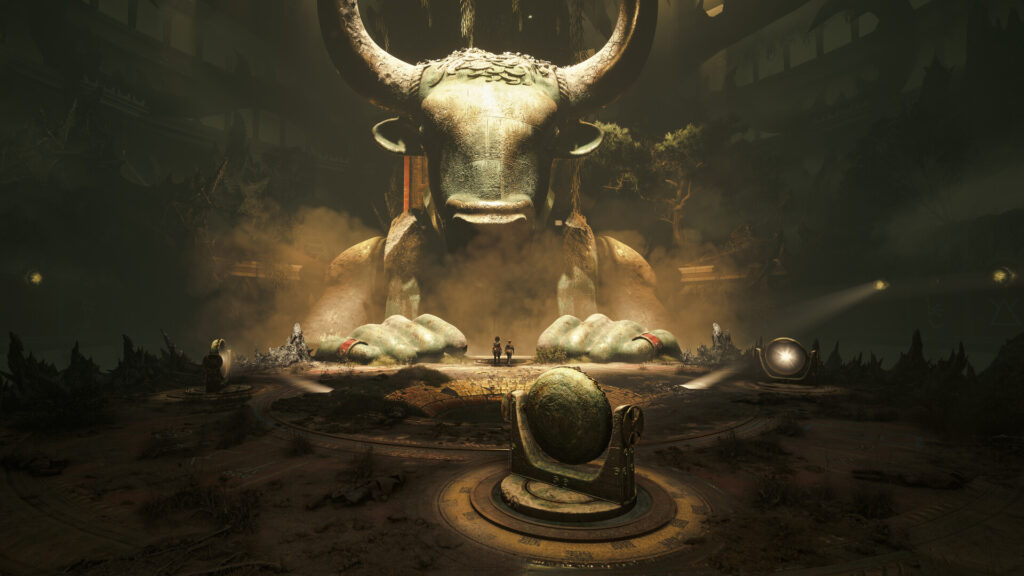
Then you venture into Crete Island’s ruins, and it becomes more like Tomb Raider with its puzzles and platforming. Perhaps veering a little too much in that direction, which can bog down the overall pacing in specific chapters and get in the way of the genuinely interesting story. You explore more about Minoan civilization and Sophia’s connections to it, even venturing to the past and embodying Theseus to take part in gladiatorial combat. Despite how disconnected it feels from the other Plague Tale titles, the strings slowly pull taut, and all is revealed. And make no mistake – there’s a lot of suffering, even some survival horror elements thrown in for good measure.
Couple this with Asobo’s excellent visual design, environments and soundtrack, and you have a potent action-adventure title. It’s even $50 – a pretty reasonable price, especially since it delivers between 12 and 17 hours of gameplay, depending on how thorough you want to be. So why doesn’t it feel like Resonance has really garnered much attention since launch?
Sales numbers have yet to be revealed, similar to both Innocence and Requiem in their opening weeks, though the latter hit one million units sold within a month. You would think the acclaim both received would deliver a much stronger reception for A Plague Tale Legacy. And hey, for what it’s worth, the Steam peak concurrent player count is better than Requiem…by about 541, topping out at less than 5400.
Compare that to Star Wars Zero Company, which released on the same day and nearly peaked at 78,000 concurrent players over the last weekend. And even if it has the Star Wars license, for all the good it offers nowadays (ask the makers of The Mandalorian and Grogu), it’s still a newish IP in a relatively niche genre. Let’s not even get into The Blood of Dawnwalker, another new IP that nearly hit 65,000 concurrent on launch day, even with several issues reported on PC. Keep in mind that neither figure is exactly mind-blowing, but they’re several times better than Resonance.
So what about A Plague Tale Legacy didn’t snare as many people as Requiem did? Maybe it boils down to the very premise. After how the latter ended, fans expected the next game to take a major leap forward with its setting. How would the Macula emerge in modern times, and what tragedies would unfold? Instead, they were presented with a prequel focusing on a side character who was appreciated, but far from the star of the show, at least compared to Amicia and Hugo.
Time also plays a pretty big factor. If Asobo had told this story as post-launch DLC for Requiem, it may have had significantly more takers because of the title’s relative newness. It’s been nearly four years since launch, and many may have moved on. The remaining hardcore may see this particular story as unessential, at least at launch for full price, because it’s a prequel.
Then there’s the hack-and-slash combat. Probably because it’s not as sleek and flashy as modern titles (much less forthcoming competitors like Phantom Blade Zero, Laufey and whatnot). Maybe the target audience isn’t feeling it based on gameplay, and prefers a more methodical pace with more stealth. Keep in mind that such sequences appear in Resonance, making it feel more like its predecessors, but it’s far from the core gameplay loop (and there have been some mixed opinions about this shift).
Of course, it may just as easily come down to the most obvious reason: Too many other games, which diminishes the chances of attracting new players. And if your built-in audience isn’t biting and spreading the good word, it gets pushed further down the pile. It’s less about price than the average player’s time. Even if Dawnwalker or Onimusha: Way of the Sword cost $20 more, they get priority, whether it’s because of their own gameplay hooks or the history behind them.
Call it bad luck or unfortunate timing. It’s a shame because Resonance: A Plague Tale Legacy is genuinely one of the best games this year. But if anything, that makes you question whether that’s really enough. If you take a peek at the other best-rated titles of the year, the competition is extremely stiff. Asobo Studio isn’t just battling to compete with other triple-A titles in the same genre, especially given its presentation and storytelling, but also against indies, spin-offs, viral co-op hits, early access titles, and so much more for attention. And unfortunately, it doesn’t seem like being on Game Pass is really helping with its discoverability.
Maybe we’ll learn in the next month or so that it’s sold one million units and everything is hunky dory. I wish I could say “For now, Resonance deserves a lot more recognition.” Yet, the number of high-profile releases is only going to increase in the coming weeks. Here’s hoping that it eventually finds the same success as Innocence and Requiem – and soon. You don’t just work on a new title in a beloved franchise for about four years and launch it to a relatively low-key reception, especially not in today’s industry.
Note: The views expressed in this article are those of the author and do not necessarily represent the views of, and should not be attributed to, GamingBolt as an organization.