





It’s good to be back to Trails in the Sky again, a year after the first chapter of the remake came around to impress us with all the new things it was doing with a very memorable title. That one was a hoot, to be sure, but it did have a few flaws. Has the sequel managed to iron them out, or is it more of the same? Does it bring enough of its own flavor to let it stand on its own merits, or is it just something you’re going to have to engage with if that cliffhanger from last year has left you restless?
I’m happy to tell you that if you’ve been eager to dive into Estelle’s new role, and to know how things with Joshua pan out, this one’s going to be a treat. However, if you’re looking for gameplay that gives you a fair challenge while pushing you to make use of every tool in your arsenal, I’d say that you’re better off waiting until this one gets some polish. But let’s go back to the story for the moment, as it’s definitely among the stronger parts of the experience.
"Those new characters are either going to be a highlight of the experience or a rather hit-and-miss attempt to fill the narrative void that Joshua left behind."
If you’re coming into this one blind, a helpful recap lets you get up to speed on all the major beats, although the game’s prologue emphasizes Estelle and Joshua’s past dynamic that’s definitely going to feel undercooked if you weren’t very interested in their bond from the first game. I could see myself finding Estelle’s initial refusal to accept his departure and the manner in which she is convinced to go after him a tad too silly for a newly appointed senior bracer, and the game’s anime-inspired trappings are evident in such moments. That’s not considering other conversations where the topic can flit wildly between the absolutely mundane and ones that deal with the world’s socio-political troubles. It can get jarring when it happens, and it’s often enough to be noticeable.
Things pick up right where the previous game left off and get kicked into gear quite quickly, leading you into a lengthy prologue that helps you get up to speed with the game’s mechanics, old and new, while providing a rather convenient narrative explanation for why you’re going to have to collect Quartz and new Arts and Crafts all over again. Was it convincing? Not really, but I welcomed the chance to get to build crafting for Estelle and the new allies she finds in her search for Joshua.
Those new characters are either going to be a highlight of the experience or a rather hit-and-miss attempt to fill the narrative void that Joshua left behind. While they’re all capable warriors in the field, their personalities often feel like they’ve been crafted to play second fiddle to Estelle for the most part. They’re still charming and interesting, but I truly believe that they could have been better woven into the story, with more to them than simply accompanying Estelle on her journey.
There are some familiar faces in the mix, such as Agate Crosner, whose Heavy Blade was among my personal favorites, and those who may have been on the opposing side of Estelle’s efforts in the previous game.
Speaking of the big bads, the shady organization’s members are certainly among the cast’s more memorable additions as they step onto the stage with flair and sinister substance. They’ve always been my favorites in this story, and that holds true with the remake as well. You only have to watch Campanella be unhinged for a few scenes before you begin to like his irreverence and smug arrogance.
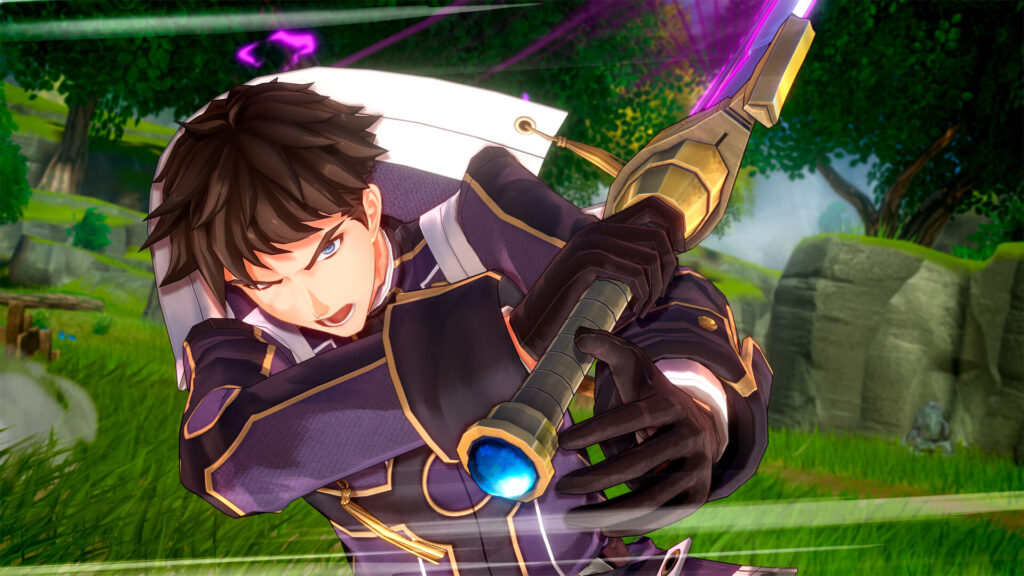
"You’re going to want a refresher of events in the original game before you jump in at the very least, and one that’s more detailed than the recap you begin this one with."
However, one thing to keep in mind is that several of the NPCs you get to interact with as a part of that story often refer back to Estelle’s time as a junior bracer in the first game, and you might be a tad lost if this is the first one you’re playing. You’re going to want a refresher of events in the original game before you jump in at the very least, and one that’s more detailed than the recap you begin this one with. It’s definitely worth having all that lore to give you more context about the events that this one talks about, and it’s going to elevate the experience.
It could also help you with the game’s combat, which presents so many mechanics to you in the prologue that it can seem overwhelming. It feels like the game assumes you’re coming to it after playing the previous game, with introductions to its systems coming by at such a rapid pace they feel like they were designed to be reminders rather than actual tutorials. However, getting the basics of combat down isn’t too hard since the excellent blend of real-time and tactical gameplay is back, and works so well when you begin making use of everything it offers you.
There’s a lot of freedom to specialize characters right from the get go although your party members often come with obvious strengths that you definitely want to exploit. Estelle, however, is extremely versatile, and it’s a lot of fun to tinker with loadouts and see what chaos you can create in a fight with a list of skills that are both powerful in their utility as well as dazzling in their action. Unlike her companions, she doesn’t have any restrictions in her Orbment, who feel restricted to one element or the other from the get go, she isn’t restricted to a single elemental and I soon had ways to inflict a variety of effects like Burn and Stun with her attacks, while she also doubled up as the party’s healer when things got dicey.
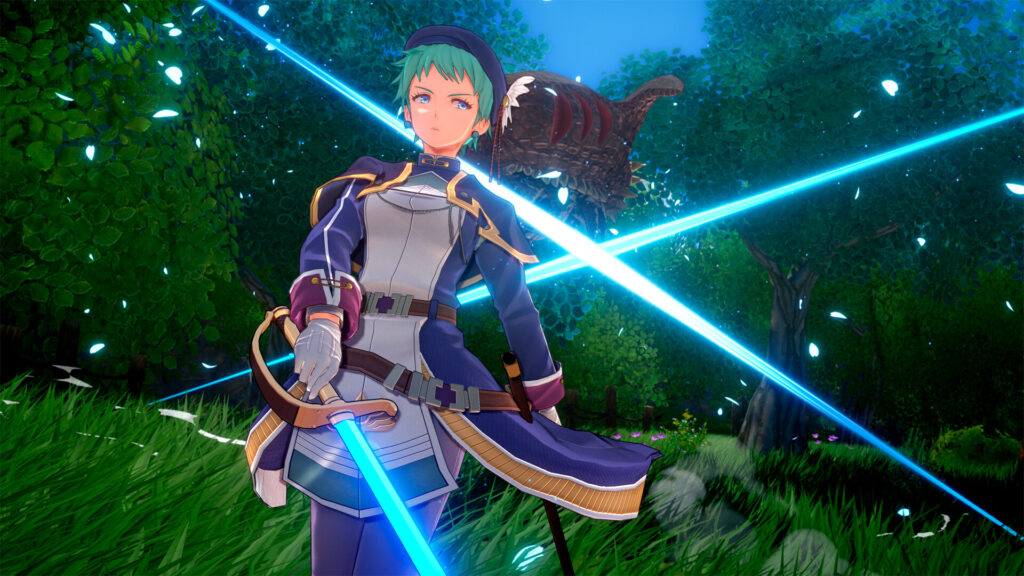
"Your party feels like a coherent unit when it all comes together, and breaking through your opponent’s guard to expose them to a Follow-Up from one member of a coordinated attack with Estelle is very satisfying to pull off."
Of course, you do get to switch things up for the rest of your party too, but Estelle is the one you’re going to be experimenting with the most since she’s a constant presence while the story does send people you’re journeying with down different paths from time to time to make way for new additions to Estelle’s list of allies.
Switch to the game’s tactical mode, and you’re going to watch your party members unleash skills that are so darn spectacular you won’t find yourself skipping any of the cutscenes that play in a fight. The new Brave Rush is a great part of that, as is the expanded approach to your Crafts and S-Crafts. Your party feels like a coherent unit when it all comes together, and breaking through your opponent’s guard to expose them to a Follow-Up from one member of a coordinated attack with Estelle is very satisfying to pull off. But it also exposes a problem with the combat that I couldn’t ignore.
While the moves themselves look and feel so powerful, it’s a wonder that any opponent can even withstand their devastating effects; the actual damage they do on foes even on the game’s default difficulty preset, is underwhelming. The new Orbments Estelle and her fellow bracers received are presented as serious upgrades, but that narrative upgrade doesn’t really translate into any practical gameplay effects in the early game at least.
That’s easily remedied as you collect more Quartz to exchange for upgrades to your Orbments, and things really open up as soon as you get access to more Arts and Crafts, making things quite interesting once you really begin engaging with the system and crafting builds that suit your playstyle. My take on Estelle, for instance, made good use of her staff to create opportunities for Analise’s blade to serve as a high-damage, critical-focused damage dealer.
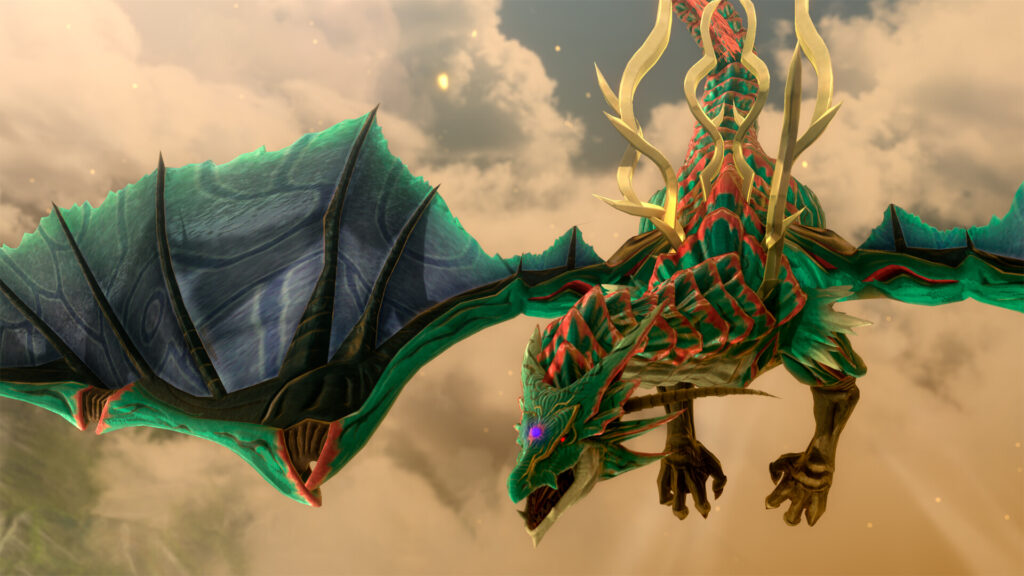
" The combat is so fluid and slick that I found myself neglecting the story objective that I was chasing just to stick around and keep fighting enemies."
Enemy variety is great, although it’s only the bosses you fight who are actually going to stay with you once you reach the story’s end. They come with memorable introductions and moves that are as stunning as the ones you pull off.
The combat is so fluid and slick that I found myself neglecting the story objective that I was chasing just to stick around and keep fighting enemies, grinding out resources that I could use to unlock new stuff to use in the field. That holds true across the game’s narrative, with progression opening up so many possibilities that become even better when you pull in the right party members to help you maximize their effectiveness. It’s a very satisfying process of mixing and matching that is sure to keep you playing far longer than you would have if it was just the story on offer.
As a remake, Trails in the Sky Second Chapter’s fully 3D environments, the excellent character models, animations, and cinematics make it feel like a modern take that preserves the spirit and the lighthearted vibe of the original experience so well it becomes a joy to engage with. Those flaws I mentioned? They melt away as the game pulls you into a story that’s brimming with charm and the kind of reckless optimism that only a game that’s decidedly anime can pull off.
The soundtrack is a major part of that, and is a highlight of the experience on offer right from the get-go. It ebbs and flows with what’s unfolding on screen, punctuating the emotions each scene is meant to convey so well, and yet, subtly, you don’t realize its effects unless you’re actively looking for them. The English voice acting is suitably upbeat too, and it was good enough for me not to switch it to the Japanese version, something I do quite often in such titles.
As a sequel to last year’s title, Second Chapter definitely ups the ante on the narrative front, with Estelle feeling like she’s taking on more than she can handle without Joshua before things in the story unfold. In terms of gameplay, its new additions are inspired, and certainly add a bit of flair and spectacle to the table. But it’s in the way things are paced where I’d say the first title has a distinct advantage, as this one can feel unnecessarily stuffed from time to time.
It’s going to take you quite a while to play the story and engage with its side content, as this is a massive game with a lot of stuff to do. Heck, I can see myself spending hours on end simply toying with different combinations of Arts and quartz just to see what I could come up with in the next few fights I got into. The main story could have used a bit of trimming to cut down on time spent watching cutscenes unfold, but if this kind of story is something you’re already a fan of, I don’t see that being an issue at all.
The game performed like a charm on my PS5, running smoothly on the default graphical preset with no options to tweak things in favor of performance or quality. There was only a single crash during my time with the game, and it presented a clean image and great, consistent frame rates across the board. As far as the performance on this one goes, there’s definitely nothing to complain about for me.
As it stands, it’s more Trails in the Sky, which is still a great thing to have, especially if you enjoyed First Chapter.
This game was reviewed on PlayStation 5.
The story remains engaging, Estelle has a great character arc, there are interesting new faces and new roles for old ones, combat additions are both practical and great to use, the soundtrack is excellent, and the presentation is amazing.
Lengthy cutscenes.