




It’s not easy to describe a fight where you stand tall against what we can only call a multitude, deflecting some attacks while weaving out of the way of others, while strategically letting some glance off the edge of your blade before you grab an opportunity to strike in a deadly dance that ends in death.
It doesn’t help that the multitude is lining up in the form of a constellation to become a moving wall of swords that leaves few vulnerabilities thanks to each warrior covering the other. That’s definitely a fight for the bards to sing of, and it features a lot of slashing, dodging, and deadly grace. Enough for a few ballads at least. More on that in a minute.
If you’ve been keeping track of Phantom Blade Zero, you probably already thought of the Seven Stars boss battle that’s been shown off quite often in its promos. It’s the subject of our enthusiastic description of a fight we’re still grinning to ourselves about. As you can tell, this one has cast a spell on us.
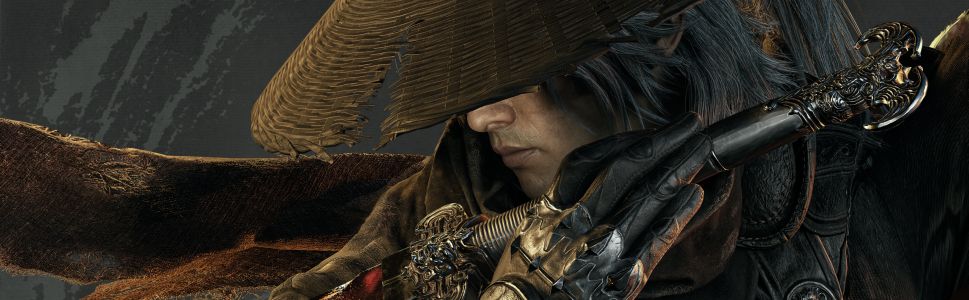
Join us as we tell you why this one’s a very impressive take on the wuxia genre, weaving it into its very fabric to present an experience that uses elaborate martial arts choreography to sell a sort of flowing beauty to everything you do in it.
The Ebb and Flow Of The Arts
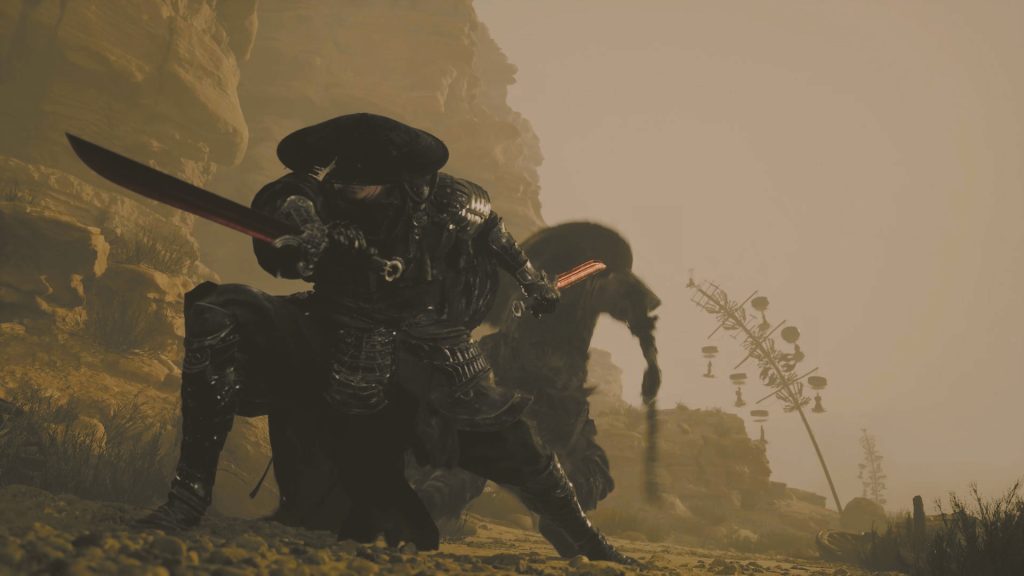
That Phantom Blade Zero’s combat is a very smooth and involved affair is going to become clear to you quite early, with the game’s unique approach to simultaneously working your offense and defense into your strategy being served very well by animations that are distinct, readable, and pronounced while also cancelling very well into counterattacks, parries, or dodges.
It’s done with a layer of polish and style that clicks almost instantly, making the system quite accessible to learn, and very visually rewarding to master. That’s an approach which worked well in other titles, but it’s taken up a notch in Phantom Blade Zero by choreography that comes straight from one of the wuxia genre’s finest: Donny Yen.
We already know that S-GAME had a dedicated motion capture studio, and that’s an investment that has clearly yielded dividends for the experience on offer in its flagship game. You see visible changes in your stance when you switch out your weapon, and that’s a touch that immediately helps each one feel distinct and unique before you dive into its moveset and abilities. It’s a differentiator that acts as a subtle visual cue, and it was one we picked up on quite a while into the story.

It’s also on display in the way Soul dodges and parries attacks, shifting his weight to ensure that the incoming blow doesn’t go in a direction he doesn’t want it to. He’s a master of his craft, and he isn’t afraid to show it in a title that deliberately frames him (and you) as an absolute insane.
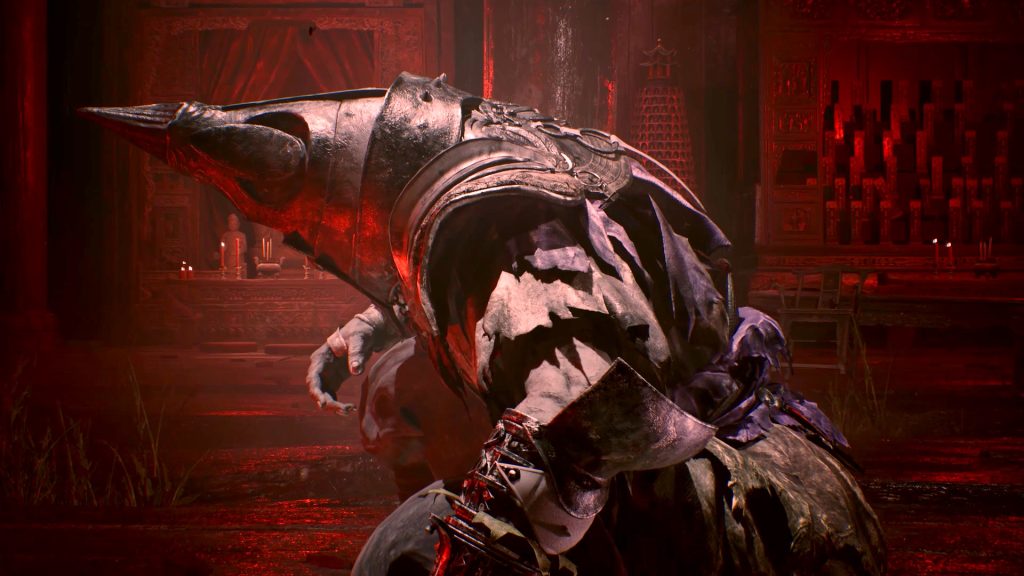
The jagged Steel fight is a great example. He’s framed as a hulking brute with some serious power behind that giant blade of his, his imposing posture and slow, deliberate movements being a great contrast to Soul’s deftness and agility. It isn’t just two warriors clashing their blades, but two distinct fighting styles playing off of each other to present sequences where every blow feels like it could be deadly if it lands, even as Soul’s quick movements reflect a strategy that uses precision and timing to wear the larger man down.
That the strategy is reflected so clearly in the fight is a testament to how well S-GAME frames it all, letting the game’s mechanics become a part of its cinematic flow. Of course, that could get boring quite quickly if that were the extent of what it offers. There’s also the way in which each boss encounter is choreographed to consider.
One Against Many
We know how the game makes Soul and his opponents feel distinct, and it’s now time to look at the opponents themselves. A small detour is a must at this point, as we ask you to look back on how Phantom Blade Zero’s always been quite emphatic about bringing a fresh new take on wuxia to the video game world, while also weaving in kung fu and steampunk elements into the mix.
The Wulin is also a part of this presentation, and it’s used very effectively to build up to the boss you’re about to meet even before introductions are made. The lead-up to one battle we’re going to dive into in a moment shows off a tower with smoking chimneys and cranking gears, a mechanical monstrosity that hides a very unique enemy to fight. But for now, it’s important to see how Phantom Blade Zero sets the stage for each fight, using its inspirations to paint the world around the boss in such a way that automatically adds to their imposing aura.
All that’s left is to crack your knuckles and take on the enemy waiting for you, then. Remember when we mentioned that Seven Stars battle? That’s a great example of how well entire groups are choreographed. The swordsmen attack as a unit, with Decree, the blue-eyed leader, acting as the coordinator of the group, complete with puppet strings to pull out in case things get hairy and the formation needs a quick reset.

Of course, individual warriors do act independently if they’re in range of you, and the result is a battle in which Soul’s talents are displayed very well, even as his opponent presents a sufficiently credible threat to pose a challenge to him. Openings in this fight are hard to come by, but they’re so effective at conveying the skill it must take for a lone warrior to fend off such a unit.
Soul was bodily lifted and slammed into the ground by one warrior, and the rest of the group immediately drew their blades for an attack. However, one well-timed dodge saw Soul turn the tables, using a single kick to push one warrior into the rest to throw them off balance, followed by a massive counterattack to shift the momentum of the battle back in his favor.
Notice how we describe those moves in the context of Soul and his opponent, forgetting our part in the whole thing? That’s a showcase of how Phantom Blade Zero makes you forget your own role in the action, the spectacle in front of you feeling so spellbinding that you begin to become one with the blades you’re trying to avoid, and the ones you’re wielding in response.
Up Close and Personal
We’d be doing Phantom Blade Zero a disservice if we didn’t talk about how it frames one-on-one encounters, and how many of those battles are so memorable thanks to the foes you face. The Lion Dance Puppet Grandmaster is a perfect blend of the game’s inspirations, bringing steampunk-powered attacks to a moveset that’s rooted in a very popular mechanic, one that was used to great effect in Shadow of the Erdtree too.
But things are different in this one thanks to how agile Soul is, and how the same principles we’ve spoken of before are now enhanced by a camera that immediately gets you up close and personal with the boss as you dodge its flurries of attacks and parry some to throw it off its game and dish out some serious damage.

The sheer aggression of the boss’s first phase is cancelled out by the slower, deliberate moveset of the second phase once you take one of the dancers out of the equation. That’s a contrast that’s handled well, and with the cinematic cutscene that punctuates the transition, this is a fight you’re sure to remember despite already seeing it in the previews. There’s a distinction between seeing Phantom Blade Zero in action and being a part of it, and the way it brings polished visual splendor to an experience that’s hell-bent on making you the cause and effect of a lot of spectacles is sublime.
Of course, that well-known fight against The Hunt showcases how that choreography translates to a moving scene, with the boss using the superior reach of his weapons to raise the stakes on the presentation front, while providing unique mechanical challenges to make the fight stick with you long after The Hunt himself is a distant memory.
Phantom Blade Zero does very well to make Soul feel like a seasoned veteran of The Order, while the foes he faces are worthy adversaries that help him demonstrate his grit and mastery not by being punching bags for his attacks, but by forcing him to use both his mind and body in equal measure in battles that are as much about strategy as they are about skill.
That the distinction is etched into your muscle memory as effortlessly as the game manages to make settling in feel, we’re looking at an experience where its polish feeds directly into what you’re doing as Soul. It’s probably why some reviews of the game have come down hard on glitches where enemies get stuck on the environment or even just drop all their aggro without rhyme or reason at times. They’re oddities that stand out as sore spots on an otherwise beautiful painting of bloody battles and satisfying revenge.
There’s one battle that takes place amidst a thunderstorm, where the lightning, weather, and the battle itself all blend into something that’s so spectacular, we’d actually warn you to pay attention lest you take a few blows from your enemy while you just gape at the scene in front of you.
That fight’s about aura farming as much as it is about winning, with pauses where you just circle each other, looking for the perfect moment to strike, with each opponent mounting offensive and defensive manoeuvres that you just know in your bones would be so fast that a normal person wouldn’t even be able to follow what was going on.
But that’s what Phantom Blade Zero does so well. It reminds you that you’re no ordinary hero, and that the Wulin is a wide world.
The Sounds Of Blades And Beats
Don’t get us started on that soundtrack, which isn’t afraid to mix in a bunch of different genres, beats, and scores to make both exploration and combat feel so involved. With a detailed world to back that up, alongside a camera that’s very well-behaved and quite good at giving you the best seat in the house to witness the magic you create, it’s probably easy to see how Phantom Blade Zero casts its spell.
The agency it gives you, and the way in which you’re encouraged to experiment thanks to generous respec conditions and a ton of resources to gain from exploring the world, all work well to embellish the cinematic flair that the game provides with mechanical depth and variety, all of which unfold in immensely satisfying ways.
It’s something we’ve said in our own review of the game, and it’s been echoed by other critical analyses as well. GamesRadar touched upon how the look and feel of the game’s combat work so well to make you feel like you’re capable of winning any fight you take on, even as your opponents look like they can and will take you down if you give them the slightest chance.
Creative Bloq did point to some skewed camera perspectives in some fights, though, which is something the gaming world still hasn’t fully figured out yet, and we’d not blame S-GAME too much on that front. But it’s worth noting for its presence, alongside reports of performance issues to consider. A patch or two should help iron things out, though.
Phantom Blade Zero is a game that’s responsive and smooth in your hands, and that’s used to great effect to make it a visual treat for your eyes once you get the hang of its combat and begin to let your creativity unfold on the battlefield. It’s an experience that sees you take on foes larger than you, or perhaps ones with a numerical advantage over you, or adversaries that invoke ancient art forms in interesting ways.
No matter the foe in front of you, Soul’s confidence is your own, and S-GAME does a great job of weaving the faith it has had in its vision into the very fabric of the experience it has created. On that front, we’d say congratulations are in order.
Note: The views expressed in this article are those of the author and do not necessarily represent the views of, and should not be attributed to, GamingBolt as an organization.