






2019’s Code Vein took Soulslike combat and filtered it through anime-infused visuals, and a flexible approach to build and character customisation. The upcoming Code Vein II is set to build on this already solid foundation, tightening combat, expanding tactical fluidity, and pushing you towards deeper personal expression. Lock-in if you want to know how the sequel is set to evolve the Code Vein formula – here’s fifteen of the biggest gameplay differences.
More Versatile Suite of Combat Abilities
Code Vein II expands its predecessor’s dynamic combat system, widening the Soulslike toolkit to layering weapon skills, blood abilities, and all-new Formae-driven techniques. The sequel’s goal is to make every encounter feel less like repeating Code Vein’s light-and-heavy attack moveset and more about responding intelligently with the right tool at the right time. In Code Vein II, you can expect more build-defining abilities, expanded manoeuvrability, and a sharper arsenal of devastating weaponry.
Blood Codes Can Now Be Swapped Mid-Fight
Blood Codes return from Code Vein as the foundation for the sequel’s build customisation, with your fighting style, weapon stats, and applicable Formae determined by your Code choices. The key differences here are flexibility and opportunity for expression; rather than committing to one Blood Code per fight, Code Vein II allows you to switch codes mid-combat. That means you can begin a battle with a defensive-leaning Code before pivoting into something more offensive or support-focused once you’ve learned an enemy’s patterns. This expansion encourages on-the-fly experimentation, rewarding your ability to react and adapt.
Expanded Blood-Draining Attacks
Replacing Blood Veils from the first game, Code Vein II introduces the “Jail” equipment system, broadening how and when you can harvest resources from enemies. In specialising your equipped gear, you’ll be able to perform new and unique blood-draining attacks to build up your Ichor. And, these are more than cinematic finishers – they’re integrated more deeply to your abilities and build customisations, providing buffs, intel on enemy manoeuvres, or opportunity to unleash devastating finishers that are tied to new weapons like the floating Rune Blade.
Greater Emphasis on Positioning
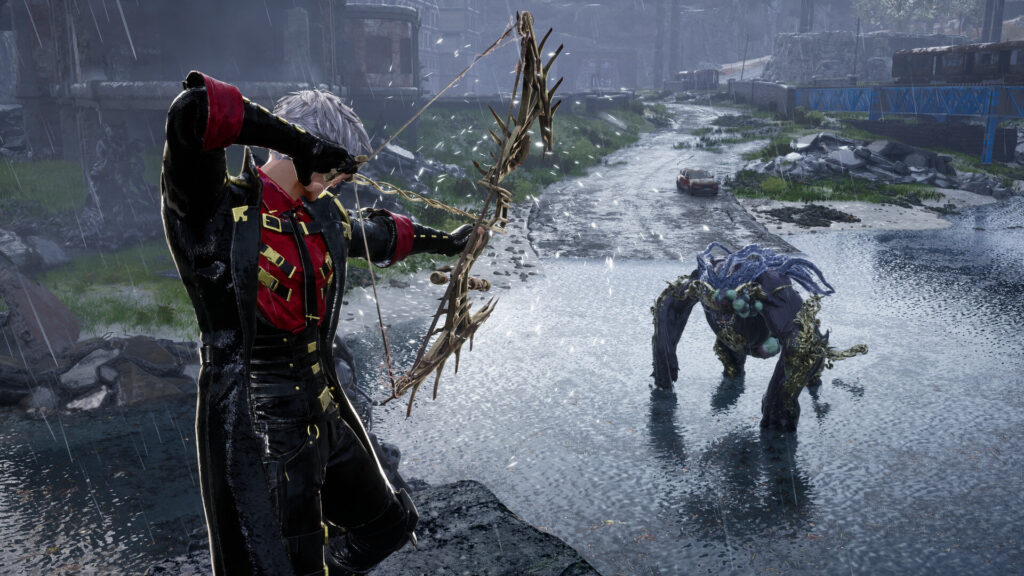
Where the first game could sometimes devolve into trading blows, Code Vein II places greater emphasis on spacing, timing, and enemy reading, all made easier by cleaner, more deliberate animations. Enemy attacks are crisper and telegraphs are clearer; the sequel gives you opportunities to respond with precision rather than button-bashing. This coalesces with resource management too; good positioning not only keeps you alive but opens high-value counters, plus chances to unleash Jails and Veil Breaks.
Weapon Formae Introduces New Combat Depth
We mentioned the sequel’s new Formae attacks in our “15 Things to Know” feature, and here we’ll go into greater detail. First, Weapon Formae brings a key evolution to Code Vein II’s combat compared to the original game, with ability variations which shape how your weapons function moment-to-moment. Falling into three sub-categories, Weapon Formae lets you specialise your arsenal beyond simple stat scaling. There’s Combat Formae, allowing you to unleash powerful weapon-based attacks; Magic Formae which delivers ranged and ability-enhanced strikes, and Support Formae for utility buffs to your character or weapon, enhancing your control of the battlefield.
Bequeathed and Defensive Formae Add Even More Variety
Beyond your Weapon Formae, Code Vein II layers in Bequeathed Formae – inherited techniques for summoning unique, massive weapons for devastating finishers – and Defensive Formae which focus on guards, parries counters, and special evasive manoeuvres. The result is a combat system where attack and defence aren’t just binary choices, but fluid motions which can be built around punishing openers, damage mitigation, and mid-bout momentum flipping.
Partner System Goes Deep
You should check out our “`15 Things” feature for a broad overview of the all-new partner system which replaces Code Vein’s co-op, as here we’ll dissect exactly what your AI-controlled companions bring to battle. Well, they aren’t passive tag-alongs; they wield their own weapons, Blood Codes, Formae, and blood-draining ability. They can apply buffs, cover angles, set-up and participate in powerful combined synergies. Your partner’s strengths are set to be a key strategic element to master while playing through the sequel’s campaign.
Trait Links and Bonuses Enhance Partner Synergies
Yes, your companions won’t just simply exist alongside you, but they’ll connect to your build through trait links and trait bonuses. Matching their abilities, Blood Codes, or Formae can unlock shared buffs and passive boosts, rewarding careful team selection rather than random choice. The system adds a light touch of RPG party depth but keeps the focus on real-time action. While dropping Code Vein’s co-op might be divisive, the developers have at least placed care into the sequel’s shift toward AI companions.
Six Companions Confirmed So Far
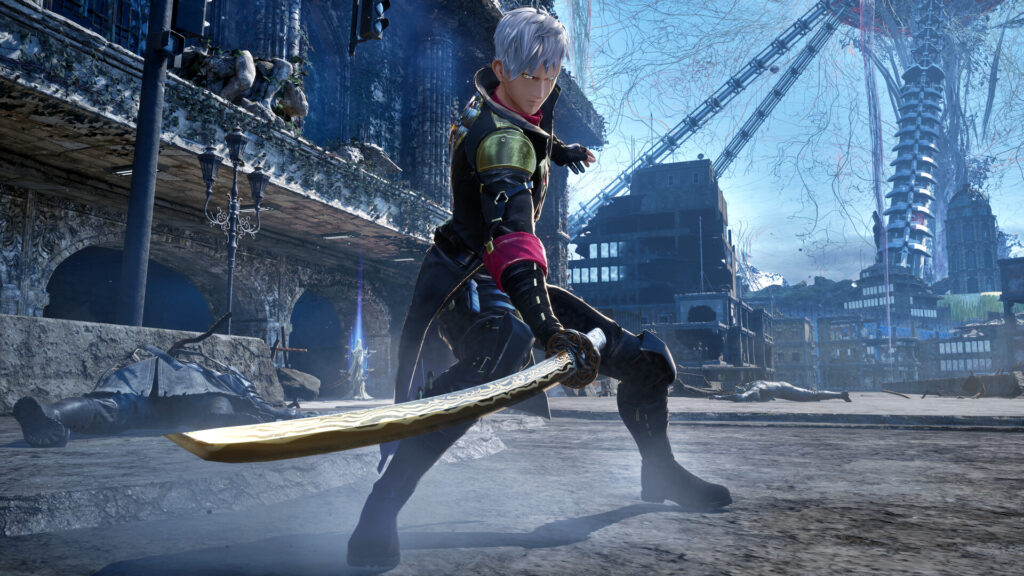
So far, Bandai Namco has confirmed six AI companions will journey alongside you in Code Vein II: Lou, Josee, Lyle, Holly, Noah, and Valentin, each bringing unique flair and distinct abilities. Some are more offensive in nature, while others are defensively aligned to fulfil support roles. It seems the sequel’s intention is to make choosing a partner as impactful as picking your favourite blade, opening up new playstyles based on who accompanies you.
Parry Mechanics Return as “Veil Break”
Parrying is back in Code Vein II, only this time it’s woven more tightly into the game’s resource management. Dubbed “Veil Break”, this high-risk, high-reward deflection demands surgically precise timing, but successful execution cracks your enemy’s resolve, refills your Ichor, and activates powerful passive effects. A word of caution: each Blood Veil has different parry timing and animations, providing extra challenge you’ll relish if you’re aiming for ultimate proficiency.
Deeper Build Customisations
In deepening customisation, Code Vein II reinforces one of its predecessor’s strongest elements. Centring mostly on weapons, now they can be sharpened through Formae, while Blood Codes – like the first game – remain highly modifiable via new skill-based augmentations which will push your build towards something deeply personal. Overall, there’s plenty more headroom to chase a hyper-specialised build, whether that’s evasive speedsters, tank-like brutes, or hybrid mage-like fighters.
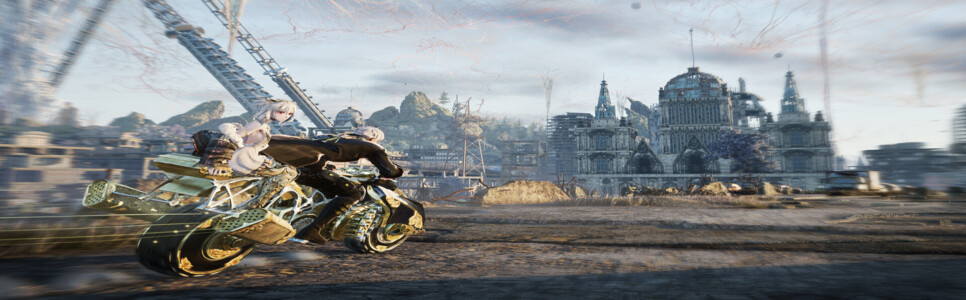
Motorcycle Supports Semi-Open World
A major structural shift – and one we touched on in our “15 Things to Know” feature – is Code Vein II’s semi-open world design. What we didn’t mention is the new motorcycle which will play a pivotal role in stitching the game’s regions together. While Code Vein resembled openness in its semi-linearity, it’s the sequel which provides a broader sense of exploration – and the motorcycle is integral to connecting its environments.
Visual Evolution Improves Combat Fluidity
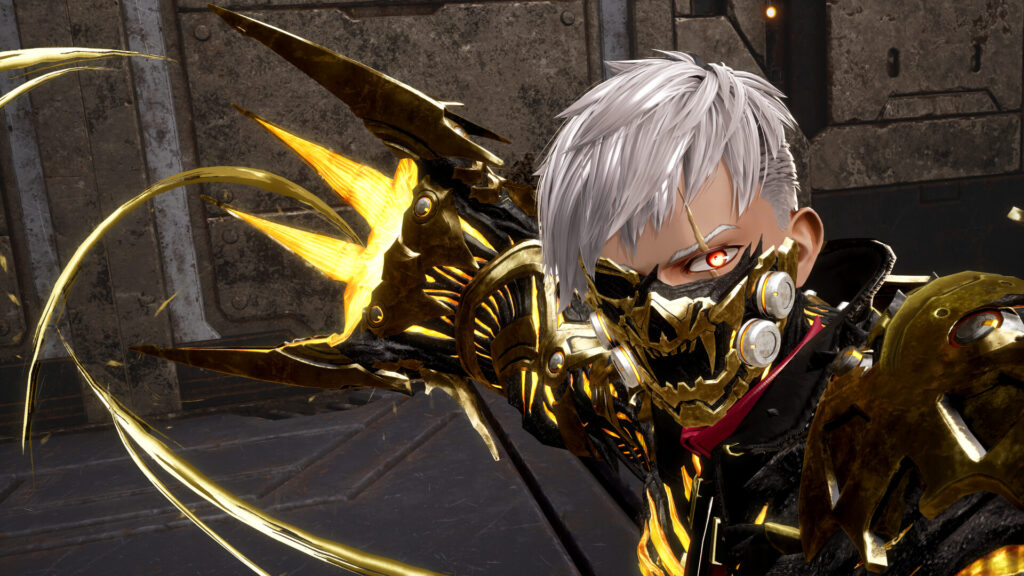
Away from its ambitious anime artstyle, the first Code Vein’s graphics received a mixed reception which, while overall fidelity isn’t always a game’s most important aspect, sometimes had a detrimental effect on combat readability. With its sharper detail and textures, Code Vein II provides cleaner silhouettes, more visual cues, and better-defined effects, making both traversal and combat more intuitive without losing the original’s distinctive artstyle.
Vertical Environments Change How Fighting Unfolds
Alongside the aforesaid semi-openness, Code Vein II leans more heavily into vertical world design when compared to its predecessor. Multi-level combat arenas, layered traversal routes, and newly reactive environmental hazards play a larger role in how each battle unfolds. In line with the sequel’s emphasis on spatial awareness, the game’s verticality encourages a new way of thinking: enemies can be lured into traps or attacking from height can yield positional advantages, while thought must be given to threats from above and below too.
Improved Target Lock-On
Enemies could be targeted in Code Vein, yet despite a “swap on defeat” setting the automatic targeting of new enemies after you’ve slain one was often sluggish or sticky. For the sequel, auto target switching and attack auto-trailing are set to return but they’ve been refined to provide better tracking. Coupled with improved camera behaviour, you’ll be able to follow your blade’s next victim much more reliably, reinforcing the game’s Soulslike aspirations.