






With NHL 27 having come out earlier this month, the developers at EA Sports were kind enough to answer some of our questions about the hockey game, with the topics ranging from Connected Franchise to team AI and other brand-new features.
Connected Franchise has been one of the most requested features in the series for years, but one of the biggest criticisms since players got their hands on NHL 27 is the absence of CPU-controlled teams, meaning smaller groups can’t run a complete 32-team league. Why was the mode launched without CPU-controlled teams, and is this something that could be added to NHL 27 after launch?
When we set out to build Connected Franchise, our vision was anchored in feedback we gathered from players early in the development cycle. Across every conversation one theme consistently rose to the top, human connection is the heartbeat of the mode. The richest, most memorable stories in a feature like this are always the ones created between friends, so we decided to prioritize the core social experience right out of the gate.
At the same time, we hear the feedback loud and clear regarding CPU-controlled teams for smaller groups trying to create their own experience. Our overarching goal is for Connected Franchise to be a staple of this series for many years to come, bringing those nostalgic moments that used to happen on the couch to a global scale. We’re actively gathering feedback and community wishlists through our portal. And as we’ve stated on many occasions already, our commitment is to continuously evolve and enrich this mode over time based on player feedback.
Connected Franchise also currently lacks features such as the entry draft, player progression, aging and retirement, while certain statistics don’t carry forward between seasons. How did the team decide where to draw the line for the mode’s first iteration, and which of these features are the biggest priorities going forward?
We understand there is a long wishlist of features players are asking for, and we fully anticipated this level of passion around Connected Franchise which is awesome to see. As with any development cycle, time constraints require feature priority and decision making.
For this first iteration, we focused heavily on building a brand-new UI system from scratch to ensure the mode was as solid and friction-free as possible. Within that framework, we prioritized core components that directly drive rich social interactions between managers, like full team-to-team trading and dynamic free-agent bidding to deliver an experience on day one that was solid and fun.
Having said that, we completely understand the importance of the franchise mechanics you mentioned. While you can currently play multiple seasons, we know that the deep stories friends want to write over time are fueled by things like entry drafts, seeing players age and retire, and tracking rich statistical histories from season to season.
Our goal which I will mention again is to build the future of this mode alongside the community, using their feedback to add the features that matter most and evolve Connected Franchise into the richest experience possible. So for those playing the game or have a passion for the mode visit our feedback portal as we would love to hear from all of you.
NHL 27‘s Cohesive Team AI and individual team playbooks are designed to make all 32 teams behave differently, but some early players and reviewers feel those differences become much less noticeable online, where familiar strategies such as cross-crease opportunities continue to dominate. Is that something the team is seeing in its own data, and how do you plan to make authentic team systems matter more in competitive play?
From a competitive online standpoint, when a game first launches, it’s completely natural for players to lean into familiar strategies. Frankly, on a 2-on-1, using the ice horizontally for a cross-crease pass is just fundamentally sound hockey. But hockey isn’t like football where you’re executing a rigidly scripted play, it’s a fluid, continuous sport where structure dictates opportunity.
Where these playbooks really come into play is in 5-on-5 zone attacks, defensive coverage, breakouts, and power play formations. Because every playbook is built on real-world positional data, the way teams move, rotate, and support the puck is completely bespoke. Some playbooks excel at low-board cycling, others focus on working the point to create net-front traffic, and some unlock unique set plays. When you layer in your specific lineup of players on top of those playbook systems, the tactical possibilities expand significantly.
There’s a ton under the hood that players are just beginning to scratch the surface of. As the community moves past day-one habits and starts experimenting with different playbooks, they’re going to discover nuances that give them a distinct tactical advantage. There is a world of tactical expression in NHL 27, and the more players explore and experiment, the more ways to win they’re going to find.
Goaltender animations and AI have received praise, but there are also players who feel goalies can become excessively difficult to beat in certain situations while familiar high-percentage scoring methods remain effective. How are you approaching goalie tuning and, more broadly, trying to increase the variety of viable ways players can score?
First off, it is great to hear that the new goaltender animations and the work we’ve done there are receiving praise. Goalies will always be a major topic of conversation in the NHL franchise. Goal-scoring is the distinct meta that drives the game, and since goalies are the last line of defense against that meta, they will always be under a passionate microscope when it comes to game balance.
This year, we focused heavily on making goalies better at anticipating situations and saving shots they can see. This doesn’t mean you can’t come in, find a seam, and fire a shot past a completely rested goalie, but we have improved their viability at making saves when they are fresh and can clearly see the puck. There’s been a journey with our goalies over the years where, at times, they felt too loose and too easy to beat in certain situations, and we know that’s simply not realistic. While you can certainly beat an NHL goalie with a clean shot, elite goalies are going to make that save the vast majority of the time when they have a clear line of sight.
Because of this, goalie fatigue plays a much bigger role this year. Wearing a netminder down is crucial, but a tired goalie doesn’t instantaneously become an automatic goal. Creating screens, shooting through heavy traffic, and forcing the goalie to move laterally across the entire crease will drastically increase your chances of lighting the lamp.
You also have to consider the matchup: who is shooting the puck and who is in net. You will see distinct variance there, especially when X-Factors come into play, adding an extra layer to that conflict resolution between shooter and goalie.
Ultimately, good hockey will be rewarded. Generating rebounds with players actively driving the net is highly effective, and our new playbooks bring more of those systemic opportunities to light. Focus on who you are shooting with, wearing the goalie down, and creating traffic for tips, but also don’t be surprised when you can just blow a clean shot by the goalie on a breakaway under the right circumstances. The goal here is balance and variety. A great hockey game offers multiple ways to score, and we have worked hard to ensure there is as much scoring variety as possible while always rewarding strong tactical play.
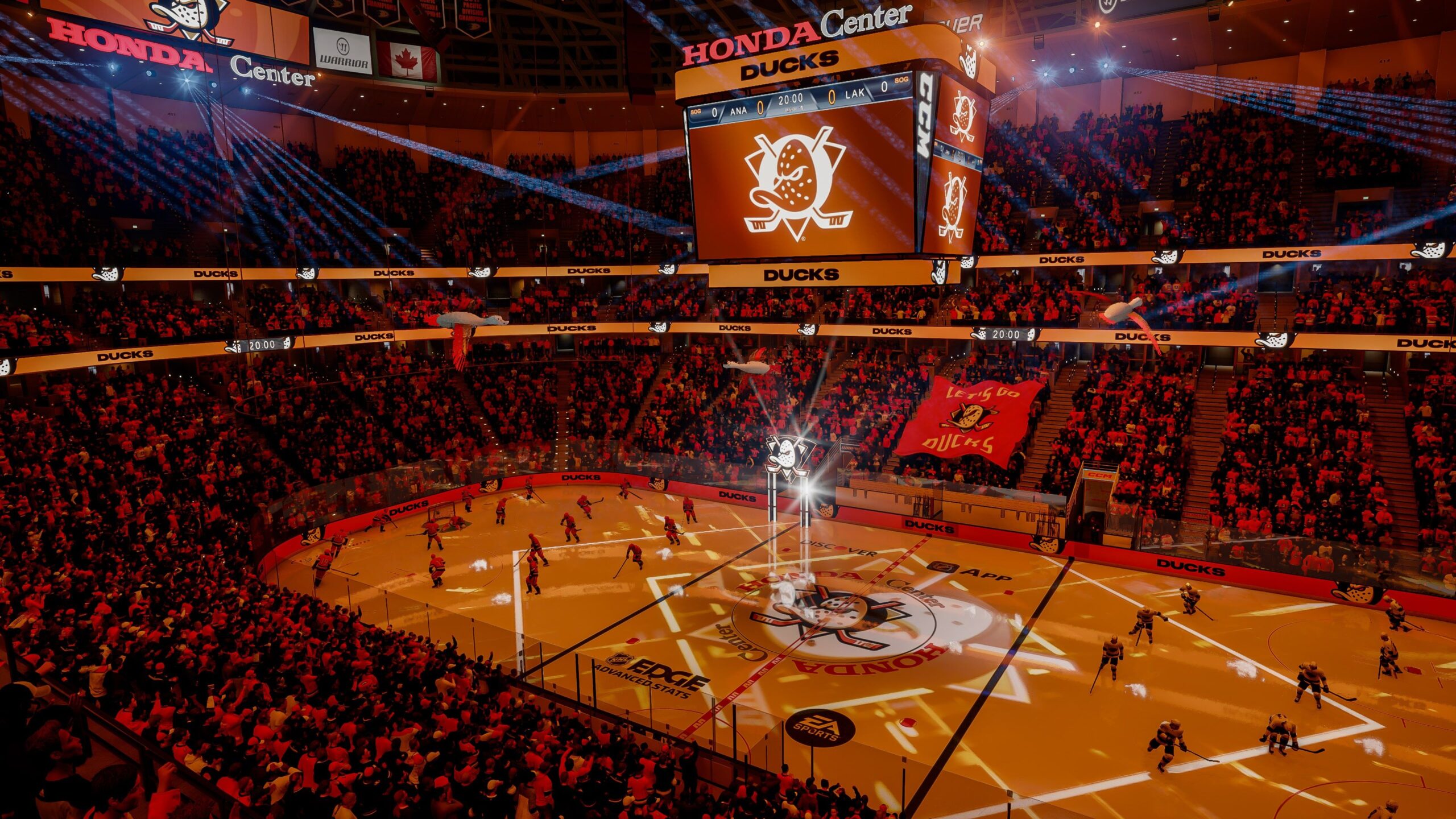
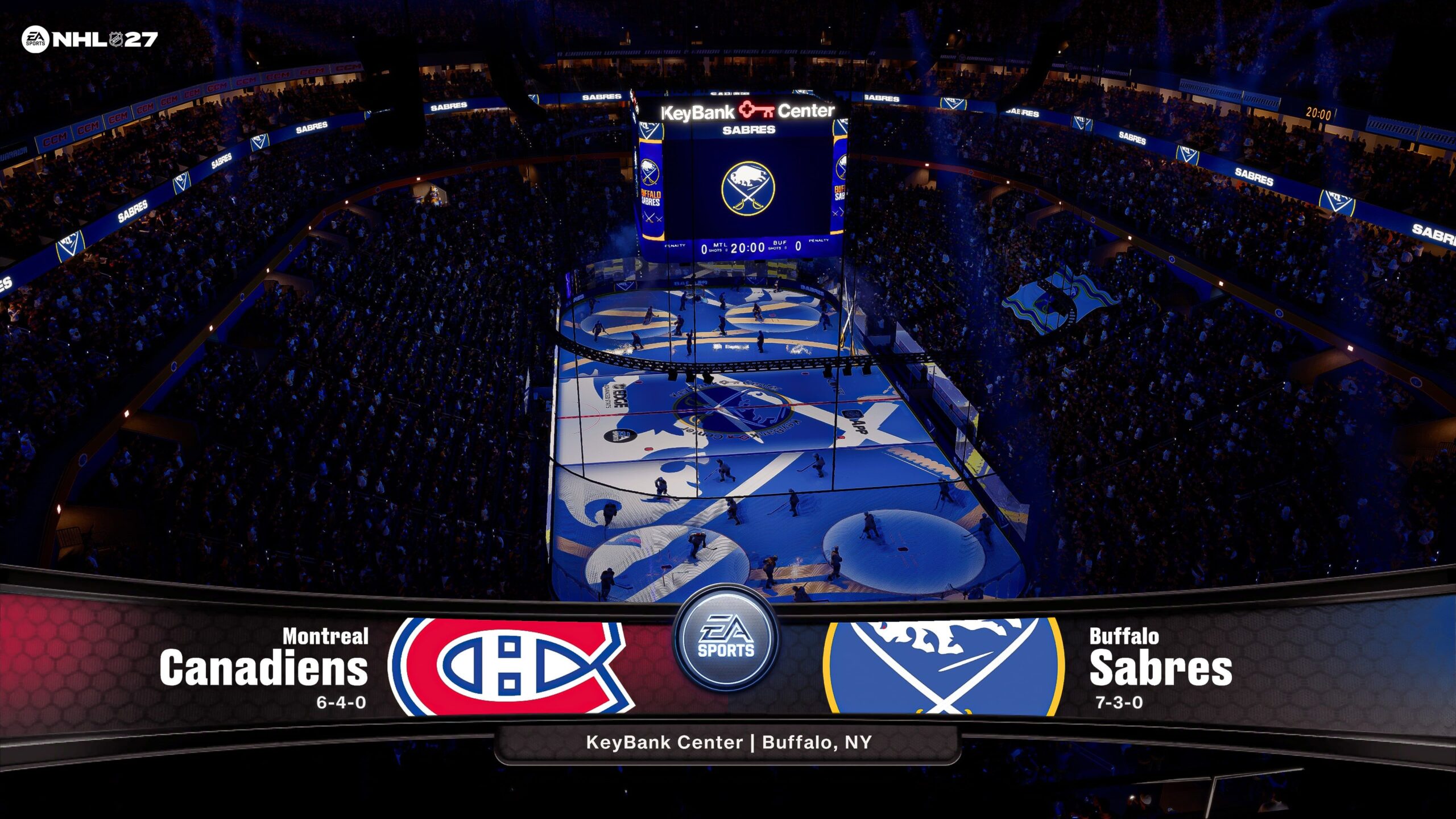
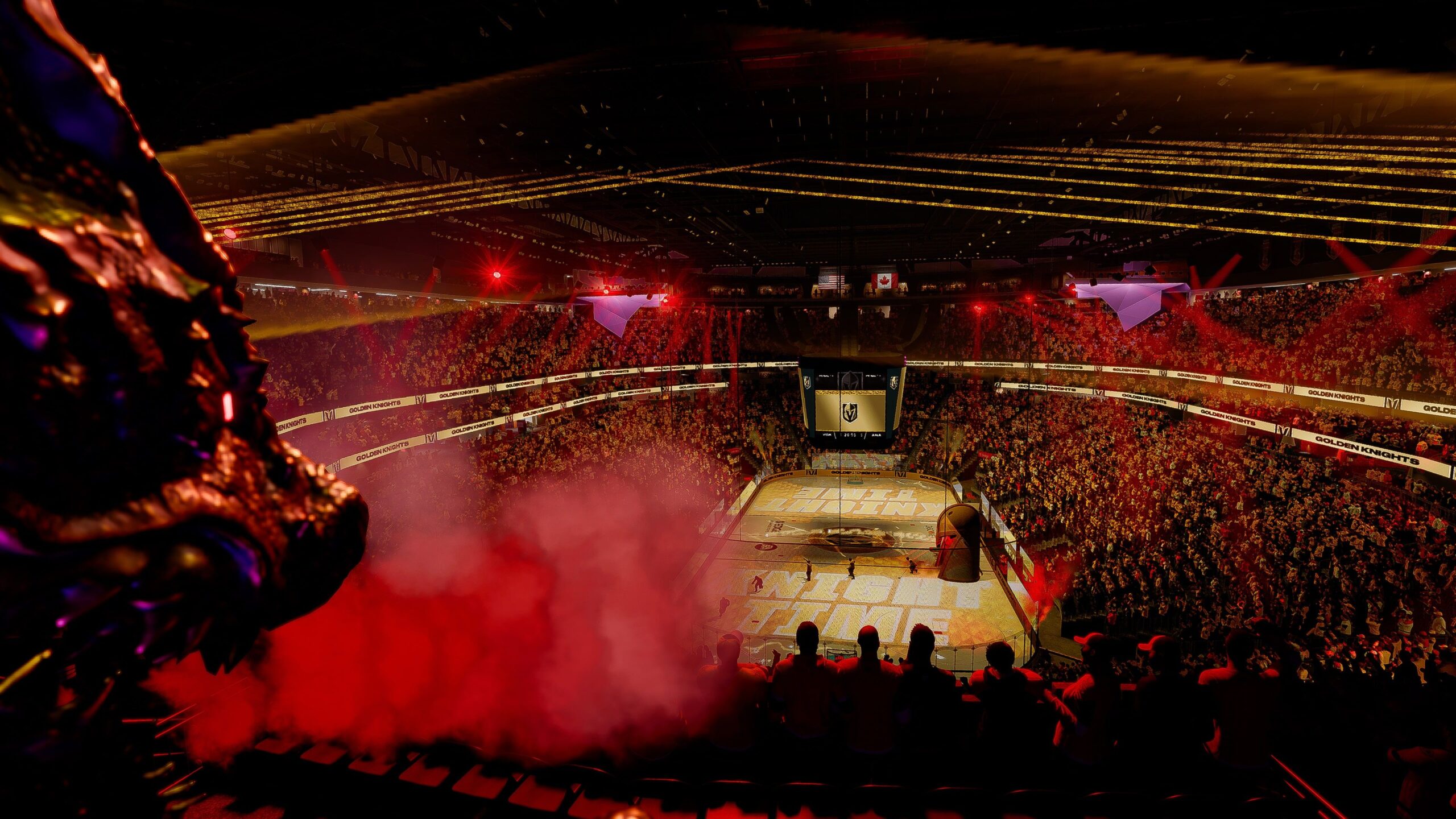
The revamped arenas, crowds, goal songs and overall presentation have been among the most consistently praised elements of NHL 27. At the same time, there has been criticism around repeated or occasionally contextually inaccurate commentary and the continued use of generic environments outside the NHL. Are either of those areas something the team intends to expand or improve through post-launch updates?
Commentary is a living feature, and our work on it certainly doesn’t stop at launch. We brought in a completely new broadcast team this year, and as we move forward, we are fully committed to updating and adding new conversational content to the commentary system. Our goal is to continually branch out what is offered, adding more situational depth to the stories and improving the contextual accuracy of the moment-to-moment gameplay.
Regarding environments, our primary focus for NHL 27 was nailing the atmosphere across the 32 NHL venues first. However, non-NHL rinks still benefit from our new foundational tech. You will absolutely see features like the dynamic crowd system and the orchestrator presentation system carry over to these arenas. As the franchise moves forward we will look at adding the components unique to the NHL venues currently across into all arenas.
Looking beyond immediate balancing and bug fixes, which parts of the feedback you’re receiving can realistically be addressed during NHL 27‘s post-launch support, and which changes are substantial enough that they would have to become longer-term goals for the series?
Based on the feedback coming in through our Feedback Portal and other community channels, we are constantly evaluating when and how to address things. It really comes down to balancing development bandwidth and we are always simultaneously working on live updates for the current game while laying the groundwork for the future.
As you mentioned, some changes simply take more time than others, so we evaluate everything on a case-by-case basis. The goal is always to do the right thing at the right time. If there is an avenue to address a piece of feedback or make a meaningful addition quickly, promptly, and at a high quality, we are going to do it. Over the course of NHL 26, we actually increased the frequency of changes and additions going into our game, and we want to carry that live-service momentum forward.
Can you break down NHL 27‘s target resolutions and frame rates across PS5, PS5 Pro, Xbox Series X and Xbox Series S? What specific enhancements does PS5 Pro receive over the standard PS5 version, and are there any differences in image quality, graphical settings or performance between Xbox Series X and Series S?
All of our platforms target 4K resolution, except for Series S which targets 1440p. Our gameplay renders at 60fps across all platforms. The PS5 Pro enhancement comes from a higher native resolution and higher frame rate during cinematics, leveraging Sony’s PSSR 2 technology, Compared to Series S, the Series X platform offers higher native and target resolutions, achieving higher visual fidelity.