





Onimusha: Way of the Sword has been a long time coming. The classic samurai horror series has been dormant for nearly two decades, but the franchise is back with a new protagonist, a new setting, and numerous noteworthy updates to how its signature swordplay works. The original magic is still present though, with Way of the Sword revolving around Genma, powers, and Issen. The key difference, however, is that these familiarities have been rebuilt around a modern action-game framework. Yet, if you’ve played Onimusha: Warlords, Onimusha 2: Samurai’s Destiny, Onimusha 3: Demon Siege, and Onimusha: Dawn of Dreams, you’ll know that there are plenty more changes between the original four and Way of the Sword.
Here are fifteen of the biggest.
A New Era, A New Kyoto
Beginning with the most visible change. Way of the Sword, instead of returning to the Sengoku period which defined the original games, moves into early Edo-period Kyoto. Using iconic, real-life locations such as Kiyomizu-dera, Mount Oe and Rokudo Chinno-ji – places known for their scenery, religious significance, or folkloric connection – gives the game a very different historical identity. Compared to Onimusha: Warlords’ chaotic conflict surrounding Inabayama Castle, Way of the Sword isn’t simply swapping one backdrop for another but weaving landmarks and legends from a different era into its dark fantasy.
A Standalone Story Instead of Continuing the Nobunaga Saga
If you’ve never played an Onimusha game before, you need not worry. Way of the Sword is deliberately designed to welcome newcomers, with the developer confirming the game takes place in a completely different world to the original games, free from narrative connection to previous titles or the Netflix series. In other words: you can experience a fresh story from the same starting point as everyone else; something which wasn’t possible with Onimusha 3, for example. Then, Samanosuke continued the conflict that began in Warlords and continued through Onimusha 2. If there’s a reason Way of the Sword isn’t called Onimusha 5, it’s this.
Miyamoto Musashi is a Different Kind of Hero
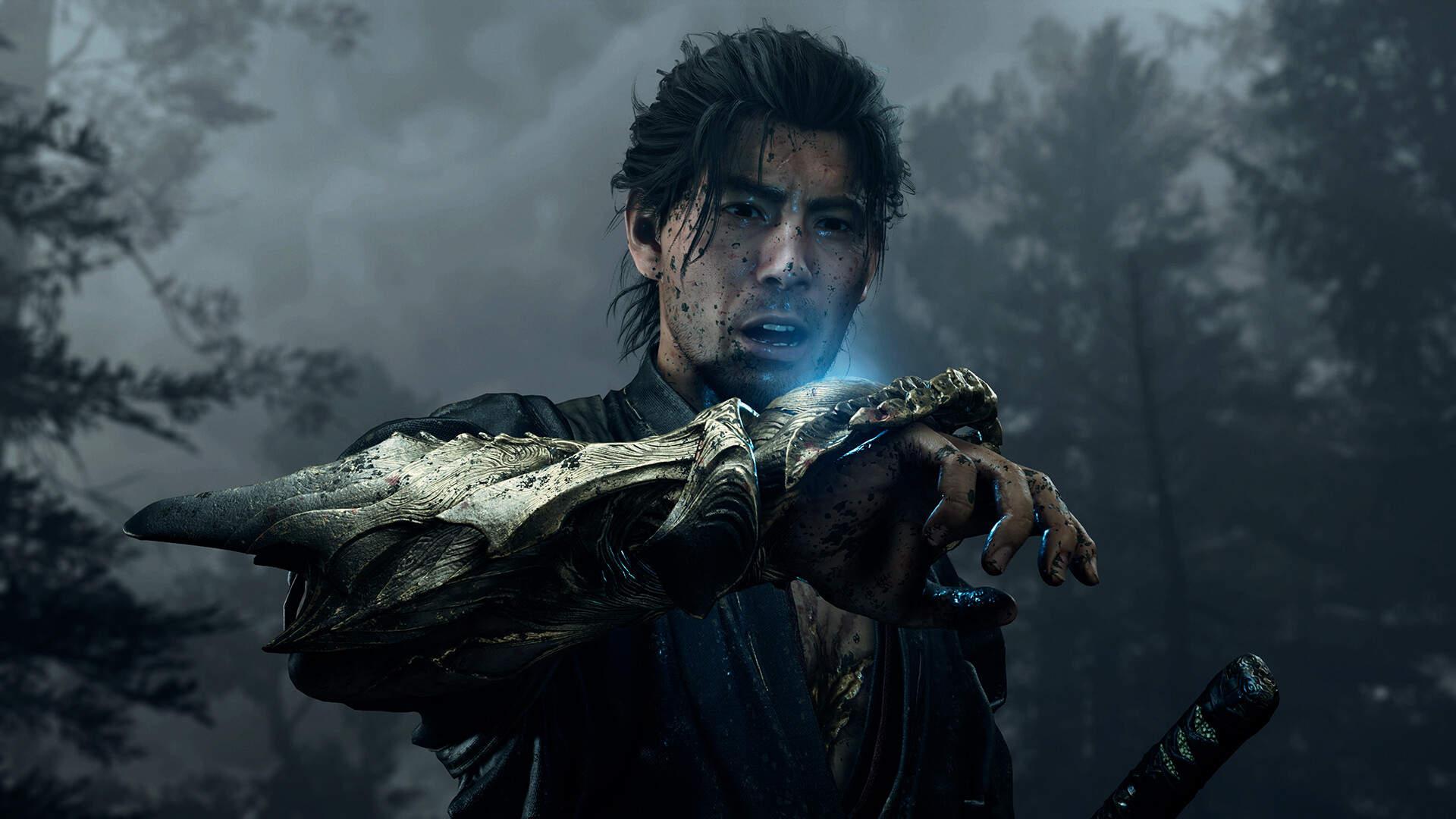
Musashi arrives in Kyoto with a simple ambition to prove he’s the ultimate swordsman. Crucially, however, he has no interest in the supernatural power offered by the Gauntlet, presenting an intriguing thematic contrast with Jubei Yagyu in Onimusha 2. Then, Jubei’s story revolved around revenge. For Musashi, his special skils are an intrusion on his own natural abilities.
The Camera Completely Changes How Onimusha Feels
Alongside the aforesaid switch to the early-Edo era, Way of the Sword embracing modern camera angles is another change you’ll notice immediately. The game follows Musashi from a third-person perspective, allowing you to see his surroundings as he moves through the world. This viewpoint sits in stark contrast to Onimusha: Warlords which inherited the fixed camera angles from the developer’s other survival-horror franchise. While not every original game used a fixed camera, Way of the Sword still marks a dramatic change in how combat is portrayed.
Sword Clashes Are Now The Foundation of Combat
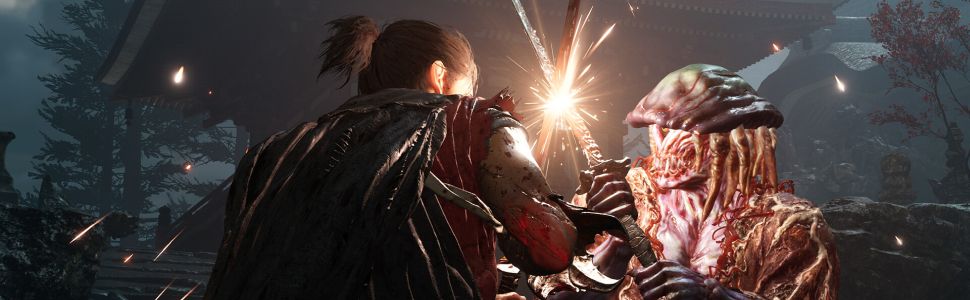
For this upcoming reboot, the developer has emphasised blade-on-blade contact will be more impactful, with parries and deflections designed to make sword clashes feel physical. The studio has repeatedly talked about wanting you to feel the sensation of swords colliding. In comparison, Onimusha 2 was much simpler. Jubei could attack, block, counter, and perform the devastating Issen, where finding the perfect moment to strike provided the game’s skill ceiling. Way of the Sword, instead, layers more interaction into each exchange, bringing a more reactive duelling system than was seen previously.
Parry and Deflect Are Now Two Distinct Tactical Tools
Parry and Deflect show how Way of the Sword’s combat has become more granular. See, each action performs a different job: successful parries power up Musashi’s sword, while well-timed deflections damage an enemy’s stamina. Once that stamina is depleted, Musashi can trigger an Issen Break, thereby placing greater emphasis on defensive play than any of the game’s forbears. So, while Dawn of Dreams already had broader combat possibilities than Onimusha’s earliest games – blocking, evasion, and critical strikes included – Way of the Sword takes those manoeuvres and separates them into their own systems.
Issen Has Evolved From One Perfect Counter Into a Bigger System
Onimusha’s iconic Issen returns in Way of the Sword, and while the basic principle remains the same – attacking at the precise moment before an enemy attack lands – the technique has been reworked with surrounding systems. The new Issen Break, for instance, can be triggered by exhausting an enemy’s stamina, which is markedly different from Onimusha 2 where Issen was used as the perfect counter that could be chained between enemies. All in all, the developer has expanded the system’s potential, giving you more routes toward the same devastating damage.
Dodging Can Now Lead Directly Into Offense
Way of the Sword is poised to upgrade Onimusha’s dodging mechanics, too. Now, repeatedly evading enemy attacks fills the Reflex Dodge gauge, which can then unleash a powerful Reflex Combo when it is charged. Whereas Dawn of Dreams already featured evasive manoeuvres among its expansive toolkit, it did not treat dodges as a resource that can lead directly into offense. It’s just another example of how Way of the Sword places greater emphasis on defensive play, and rewards you for doing it well.
Damage and Executions Are More Physical
The Onimusha series has always excelled at making successful sword strikes feel decisive. Indeed, Onimusha 2’s Issen produced a gory and gratifying lethal critical strike. Way of the Sword takes this foundation and maximises its impact with a dynamic dismemberment system. Now, Genma can be severed according to the actual path your blade takes through their bodies, using modern hit technology to show blood and viscera in detail beyond what was previously possible.
Soul Absorption Now Fits Into Much Faster Combat
While Musashi’s Gauntlet still sucks the souls out of downed opponents, the difference now is that he can absorb souls while moving. This is something the developer has implemented, presumably, as combat in Way of the Sword runs at a quicker pace overall. What’s more, enemies such as Daidara can consume souls themselves, giving another reason to utilise the newfound hastiness in soul absorption.
Character Progression Is Broader Than Powering Up Weapons
In Way of the Sword, souls and treasures can be used to upgrade your equipment and unlock abilities, while Charms can be equipped to give Musashi extra effects. Now, RPG-like progression isn’t new to the series; Dawn of Dreams, for instance, pushed deep character customisation, while Onimusha 2’s coloured souls strengthened weapons, armour, health, magic, and so on. However, neither combined upgrades with an equipment-based system.
Special Abilities
Yes, Musashi’s abilities bring techniques for traversal as well as combat. His Strength ability, for example, can smash through defensive barriers, while Agility allows him to defy gravity and run along sheer walls, reaching otherwise inaccessible places. Dawn of Dreams previously, to solve these problems, gave different player-characters different abilities – Jubei could squeeze through tight spaces, Ohatsu used a grapple hook, and Roberto could move heavy objects.
Kyoto Opens Up Differently From Classic Onimusha Stages
While Way of the Sword isn’t open-world, the reboot does make individual areas more expansive alongside its more linear stage design. Tighter missions occasionally lead into larger sections, with Genma rifts, demonic structures, and toxic smog blocking parts of the city until their points of origin are cleared. In comparison, Dawn of Dreams was classically stage-driven, although the game encouraged you to revisit cleared locations with different characters and abilities.
The Base Serves a Different Purpose
In Way of the Sword, there is base of operations for Musashi’s campaign, giving you respite away from the dangerous city. This isn’t wholly unique as Onimusha 2’s Imasho gave Jubei an enemy-free place to rest too. However, both hubs serve different purposes: Imasho was tied to a relationship system whereby Jubei could build an affinity with four allies, influencing, ultimately, who assisted you in battle. Rokudo Chinno-ji, meanwhile, appears focused on becoming the quiet centre of Musashi’s journey.
Ranged Weapons Are More Integrated Into Exploration and Bosses
And finally, there’s the humble Bow, giving Musashi a ranged option for dealing with more than distant enemies. See, it can activate environmental mechanisms, trigger traps, and even sever bosses from their power source. Now, again, the presence of a bow isn’t what’s distinct here. Samanosuke in Onimusha 3 carried a bow with several arrow types, for instance. What’s different in Way of the Sword is how the game expands a familiar weapon with more layers.