






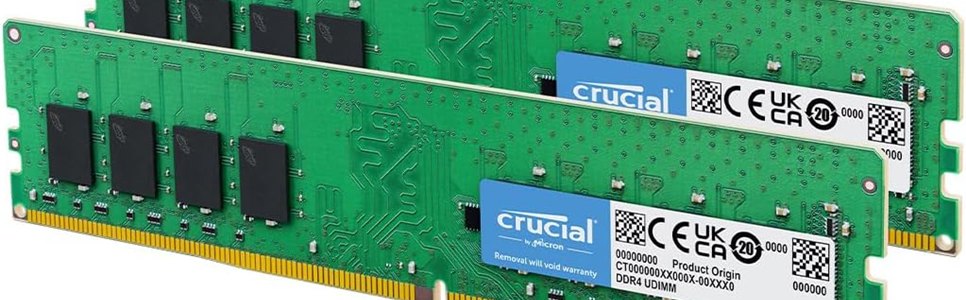
It’s no secret that the current generation of gaming hardware is capable of running some truly incredible experiences that stretch the boundaries of gaming as a medium. And while PCs have always been great machines for those among you who like to have their games running at their best, and outperforming consoles as a result, recent developments might make them out of reach for many gamers.
We’re talking about the fact that a standard PS5, on which you get to play the majority of big releases and even a few great exclusives too, now costs less than a 64GB DDR5 RAM Kit for your PC. At $600 for a part that’s quite important to the overall output of your rig, building out your dream PC now threatens to make a nightmare out of your finances. You could snag a PS5 Pro for that kind of cash if you pick one up via the Cyber Monday deal on Amazon at the time of writing this article.
But is this spike in component prices temporary, or a sign of harder times to come? What’s behind it? What do we recommend for those of you thinking of upgrading your old PC? Join us as we take a look at a phenomenon that’s rather unprecedented, and perhaps an opportunity for the gaming industry to take things in its stride as the next year unfolds.
Cause and Effect
It’s a good idea to take a wider view of the problem before we get down to how it affects us all, considering we’re at one extreme of supply chains and competing with other stakeholders whose needs are far greater than ours on the memory front. It isn’t just RAM that’s become dearer to own. Parts like DRAM, SSD (NAND), and even HDDs are beginning to become quite a strain on consumer wallets.
But why? AI is the answer. DRAM, SSDs, and HDDs are now facing an almost overwhelming spike in demand thanks to AI Data Centers, while memory chips face a similar situation thanks to their crucial role in AI servers. It’s a situation that’s rather unique, according to the leading voices from manufacturers and others in the industry.
ADATA’s chairman, for instance, has commented on the insatiable upstream demand for components from AI data centers, while Samsung has raised prices on its memory chips by up to 60% in a single increase – a potential attempt to offset the overwhelming demand it is facing thanks to the AI boom.
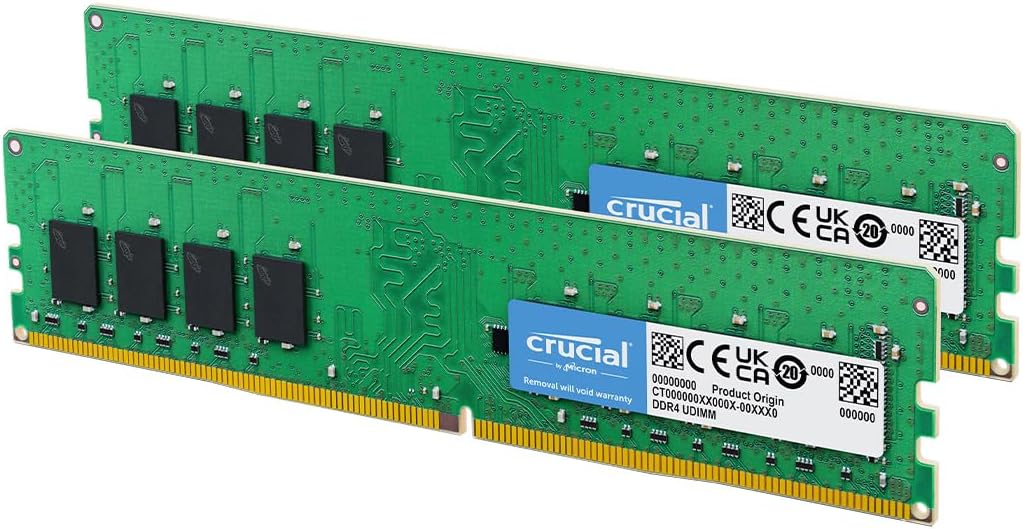
PC manufacturers are finding their own ways of chiming in, warning investors that a shortage of parts, thanks to the demand from the AI side of things, is going to eat into PC margins and perhaps even require a revision of pricing models if things come to it. Retailers are already moving to spot pricing on RAM, fixed price tags making no sense anymore, thanks to wild fluctuations in pricing.
And while we’re on the subject of prices, it’s alarming to think that a DDR5 kit costs three times as much today as it did just a year ago. And it’s reportedly the first time in 30 years that we’ve seen such a shortage of RAM and the other components we’ve been discussing.
But how does that affect gamers and console manufacturers? Aside from an obvious burden on PC owners who might now have to hold off on their next upgrade, with likely consequences for their gaming plans if there isn’t a solution in sight, it’s likely that console owners might also face the brunt of it.
Rippling Consequences
As far as PC gamers go, the new prices on 32 or 64GB DDR5 RAM kits are now a significant percentage of a new rig instead of a nifty add-on that unlocks more potential for great gaming experiences. That makes an entry into PC quite prohibitive, and could affect sales of gaming PCs since consoles are a cheaper and perhaps a more convenient solution at that price point.
Indeed, with the PS5 Pro costing what it does, somebody torn between a gaming PC and Sony’s behemoth might just throw in the towel and choose the latter. With some attractive bundles on Sony’s exclusives, they might just even get a kick out of picking up a machine themed after their new favorite game.
If going custom isn’t your thing, it still isn’t a reason to sigh with relief. Pre-assembled machines might come with 16GB onboard to offset rising costs, making them a less-than-desirable option for gaming since many new games are increasingly recommending 32GB of RAM for smooth performance. Choosing to upgrade is going to make that price tag go quite high, and it’s likely that a lot of gamers are going to settle for playing on minimum specs.
PC gamers looking to upgrade might choose to delay their plans, and it might even be a prudent option to do so if your setup is recent enough to withstand what the next year or so of games has to offer. On a more granular level, installing massive games on your machines, be it old or new, might get more painful as your 2-4TB NVMe drives aren’t as cheap as they were in the last couple of years.
If you’re a console owner and wondering if you’ve managed to escape the worst of it, you’re only partially correct. Yes, your next upgrade is still a while away, and you can take solace in the knowledge that you’re going to be able to play everything that comes along in the interim. But there’s still going to be a price to pay if you take a long-term view of things.
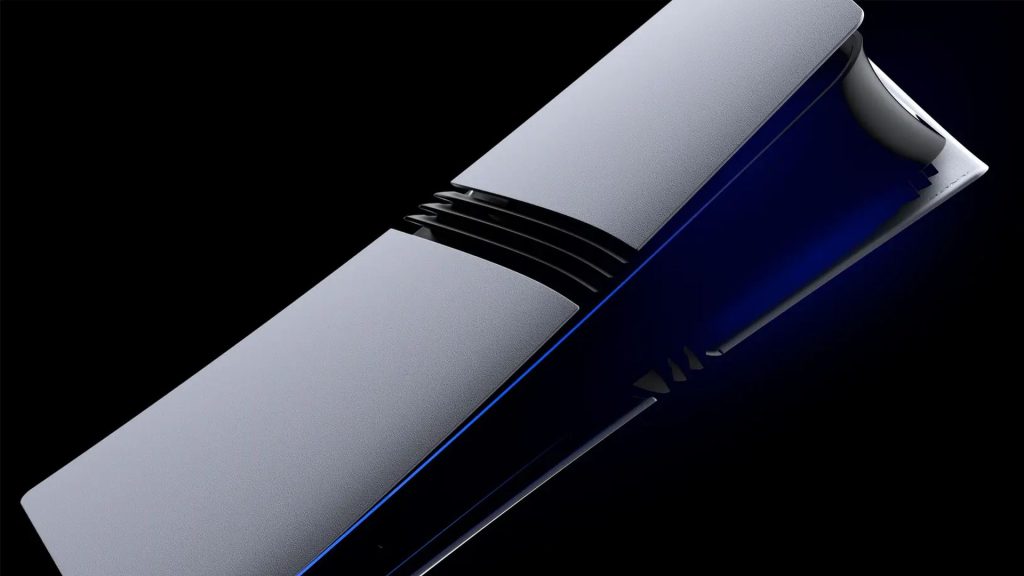
Considering that we’re now well into the final leg of the current generation of gaming hardware, and with both Sony and Microsoft beginning to look at potential successors to their current offerings, it’s safe to guess that manufacturing has to start at some point. And with prices on memory being up at anything between 30-60%, it’s safe to say that console manufacturers are going to see higher bills of materials and increased costs.
And with those costs eating into their margins in a highly competitive space, it’s going to be interesting to see if the gaming industry’s biggest names are going to be able to absorb the hit, pass it on to their consumers, or find some sort of middle ground between the two. But what we can expect is fewer price cuts on new consoles, and mid-gen upgrades might not be as generous as they are now, or might bring a beefier stat sheet but at a significantly higher price tag, just like their PC counterparts. It’s a situation with price increases all around, and it might be that way for the foreseeable future.
And let’s not forget our dear friends, the scalpers, who thrive on the chaos of limited supply on high-demand products, who can jack up prices even further in the event that things don’t improve. That could make it even harder for the average gamer to get their hands on quality parts for PCs, and even consoles might get a little out of reach if there are any supply issues like the PS5 had when it was first released.
A Grim Forecast With A Bright Horizon
The best minds in the industry have only bad news about potential timelines for the issue to resolve itself. It’s likely that things are going to get worse before they get better, a prediction that’s backed by ADATA and Samsung. Retailers are looking at RAM as a quickly moving commodity as opposed to a stable PC part, evidenced by spot pricing.
And with demand on the AI side of things only increasing, 2026 might just be worse than 2025 until manufacturers are able to ramp up production to meet demand, along with a window for those supply chains to stabilize. But such things take time, and analysts are glumly forecasting a sort of “new normal” for high-priced RAM and SSDs.
But things aren’t too bleak with a little luck on your side. For instance, if you’re on a 32GB DDR4 setup, you’re probably going to ride out the wave quite comfortably, with no real reason for urgency in your upgrade timeline. If this has dampened your excitement for a new build but you’re determined to forge ahead anyway, prioritize your GPU and CPU (in that order) over your RAM, and stick to a sensible 32GB DDR5 setup over any ultra-fast 64GB ones.
You might want to wishlist a few components you need and get notified on promotions or sales in order to get your prices down, and perhaps even see if you can get some good deals on trade-ins if that’s an option for you. Console owners, the fallout from this particular situation is still a little while away, but you might want to start saving up for your next machine and expect fewer discounts. You might not have to compromise too much on performance, though, and since you can’t upgrade RAM on your machines, your time is certainly easier in the short term.
It’s going to be interesting to see how things pan out over the course of a new year. Here’s to keeping the hope alive for a quicker and more efficient solution to the problem that currently has the gaming industry on its back foot. In the meantime, the best thing we can do is enjoy the games that come our way, even if we’re making a few compromises in how we do that.
Note: The views expressed in this article are those of the author and do not necessarily represent the views of, and should not be attributed to, GamingBolt as an organization.