






We’re here once again to talk about the turbulence that many of you might say is of Sony’s own making. But while we talked about how its decision to halt production of physical copies of its first-party and third-party titles and the ensuing PR disaster that followed could have been handled better, we pointed out that the decision made sense from Sony’s perspective as things stood.
However, that might have changed, and the storm of disgruntled voices has since become a maelstrom of debates on the legal and ethical ramifications of Sony’s choice, with authorities, activists, and publishers from around the globe bringing varying perspectives, all of which point to debates that are much larger than any of us might have imagined. Of course, Sony’s stony silence continues to be as much of a concern as it was last week. There’s a lot to unpack, so let’s get right to it!
A Matter of Trust
Let’s begin with Mexican lawmakers filing an antitrust motion against Sony’s digital-only push. The allegation is that doing so would make Sony gain an unprecedented level of control over PlayStation titles, since its digital storefront would be the only way players can access them. That would mean it sets the prices it wants without any competition getting in its way, while it also controls regional availability and even access to purchased titles.
We touched upon the access aspect of digital ownership before, but it’s the other two arguments that we find quite interesting. It’s no secret that games are getting expensive, and the effect of a digital-only PlayStation ecosystem would certainly affect its second-hand ecosystem, pricing out players who cannot, or will not, fork over the extra cash for digital copies of games. Of course, those who do buy them only gain a licence, and not ownership, of a title even at that higher price. That’s an area of concern and is one that has triggered scrutiny thanks to a very vocal community of players against the move. The Don’t Kill the Disc campaign sits at 300,000 signatories at the time of writing this, and even the just-released trailer for Marvel’s Wolverine has a lot of chatter about the situation.
Of course, the effect on retail markets for physical games is now something that’s been widely discussed, but it pays to think about how shutting down a channel of distribution that allowed players ownership over their purchases and the potential of competitive pricing could be seen as dicey from legal and ethical fronts. The antitrust proceedings are no surprise, then, and it’s going to be interesting to see how that develops in the near future.
There’s also the Electronic Frontier Foundation, an organization focused on digital rights and ownership, which has strongly opposed Sony’s move. It argues that digital-only gaming can raise the minimum cost of entry by removing access to used copies, borrowing and resale while increasingly tying consumers to expensive platforms and subscription ecosystems.
The organization has also highlighted how DRM and account-based restrictions can give companies far greater control over games even after customers have paid for them. Access can remain dependent on servers, accounts, and licensing conditions, leaving consumers with fewer guarantees than they would receive from a physical copy.
Its advocacy is particularly relevant to Sony’s digital-only push, showing that the strategy leaves major concerns surrounding affordability, ownership and long-term access unresolved – something that becomes even more apparent with what we’re about to discuss next.
Counterproductivity Concerns
Many players and notable figures in the gaming world have raised concerns about PSN itself being a major liability to Sony’s attempt at a digital-only future, as it could automatically cut off paying customers from regions where there is no access to the digital storefront, approximately 121 countries across the world. Having physical copies available for those regions is as logical as Sony’s choice to cease physical disc production from a cost perspective. Has it balanced out enough against the potential losses it could face from these markets to justify the decision?
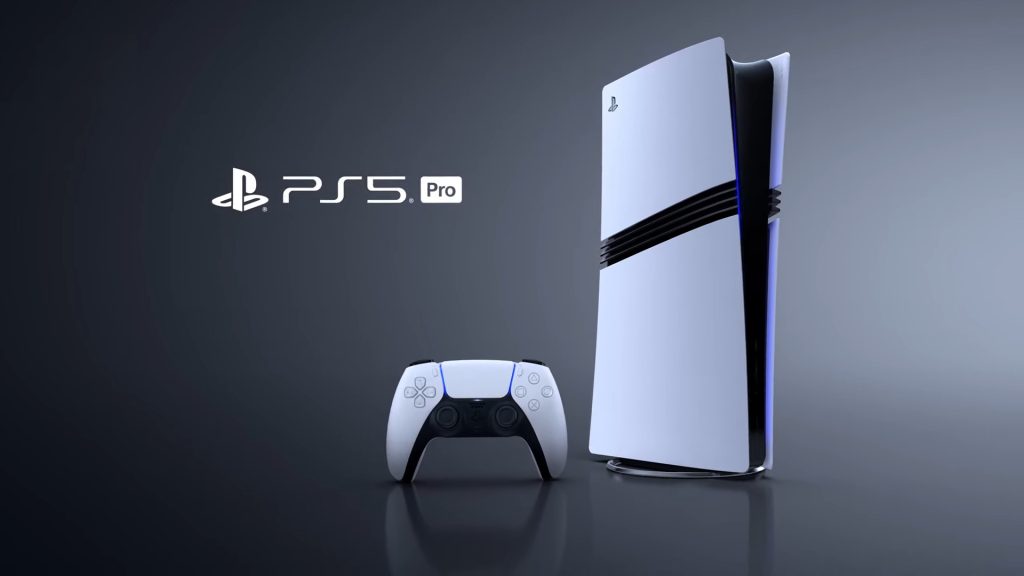
There are also concerns from players who might move to a different region, their faithful PlayStation in tow. They’d be forced to stick to their original account since their entire library is on it, and switching regions on their account isn’t an option. That’s a limitation we’d imagine should be accounted for in the near future as the 2028 deadline for a digital-only PlayStation economy draws near. It isn’t a good look for Sony, as it’s quite easy to see this as a business preference that does not acknowledge the accessibility barrier it creates for a brand that ironically says that play has no limits. It does, though, and there are even publishers taking a stand on the issue while acknowledging their limited capacity to act in a firmer manner.
Astrolabe Games is a good example, pledging to make any eligible games available on physical discs, but with a few caveats. It’s able to support that for titles released before June 2027, after which there are criteria that need to be met. However, the announcement draws a line in the sand, and the message that there is still value across the supply chain for a physical disc distribution pipeline is loud and clear.
It’s an interesting contrast if you think about how it makes Sony, a veritable presence in modern gaming, be the one that’s seemingly too nearsighted to see the value in something that smaller companies are now making use of as a differentiator. And that’s not to mention how its competition is making the most of the situation. GOG went all out in its criticism of Sony’s choice, stating outright that ownership rests with the one who pays for a product. It’s even gone so far as to tell its customers to burn the offline installers that come with its games onto physical discs just so that they have a copy of their purchase that’s entirely their own.
That’s kind of going in the exact opposite way in comparison to what Sony is trying, and it’s hard not to see the logic in what its peers are saying outside of its players, who are strongly in favor of physical copies of games that are quite memorable, as the platform is known for. It’s only fair to want access to those games without the risk of losing it to delisting, offline servers, or perhaps the breakdown of a working relationship with a publisher. They might sound like doomsday scenarios, but the possibility and lack of protections for affected consumers are all risks that must be addressed satisfactorily.
It’s also important to think about how spotty internet connections could ruin the entire experience that PlayStation intends in a digital-only ecosystem. Slow download speeds could mean a game could take a very long time before it’s playable, while outages might mess with logins and licence verifications. It happens quite often, and is definitely something to worry about considering the high asking prices players pay to gain access to these titles. We’d certainly frown at the thought of not having a game to play when the internet’s acting loopy, and we’re sure a lot of you agree.

Industry figures are also raising red flags about this very issue, adding to the chorus of voices that Sony has yet to come out and address. The silence is louder than ever, and the company needs to come up with ways to address storefront competition, availability of services worldwide, the preservation of games, and how used games would work in an all-digital PlayStation world. There’s also a need for conversations about permanent access to purchased games and pricing controls.
But any conversation needs two parties willing to discuss ideas, and as it stands, Sony staying as quiet as it has been is shifting the conversation from a controversial digital-only way to save some cash to a broader debate about whether its players truly own the games they’re paying it big bucks for. It’s high time that Sony comes to the forefront and begins to work with stakeholders who are bringing diverse perspectives to the table.
A suitable middle-ground, whatever that looks like, may not be too far out of reach, but the time for Sony to act is now getting closer to a fleeting opportunity as each day passes by. It also makes working towards a more feasible approach harder, as one of modern gaming’s most prominent presences faces an erosion of trust that might be pretty hard to bounce back from. It’s looking like an uphill battle at this point, as its control over a controversial narrative is slipping away with each additional voice that’s contributing to it.
The ball is in Sony’s court, and we’re watching quite eagerly to see what it decides to do and where it decides to go from here.
Note: The views expressed in this article are those of the author and do not necessarily represent the views of, and should not be attributed to, GamingBolt as an organization.