





Sword Art Online: Echoes of Aincrad invites you, for the first time, into its world away from the narrative beats of series protagonist Kirito. The ARPG blends real-time combat with party-driven synergy, with layered progression evolving with every new corner of the colossal, sprawling castle. Promising a new take on the Sword Art Online formula, here are fifteen key things you need to know about Echoes of Aincrad.
Experience Your Own Sword Art Online Season
Unlike earlier SAO games, in Echoes of Aincrad you won’t take command of series mainstay Kirito but one of the other ten-thousand souls trapped inside the massive virtual reality castle. It’s a fantasy satiating many Sword Art Online fans: the chance to forge your own destiny and survive the brutal digital world away from the main narrative. An expansive avatar customisation system gives you tools to tailor your hero, then you’re thrust into the game’s chaotic early moments, after you realise you’ve been locked in. From there, your own story runs parallel to Sword Art Online’s original Aincrad death game arc.
Aincrad Castle is Sprawling
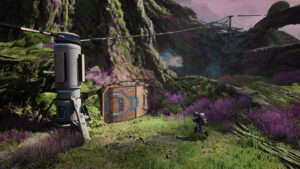
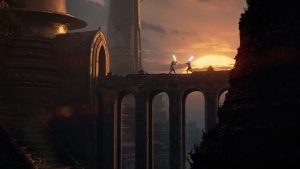
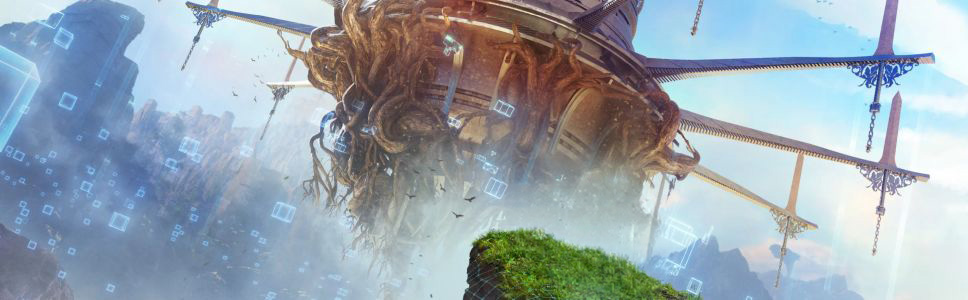
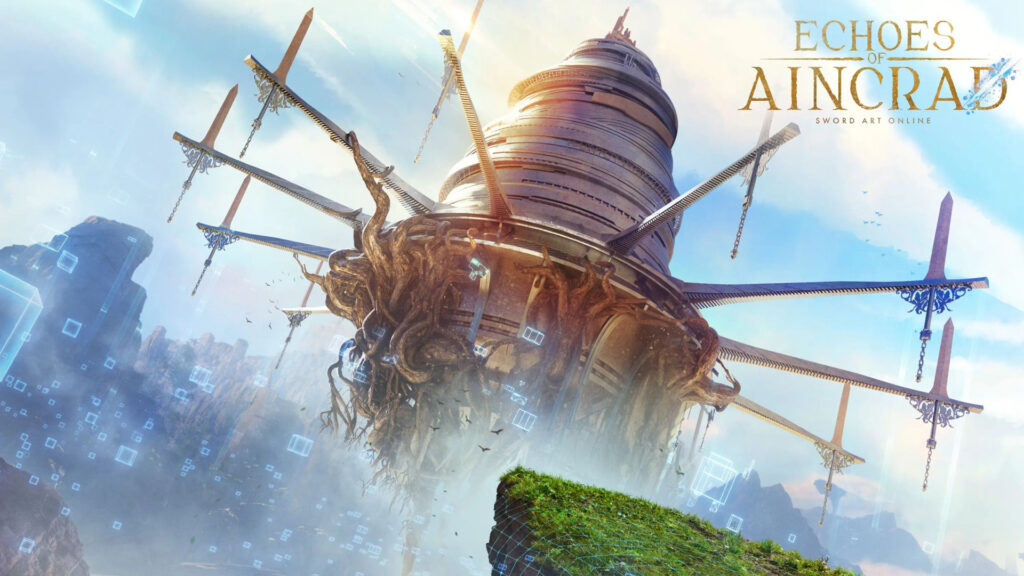
On par with Sword Art Online, Aincrad Castle is a sprawling collective of biomes and open zones, replete with splendour and beauty that fans of the anime series will be expecting. The game won’t span all one-hundred of the floating castle’s floors; just a mere two stories, although mere is used here in jest. The game is still a massive undertaking, where each floor contains urban centres, wilderness, caves, dungeons, and more, each loaded with quests, challenges, and narrative beats to fulfil.
Sword Art Online Knowledge Isn’t Required
As vast and complex as SAO lore is, newcomers to the franchise won’t need to brush up on characters or terminology before donning their Nerve Gear headset. Echoes of Aincrad, instead, offers a prologue before beginning the story proper; a generic, tutorial level – a “Beta”, admittedly in keeping with the series’ narrative but not something you necessarily need to be aware of – where you can freely explore, engage with NPCs, and practice specific manoeuvres and motions. Pre-knowledge won’t hinder the experience, of course, but whether you’re in need of a refresher or if you’re a complete series unfaithful, the prologue’s training will be useful.
Action Mixes Real-Time Combat with Party Synergy
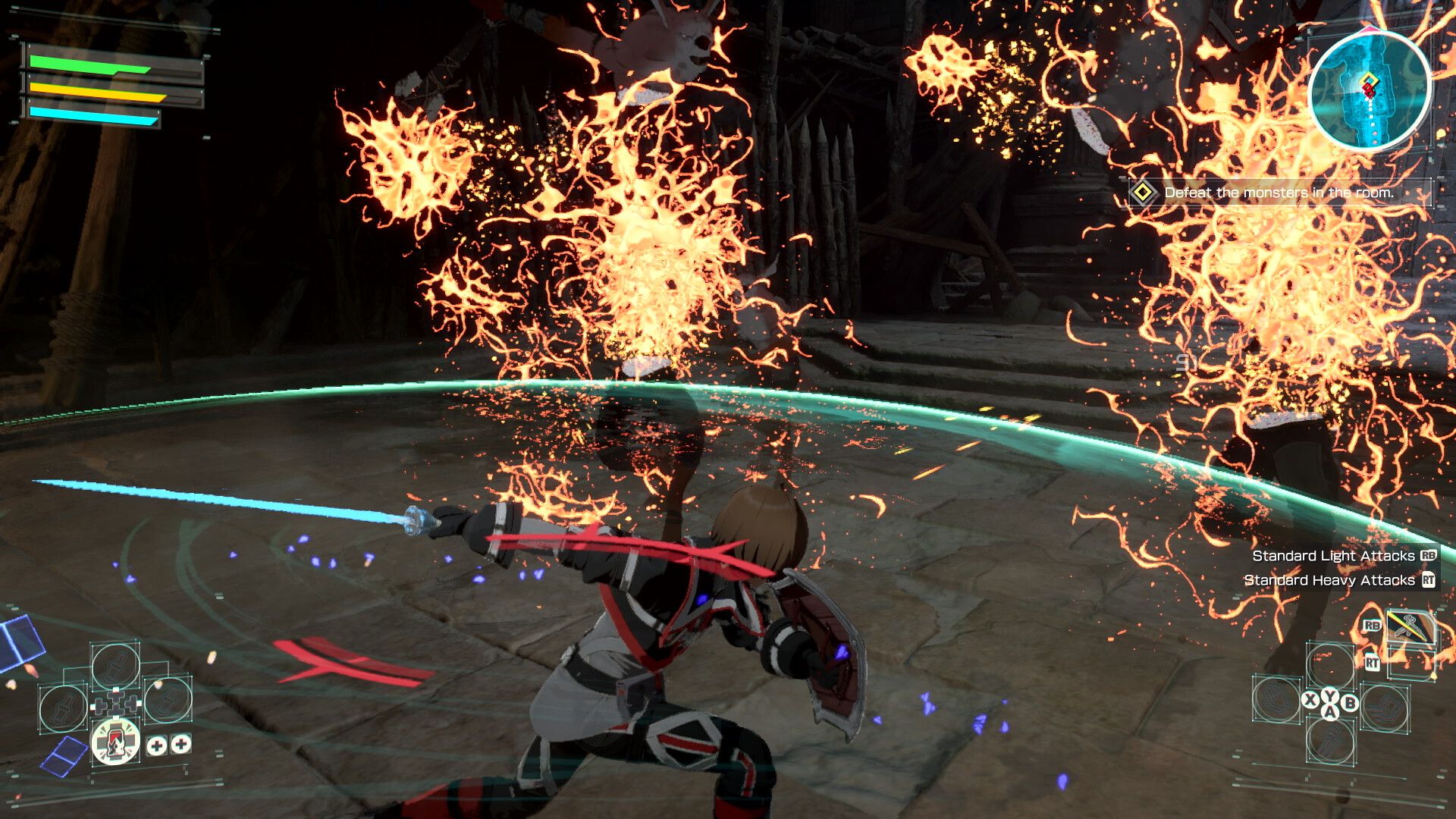
Combat in Echoes of Aincrad unfolds in real-time, with a heavy reliance on an AI-controlled companion system. Success, in fact, hinges on how well you coordinate with your two-character party, weaving together attacks, consistently re-positioning, and maintaining pressure. Combat here is more Soulslike than hack n’ slash, and you can command your partner to divert attention, utilise their healing abilities and defensive barriers, and combine your skills to unleash high-damage dual-special manoeuvres.

Stamina and SP are Interlocked Resources
Every strike, dodge, and guard in Echoes of Aincrad’s combat drains your Stamina, limiting how long you can stay on the offensive. Meanwhile, powerful, weapon-specific Sword Skills consumes SP, which is a meter charged by attacking and parrying. Managing both resources simultaneously is crucial; burning through Stamina quickly leaves you exposed, whereas maximising SP relies on finding that balance between maintaining the front foot without finding yourself exposed.
Six Weapon Types Define Your Playstyle
From agile short swords, to defensive maces and heavy-hitting, two-handed axes, Echoes of Aincrad brings six distinct weapon types to the fray, each with their own criteria, identity, and utility upon which you can anchor your playstyle. What’s more, attack speed, range, combo potential, and defensive prowess all vary, encouraging experimentation. Whether you want a weapon which allows you to equip a shield, or you want to sacrifice protection for gung-ho power, your weapon choice will fundamentally shape how you approach each combat encounter.
Your Character Evolves With Your Build
In Echoes of Aincrad, your character’s progression isn’t locked from the outset. Instead, your avatar can be continually reshaped through equipment choices, stat scaling, and skill collection offering a degree of flexibility in how you adapt to new challenges and refine your preferred playstyle. Much like your weapon choice, there’s scope for experimentation here, with increasing proficiency unlocking unique Sword Skills as you utilise each weapon type. Only three Sword Skills can be equipped at a time, encouraging you to synergise specific skills, skewing them toward a defined combat style.
Your Partner is Crucial for Progression
As already alluded, you won’t be fighting through Aincrad Castle alone. Your AI-controlled partner plays a central role in both combat encounters and overall progression. See, each companion brings their own tactics, Support Skills, and Combination Skills, meaning synergy is essential. Learning how your partner operates, and how to complement their strengths and offset their weakness, will turn difficult battles into manageable encounters.
Switch Mode and Free Mode Changes Combat Flow
Echoes of Aincrad brings two distinct combat approaches: Switch Mode and Free Mode. The first, Switch Mode, emphasises synchronicity, where your partner matches your manoeuvres to focus together on a single target. Well-timed dodges will also “switch” an enemy’s attention to your partner, freeing you up to counter. And Free Mode, instead, eschews coordination by giving your partner free-reign on their own combat encounters, enabling you both to tackle enemies independently.
Boss Battles are Inescapable Encounters
In Echoes of Aincrad, boss battles are treated as major milestones, and once they begin there’s no backing out. So, to succeed, you’ll need to be prepared, thereby it’d be wise to restock supplies, upgrade gear, and all-together recover fully before stepping into the arena. Echoes of Aincrad designs boss battles as tests of your build as much as your ability to work in sync with your partner.
Each Floor Offers Its Own Story and Challenges
If it wasn’t clear by now, Aincrad isn’t just a backdrop; the castle is a living, layered world, where each floor introduces its own narrative arc, unique quests, enemies, and boss encounters. This structure ensures progression always feels fresh and meaningful, as every new zone introduces different themes, mechanical demands, and challenges to overcome.
Towns Act as Progression Hubs
Acting as relatively safe communes, Aincrad’s towns and urban areas also serve as progression hubs where you can strengthen your character between expeditions. Inside city walls, Growth Points – earned from levelling up – can be spent to strengthen and enhance your stats.
Col Fuels the In-Game Economy
Echoes of Aincrad’s in-game currency Col can be spent at item sellers to purchase potions and numerous other essential items. While collecting Col is integral, the game also includes a crafting system which allows you to create your own supplies. Meanwhile, blacksmiths can forge upgrades for your weapons, enabling your gear to keep pace as difficulty increases.
EX-MODS Enable Build Customisation
While blacksmiths grow your weapon’s baseline stats, EX-MODs give you opportunity to fine-tune your loadout. See, these randomised modifiers, including unique perks which minimise stamina cost, increase attack speed, and more, can be fused to your weaponry. Furthermore, they can be transferred and combined at blacksmiths, opening the door to highly specialised builds that work harmoniously with your character’s stat build.
A Demo is Available
If you’re unsure about committing, a free demo is currently available across PC, PS5, and Xbox Series X|S. What’s more, if you decide you want to experience the full game then your demo progression will carry over, making it a risk-free way to get a feel for the game’s combat, systems, synergy potential, and open zone structure before diving in for real.