



Everyone has their favorite game they can’t believe is finally releasing after years of waiting. And while much of the world’s choice in November is pretty obvious, The Legend of Zelda: Ocarina of Time remake easily fits that bill for me. It’s a modern-day remake developed exclusively for the Nintendo Switch 2. With how beloved the original was, and how revolutionary it felt at the time (and for many years after), this is like a dream come true for long-time fans, and that’s despite previous remakes making their mark.
Of course, it’s far from a straightforward visual lift or reimagining, as Nintendo has poured some incredible effort into enhancing, enriching and yes, changing the original in many surprising ways. So much so that it’s almost a straight-up improvement. Your mileage may vary, but in the meantime, let’s delve into 15 new things you should know about the remake, starting with…
More Character Dialogue and Choices
Characters have much more to say in the remake, whether it’s explaining mechanics, dropping hints about items, or drawing attention to certain events. Not only does this expand on Ocarina of Time’s version of Hyrule and make it feel like a fully-realised place, but it also enables more dialogue choices. Sure, they’ll likely have little actual narrative impact, as with other games, but seeing different reactions from characters and spurring more information is nice. You also get to learn fun facts like how the King of Hyrule uses the Sheikah to make his enemies disappear “without a trace.” So that’s neat.
Faster, More Responsive Combat
It’s easy to forget how influential the original Ocarina of Time was for the series, especially since it introduced everything from jump attacks to Z-targeting. The remake retains those fundamentals but spices up combat in many other ways. Link can now chain sword strikes, and the overall flow is faster and more responsive, making it feel more akin to the contemporary Zelda titles.
Real-Time Spell-Casting
Another much-welcome change is spell-casting. In the original, using something like Din’s Fire would trigger a separate cutscene. Snazzy, sure, but it also interrupted the flow of battle. That’s no longer the case, as it’s now real-time. There’s some intriguing potential here, though it also means you can’t take a breather when casting spells like before.
New Enemy Attacks
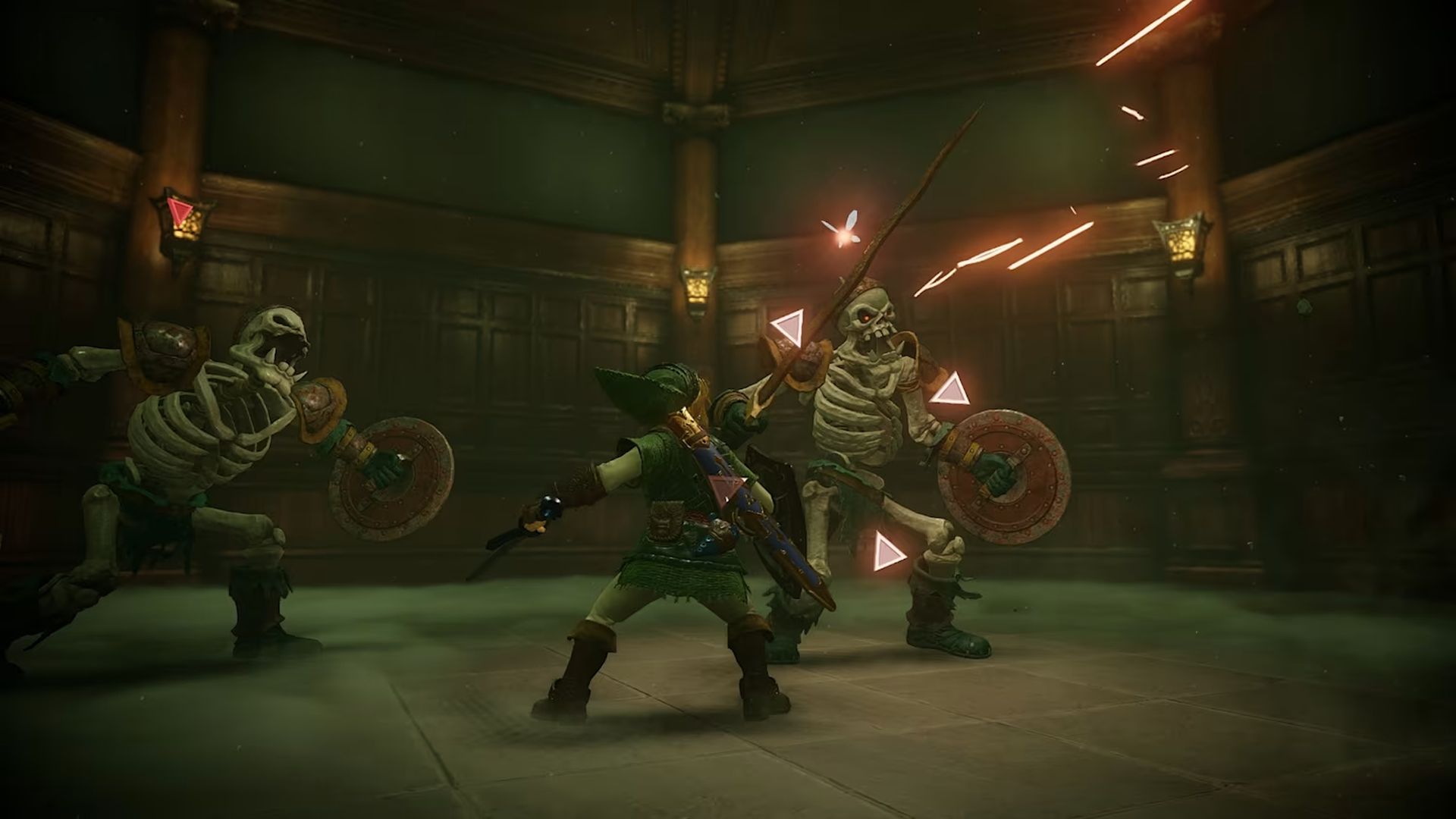
Those raised on the original won’t be able to conquer the remake’s foes with muscle memory alone. Some of them, including bosses, have new never-before-seen attacks or behaviors that make them a much bigger threat. Have you ever wanted a ReDead to run towards Link after freezing him? Well, you’ve got it regardless, and it is as terrifying as it sounds.
Larger Wallet Capacity at the Start
Whether it’s Young or Adult Link, Rupees still make up much of Hyrule’s economy, especially if you’re looking to purchase useful items. However, one welcome change is collecting a maximum of 200 Rupees from the get-go. So if you want to spend more time farming money before leaving Kokiri Forest and having more than 99 Rupees to show for it, go right ahead.
Harder Versions of Minigames
Beyond making locations like Hyrule Castle Town feel more alive and detailed, all the original minigames that you know and love are here. But more importantly, some, like the shooting gallery mini-game, where Link must destroy moving targets with his slingshot, have a Hard version for earning extra rupees.
Kaepora Gaebora
Any fan of the original will know how much of a menace Kaepora Gaebora, aka the wise owl that stopped Link on his quest to chat seemingly non-stop, could be. One wrong button press and he would repeat everything, creating a cycle of suffering. Well, that’s no longer the case in the remake, as he’ll stop by for a short chat and be on his way. An underrated change or the best? You decide (it’s the latter).
The Fifth Bottle
Based on the inventory screen, players can now collect a fifth Bottle instead of four. Some assume that the new quest in Hyrule Castle Town to help the Potion Shopkeeper is where you unlock it, but I’m willing to bet it’s not that straightforward. Time will tell, but considering the changes to Fairy healing, it will come in handy, especially as you’re coming to grips with the new enemy attacks.
Inventory Screen Neatly Divides Items
Remember the jumbled mess of an inventory in the original, especially when trying to select different tools that each version of Link used? Ocarina of Time remake addresses this by reserving spaces on the inventory screen for Young and Adult Link’s items. And best of all? There’s another space for shared items. Clean, concise and oh so welcome.
Hall of Fallen Foes
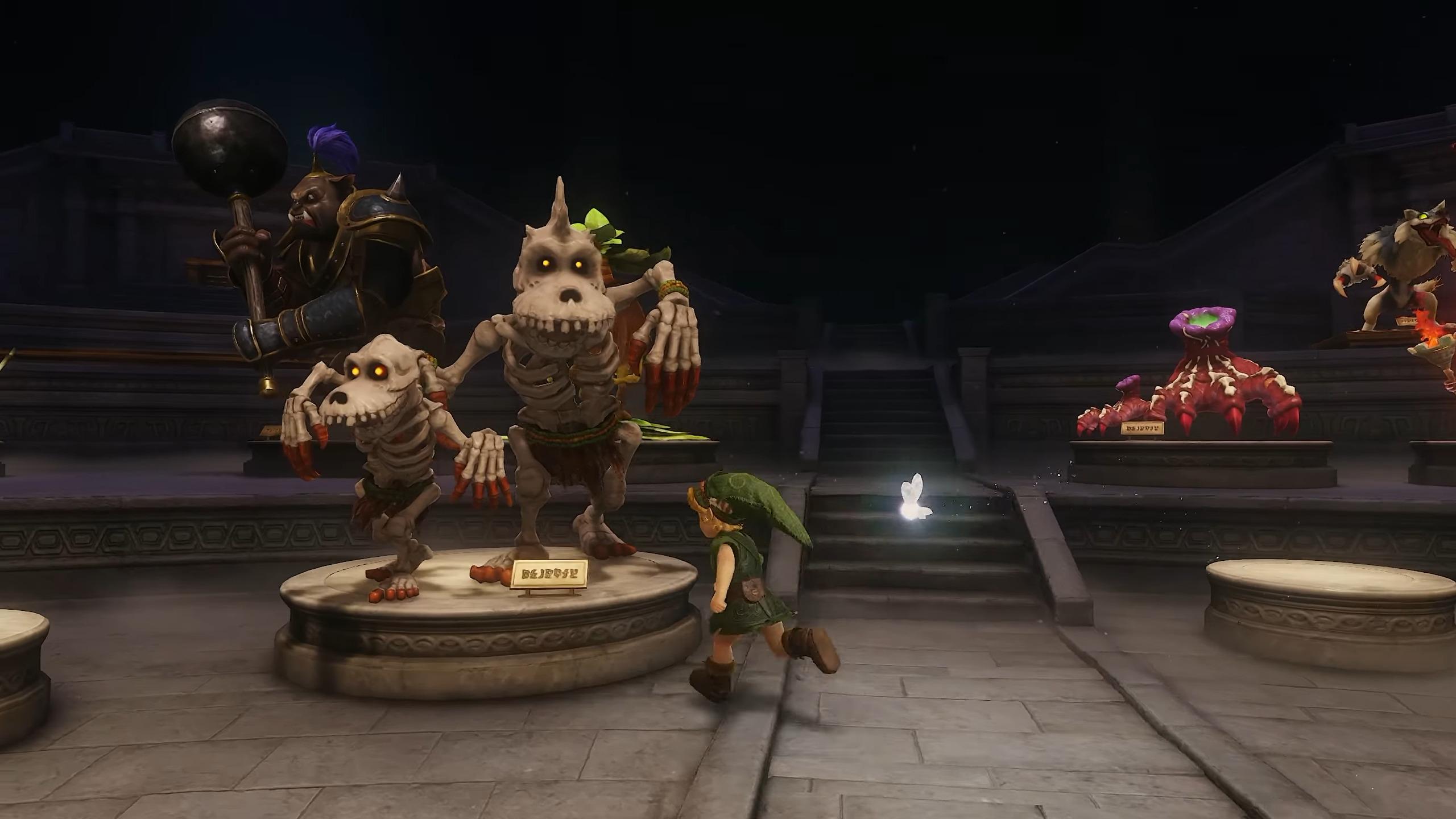
Have you ever wanted to stop and observe your foes without fear of retaliation? Maybe admire the lore behind them? Thanks to the new Hall of Fallen Foes, you can do just that, observing each vanquished enemy’s character model in abject detail. It’s like a bestiary of sorts but also a memorial to the various foes Link has vanquished on his journey, if you’re feeling a bit sentimental.
Boss Rematches
However, it’s also where you can rematch any defeated bosses and see how fast they can fall. It’s unknown whether the remake features the Boss Gauntlet from Ocarina of Time 3D, which allowed for facing seven bosses in a row with chests after each encounter offering ammo, weapons, and much more (and even had a more challenging Master Quest version). Perhaps a surprise for those who progress far enough?
Gyro Aiming
While Ocarina of Time remake benefits from the additional horsepower of the Nintendo Switch 2, at least in terms of fidelity, the platform also packs a welcome new addition: Gyro aiming. Instead of using the right analog stick to line up shots with the slingshot or bow, you can rely on motion controls, making for a much more seamless experience. Of course, you’ve probably noticed by now, but…
Third-Person Aiming Instead of First-Person
First-person aiming is out. Third-person aiming to more resemble the contemporary Zelda titles is in. And based on impressions, it doesn’t seem like there’s an option to enable the original perspective. Granted, this might not be the 100 percent authentic experience fans of the original want, but it should feel much more seamless.
Runs at 60 Frames Per Second
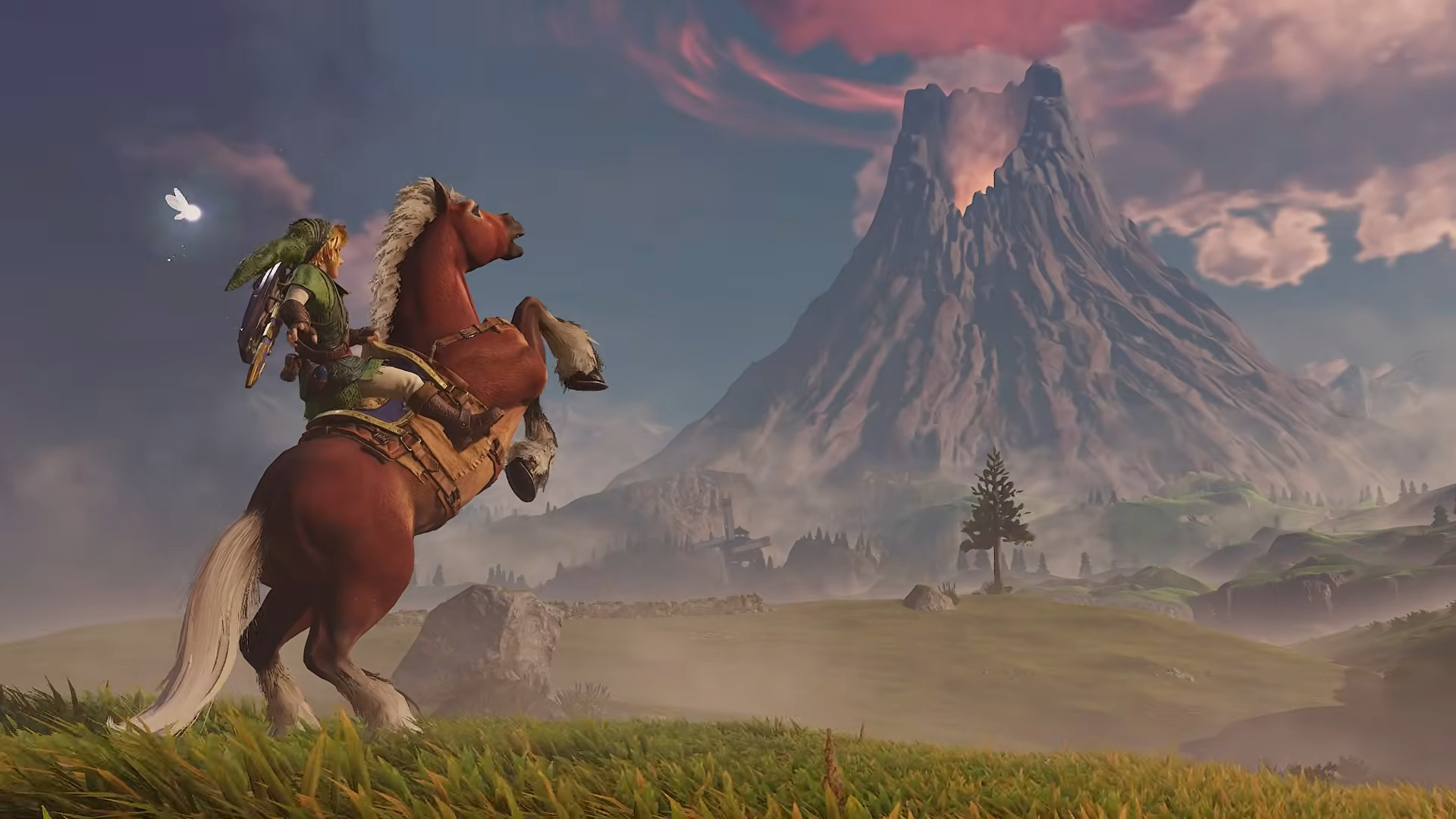
Aside from how much smoother combat and movement feel, the remake looks downright sublime thanks to the higher frame rate. A first for this particular title in the franchise, players can now explore Hyrule, comb dungeons, and immerse themselves in 60 frames per second, so even if the other aesthetic changes and upgrades don’t land, this one is very welcome.
Developed by Long-Time Zelda Veterans
Rumors and speculation circulated, as they usually do, about who was developing the Ocarina of Time remake. However, Nintendo revealed in its Ask the Developer series that Entertainment Planning and Development Production Group No. 3, the same internal development team that’s handled the franchise for over two decades, is responsible. Their work includes everything from Breath of the Wild and Tears of the Kingdom to Ocarina of Time 3D. Long story short, if any team is well-equipped to handle the original’s legacy, it’s this one.