






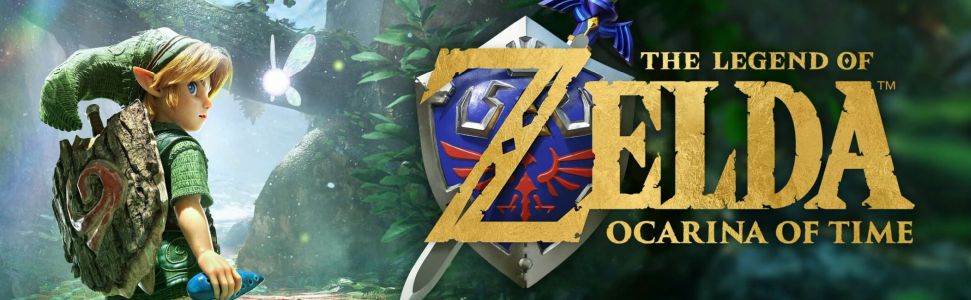
It’s always nice when an adventure begins with a clear goal in mind. Think of a quest to distant lands, with a mission that has big stakes for the world at large, and personal ones for your protagonist. You may not know how or why fulfilling that mission could help, often finding information in pieces along the way, while what unfolds should be memorable enough to count as milestones on the journey.
Take Breath of the Wild, for instance, which puts you in control of where you’re going next by letting you survey the land from up high before setting off towards something interesting with the freedom to choose your own route to it. Throw in climbing and the paraglider, and that freedom could quickly become the source of many memorable journeys with interesting destinations at their end.
Tears of the Kingdom takes that to new heights with abilities that allow you to create interesting ways around obstacles. We’re not going to forget using Ultrahand to build our way to a new path, or help Link navigate certain overhead spaces with Ascend. Your skill set was a part of your explorative freedom, and it made for an experience in which the journey was half the reward anyway.
Knowing where you’re going doesn’t necessarily mean you know what’s waiting for you along the way, after all. That’s a sentiment we keep coming back to with every passing glimpse we get of The Legend of Zelda: Ocarina of Time Remake. It’s likely that a lot of its players know the world it places them in like the back of their own hand. But things are different and more streamlined from what we’ve been told so far, with a more balanced approach to where you’re going next, now a part of the new experience on offer.
There’s a certain sense of direction that seems to guide Link through the new and improved world that houses his adventure, and we’re wondering if it could become one of the biggest pillars of the remake’s success. As always, we’re happy to elaborate.
Same World, Different Perspective
Nintendo has clearly leveraged the power of its handhelds to give us a world that looks and feels brand new despite being one that’s quite familiar to many players. However, while that air of familiarity is oddly comforting, it runs the risk of stagnancy if enough hasn’t changed to merit revisiting the adventure again.
Thankfully, we think that what’s been showcased of the game so far has enough evidence to suggest that the changes are a superb balance between a new approach to exploration and engaging with the world that does point to a more focused adventure. That doesn’t necessarily mean that the game is pointing you in the direction of the next big story beat; far from it.
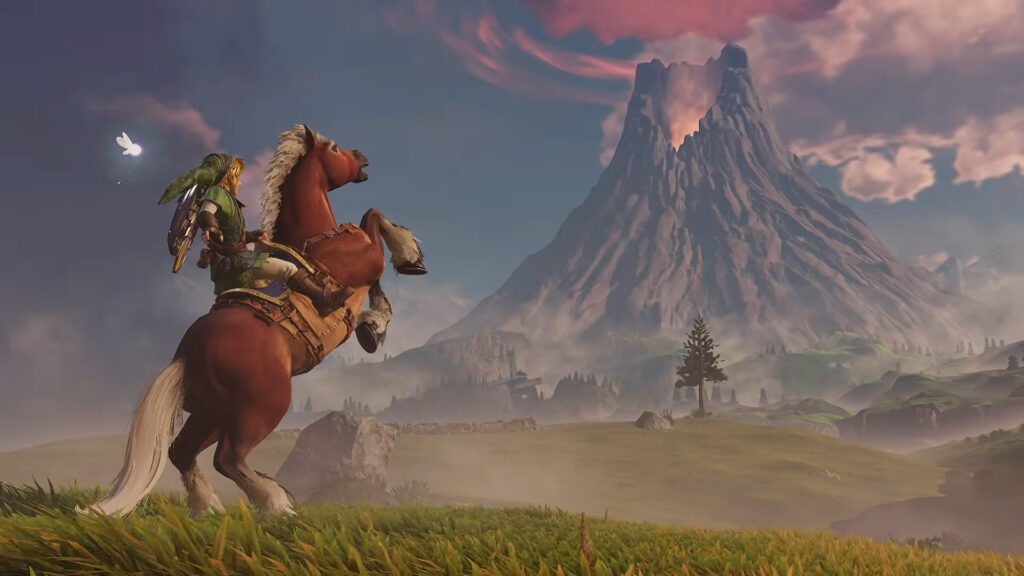
But it’s hard not to notice how the improved camera, environments, mechanics, and visuals work together to present you with points of interest while leaving out enough of the world for you to discover on your own. Take the Forest Temple from the gameplay showcase as an example.
The lighting system does well to highlight a path to its entrance in a way that frames it front and center, nudging you quite naturally toward whatever’s waiting for you inside. We noticed a few instances like these where the game takes control, showing you where it wants you to go while simultaneously emphasizing that there are entire regions built around those interesting places that you should be engaging with. It also helps that the way items are spread out across the world, instead of being hidden behind secret interactions, now gives you more reasons to explore areas before you dive into the mina attraction that’s in front of you.
The camera is important here, since the way the game uses it to present important details in the environment deserves a special mention. The Deku Tree’s troubled visage is a great example. Your gaze is drawn to it, and we don’t know about you, but we were immediately curious to find out more about what could be wrong.
It’s also nice to have more control over what you’re seeing this time around, a feature that immediately makes the entire experience feel more immersive and sells a sense of agency that was perhaps missing from the game as long as it was limited by technology that’s now here to allow it to realize its fullest potential. Factor in manual jumping and the ability to swim, and even navigating the world feels like more control’s being passed on to the player, paving the way for curiosity-driven discovery.
You can see how Breath of the Wild’s usage of landmarks to guide your interest is now more directly baked into the gameplay loop, with the game’s camera pointing you towards interesting things even as you’re free to explore the area you’re in before you head there. You know where you’re going, but the mystery of what’s waiting for you is still there, and potentially even something that the tension builds to since you’re going to explore a little before you indulge your curiosity.
An example of how the remake is encouraging a more involved approach is in changes to how items you might remember in familiar locations now come with slight changes to how they’re placed that cleverly change how you interact with them. The addition of a simple platform to a chest that was once easily accessible, as shown in IGN’s coverage of the game, is a great example and a showcase of how the remake aims to encourage interacting with the world with tangible rewards.
Intelligent Tweaks To A Known Experience
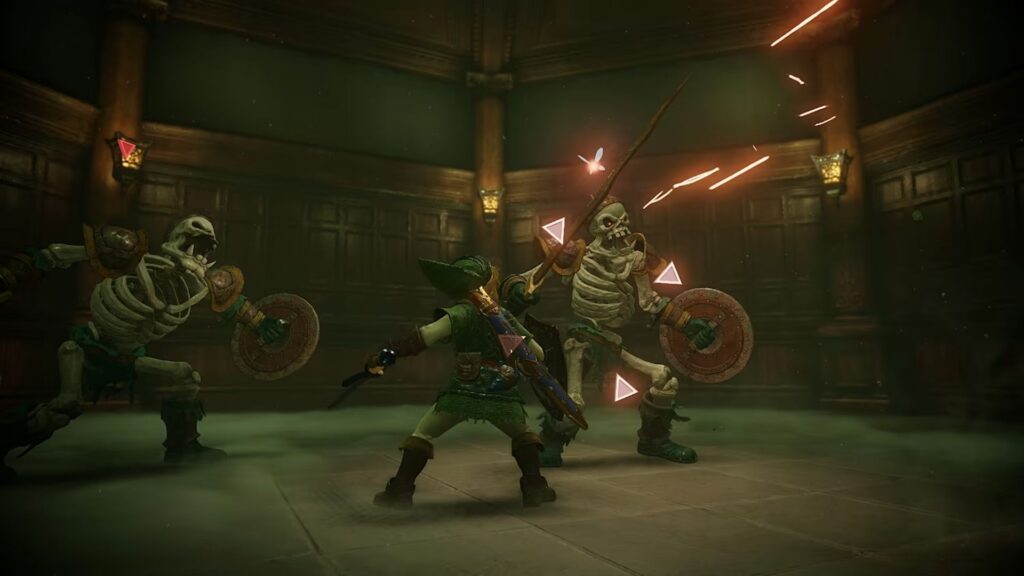
It helps that the environments themselves contribute to the immersion and involvement. A treasure chest in the distance and a wooden bridge to get to it can become a source of a new adventure when the bridge cracks under your weight, decades of ruin acting as a catalyst for your creativity and curiosity when you respond to the situation.
Changed puzzles can remove the familiarity of the original for returning players, ensuring that everyone’s equally challenged when attempting to solve them. It’s a sort of level playing field for the remake, and it’s funny how even minor tweaks like the placement of important rewards, or even changes to the rewards themselves, are indicators of a world that’s been redesigned to match modern standards, while retaining the vibe of a very familiar game.
That the game retains loading screens between different regions is an intelligent choice in our book for two reasons. It does preserve the feel of the original game as intended, but it also helps sell a sense of scale even as the game makes traversal easier through the addition of a dash mechanic that negates the need for button-mashing your roll button.
If that philosophy is sustained across all the game’s environments, it means the remake’s making good use of its changes to balance pointing you where it wants you to go while leaving you enough room – and reasons – to engage with its environments more deeply than the main story requires. You know where the important stuff is, while everything else is still tucked away just out of reach, just waiting for the collector in you to sniff it all out with unerring determination.
The helpful tools Link collects along the way, and the way they’ve been integrated with tech that lets you use them in new ways, is another great touch. Take the Slingshot, for instance. The way you can quickly swap to it in the remake makes firing at distant enemies or helpful objects feel more organic, and by extension, makes everything you do feel like it’s in service of your next goal or getting to your next destination.
That you can use motion controls to guide your shots to their targets is an interesting wrinkle that makes good use of what the Switch and its successor can do. The same can be said for the titular Ocarina, which is among our favorite parts of what’s been shown off so far. The way in which it blends a minigame with important in-game mechanics, such as controlling the time of day to let you investigate stuff between day and night.
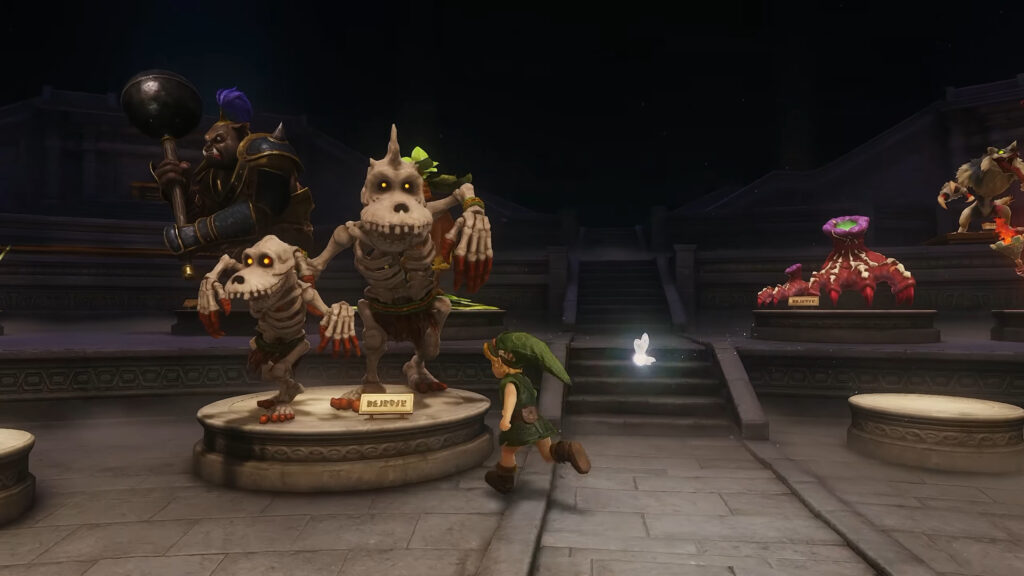
Once again, it’s a reflection of how systems and mechanics from earlier games have been intelligently tweaked to suit the new approach. Tears of the Kingdom’s Ultrahand is an example we keep coming back to because it’s a showcase of how one simple gameplay feature influenced so many others, a facet of the experience that was crucial to its success, and apparent in the way Ocarina of Time Remake is weaving in useful tools with the Switch’s cool tech to make many of them feel unique as well as useful.
The feature that lets you hum into it is also an intelligent way to have you, the player, actually influence the world or even summon your mount an obvious draw and a way to tie you to the game’s underlying premise so securely that it can be hard to extricate yourself from the adventure it’s taking you on.
Of course, no adventure is complete without the people that you meet along the way, and while we can’t comment on how the story could benefit from changes until we’ve rolled the credits on it, it’s nice to see how important folks are woven into your moment-to-moment gameplay.
A look at how guidance is an important part of how the game presents you with useful, contextual information that’s been shown in gameplay previews is telling of how Nintendo aims to encourage curiosity whilst reducing friction. That’s an indicator of an intent to keep the experience moving along at a steady enough pace to sustain your curiosity and engagement throughout its runtime.
The Need For Cohesion
We’ve spoken a lot about how individual facets of the remake can work to make it feel more focused and player-driven than the game it’s trying to modernize. However, with so many different ways to encourage a new way to encourage a familiar game, it can become a mess with each new addition clamoring for attention.
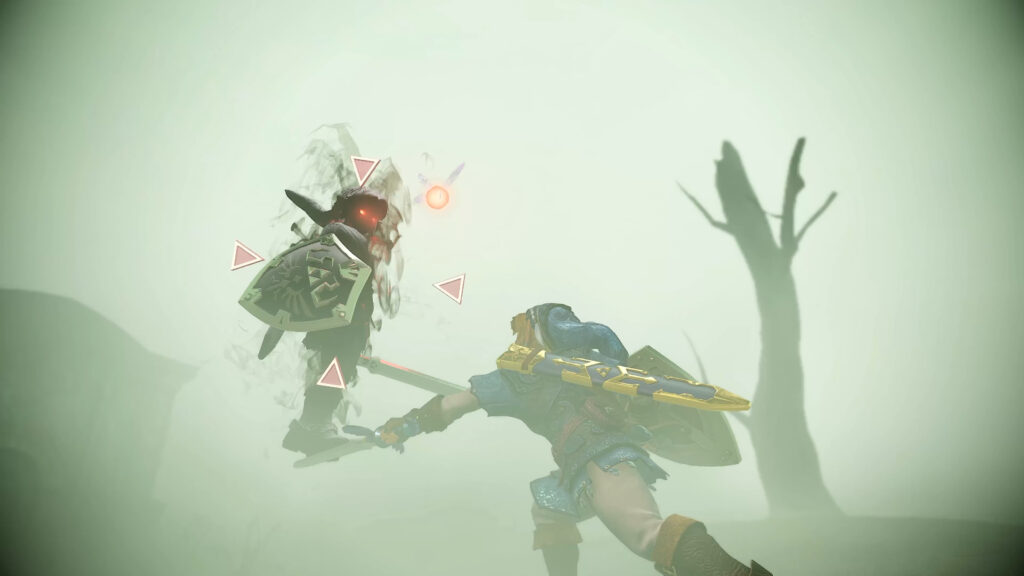
There’s a need for balance and cohesion, the measure of which is going to become evident once all of us spend a few hours in Hyrule’s new and improved world. Clear objectives can create momentum, yes, but the game must also leave enough room for investigations, experiments, and problem-solving that make Link’s journey feel personal.
That’s precisely why we think Ocarina of Time Remake is on to something, blending freedom with focus to present us with a remake that’s quite big on the nostalgia and spirit of the franchise while weaving in a touch of modern storytelling and design to produce tangible benefits for players that weren’t on offer in the original release. That’s possibly why it could manage to imitate the freedom of the games that inspired it, even if it doesn’t aim to fully replicate it.
What’s more, it needs to be a special entry point for newcomers to the franchise while still feeling good enough to warrant veterans going from a passing interest to a full-on playthrough. Link’s walking a thin line this time, but we’re cautiously optimistic that what we’ve seen so far is a major part of what we’re getting in the final release.
And that’s a reason to be happy about getting back to Hyrule, as far as we’re concerned.
Note: The views expressed in this article are those of the author and do not necessarily represent the views of, and should not be attributed to, GamingBolt as an organization.