






It could be easy to assume that The Witcher 3 Remastered is the culmination of years of loving work on a title that holds a special place in the hearts of those who made it. On its own, that would be enough to make it quite appealing to fans of Geralt’s sprawling adventure, and that’s not even accounting for the many amazing changes it’s bringing to The Continent.
But what if there’s more to the story than that? With Songs of the Past already on its way and a Ciri-focused sequel rapidly becoming more than just a blip on a distant horizon, you already have three years of Witcher content, all of it telling new stories or giving us fresh ways to enjoy old ones we know and love.
Why does that make us sit up and take notice? Because we believe it’s a strategy from CDPR, as it sets up a new chapter for a franchise that made it a household name. The Witcher 3 Remastered matters more than you think, because it’s set to define what players old and new should expect from a modern Witcher game.
A Lasting Legacy
It’s important to consider why a new set of expectations matters so much to the Witcher franchise as a whole. Without Remastered in the picture, Ciri’s upcoming adventure will have had to follow a game that’s nearly thirteen years old. That’s more than a decade of evolutions that help power experiences that would far outstrip anything a last-gen title can manage, no matter how great or how adored across the board it is.
But that’s changed now, and The Witcher 4 is now going to be compared to a title that’s been modernized and potentially has hours upon hours of playtime from a new set of players who might not have played it the first time around. Factor in all of the seasoned Witchers who are going to return to The Continent for one last romp through it with Geralt, and you have a legion of fans whose memories of the revamped combat, progression, presentation, and UI are now fresh, their expectations from the franchise now recalibrated.
We say that after thinking about what drove our playthrough of the original release of The Wild Hunt, and what could feel different this time around. Our time with it then laid out a gameplay loop that wove in an intense story, well-written quests, intriguing characters and choices that influenced their arcs, and, of course, The Continent and its many monsters into the mix.
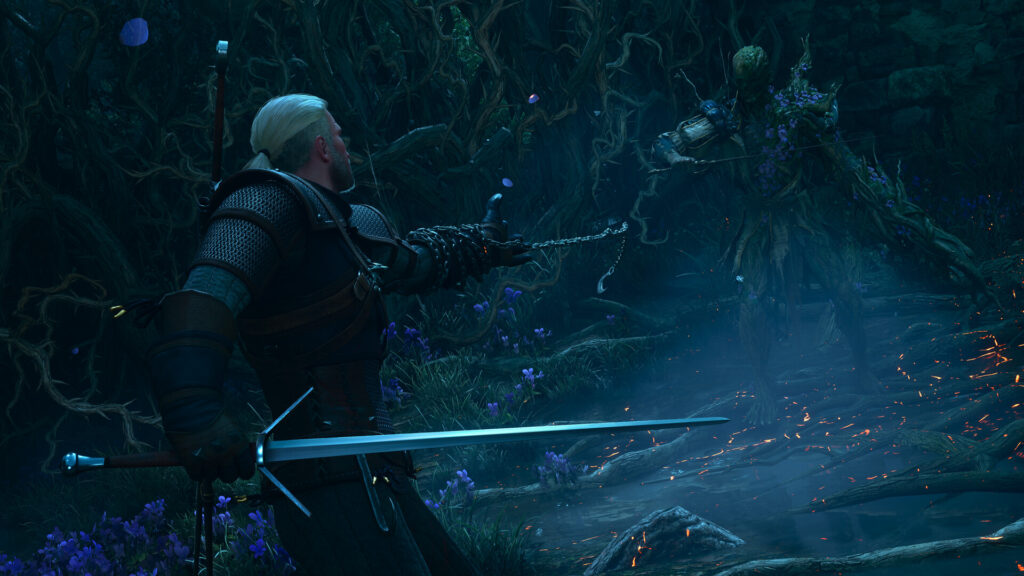
But engaging with all of that could feel clunky from time to time, a facet of the experience we already discussed as a major area of improvement in Remastered. You could look at the new release as a way to improve on the original’s mechanical vocabulary.
The question to ask in relation to The Witcher 4, then, is this: is it going to be measured against the original release of The Wild Hunt, or a new and improved version of it that’s still relatively fresh in everyone’s memory? Can Ciri hold a candle to the man who taught her so much of what she knows, and whom she respects as a friend, father figure, and mentor?
Well-Travelled Shoes To Fill
CDPR has already confirmed that Geralt’s going to be in the new game, and that his new role isn’t going to overshadow Ciri’s story. But the studio’s assertion that Songs of the Past will have him return for one last adventure before passing the torch to his adoptive daughter is significant.
That’s because it means she isn’t competing with a version of Geralt that’s over a decade old, but one that’s fresh in the minds of the same players who are now filling her shoes. CDPR getting us to join Geralt not once, but twice, before Ciri takes over immediately has us wondering if the person she’s grown to be can manage to have her story judged on its own terms instead of being compared to one that has cemented itself in modern gaming’s history.
It’s also worth considering that The Witcher 3 hasn’t exactly been dormant all these years, with a current-gen version, which could be solid reasons for players who might have only enjoyed the base game to consider another stint on The Path, alongside a brand-new expansion.
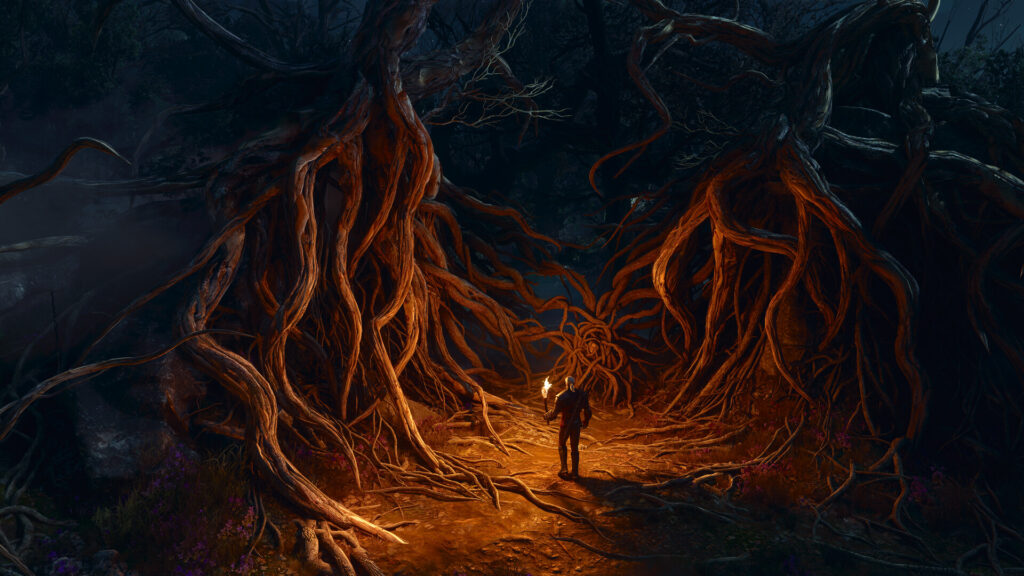
That immediately reshapes the audience that The Witcher 4 must then please, turning them from a crowd of veteran Witchers to one that has potentially experienced the base game, returning fans of the franchise who might know more about it from its source materials instead of just being informed by the games, and people who discovered its magic through Remastered.
That’s a tough crowd in any situation, and it becomes a considerable risk in some regards, a facet we’re getting to in just a minute. Let’s talk a little about Songs of the Past first.
A Well-Planned Effort
As an expansion that’s falling squarely in the middle of Remastered and The Witcher 4, Songs of the Past isn’t just an opportunity to show off Letten, or perhaps cap off Geralt’s story with a memorable closing adventure. It’s also a chance for The Wild Hunt to build on the foundation that Remastered is now laying out.
For all of the great additions that are coming to The Continent, there’s no denying the fact that it’s still largely the same game underneath. It’s the same exploration loop with a lot of great bells and whistles layered on top of it. But its mechanical improvements are still new ways to enjoy an old game at the end of it
But if you think about its changes as a foundation upon which the future of the franchise is now being built, Songs of the Past becomes an expansion that builds on it, ushering in Ciri’s story while giving us more insight into Geralt, and hopefully even a look at how his relationship with our new heroine has evolved since the ending of the base game.
It makes Remastered less of a retrospective celebration and more like a new Path for Geralt and Ciri to travel on, one that ends in a sequel that could truly benefit from the groundwork it’s laying out. But what if things turn out another way?
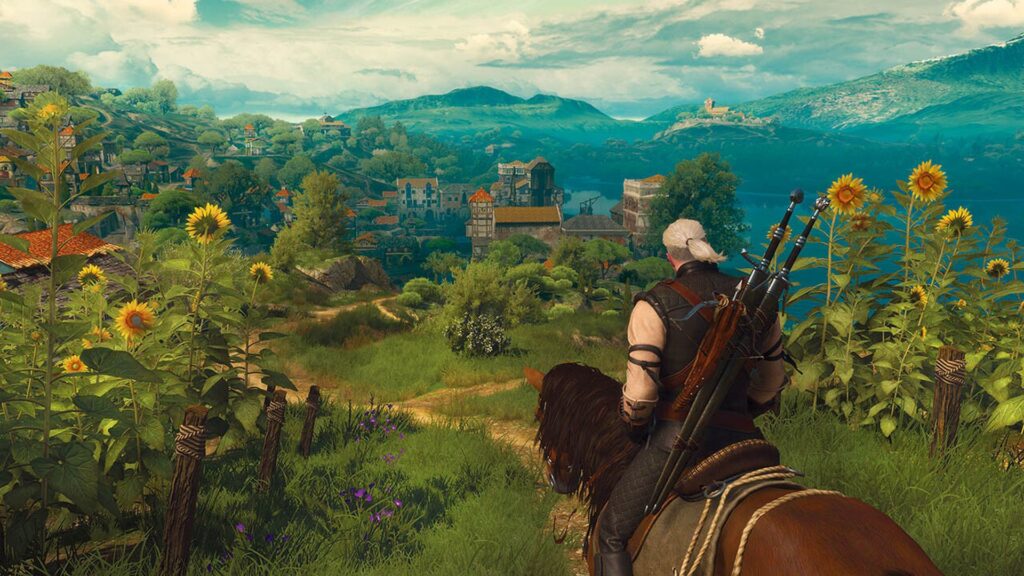
We know we just said that Remastered is still the same adventure, but is that going to matter once you set foot in White Orchard? It’s quite hard to resist the pull of the world that Geralt’s a part of in The Wild Hunt, and it’s harder not to feel a void when you finally roll the credits on it. That sentiment hasn’t been eroded by time, and making the original game so much better can set expectations that Ciri might find hard to meet.
The storytelling has to evolve an already solid offering that Remastered doesn’t really have to touch, while the quests and world that help guide that adventure along cannot stop at being engaging. They need to foster connections that keep players talking about them for years, just as Geralt’s last outing has managed.
It’s kind of a paradox, one that puts two games that should be seen as one great story in competition with each other. The more Remastered raises the bar for what a Witcher game should be, the less it removes the risk of obsolescence that would allow the next game in the franchise some breathing room.
But CDPR doesn’t seem concerned about that at all, and that’s a good thing.
Moving Forward With Momentum
We’re actually of the opinion that Remastered and Songs of the Past are parts of a wider strategy from the studio, allowing it to position The Witcher 4 as something else entirely. It can’t just be The Witcher 3 in a more modern shell, a comparison that could have arisen if Remastered didn’t already handle the job of modernizing the franchise’s previous entry.
That allows Ciri’s story the freedom to be something more, with a potentially new saga, new places to see, new monsters to fight, and new systems and design ideas that could feel unique while remaining true to the tenets that put the franchise on the map in the first place. It won’t have to spend its entire existence recreating the previous game’s magic, but can instead focus on redirecting it in new and equally interesting ways.
The Witcher 4 might be the start of a new chapter for the franchise, and we’re glad that CDPR isn’t asking us to jump into it directly after an eleven-year gap. By reminding us about why The Wild Hunt is as widely appreciated as it is, before sending Geralt off on one more adventure and handing over the franchise’s reins to Ciri, Remastered is step one of a plan that could help the franchise enter a new era of modern gaming with a strong footing.
And that’s why Remastered matters more than just prettier foliage or smoother combat. It’s an effort that puts the franchise on The Pendulum at Kaer Morhen and shows us exactly why a Witcher is to be respected, and perhaps even feared.
As an effort that changes the game that its sequel has to follow, Remastered is more than a reimagining of a widely praised game; it is one that changes it enough to make the game that follows it work hard to earn its success. That’s definitely something to look forward to, and perhaps even look back at to appreciate once it’s all said and done.
Time will tell if we’re right, but we’re willing to have faith in a team that has already cast a spell on us, and refuses to let that spell lose its potency even eleven years later.
Note: The views expressed in this article are those of the author and do not necessarily represent the views of, and should not be attributed to, GamingBolt as an organization.