





Every year or so, there are a handful of open-world titles which simply astound us with their scale. There’s a reason they continue to sell so well, even if concerns about “open world fatigue” crop up every now and again. Exploring such a massive landscape full of different activities is fun, especially if developers find ways to mix up the formula.
Of course, size isn’t everything. Deus Ex: Mankind Divided and Like a Dragon have earned recognition for smaller worlds packed with plenty to do, leading to the term “semi-open world.” While it could mean many things – like several moderately sized areas that aren’t seamlessly connected – it has resulted in some contemporary classics.
So without further ado, let’s dive into the best semi-open world games from 2025.
Hell is Us
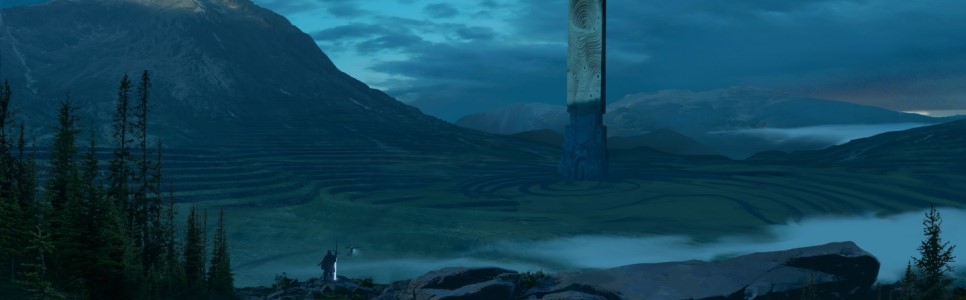
The poster child for non-handholdy games this year, Hell is Us scaled its environments based on the needs of its story. Senedra Forest was fairly straightforward but accommodated a mid-game dungeon/tower. The Acasa Marshes are one of the biggest areas, accommodating a town, underground tunnels, and various smaller mysteries to unravel. And then you have locations like Lake Cynon, which consist exclusively of a dungeon (with far more awaiting once you’ve progressed enough through the story). It’s an intriguing mix, and even if some areas are smaller than others, they each feel unique and packed with things to discover, including the many horrors of the civil war.
Monster Hunter Wilds
Capcom’s approach to the latest mainline Monster Hunter is odd for any number of reasons. You’re still relying on fast travel to go from one region to another, but you can now seamlessly transition from one hunt to another with no need to return to base. Camps are now of the pop-up variety, letting you place them anywhere. It’s all very dynamic, borrowing elements of open-world titles while remaining within the typical hunter gameplay loop. Post-launch updates have enhanced it further, adding tougher challenges and more rewards (like random Talismans). Master Rank is probably what’s going to elevate it beyond previous entries, but for now, The Forbidden Lands are worth losing a few dozen hours in.
Mafia: The Old Country
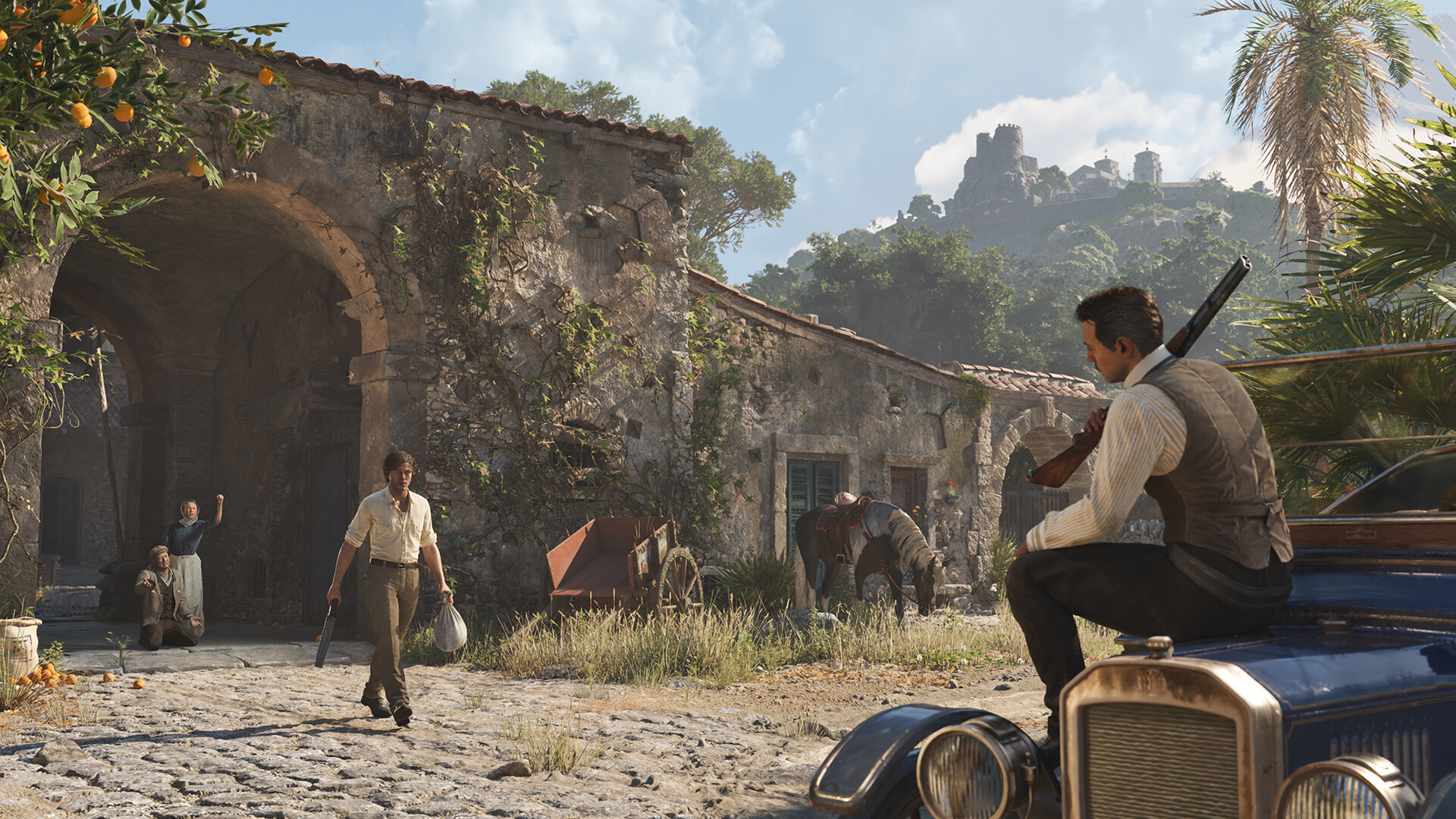
Hangar 13 made no bones about what it wanted to offer with Mafia: The Old Country – a linear, narrative-driven experience with some wiggle room for completing missions your own way. Which is a nice way of saying “Stealth or guns-blazing”, but it worked well regardless. Those who wanted to explore the extensive vistas of Sicily on horseback or poke around different shops to purchase new items could do so at their own leisure. Admittedly, it’s not the most feature-packed world, but the focus remains squarely on the story and characters, and for this price, we’re more than satisfied with the results.
Atomfall
“Quests” aren’t the impetus behind your character’s journey in Atomfall. Instead, it’s all about the leads, but to what end? Well, take your pick in this post-Windscale disaster landscape. What is the Voice that speaks through the mutated horrors? Who or what is Oberon, and why have you been tasked with killing it? What are factions like Protocol really after? That constant drive for answers is what carries much of the intrigue, and you never know when an unassuming discovery could lead to something far bigger (and more dangerous). Then again, you may opt to ditch it all in favor of wanton murder. The choice – and where it could lead – is yours.
Sniper Elite: Resistance

While the franchise has made many strides over the years, one of Sniper Elite’s strengths is delivering on its core formula: Hunkering down, killing targets with ultra-long-range shots without getting caught and exfiltrating. To that end, its maps are massive sandboxes that offer multiple objectives and approaches alongside collectibles. Should you decide to go even further, there are Kill List objectives that bestow additional rewards and the new Propaganda Mode, which has you controlling a freedom fighter and completing unique challenges. While there are many different ways to play, Resistance only further improves on what it’s good at.
Clair Obscur: Expedition
By now, we don’t really have to explain everything that Clair Obscur: Expedition does well. But how about the world design, complete with an old-school RPG-style world map? Where you can encounter Chromatic Nevrons and wipe the expedition just as easily as discover Gestral Beaches with wacky mini-games (including an Only Up-style platforming challenge). Maybe you’d fancy testing your skills in the tower, finding out what happened to Lune’s parents or discovering more doors that lead back to the Manor. The sheer amount of variety is noteworthy, but the fact that all of this is enjoyable to engage with while expanding on your party’s capabilities to a massively broken degree makes it that much sweeter.
The Outer Worlds 2
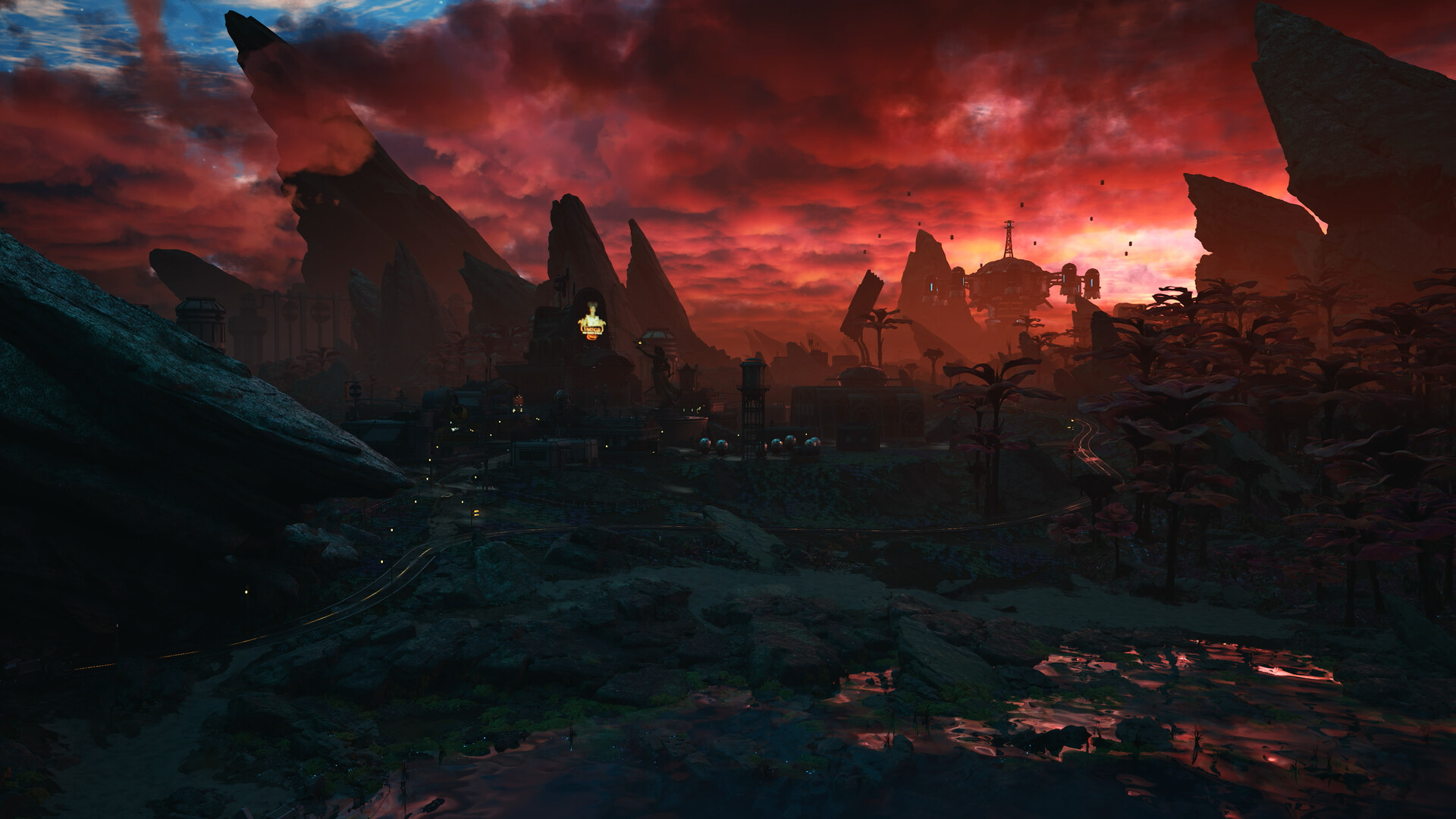
Where Starfield opted for hundreds upon hundreds of randomly generated planets, with a few hand-crafted locations, The Outer Worlds 2 narrows its focus on a handful. Fortunately, they go well in hand with the branching quests and decisions, where one wrong move could alienate you from both companions and entire factions. And while pursuing the story is recommended, there are so many side areas, optional quests and hidden approaches that reward you for exploration. Again, however, you could opt to just kill everyone. The Outer Worlds 2 even provides dedicated Perks for those who would rather shoot first and never ask questions later.
Metroid Prime 4: Beyond
Leave it to Retro Studios to innovate on its established Prime formula, even if some of the results may not agree with long-time fans. Ignoring the new side characters (the less said about Myles, the better), Viewros is truly a unique location – one with multiple massive regions with convoluted layouts, puzzles, unique challenges, and, of course, boss fights. However, you’re also traversing the open desert on Vi-O-La, shooting down foes and harvesting resources. Despite initial apprehensions about the setting, it’s an intriguing mix that combines the genre’s best with something entirely new.
Wuchang: Fallen Feathers
An underrated yet solid action RPG, Wuchang: Fallen Feathers is also surprisingly packed in terms of content, and nowhere is that more obvious than in the world design. Developer Leenzee took significant inspiration from Dark Souls in terms of connecting key locations, and while it doesn’t boast the largest scale, a lot is waiting off the beaten path. Optional bosses, NPC quests, new weapons – the list goes on. Of course, there’s also a lot to discover about the Land of Shu, and its cursed history, if you’re so interested. It may not push the envelope when it comes to Souls-likes, but Wuchang’s world is certainly compelling in its own right.
Like a Dragon: Pirate Yakuza in Hawaii
An amnesiac Majima Goro, who decides to be a pirate, commandeering his own ship and waging war on the high seas, including against the likes of Raymond Law (played by none other than Samoa Joe). What more could you really want? Of course, the world design, a bright spot in almost every RGG Studio title, is the highlight here with numerous islands to explore. And when you’re tired of waging war and acquiring Briefcases in Madlantis, why not stop by Honolulu, which is carried over wholesale from Infinite Wealth, complete with numerous play spots and quests?