






4K has been the name of the game with the next-gen console refreshes. While it’s really just a code word for 1440p as far as the PS4 Pro is concerned, the Xbox One X is genuinely capable of powering 4K experiences in current-gen titles. But there’s far more to a “4K experience” than merely a boost to resolution. Ever tried running 7th or 6th gen games on a high-res monitor? At 4K, everything’s incredibly sharp, but that just sets the blocky meshes and low-res textures in stark relief. Increasing resolution is fundamentally about being able to perceive more detail. How do you perceive more detail if there isn’t, well, more detail to perceive?
In-game assets—textures and models—are designed around a particular resolution target, typically the resolution that consoles of the day output. This is because of the simple fact that, at a given camera distance, there simply aren’t enough pixels to display very high-frequency detail.
The difference between high frequency detail and high resolution is key here. The resolution of a texture is just a number: at a given distance from the camera, it imposes a hard limit on how fine a detail can appear on screen at typical camera distance. On the other hand, detail frequency has to do with the actual size of artistic elements at a typical camera distance—anything from skin pores that are a few pixels across to a big, blue monotonous Minecraft skybox that fills a good chunk of the screen with identical pixel information.
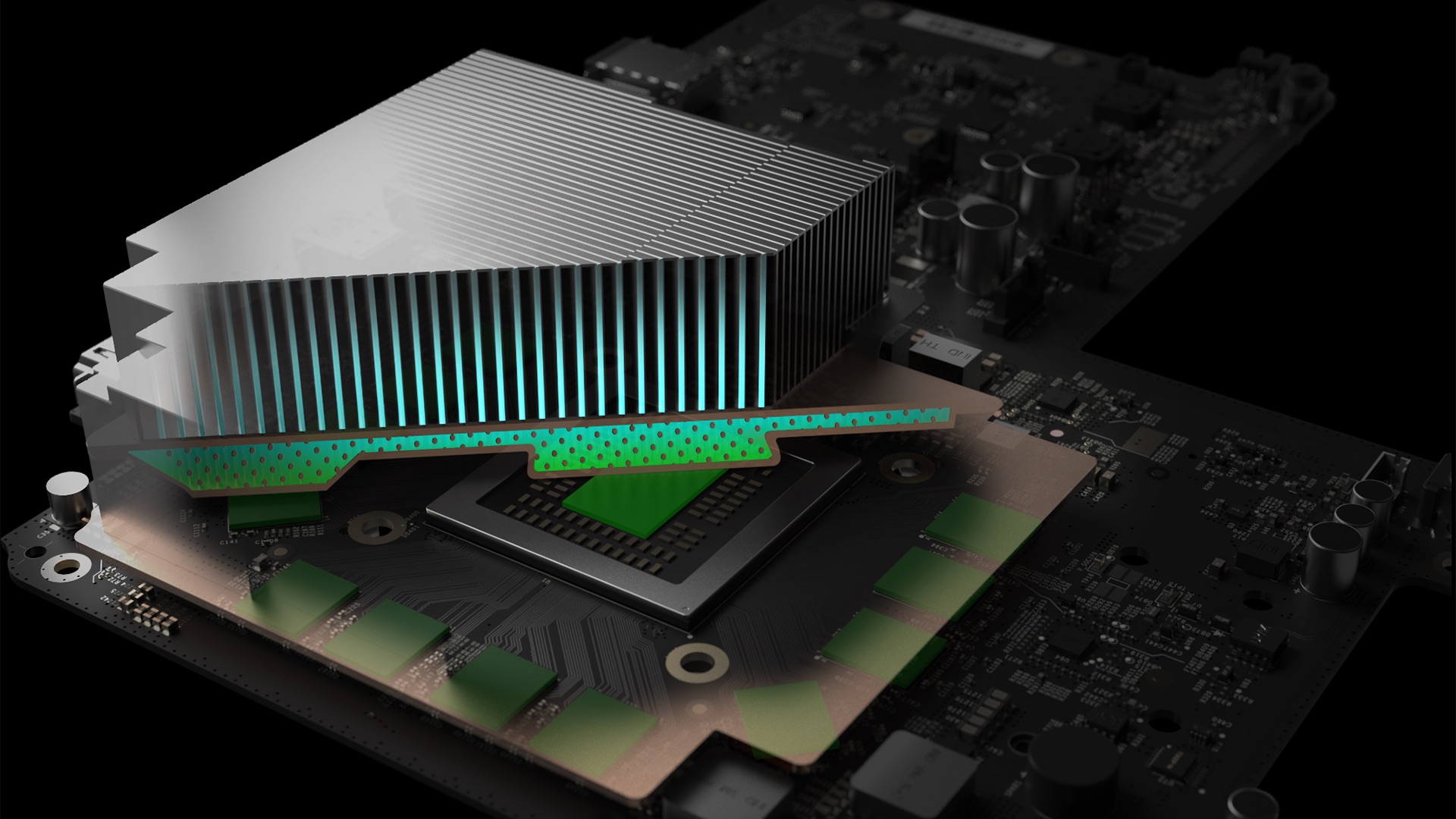
"The floor texture at the blacksmith’s in the city of Anvil in Oblivion is something that’s stayed with me for more than decade. Even running the game on PS3, hooked up to a paltry 26-inch 720p TV, that particular texture looked remarkably fine back in 2007."
Detail frequency is something artists have to factor in for a given resolution “budget,” and this can have a distinct impact on a game’s aesthetic. The floor texture at the blacksmith’s in the city of Anvil in Oblivion is something that’s stayed with me for more than decade. Even running the game on PS3, hooked up to a paltry 26-inch 720p TV, that particular texture looked remarkably fine back in 2007. In retrospect, it’s easy to see why: A relatively low target resolution of 720p, moderately large elements set on the ground are what shine.
Point the view down and you’re close enough to the cobblestones to observe fine detail, but not so close that things turn into a blurry mess. It’s often a fine balancing act: high frequency details such as wrinkles and strands of hair, just won’t show up at typical camera distances on a lower-res screen. On the other hand, making inadequate use of the resolution budget will result in flat, boring assets. Ironically, the flat-shaded aesthetic is striking because it takes this to the logical limit: clean lines, flat surfaces, and solid shading will always look nice, no matter what resolution you’re running at. However, most games aim for a more-or-less photorealistic aesthetic and that’s a good thing: As striking as Skyrim’s flat-shading mod looks, that’s just not a way we could ever envision playing the game.
Which, of course, takes us back to resolution and detail frequency. While not as closely tied to resolution as textures are, mesh complexity also needs to be factored in. At lower resolutions, high-poly meshes paired with high-res textures are not just performance-intensive. They can actually degrade image quality because you literally don’t have enough pixels to properly represent the elements onscreen, resulting in shimmering, and objects that, well, just don’t look like they’re supposed to. Drop the resolution down sufficiently in a game with high quality texture work and lots of fine geometric detail, and the environment will turn into an unrecognizable sludge.

"From experience, playing The Witcher 3 on a 17-inch 4K laptop is akin to looking at an interactive, print poster of the game. At 4K and standard viewing distances, we start to approach the upper frontier of human detail perception."
At 4K, though, something special happens which is down more to the limitations of our eyes than to magic. At typical display sizes—28 to 32in for PC and 55in for TV—you start hitting pixel densities high enough that the eye has trouble discerning individual pixels, what Apple’s branded the “retina” effect. The effect is magnified by smaller screens or longer viewing distances in the case of TV. From experience, playing The Witcher 3 on a 17-inch 4K laptop is akin to looking at an interactive, print poster of the game. At 4K and standard viewing distances, we start to approach the upper frontier of human detail perception: It’s (almost) as good as it gets in real life. You’ll run into diminishing returns with further resolution hikes, though arguably, we’ll have to wait until 8K monitors to go mainstream before we can start replacing windows with displays.
What this means for artists is that, when designing texture assets, resolution becomes much less of a limiting factor. 4K textures displayed on 4K displays allow for the kind of fine detail—clothing seams, peeling paint, hairline cracks—that, together with a good lighting solution, can cross the threshold from “good graphics” to near-photorealism. 4K textures with high-poly meshes are, literally, almost as good as they get. On the flip side, developing such detailed assets can result in spiralling costs, which are magnified when you consider the horrible obsession studios and publishers seem to have for converting good games into interconnected open world experiences. (Why, Bioware? Just why?). This means scaling up not just the quality of the work, but the quantity, and it’s these rising costs that are at least partially responsible for turning otherwise-respectable AAA titles into cash grabs that King Soft would be ashamed of.
AAA games with assets that look good at 4K are increasingly the norm. This is in large part thanks to the high-end PC market. While there still aren’t a large number of PC gamers with 4K-ready hardware and compatible displays, heavy promotion by AMD and Nvidia of their 4K hardware and active collaboration with developers means that textures and models at least, have been designed to look good at 4K for quite some time now (although said collaborations have also resulted in fur shaders, Turf Effects, and a whole host of performance-sapping trinkets that have precious little to do with resolution, apart from tying in with the “4K gaming” marketing—Nvidia Gameworks, we’re looking at you).
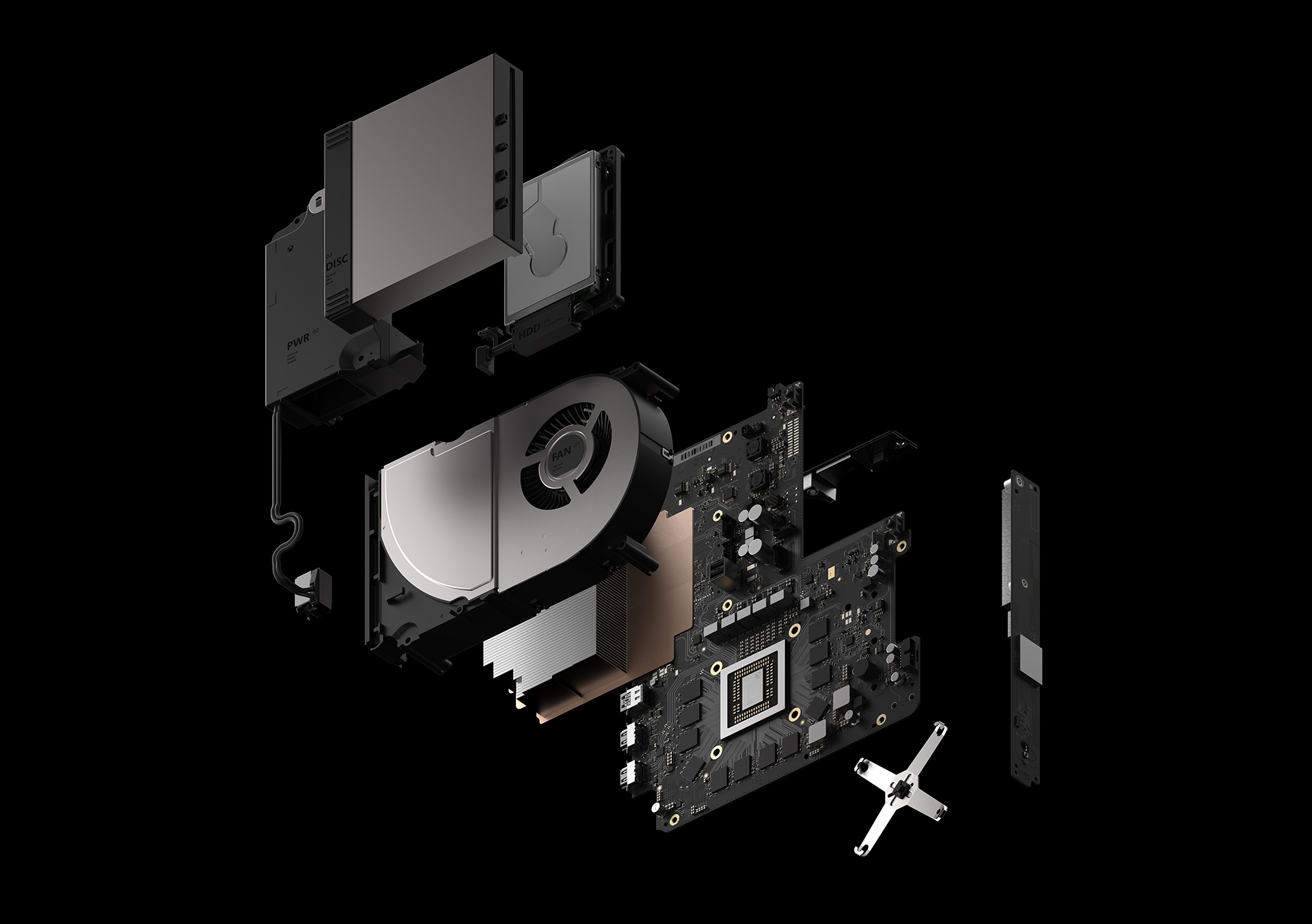
"What this means for Xbox One owners is that accessing those promised “4K experiences” is as simple as downloading that 100 GB patch…Now if only Microsoft will start paying my internet bill."
The good news for Xbox One X owners is that, because creating 4K assets and then scaling down to target platforms is increasingly norm, there’s little to worry about half-hearted support. In many AAA titles today, higher-res assets for created from the get-go to cater to the top-end PC experience, then scaled down to look presentable on other hardware. It’s just an easier process than having to rework the entire texture set for every target platform. What this means for Xbox One owners is that accessing those promised “4K experiences” is as simple as downloading that 100 GB patch.
Now if only Microsoft will start paying my internet bill.