





Do you remember how you got your PS5? It’s probably a blur, and it wasn’t released in the most stable global climate. Some struggled with it disappearing from their online carts; others waited weeks, if not months, due to shortages. Yet it was still topmost on everyone’s mind. The next-gen train was here – everyone wanted to be current-gen, watching the gorgeous scenery go by (potentially in 4K). Not last-gen. Oh, what wonderful sights awaited.
Over five years later, and the atmosphere is decidedly different. We’re beyond the point of complaining that this generation has barely begun or lamenting the lack of exclusives, especially from PlayStation, in recent years. Yes, last year saw two big-name titles that met and even exceeded expectations, but 2024 was downright barren, carried by third-party studios and best remembered for Sony’s live-service push crashing and burning.
2026 is looking better with three big names – Saros, Marvel Tokon and Marvel’s Wolverine – to look forward to, but it’s also getting to be that time again. Consciously or unconsciously, everyone is on the platform, waiting for the next-gen train to roll in, debating whether they can board now or later. It’s not fair, but what can you do, especially with all the rumors previously circulating about the PlayStation 6 launching in 2027?
What’s that sound? Oh, just the global economy going for a toss and RAM prices shooting through the roof (and maybe a train derailing, I’m no conductor).
After OpenAI and Samsung’s strategic partnership, which caused developers to panic over recommending 32 GB of RAM on PC, new reports emerged about how 2027 isn’t as likely as before for a next-gen console release. Insider-Gaming Tom Henderson alleged “ongoing talks at the higher levels” about the next Xbox and PS6 arriving after 2027. David Gibson, a senior research analyst for MST Financial, said that Sony could delay its console “longer than many expected.” And now it’s Bloomberg, citing “people familiar with the company’s thinking,” that the PS6 could arrive in 2028 or even 2029.
Oh, and the Nintendo Switch 2 might be getting a price increase this year.
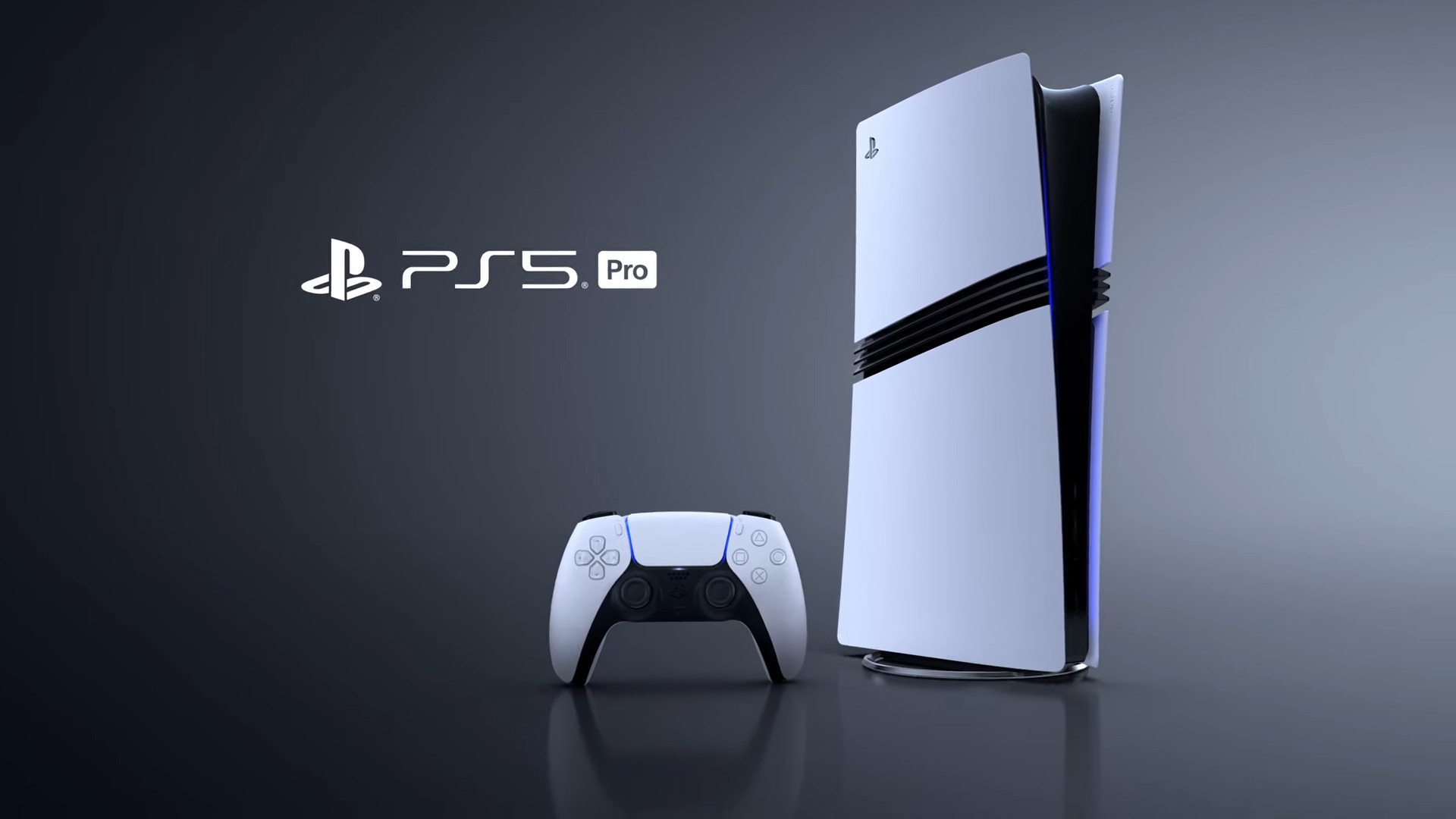
If these reports are true, that would mean for the first time in a long while that a console generation has lasted eight or nine years instead of the traditional six or seven (don’t say it) years. The company is reportedly concerned about ballooning costs if it goes ahead and launches it in 2027. Remember when everyone baulked at the idea of the PlayStation 5 Pro costing $700 (which has since gone up to $750)? The PS6 could be well beyond that. It’s madness, mass confusion, and yet…a good thing?
It means Sony has no choice but to focus more on the PS5. And make no mistake, it’s more than happy to. Despite the quarter being down compared to 2024, it still shipped 92.2 million PS5 consoles by the end of December 2025. It’s the company’s second fastest-selling console of all time, beating out the PlayStation 4 and only behind the PS2. The install base has already surpassed that of the PlayStation 3. Sony being able to get more mileage out of the console is, in almost every way, a win.
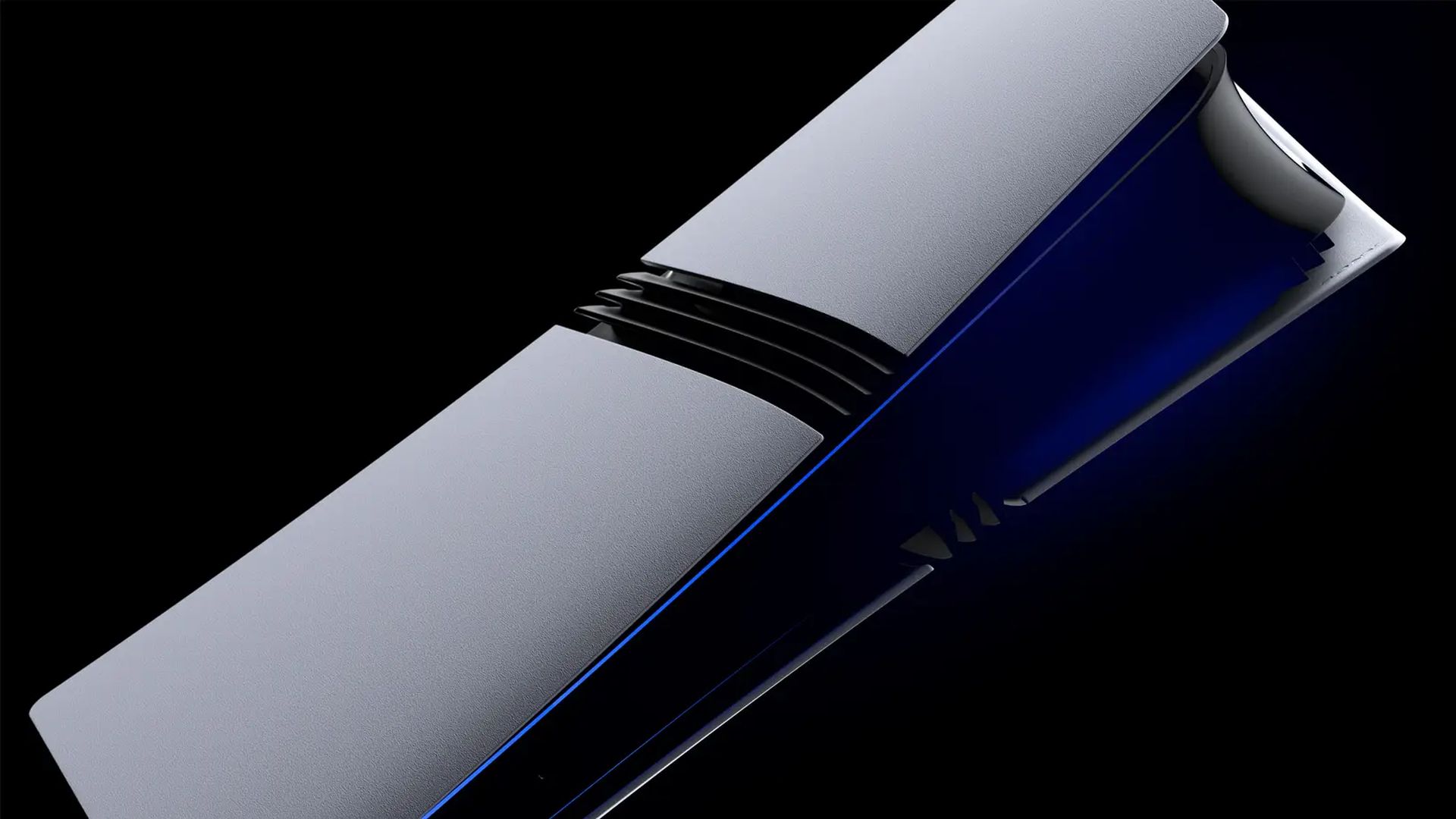
From a consumer’s perspective, the benefits are mostly positive. First and foremost, you don’t have to drop in excess of $800 anytime soon to play future titles. If anything, pushing back the release year could also mean it doesn’t end up costing as much, assuming RAM shortages are addressed and factors like tariffs become less overbearing. In the absence of Sony pushing new hardware, it means more developers and publishers will support the PS5 for a longer time. Not that they weren’t doing this already – see your yearly sports franchise or Call of Duty slop – but it’s going to be even longer before they finally move on.
That latter point is a double-edged sword, though. As Sony has proven this generation, it loves cross-gen titles. Horizon Forbidden West, Gran Turismo 7, and Ragnarok – all of these received backlash for releasing on the PS4 and PS5. From a business perspective, it makes sense. Why not exploit – er, cater to 113.5 million+ players who own a PS4? Get that bag, Sony, but try telling that to someone who dropped $500 for a next-gen console, expecting games that would fully leverage it. That’s a whole other rabbit hole as far as optimization goes, but at the end of the day, it makes that loyal customer feel like their purchase wasn’t worth it.
If the PlayStation 6 is indeed coming in 2028 or 2029, you can bet that Sony mandates cross-gen launch titles. And all those remasters that you were sick of? Hope you’re ready for Intergalactic Remastered, complete with 8K and 120 FPS support, exclusive to next-gen (Director’s Cut commentary probably included). Publishers may have toned down the next-gen upgrade nonsense to more palatable levels, but if you think Rockstar and Take-Two aren’t going to find a way to make their long-time fans double-dip for Grand Theft Auto 6, then you’ve got another thing coming.
There’s also the issue of console sales in general. In the United States, for example, console sales were on the decline for the first half of 2025 (and before that as well). It was ultimately the Nintendo Switch 2 that pulled the market back from the brink, leading to nine percent higher annual spending in the region compared to 2024. Why? Because highly anticipated new consoles help reinvigorate the market. They also help bring in new consumers, which leads to new gamers and more game sales (at least in theory). With so many factors working against video games in general nowadays – from the ballooning cost of triple-A titles to their high prices – the industry desperately needs more players, and new consoles help in a significant way
As successful as the PlayStation 5 is right now, shipments will continue to drop – it’s inevitable. If everyone who could have bought a PS4 has already done so by now, then who’s buying more? As time goes on, more of your current user base is going to be cautious about putting money down for the PS5 Pro when they know the PS6 isn’t that far off. Eight to nine years for a console generation is a lot, sure, but in the here and now, many probably wouldn’t mind waiting two to three years rather than forking over $750 for an upgraded PS5.
Now, we’re not privy to Sony’s plans. It’s all up to them, and we won’t know until it says so, but that’s what makes the current climate so unpredictable and worrying. For the first time in a long time, it’s not entirely up to the company. You could argue about it subsidising the cost of the PS6 just to get it out in 2027, but this is a different era. These aren’t the days of Sony selling the PS3 at a loss for multiple years. Even if it barely breaks even on the PS6, it can add to its profits in other ways. It’s not going to risk subsidising for who knows how long on a console, nor is it going to risk releasing something that the wider market can’t afford.
That said, as chaotic as things seem, this is also one of the most interesting periods for console gaming. How will PlayStation adapt? Which releases could be moved up to spur further sales of the PS5? Which titles had it planned for cross-gen releases could now come to PS5 before the PS6? Which of its first-party titles could it bring to other consoles, such as the Xbox Series X/S, to add to its revenue? Could the extra time allow for further refinements of the PS6, especially with its UI and UX?
It may also just be content to wait and watch. Whatever happens, the present is ultimately what matters, and whether we like it or not, the future is in the here and now.
Note: The views expressed in this article are those of the author and do not necessarily represent the views of, and should not be attributed to, GamingBolt as an organization.