






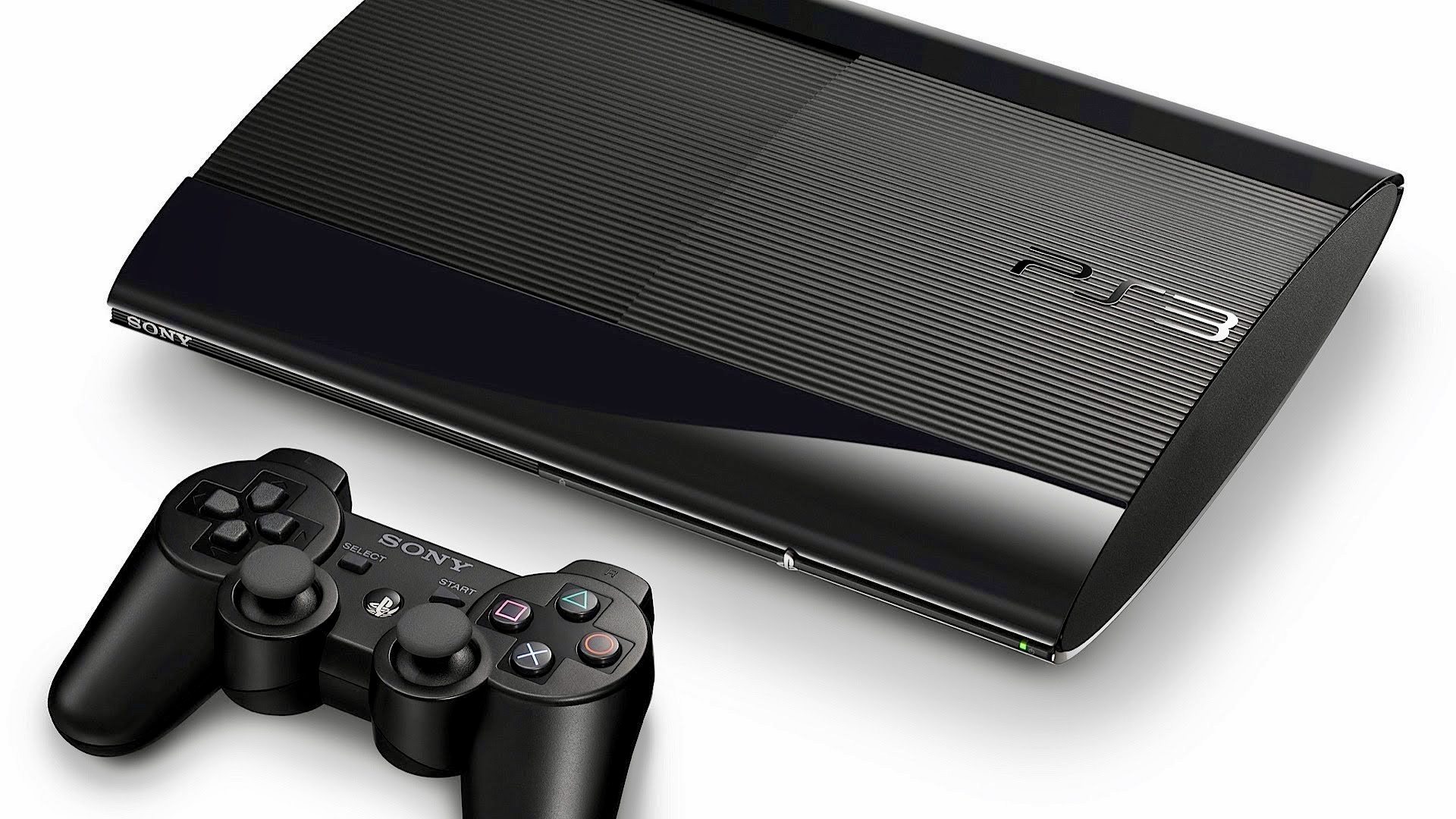
Sony has announced that it is ending online support for the PS3 and PlayStation Vita. The servers will be taken down in a staggered manner, beginning with the PS3’s PlayStation Store going offline in August 2026 for users in Mexico, Honduras, and Nicaragua. Latin American and Middle Eastern countries will see the store go offline in late 2026. In all other countries, the PlayStation Store on PS3 and PS Vita will shut down in July 2027.
The company has noted that while users won’t be able to buy new games on these older systems after the stores have been shut down, they will still be able to download things they had already purchased. Currently, there is no word on whether the servers to redownload older games will be shut down for the foreseeable future.
“We know this news may be disappointing to PS3 and PS Vita players who hold a special place in their hearts for this generation of gaming,” said Sony in its announcement. “PS3 and PS Vita represent an important era in our PlayStation history, so this was not an easy decision for us to make.”
“As we continue to expand the PlayStation experience on newer devices that most of our users are playing on today, we need to focus more resources on delivering the best gaming experiences on these platforms as we look ahead towards the future.”
The PS3 was launched all the way back in 2006 in North America and Japan, followed by a 2007 launch in the European and Australasian regions. It was the first of Sony’s consoles to feature full support for purchasing and downloading games digitally through the PlayStation Store, helped in large part by the built-in hard drive.
However, the console’s online infrastructure wasn’t without its issues, with April 2011 seeing a massive outage of PlayStation Network, affecting 77 million users. The outage lasted for 23 days, and as a way of apologizing to its users, Sony kicked off a “Welcome Back” program.
The PlayStation Vita, launched in 2011, was slated to be Sony’s follow-up to the massively successful PlayStation Portable. Featuring a number of improvements over its predecessor, including twin analogue sticks, a touch screen display, a touch pad on the back, and more powerful hardware, the system never quite hit the same levels of success as other handhelds of the time did. While there were plenty of reasons behind this, one of the biggest was Sony’s decision to go with a proprietary storage medium, which also happened to be quite expensive.
Along with buying physical copies of games, the PS Vita also supported digital purchases through the PlayStation Store. Much like the PS3, users could buy and download games directly on the system itself.
While the PS Vita didn’t quite see as many video game releases as the PSP did, the platform is still home to some unique titles, since it managed to get quite a bit of developer support from Japanese studios as well as Western indie teams. A follow-up that plugged into a TV – the PS Vita TV – was launched in Japan in 2013, with a more global release coming a year later.