





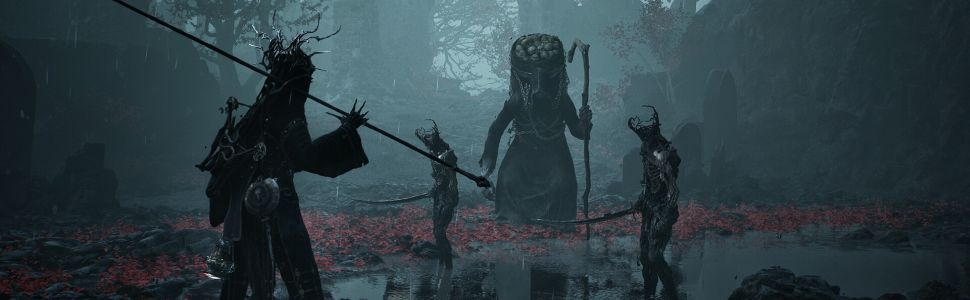
The first Mortal Shell is remembered as a small-scale project with promising foundations. Its execution didn’t always realise that promise, so developer Cold Symmetry has gone back to the drawing board, rebuilding the fundamentals to create a sequel which significantly overhauls the original’s combat, progression, traversal, and more. Here are the fifteen biggest differences.
Stamina Bar Removed
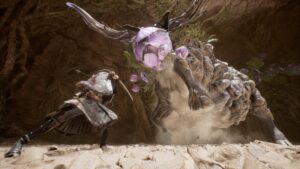
One of Mortal Shell 1’s biggest grievances has been completely removed for the sequel. The Shells’ stamina bar, previously, led to repetitive encounters where you’ll move to attack before dodging backward as you run out of stamina, spending a moment waiting for it to replenish so you can re-engage and repeat the process. With stamina gone, fights are continuous and fluid, emphasising an expressive, aggression-first ethos that puts the sequel in-line with modern action-adventure titles over action-RPGs.
Abilities Become More Integral to Combat Flow
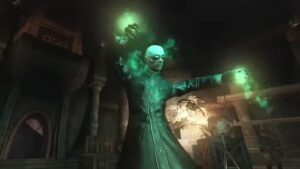
And, as stamina has been removed your Shell’s ability bar becomes weaponised. Because ability is generated during attacking, and attacks are no-longer constrained by stamina, Shell-specific active skills become more integral to combat in the sequel compared to the first game. Herros can turn more opponents to stone, Tiel deals poison with every parry, and more, with ability customisation also receiving an overhaul to be deeper and more personal. It’s a great example of the devs redesigning combat to be more aggressive and then moulding the supporting systems around it.
New Posture-Breaking System
While Mortal Shell 1 didn’t have a visible posture meter (you had to visibly gauge when an opponent was staggered), Mortal Shell 2 introduces an additional UI bar above an enemy, making it easier to determine when your attacks will stun your opposition. And, like stamina’s removal and the renewed emphasis on ability-charging, the posture-breaking system synergises with the sequel’s aggressive combat style, where continuous attacks lead to stunned enemies and a chance to unleash a devastating critical attack, all whilst recharging your ability.
New Colour-Coded Attack Indicators
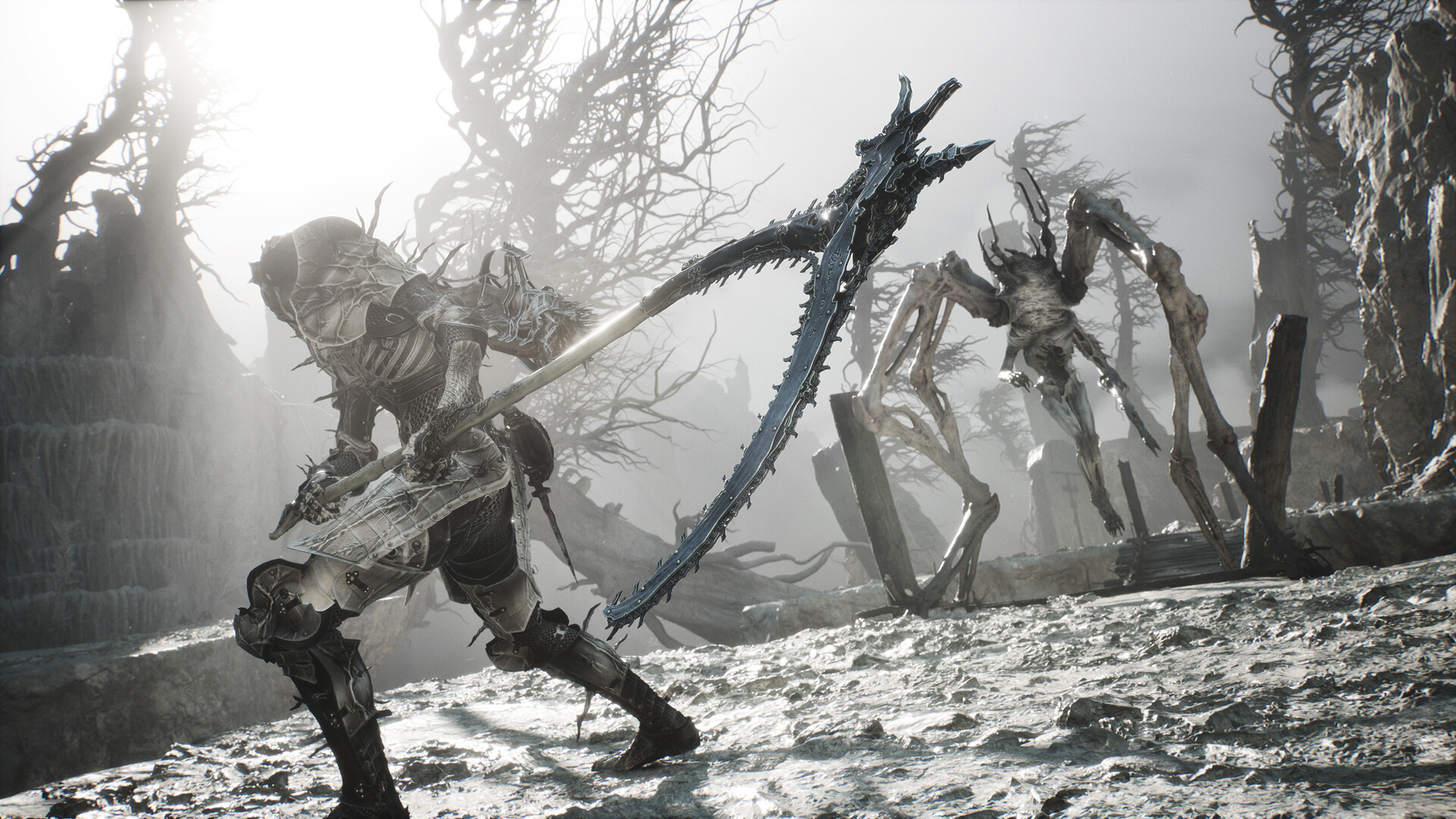
Unblockable attacks in Mortal Shell 1 were indicated by your Shell’s Tarnished Seal, but the catch was that you needed to have at least one segment of Resolve in your ability bar. The sequel, instead, makes enemy attacks more readable by introducing colour-coded indicators: red means the incoming attack is unblockable, while yellow indicates the attack is parry-able. This ‘always on’ system might discourage you from memorising every enemy’s attack pattern, but the enhanced readability will lead to less frustration, more predictable outcomes, and less friction in mastering your favourite manoeuvres.
You’re Stronger Outside of Your Shell
You’re a skinny, pale being outside of your shell, and in Mortal Shell 1 your body behaved accordingly. Get knocked out of your shell and you were only one blow away from death, desperately scrambling back before an enemy finishes you off. Mortal Shell 2 gives you more agency; instead of retrieving it unscathed, the sequel asks you to deliver a melee attack string, marking another example of the game emphasising aggressive play.
Greater Weapon Variety – Including Guns!
Mortal Shell 1’s arsenal was retrained, with just four melee weapons and the ranged Ballistazooka available throughout the entire game. Mortal Shell 2, instead, broadens your options with eight primary weapons and eight secondary firearms. Guns aren’t simply long-range damage dealers either; with ammunition tied to your ability meter you’re encouraged to stay on the offensive to keep firing. Yet another example of the game prioritising combat aggression, delivering a one-two punch of blade and bullet akin to Control or Hyper Light Drifter.
Hardening Evolves To Be More Flexible
Hardening was one of Mortal Shell 1’s defining mechanics, temporarily turning your shell into stone so you could absorb any incoming attack. While it remains a staple of the sequel’s defensive toolkit, it has now been woven into a set of building blocks to slot into a modular setup. No longer the default defensive option, harden has been rebranded as the Vatra Seal, and in combination with other seals – specialising in blocking, parrying, and more – beta players have reported the new system has dramatically altered their approach to defence.
Seals Add Another Layer of Customisation
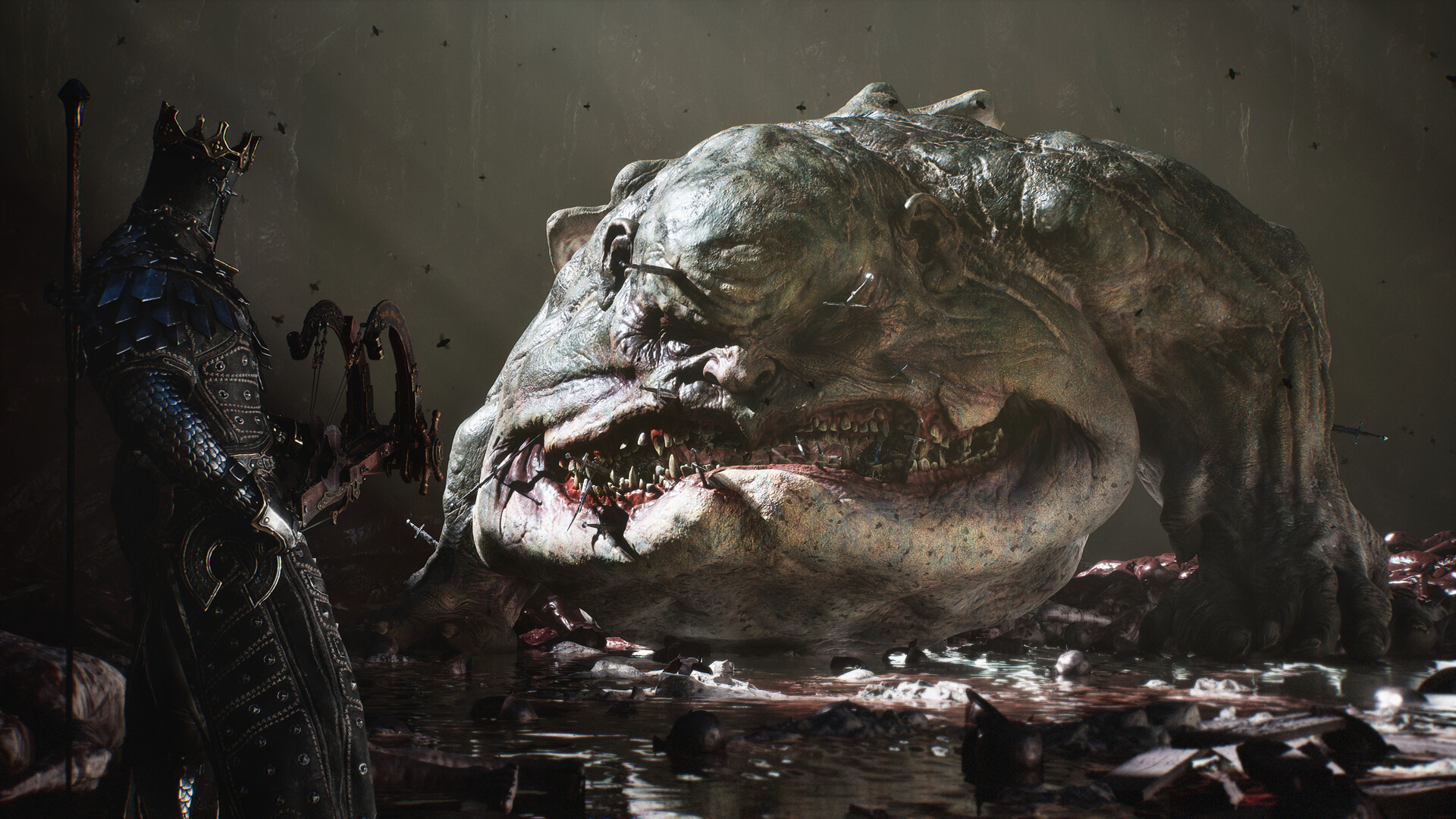
And it isn’t just your defensive options that are broadened by the introduction of seals. There is a suite of seals available which you can equip and swap to support a range of combat and traversal specialisations, providing another layer of customisation, These aren’t simple passive skills, but fundamental tools to mould your Shell to different situations. Together with Shell skill trees – which we’ll get into shortly – and modular hardening, Mortal Shell 2’s RPG systems are much deeper than the original game.
Considerably More Playable Shells
The titular Shells, as you’d expect, remain foundational to Mortal Shell 2’s build system, with each offering their own strengths, weaknesses, and combat identity across three distinct attributes. While the original featured four core Shells, Mortal Shell 2 more than doubles the variety with nine confirmed shells at launch. The aforementioned Harros and Tiel return alongside some new designs, and together with deeper customisation systems there appears to be more room for personalisation than was ever possible in Mortal Shell 1.
Shell Progression is Deeper
Shell progression sees a significant overhaul in the sequel too. Whereas in the original you had to farm two separate currencies to purchase abilities, Mortal Shell 2 introduces Shell Points which can be allocated to individual Shells’ skill trees. Fixed stat progression has been tweaked too, with your Shell rewarded with stat increases by clearing areas of enemies and arriving at checkpoints. Separating skill tree progression and character levelling in this way should encourage you to specialise in multiple shells while still getting stronger overall.
A Much Larger World
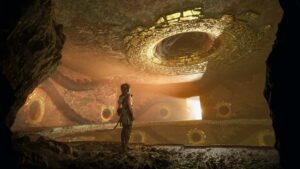
The first Mortal Shell combined several interconnected regions, with exploration focused as a result. In contrast, Mortal Shell 2 expands the original’s scale, providing a substantially larger open world with multiple routes, diversions, and freedom to explore. The shift in scope brings the sequel closer to its Soulslike inspiration, where curiosity is rewarded rather than guided.
World Design More Vertical
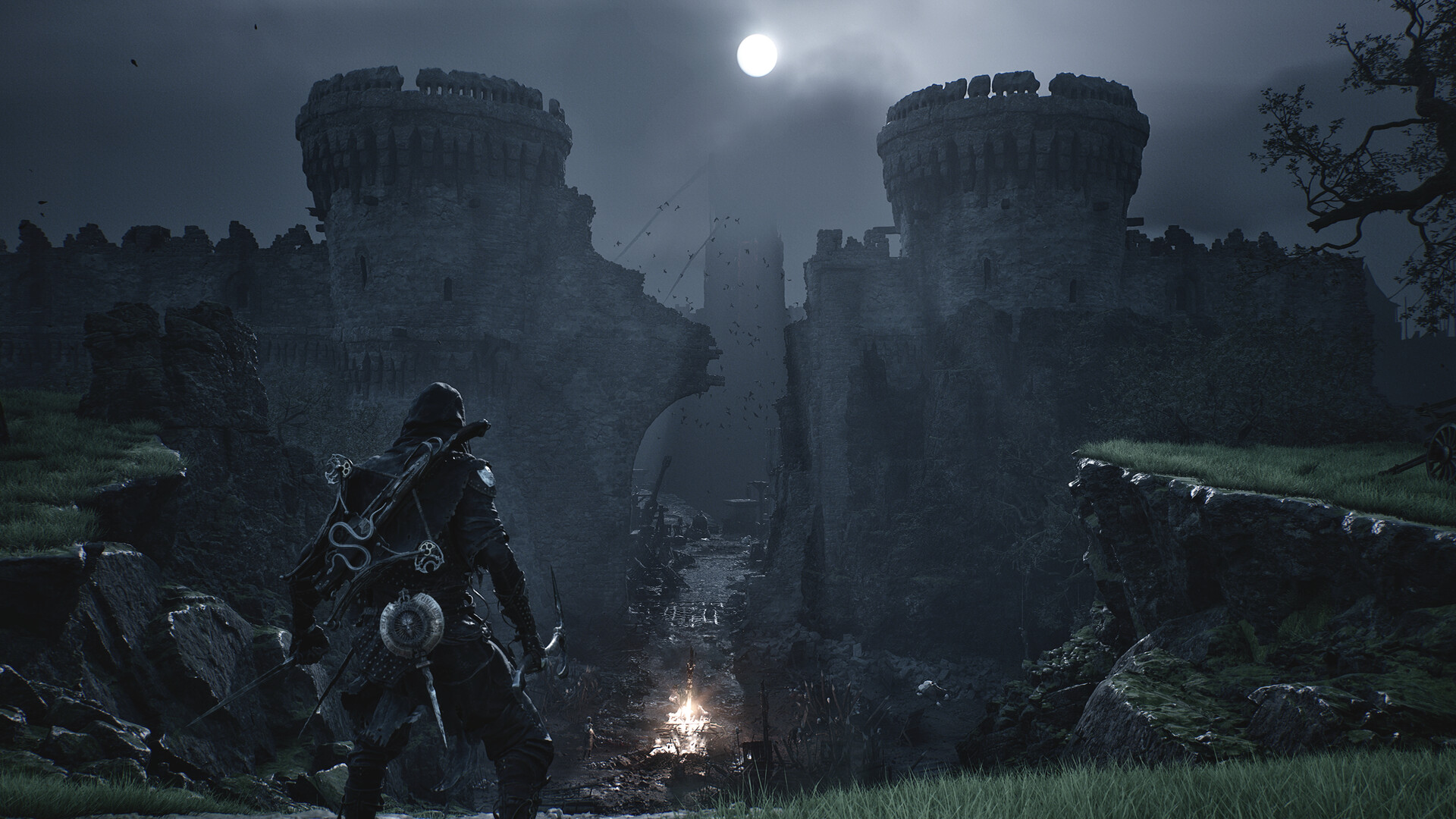
The sequel’s larger world makes more use of verticality too. Where the original game’s environments were largely grounded, Mortal Shell 2 introduces elevated structures, towers, and layered locations, with new traversal mechanics ensuring movement through the world feels like a breeze. Grappling, climbing, and other options make exploration more varied and hands-on.
Exploration More Open
And on that note, it isn’t solely newfound verticality which transforms Mortal Shell 2’s exploration. Thanks to its new open-ended philosophy, a dedicated in-game map makes navigation more streamlined, while the larger world branches intuitively with alternative paths to investigate. Rather than wondering if you’ve missed something, the sequel gives you the tools to carve your own route.
Setting More Involved
The setting in Mortal Shell 1 was deliberately cryptic, and while the sequel maintains the opaque style it’s now supplemented by more explicit presentation. Voiced-acted dialogue, richer setting, and a greater emphasis on cinematic exploration ensure some of the world’s mysteries are communicated directly to you instead of relying on clues and fragmented information.
More Optional Content
Exploration isn’t just about getting to the next objective as now there’s a greater number of optional side activities to distract you: hidden dungeons, mini bosses, challenges, upgrade materials, and secret areas. Mortal Shell 1 rewarded exploration, sure, but the sequel ensures venturing off the beaten path is a much more worthwhile endeavour.