






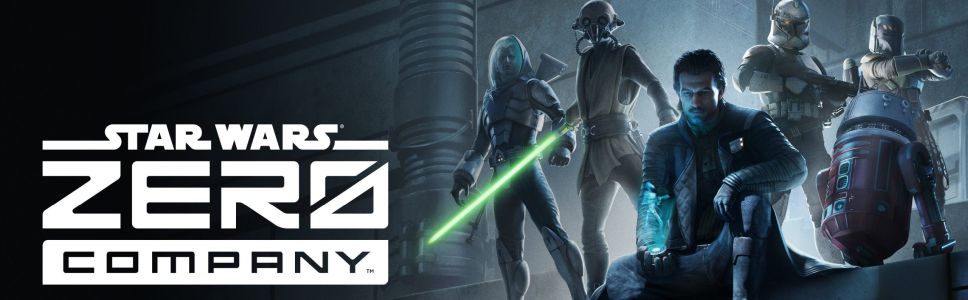
It’s hard to think of a Star Wars story where the Jedi haven’t at least influenced the corner of the galaxy that it takes place in. Of course, the touch of some Jedi leaves enough of a mark for their loss to be felt long after they’re gone, and that’s probably why we’re so interested in Star Wars Zero Company’s padawan-class Operator Tel-Rae. She’s special in that she’s the only Jedi Operator and comes with her own backstory, and unique enough to make lead designer James Brawley warn us to be careful with her when playing the game.
Why, you ask? Well, that’s exactly why we’re here. We don’t know too much about her motivations or personality other than glimpses from the game’s promotional materials, but we do know that her presence, and potential absence, represent a part of the Star Wars franchise that other studios have bafflingly shied away from. Zero Company’s permadeath-anabled campaign isn’t afraid to deny the plot armor most other games would give a character of Tel-Rae’s narrative significance. In doing so, Bit Reactor has managed to make dealing with the loss of an ally a dynamic part of its gameplay loop.
Here’s why we’re very intrigued to see how this innovative twist to what’s easy to mistake as X-COM with a Star Wars overlay works in action.
Unexplored Corners of Faraway Galaxies
Any story needs a protagonist, and needs them to survive until its end in order for the plot to follow its natural course. It’s a thing most mainstream games allow for by treating death as a failed attempt at getting something right, allowing you to reload and try again, the mistakes of the past guiding your present. Your protagonist, and potentially other important cast members with more story to tell, survive because the story says they must, and no amount of terrible gameplay on your part isn’t going to change that.
If and when a character does die, it simply means that their story has reached the end of its road in the larger plot. As such, that death is then a scripted event, and not necessarily something that’s your fault, or actively under your control. Yes, other Star Wars games have come with choices that could lead to the death of important characters if you chose poorly, but a common thread is that the loss is narratively significant but perhaps not as woven into the very foundations of your experience as it could be.
How would that work? Would it even work? Well, Zero Company is trying to answer those questions with innovations that are insightful implementations of a team-building mechanic that has you investing in characters while balancing that out with the risk of one bad call on your part leading to losing them forever. Their loss is on you, and its you who must carry the consequences of those choices. It flips the script by taking control of those events away from it, and placing it squarely between your thumbs.
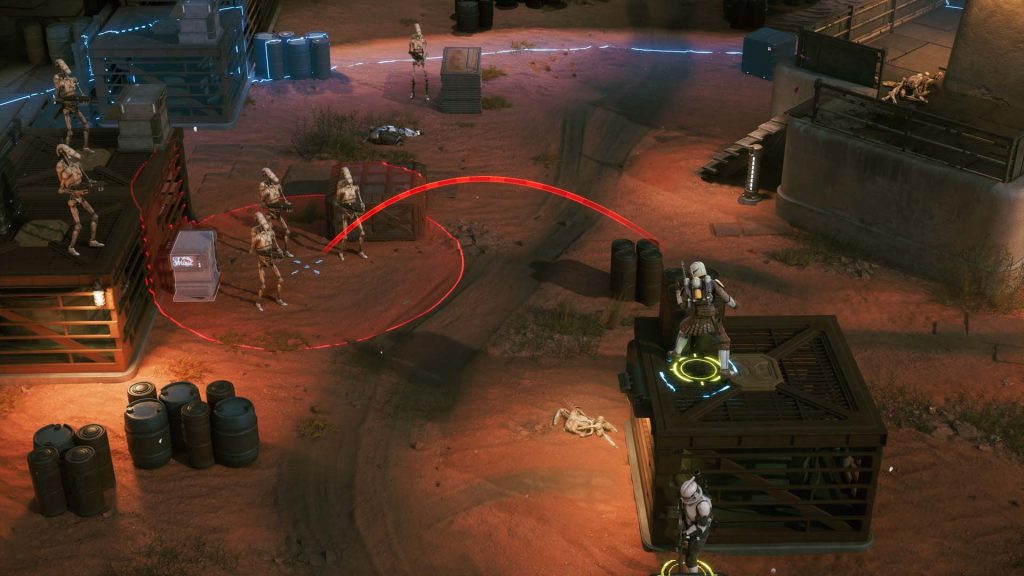
It’s a whole new perspective on permadeath that makes Zero Company a title that’s as intimidating as it can be intriguing. It’s going to be on by default, and is intended to convey a sense of loss as well as to weave in moving on from that failure into the gameplay loop. In practice, the game’s Standard difficulty has an Operator reaching a Downed state if their health is fully depleted. That counts as an injury and they can be revived by an ally.
So far, so good right? But it’s when you stack a third injury on that same Operator where things get interesting. It’s what triggers permadeath for that Operator, and they’re no longer a part of your adventure. It’s interesting because the warning signs are already baked into the experience, and you’re then on the backfoot with regard to an Operator you clearly like taking out into the field, but are now cautious about knowing that you’re actively threatening their life with every mission. You’ve seen them escape death twice, and you know what they say about the third time being the charm.
But how does Tel-Rae, a Jedi padawan who probably hasn’t spent enough time meditating to seriously consider the circle of life, fit into all of this?
The Plot Under The Plot Armor
Well, she’s an indicator that Bit Reactor is willing to put its money where its mouth is and go the distance when it comes to permadeath. It could have been easy to extend the system to any of the customizable recruits you get to add to your ranks as you progress through the game and call it a day. It would still have the consequences we spoke of while having no influence on the narrative structure, and be less of a pain all around.
But the fact that Tel-Rae is an authored character whose backstory involving her fallen Jedi master is quite interesting, as are her Jedi-specific combat abilities, can die just as easily as any of your other recruits immediately puts you in a position where you don’t want to make too many mistakes. You’re forced to think like a leader, and weigh the rewards against the potential risks every time you send a recruit out into the field.
When you think about that through the lens of a character and Operator as unique as Tel-Rae, you know you can’t simply replace her since her role’s pretty unique, but you’re going to think about when and where to use her skills based on how well she’s been taken care of over the course of your campaign progress. The developers have since stated that they wrestled with the idea of allowing authored companions to fall under the permadeath system’s purview, with concerns arising about what could be safely written into their stories.
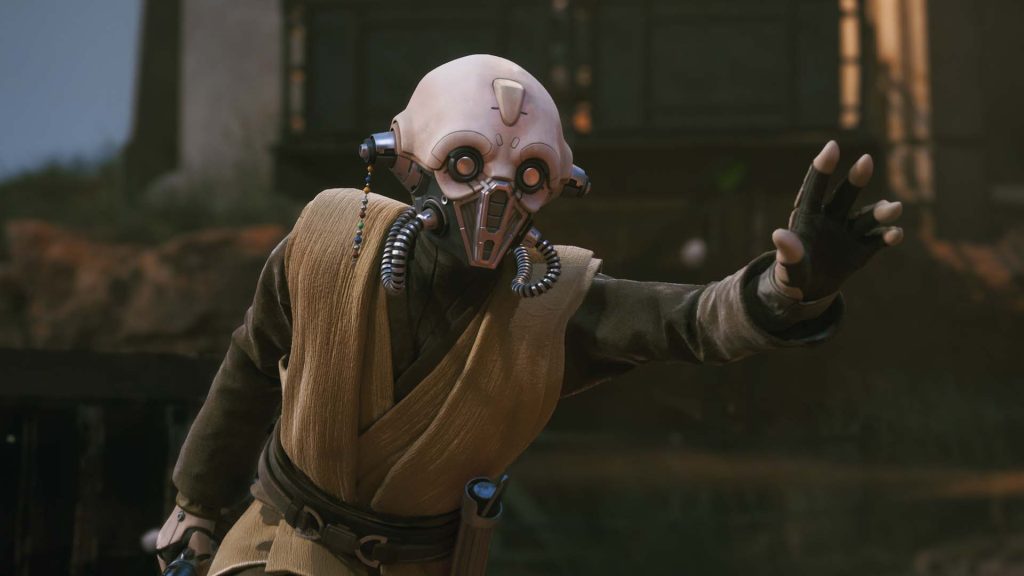
But like many of the inspiring folks from its inspirations, Zero Company’s team decided to forge on ahead, not just with making those characters be vulnerable to a dangerous game of risk-and-reward, but by placing you squarely in the center of it. It’s at this juncture that the Bonds system comes into play. You’re not just accompanying these characters on their respective journeys, but actively finding ways to make them work well with the rest of your crew. In short, you’re leading, and building a close-knit unit where each member pulls their own weight while trusting their comrades to do the same.
Your characters build bonds with each other not just by fighting together, but by using synergies between their skill sets while backing up anybody who needs a helping hand. Those relationships unlock actual gameplay benefits and cross-training rewards, while also showing an unfolding camaraderie building between members who might otherwise not get along. Trick and Luco’s acrimonious first few hours and how that hostility can make way for the beginnings of a working relationship the more you send them out together on missions is a good example. It’s also equally important to know that the developers say that those relationships could also affect their fate.
But as the one at Zero Company’s helm, you’re the one building those bonds from the ground up, the game’s very foundations encouraging you to foster a budding friendship between misfits from all walks of life. You watch these people warm up to your command and even learn to like each other, all with the knowledge that all of you might make it back to the Den the next time you head out into the field.
All right, you care about your recruits. But mistakes happen, right? Yeah, and Zero Company sets itself apart by how it’s designed to respond to your errors in judgement.
Dealing With The Inevitable
Mistakes happen, and even more so in situations where the stakes are literally life and death. But when the worst happens in most video games, it’s a matter of thinking “I screwed up, time for a reload”. But Zero Company makes you think about what’s next instead, incorporating the loss into your story and gameplay with authored characters receiving protections only up until their essential narrative introductions are set up.
After that, anything can happen, and there is dialogue and content built around who’s remaining at any given point in time, which means that the whole squad can showcase the loss of a comrade. But to us, the players, those altered squads become our very own versions of the story, the melancholy of memories built with fallen friends contrasting very well with fond ones of shared victories, and moments of connection that you’ve actively chased.
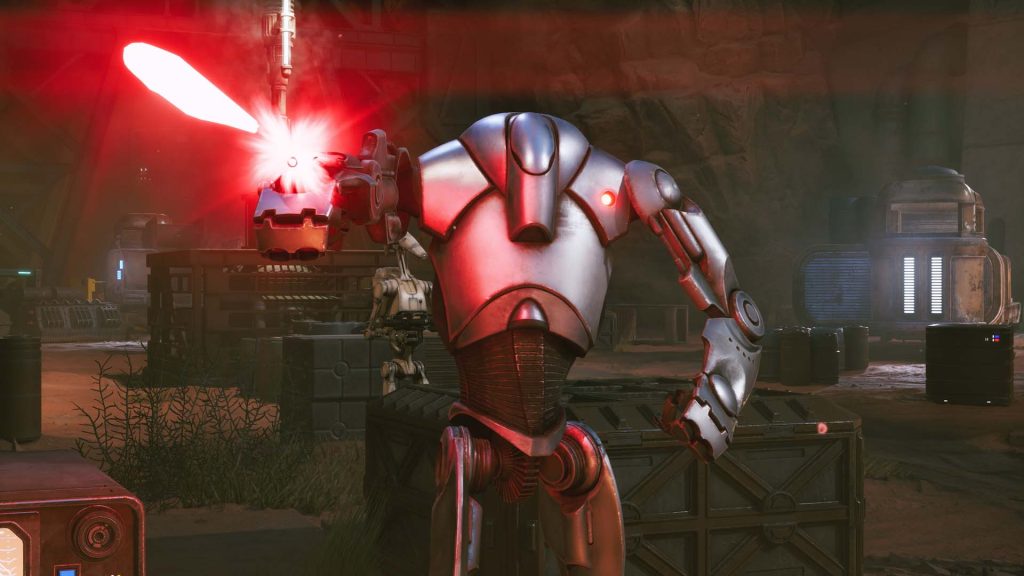
On the gameplay front, your playthrough can vary as wildly as the story can, with the squad members you have coming with specific abilities to exploit even as you sorely miss ones that your former comrades might have brought to the table had you been just a little more careful. Losing stronger Bonds could mean losing out on those synergies you built with the rest of the crew.
It’s easy to see the metaphorical centerpiece of a well-built squad fall in battle only for you to be left unable to make use of the advantages that the character offered. Their loss is felt across the board, and reverberates along your playthrough in ways that make Zero Company a very compelling addition to the Star Wars lineup.
It touches upon an important narrative theme, forcing you to take losses and move forward just as the rebels did in their bitter fight against the Empire. This take on a galaxy far, far away has consequences to your actions, putting you at the very center of potential tragedies, or great victories earned through fighting as a united team, and taking care of each other in ways that only a well-trained, well-adjusted unit can manage.
Zero Company’s best moments might not come from finally taking down its mysterious villain, who’s hiding some potentially explosive Jedi secrets of her own, but from moments where one bad call leads to a chain of events that profoundly impact your story and gameplay. Your mistakes are as important as your successes, and that’s an aspect of the Force that could keep you coming to Bit Reactor’s eccentric cast of characters long after you guide them to victory in the story.
Note: The views expressed in this article are those of the author and do not necessarily represent the views of, and should not be attributed to, GamingBolt as an organization.