




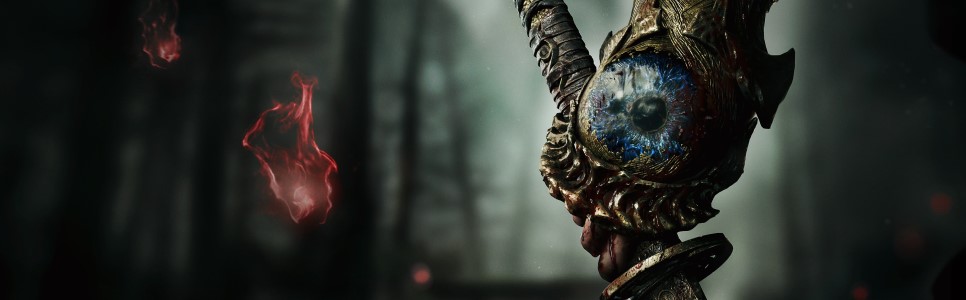
For a long time, fans have been hoping to see Onimusha return to the limelight, and after a couple of remasters in recent years, the action samurai franchise has finally made its comeback with a brand-new instalment in the form of Onimusha: Way of the Sword and thankfully, it’s an entry that is well worth the long wait. It’s a tightly designed, challenging action title that reimagines and modernizes Onimusha in clever ways, while still keeping true to the series’ core identity, and avoiding overabundantly used genre tropes.
"Narratively, there isn’t much that Way of the Sword is doing that stands out"
Onimusha: Way of the Sword functions very much as a standalone entry. It does, of course, share continuity with the larger Onimusha universe and series lore, which means veteran fans will find plenty that’s familiar, but narratively, it functions separately from past titles. You play as Miyamoto Musashi, a skilled, roguish samurai who arrives in Kyoto looking for worthy foes to challenge and beat in order to prove himself the best of the best. His quest, however, quickly takes an unexpected turn, and it’s not long before he finds himself thrust into the role of Onimusha. Unwillingly equipped with a powerful gauntlet, it now falls to him and the new allies he makes to stop the encroaching threat of the monstrous Genma and Malice before Kyoto is run over and destroyed.
Narratively, there isn’t much that Way of the Sword is doing that stands out, though it does always range from serviceable to solid in this department. Musashi is a compelling protagonist with a surprising amount of bite, and always seems to have amusing one-liners up his sleeve- almost like an Edo-era Nathan Drake-coded samurai. Some of the cutscenes are also worthy of special praise, thanks to excellent action choreography first and foremost. Beyond that, however, by and large, Onimusha’s writing and storytelling don’t do much to rise above being serviceable, barring some moments here and there.
It’s a good thing, then, that the thing that the game concerns itself with first and foremost is not the storytelling, but the combat and the moment to moment action- which is, thankfully, top notch in Onimusha: Way of the Sword. This is a challenging game that demands that players understand and learn its mechanics, and rewards you for doing so with tightly designed, hugely satisfying, and mechanically complex combat scenarios. This is not a Soulslike, and still very much an Onimusha game- and it’s better for it.
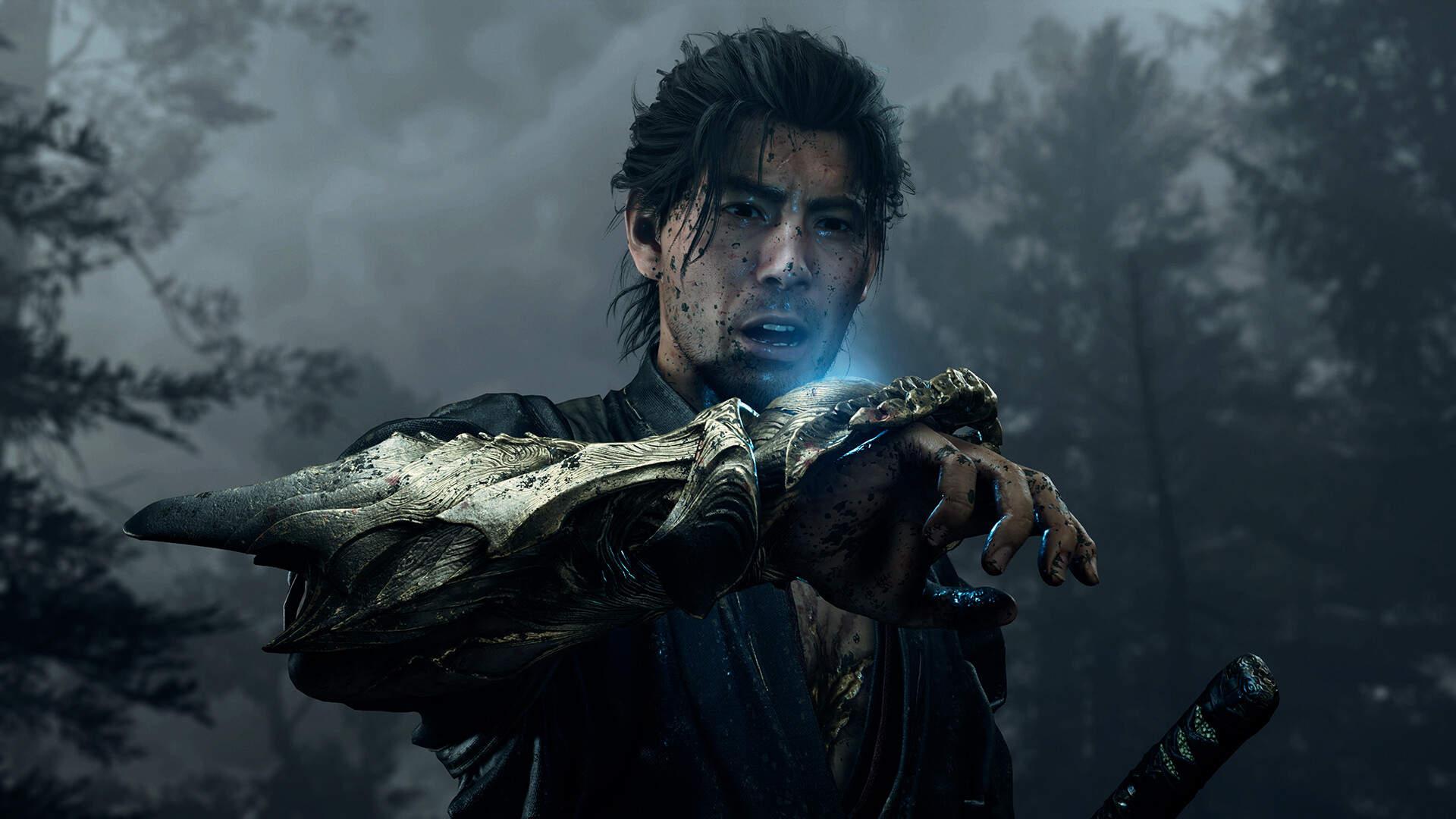
"A lot of focus is placed on parries and breaking enemies’ posture and guards to strike hard during windows of opportunity"
The game’s biggest strengths is how perfectly it captures impactful, precise, skill based sword combat. Seriously, this is probably the best gameplay expression of swords clashing I’ve seen since Sekiro: Shadows Die Twice. A lot of focus is placed on parries and breaking enemies’ posture and guards to strike hard during windows of opportunity, and though that in and of itself is by no means unique in the modern gaming landscape, Onimusha: Way of the Sword captures it better than most. Every hit feels hard and satisfying, and every parry feels impactful. Learning to master the timing of parries and deflects never loses its charm, and perfect parries and deflects on attacks are always incredibly satisfying.
Beyond the central parry mechanics, there’s plenty more that Way of the Sword’s combat throws in for players to juggle. Dodges are, of course, another important pillar of combat, as are the souls that enemies drop when damaged or killed. In true Onimusha fashion, using your gauntlet to suck up these souls for varying purposes – from healing yourself to filling up a bar that unleashes a powerful attack with a special weapon – is an important part of the combat loop. Finding moments to step away from enemies in order to absorb souls adds an interesting layer to the combat’s rhythm, especially when you throw in bosses (more on those in a bit) who can absorb souls for themselves if they’re left on the field for too long.
The progression systems in Onimusha: Way of the Sword go significantly deeper than basic stat increases, offering a variety of layered mechanics that consistently broaden your tactical options. Character growth is handled at specific hubs where you can refine Musashi’s capabilities, while exploration remains vital since hidden Power Stones are required to unlock new maneuvers on the skill tree. Your arsenal and armor provide additional avenues for growth, requiring materials scavenged from the world to bolster your offensive output and defensive resilience.
Musashi eventually gains access to a bow, providing a much-needed ranged alternative for picking off distant threats or interacting with environmental puzzles and boss weak points. Certain upgrades, like the Strength ability, serve a dual purpose by functioning as both a guard-breaking combat tool and a means to shatter barriers and uncover secret paths.
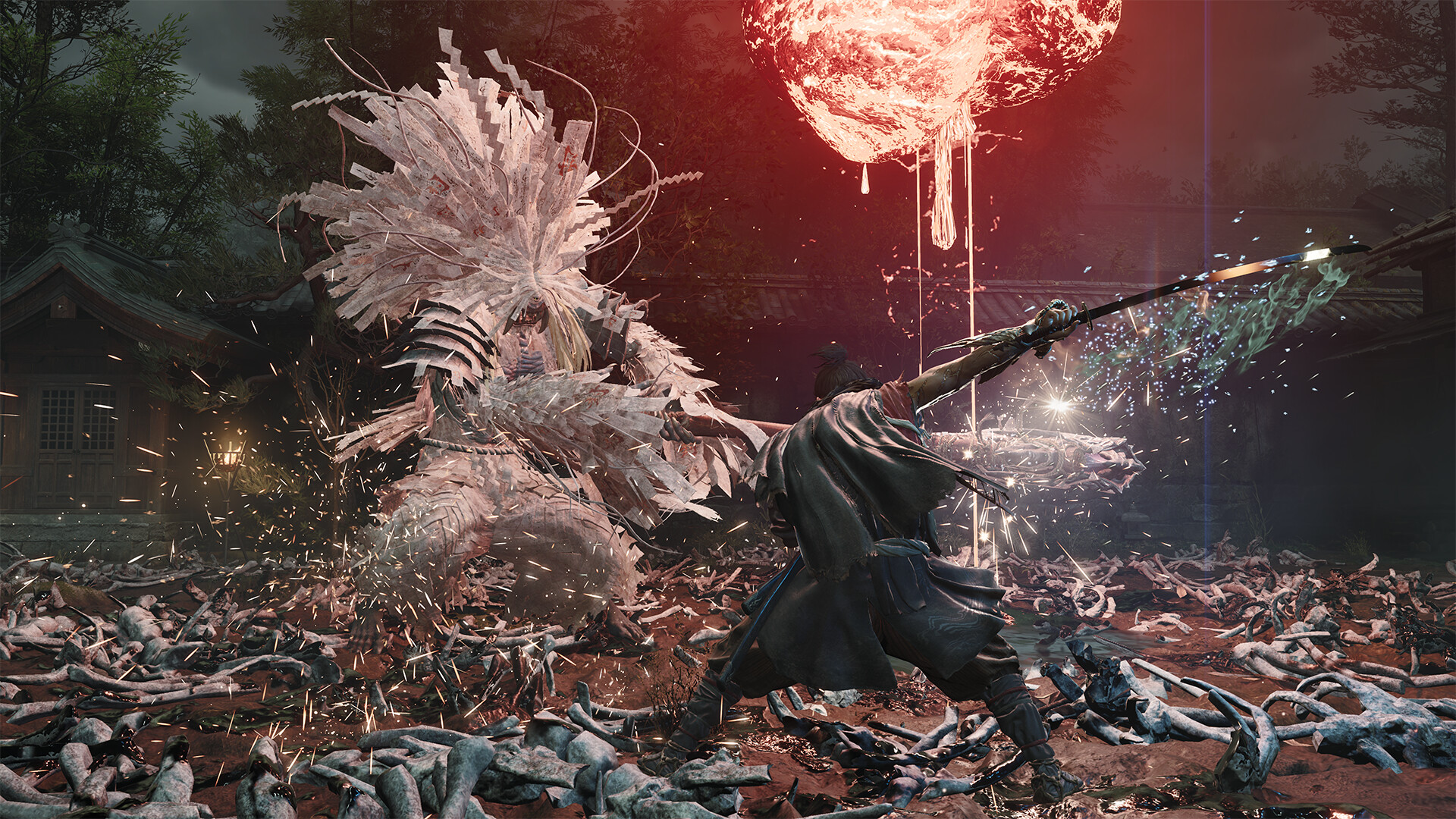
"All said and done, Onimusha: Way of the Sword offers a great deal of mechanical depth where combat is concerned"
Furthermore, customizable Charms offer passive perks that can be enhanced using Red Souls or Favor earned by aiding the populace. Ultimately, the progression feels less like a hunt for higher numbers and more like a steady evolution of Musashi’s toolkit, granting you a diverse array of counters, super powers, and equipment bonuses to master.
Other mechanics help the combat shine as well. Issen and Break Issen allow players to get into adrenaline fueled clashing duels and chains of deadly one-hit kill combos, while environmental objects like carts and massive wooden boards can also be used to your advantage in the moment, both offensively and defensively. Some basic stealth options are also offered, while a handful of unique abilities and ranged options (like the bow) also only add to your repertoire as a warrior.
All said and done, Onimusha: Way of the Sword offers a great deal of mechanical depth where combat is concerned, and backs it up with incredibly precise and satisfying moment-to-moment execution of mechanics. When all of its different pieces come together in tense combat scenarios – especially those aforementioned boss fights, which are, unsurprisingly, by far the highlight of the experience – and you’re perfectly making use of parries, dodges, attacks, and everything at your disposal with deadly precision, it’s hard not be wowed by just how gratifying it all feels.
There’s always immense to be had in observing and learning the different attacks that your enemies can unleash, and figuring out how and when to best use the many tools at your disposal. Mastering Way of the Sword’s artfully implemented combat mechanics and overcoming the considerable challenges that its many varied enemies and bosses pose is always at the heart of the experience, and it never loses its appeal from the game’s beginning to its end.
Though Onimusha: Way of the Sword is best-in-class when it comes to the combat, in some other areas, it is less spectacular- while still (mostly) doing enough to ensure an engaging gameplay experience. From a design perspective, for instance, there’s a level of focus and an insistence on avoiding bloat that I personally hugely appreciate, even if the game tends to stick to tried and true design tropes. Onimusha allows for a good amount of exploration, and players who want to engage with the game on a deeper level will find plenty of optional content to tackle. This is not, however, an open world game, which means players are mostly going to be moving from one location to the next to tackle specific challenges.

"Visually and from a tech perspective, Way of the Sword is a solid experience."
The levels themselves feel refreshingly focused in how they’re designed, almost nostalgically so. Though the game does, of course, start throwing in more complexity with its level design, puzzles, and what have you as you progress further, by and large, it ensures that it keeps its focus, first and foremost, on the moment to moment combat. The side content available – like exploring Kyoto, rescuing civilians from Genma, completing training challenges, or what have you – are also rather by the numbers, and yet simultaneously consistently enjoyable.
A lot of that is, of course, down to the fact that combat is always central to the gameplay- which means the spectacular combat often ends up uplifting otherwise fairly ordinary or generic aspects of the design or gameplay.
Visually and from a tech perspective, Way of the Sword is a solid experience. RE Engine is obviously no stranger to making visually stunning games, and though this newest Onimusha entry doesn’t quite touch the level of polish and obsessive detail of something like the modern Resident Evil titles, it still holds its own pretty well. Facial animations can sometimes look a little stiff and some of the environment art tends to feel a little generic, but thanks to excellent action animations, stunningly designed bosses and enemies, and more, Way of the Sword still manages to visually impress in several ways. Most importantly, it performs like an absolute dream on the PS5, with rarely any frame rate issues to get in the way of the high octane action.
Onimusha fans have been waiting for the series to awaken from its long slumber for a long time, and Way of the Sword sees the franchise do just that in impressive fashion. Though there’s obviously no dearth of options out there for fans of swordfighting action games, it wouldn’t be an exaggeration to call Onimusha’s comeback one of the best of all of those options. If complex, satisfying, mechanically tight combat is what you’re looking for, look no further than Onimusha: Way of the Sword.
This game was reviewed on PlayStation 5.
Musashi is an engaging protagonist; Spectacular swordfighting combat with tightly executed mechanics; Parrying and dodging always feel satisfying; Great enemy design, spectacular boss fights; Tight, focused level design that still offers room for exploration and optional content; Looks great, runs almost flawlessly.
Fairly routine story; Some gameplay and design aspects tend to over-rely on the combat’s strengths, and come across as a little generic; Occasionally wonky facial animations.