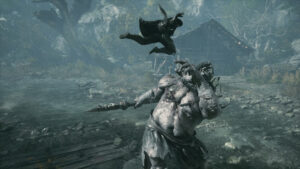






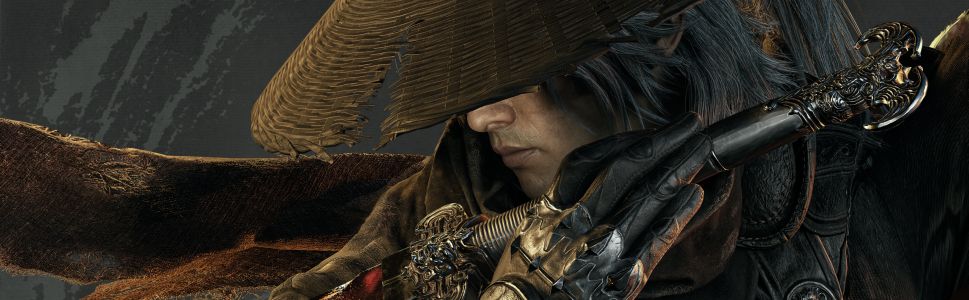
Phantom Blade Zero is out now and a pretty strong success by both reported and legitimate accounts (if Steam concurrent player counts are anything to go by). Set in a distinct kungfupunk universe and telling a Wuxia that’s much closer to dark fantasy, the story focuses on Soul, a former Order assassin now on the run after killing its leader. He also has 66 days to live, which is just the icing on top of this disaster sundae.
However, it’s also the latest hack-and-slash action RPG to be developed on Unreal Engine 5, following in the footsteps of smash hit Black Myth: Wukong, free-to-play title Where Winds Meet, and upcoming titles like Nodusfall, Tides of Annihilation, etc.
Granted, it’s permeated the industry on a much wider scale, but thus far, its track record in this genre has proven solid. The question now is how Phantom Blade Zero performs on PS5 and PC. We’ll get to that, but first, let’s discuss…
S-Game’s Unreal Engine 5 Usage
Nanite, Lumen, ray-traced lighting and reflections – from the outset, Phantom Blade Zero certainly ticks all the boxes for an Unreal Engine 5 title. The attention to detail is also eye-watering when you stop and admire it, especially the use of physically-based rendering on clothing and weapons. It makes them stand out all the more, whether it’s Soul’s tattered cloak or his weather bamboo hat, especially when rain droplets dot them. Even the rust on weapons like Sanguine is palpable at times. Motion matching is also in play for the animations, which are definitely the highlight and transition smoothly into one another.
However, there are caveats, like more selectively applying Nanite, doubtless to assist in performance. Given its infamy with stuttering, Unreal Engine 5 may seem like an odd choice, but per director Qiwei “Soulframe” Liang, it was the natural one to retain all that rich detail. More on that later.
PS5 Graphical Modes and Performance
With everything that’s going on in Phantom Blade Zero, the PS5 version is more than a little intriguing. It offers three graphics modes – Performance, Balanced and, well, Graphics (which is essentially Fidelity). Performance is what you’d expect, targeting 60 frames per second while Balanced aims for 40 frames per second. Both utilize dynamic resolution scaling to achieve this, which becomes more obvious in many respects when enabling Graphics Mode. The latter outputs at about 1440p resolution and runs at 30 frames per second. In terms of image quality, it’s certainly the sharpest, though the dynamic resolution scaling isn’t too shabby when it comes down to it.
I’ve spoken about Performance Mode in my review and how it does a pretty good job of maintaining its 60 FPS target. But the trade-offs are visible, including reduced level of detail or pop-in at a distance. However, the draw distance, especially in areas like the Crimson Forest or Meigu Lake where you’re eyeing vistas at a distance, is still very solid.
Even with those compromises, frame drops are visible in some places, namely Pangzhen, likely because of the more complex architecture and rainfall interacting with it, whether it’s dripping down slanted roofs, creating puddles, you name it. Perhaps the most egregious example of performance suffering is the second phase of the fight against Chang Hong, where it’s pouring. The lighting effects, while stunning, don’t exactly help with the frame rate either.
Graphics Mode certainly improves overall fidelity – lighting, shadows, texture quality, environmental details, effects, etc.- and the frame rate is stable enough (some drops are still noticeable). You’d probably never enable it in a game like this where 60 FPS is far more favorable, but as far as stopping to admire the environments – and there’s plenty to admire, don’t get us wrong – it’s surprisingly ideal.
Balanced Mode honestly slots between the two, offering neither the top-most fidelity nor the highest frame rate on console. I can’t honestly recommend it, but it’s there for whoever wants it. Which is the perfect segue into…
PC Performance (Ray Tracing On and Off)
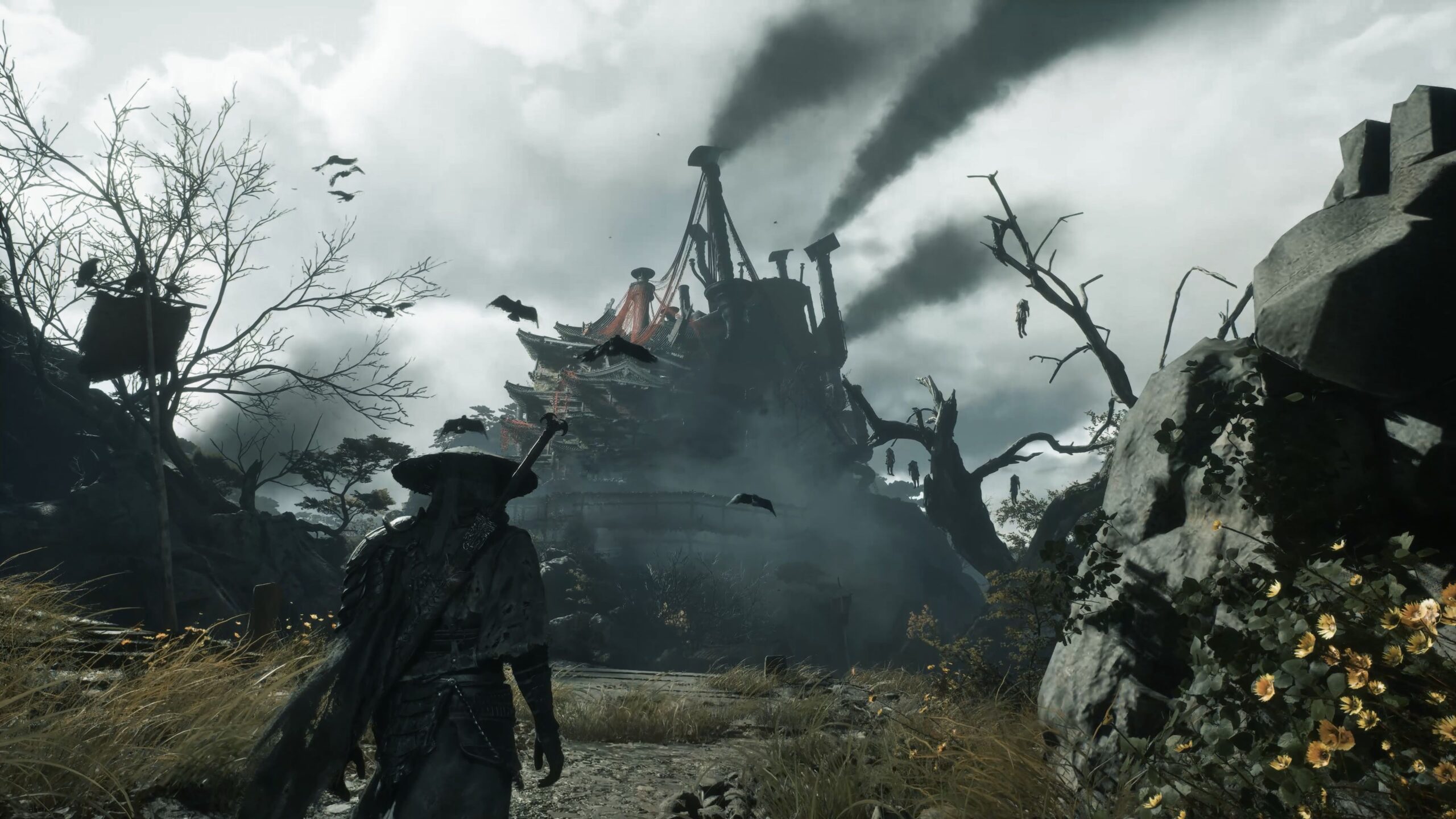
We tested Phantom Blade Zero on an Nvidia GeForce RTX 3080 Ti with an AMD Ryzen 9 5900X CPU and 32 GB of RAM, which is well above the recommended requirements for 1440p/60 FPS with upscaling enabled and no ray tracing. Every graphical option was set to Very High, with the resolution at 4K and DLSS set to Performance. The result was a frame rate between 60 and 75 FPS, though it drops below 60 FPS at times.
With Path Tracing support, you may think PC is the best version, if not the best-looking, but that’s not quite the case. On the same settings with Path Tracing and Ray Reconstruction enabled, we saw about 30 to 45 FPS, but also suffered a crash. When opting for Ray Tracing and swapping DLSS to Balanced with nearly everything on Very High, performance averaged the same and felt more stable.
After enabling DLAA at 4K and setting everything to Ultra, we net between 30 and 40 frames per second. This is with no ray tracing or Path Tracing enabled. As you’d expect, performance was better indoors and started dropping when outside, especially in environments with more complex geometry. However, there’s stuttering across the board as well – the ghost that continues to haunt Unreal Engine 5 titles, despite S-Game’s efforts to contain it – and it can noticeably disrupt the action.
PC at Recommended Settings vs. PS5 Graphics Mode
On its recommended settings, the PC version should win in terms of raw performance and fidelity, especially compared to Graphics Mode on PS5. It doesn’t, obviously, because of the stuttering, but that doesn’t mean it lacks the potential to become the definitive version with more patches and optimization.
The biggest takeaway is how well the PS5 version matches up, even with the occasional drops in Graphics Mode. Again, it’s far from the ideal way to experience the game, but in image quality and sheer visual splendor while still offering respectable performance, it’s not a bad option.
Conclusion
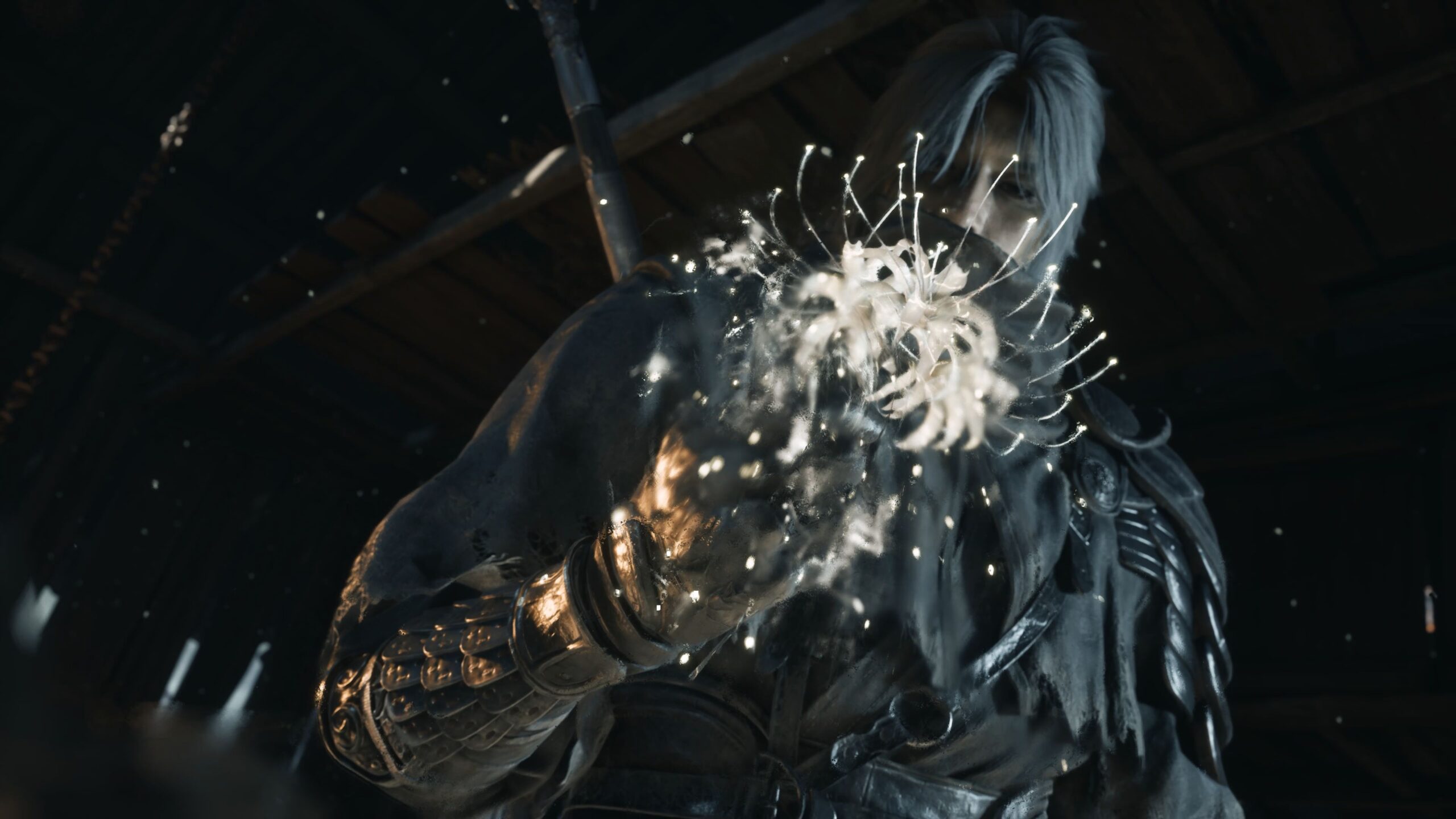
From the first trailer, it was clear Phantom Blade Zero had big ambitions, especially with its art direction and visuals. While Unreal Engine 5 seemed like the best option to realize both throughout the years, combating its weaknesses was certainly a foremost priority for S-Game. It hasn’t fully succeeded in that regard, but there’s no denying it’s leveraged the engine exceptionally as well as it could to deliver one of the most beautiful games out there.
Even with its downsides, there’s just something about walking through the lonely streets of Pangzhen, which can feel serene despite the bodies everywhere and overall gloominess. After all the years spent building Wulin and crafting Soul’s journey, you can’t deny the development team poured its blood, sweat and tears into every minute detail.
And while it’s certainly worth playing on PS5, even if Balanced Mode could use a few tweaks to make it a more viable third option, we’d wait for patches to help cut down on the PC version’s stuttering. While it could very well become the best way to play, especially when nailing those performance highs with all the fidelity intact, the nature of Phantom Blade Zero means it’s our second-best choice to experience its stellar action.