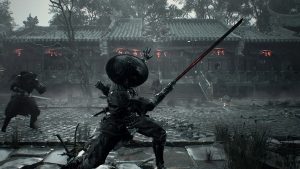






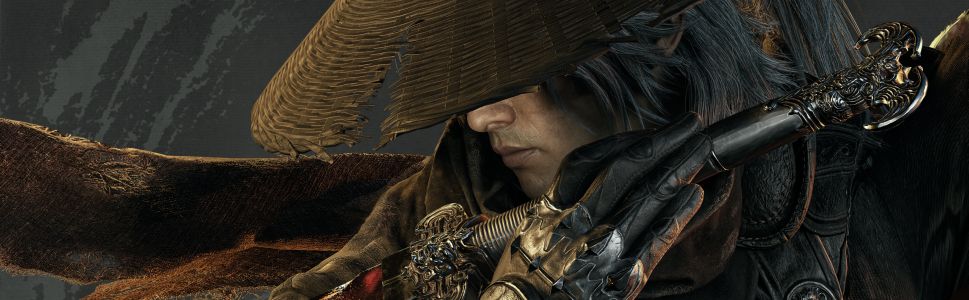
I previously spoke about one of Phantom Blade Zero’s biggest strengths: its accessibility. The difficulty options, the free resource recovery when reverting weapons (up to level 10, at least), the boss checkpoints – if you’re someone who’s in it to quite literally win it, then S-Game has you covered. Because at the end of the day, the focus is on making you feel like a kung fu master who can absolutely wipe the floor with his enemies.
But what if you wanted the lore-accurate experience of Soul fleeing from the Order, the days ticking down until his inevitable death? What if you sought the rush of actual feasible danger because it could directly affect your chances of completing the game? And no, I’m not talking about going on a moonlit walk on Hellwalker difficulty. Instead, the answer is 66 Days Mode.
When it was first revealed, it sounded audacious but still somewhat reasonable. Permadeath modes are hardly new – XCOM and DOOM have offered their own takes, and there’s a reason no-death runs exist in the Souls-like community (which gave way to no-hit and SL1 runs). But 66 Days Mode wasn’t quite that. Instead, Soul was given 66 chances at life – die that many times, and it’s game over. Save file deleted, thanks for coming, better luck next time-ish.
Even with that caveat, it felt like an absurd challenge, especially if Phantom Blade Zero was as challenging as touted on Hellwalker, where bosses change their patterns on the fly based on your tactics. But now that it’s out, 66 Days Mode may be the best way to experience Soul’s journey, both from a lore-accurate perspective and in gameplay.
Of course, given its unlock requirements (complete a playthrough on Pathbreaker or Hellwalker), you would think the best way to tackle this is through New Game Plus. After all, you retain all your weapons, accessories, medicines and whatnot, with the added benefit of being able to upgrade primaries and Phantom Edges higher. The caveat is finding them again, which can be especially rough if you liked those end-game weapons (though they’re still viable enough to warrant using…just don’t get too attached).
The downside, as anyone who’s played this way knows, is that the overall difficulty kind of becomes a joke. Once you’ve reached the higher weapon upgrade thresholds, equipped the mid-to-late game accessories and bolstered medicine enough to have extensive healing – not to mention all the Memory Flowers, Sha-Chi Amber, and Blackstone Fragments – it can feel like a cakewalk. Less margin for fatal errors, especially those from previously unseen patterns – which is the entire appeal of Hellwalker. You should probably fear Hua’s grab attack, especially when she’s masking it behind white flower projectiles. When you have enough health to spare for two? Not so much.
And hey, this isn’t the worst way to play if you want a sample of what 66 Days Mode has to offer. But I’m suggesting tackling it in a new playthrough. No carrying over progression from a previous clear. No upgraded stats and unlocked talents to fall back on. Just clawing and scraping your way through the story, trying to survive and eventually thrive. Try attempting it without even touching Hellwalker difficulty for even more spice.
Suddenly, Phantom Blade Zero’s themes begin to resonate more. All those times when Soul debated whether he had any time suddenly have more meaning because time is now a finite resource. Once a day is gone, it’s gone. What does that mean when you’re going off the beaten path to search for ingredients for Yu’er? Or when you’re exploring the cellars of the Crimson Forest’s bandit camp at the behest of two warriors searching for their senior? Or even clearing the mist in the Village of Lu and facing Dusk the Puppeteer instead of simply progressing ahead? Everything is now a calculated risk.
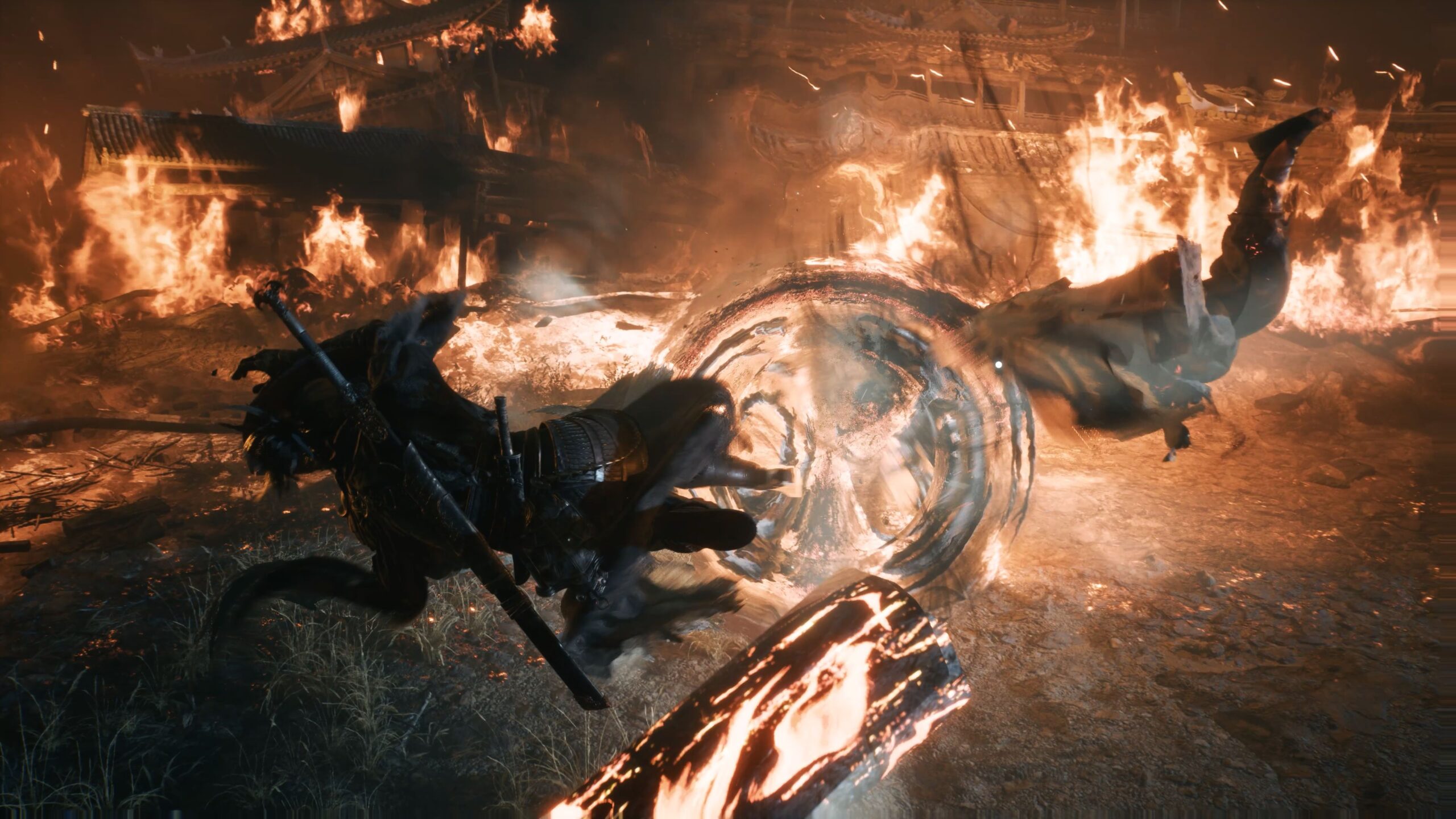
Not that said, risk isn’t worth it, whether it’s unlocking new weapons, accessories or even Remnant Dust. Perhaps the biggest risk is the Long Pillars. As much as you might have mastered Mo Yuan’s lessons, it’s still Donnie Yen, and he’s still very much capable of ripping through your health bar like it’s nothing if you slip up.
Thankfully, S-Game isn’t keen on kicking you when you’re down. While Soul’s days tick down as the story progresses on other difficulties, 66 Days Mode doesn’t do this. Nothing narratively takes away your chances, which is good. Unfortunately, you’ll get survival horror deja vu when you can’t save-scum weapon upgrades because there’s only one save file and no manual save option. That means you can’t always change your build, willy-nilly, and experiment to defeat a boss. You have to know what to do and how to do it or die trying (only up to a point, though).
Why would anyone attempt this? For one simple reason: Mastery, or at least the thrill of chasing it. You can train your reflexes extensively beforehand, nailing parry and dodge timing in every sense, optimizing those combos, and whatnot. But game knowledge becomes just as important, whether it’s knowing where to find what you need – and who not to fight at a given point – or the best ways to dispose of enemies. Suddenly, those encounters with ranged enemies wielding exploding projectiles don’t feel as haphazard when you know where they are, and the best ways to take them down.
Red is no longer a major hindrance because you now know, after learning the hard way, that she must be vanquished before facing the Chief Disciple of the Seven-Stars Formation. This opens up a whole other dilemma: how to defeat her without retreating, especially if you never really fought her before, but that’s a whole other issue.
However, one of the more hilarious results of playing in 66 Days Mode is that the boss checkpoints finally make sense. I’ve said before that the real battle often begins in the second phase. If you’ve successfully cleared the first, then that’s good enough. Dealing with any potential mistakes, especially when you’ve already proven your skill, is unnecessary. But that’s only half the reason.

The other half is that some boss fights have more than two phases. Mu Xiaokui is the best and perhaps standout example. What starts as a relatively simple battle elevates into an all-out brawl. And just when it seems victory is nigh, she summons two elite bodyguards – Iron Fiend and Jade Dancer – to battle Soul in a third phase. With your healing likely exhausted, having a checkpoint here and less risk of losing more days, especially since you don’t need to repeat the first two phases, makes it all the more palatable.
It’s a philosophy reflected in the lack of respawning enemies and finite resources. While you don’t have to worry about random threats killing you while backtracking or opening up new areas, it also means the resources for upgrades and unlocks are restricted. Suddenly, all these design decisions make a lot more sense.
Even if this is meant as an additional challenge mode, one that you don’t necessarily need to play to experience everything Phantom Blade Zero has to offer, it’s still highly recommended. Like everything else in the game, as punishing as it may be, it never feels mean-spirited or unfair. Simply another step on the road to mastery. After which is probably 66 Days Mode with the Wooden Sanguine sword, but that’s another topic for another day.
Note: The views expressed in this article are those of the author and do not necessarily represent the views of, and should not be attributed to, GamingBolt as an organization.