







Besides, GTA 6, November’s biggest game is The Legend of Zelda: Ocarina of Time remake. Whether you’re all-set for revisiting a childhood favourite or you’re preparing to see what all the fuss is about, here are fifteen big differences between the original Ocarina of Time and its upcoming remake.
Cutscenes Are Now Fully Voice Acted
The original Ocarina of Time had no full voice acting, with its story and dialogue delivered through text, punctuated by the occasional grunt, yell, or battle cry. The upcoming remake, instead, features full voice acting for cutscenes and important moments for key characters, including Princess Zelda, Ganondorf, Saria, and more. Link, of course, remains silent throughout.
New Voice Actor for Navi
That said, the original’s Navi had recurring dialogue, and she was the only character to do so. Her attention-grabbing “Hey”, “Look”, and “Watch Out” – performed by Japanese voice actress Kaori Mizuhashi – are pure nostalgia. Mizuhashi is returning after 28 years to voice Navi once again, but the remake’s expanded dialogue means she’ll only be recording lines for the Japanese version. Nintendo has opted for someone new for the game’s English-dialogue version, and they have big shoes to fill given the charm Navi has endeared over the decades.
Link Can Now Manually Jump
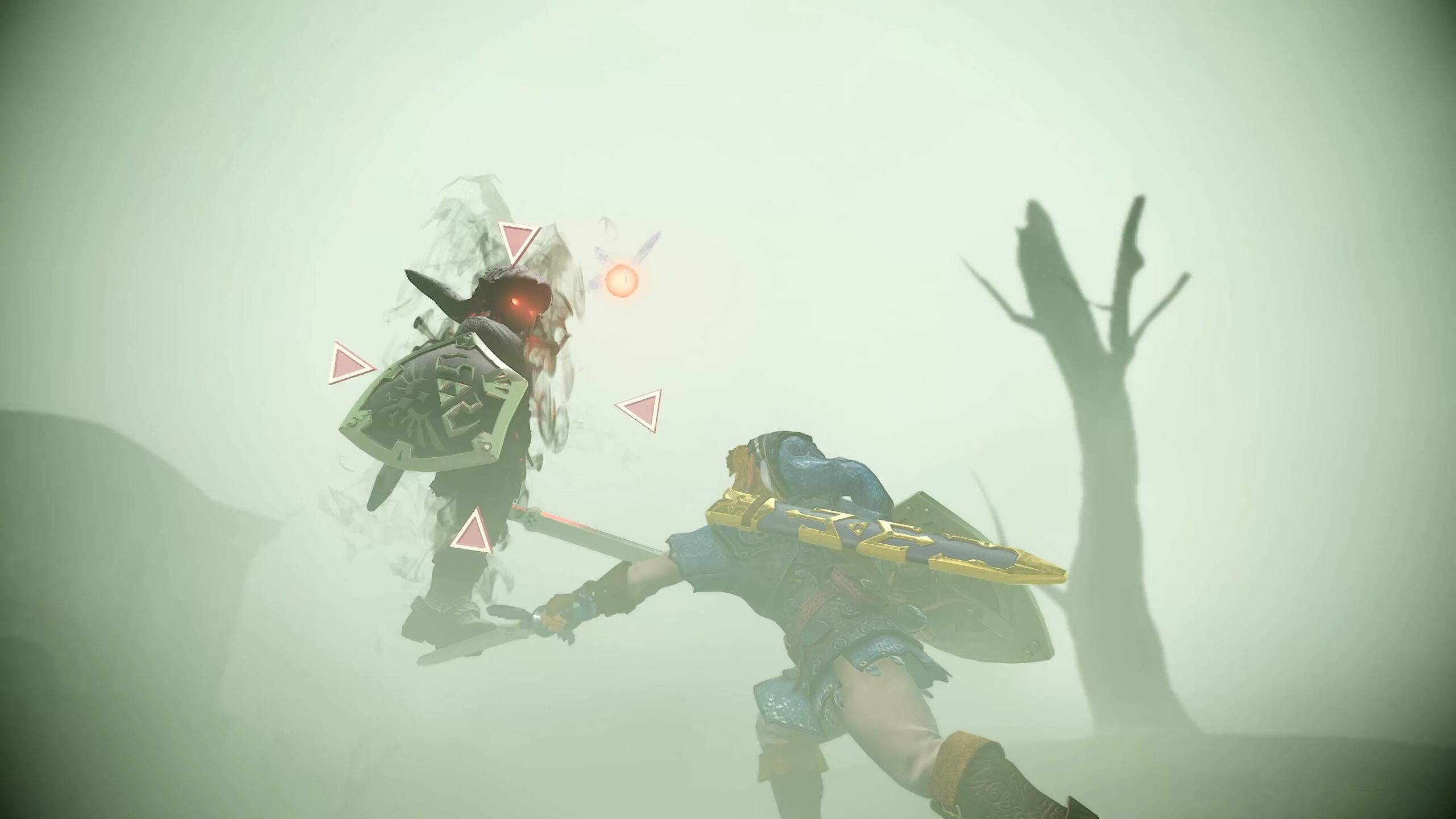
This one might seem minor, but it’s actually quite a significant shake up from the original’s movement mechanics. See, back then, Link’s jumps were handled automatically, with you lining up your approach to an edge and hoping he’ll leap where you want him to. Now, you’re in command of when Link jumps, with gameplay footage showing him hopping over river stones. The remake might just build his newfound jumping ability into more of the environment, too.
Link Can Swim Properly Now, Too
While Link could swim in the original Ocarina of Time, his aquatic excursions were limited to slow surface strokes and brief submersions. The remake makes swimming feel much more fluid and natural, although he still has to manage his limited breath supply. And, there is no iron boots clunkiness to contend with either.
Uninterrupted Exploration in Built-Up Areas
While loading screens have been deliberately preserved between the remake’s larger regions, they’ve been completely removed whilst you’re exploring Hyrule’s built-up areas and settlements. Opening doors and entering buildings are now seamless, allowing these smaller moments of exploration to flow together without interruption
Hyrule Castle Town is Bustling
The original Ocarina’s Hyrule Castle Town was billed as a bustling urban centre, but admittedly the original version was anything but. The hardware limits, of course, reduced the town’s population to a few static characters dotted across a 2D backdrop. The remake makes Hyrule Castle Town significantly busier, with townsfolk, merchants, and travellers walking the streets alongside Link. NPCs are also more interactive, both with one another and with Link, creating a livelier space than the original could achieve.
A Modernised Camera System
The original Ocarina’s camera was a mix of clunky targeting and static behind-Link perspectives, while built-up areas like the aforementioned Hyrule Castle Town featured fixed camera angles. Now, for the remake, the camera has been thoroughly modernised, with you able to freely rotate the camera behind and around Link. Free camera control is a modern expectation, so its inclusion here isn’t surprising. Still, you’ll be able to savour Hyrule’s glorious sunsets without wrestling with the original’s awkward camera system.
Overhauled Visuals
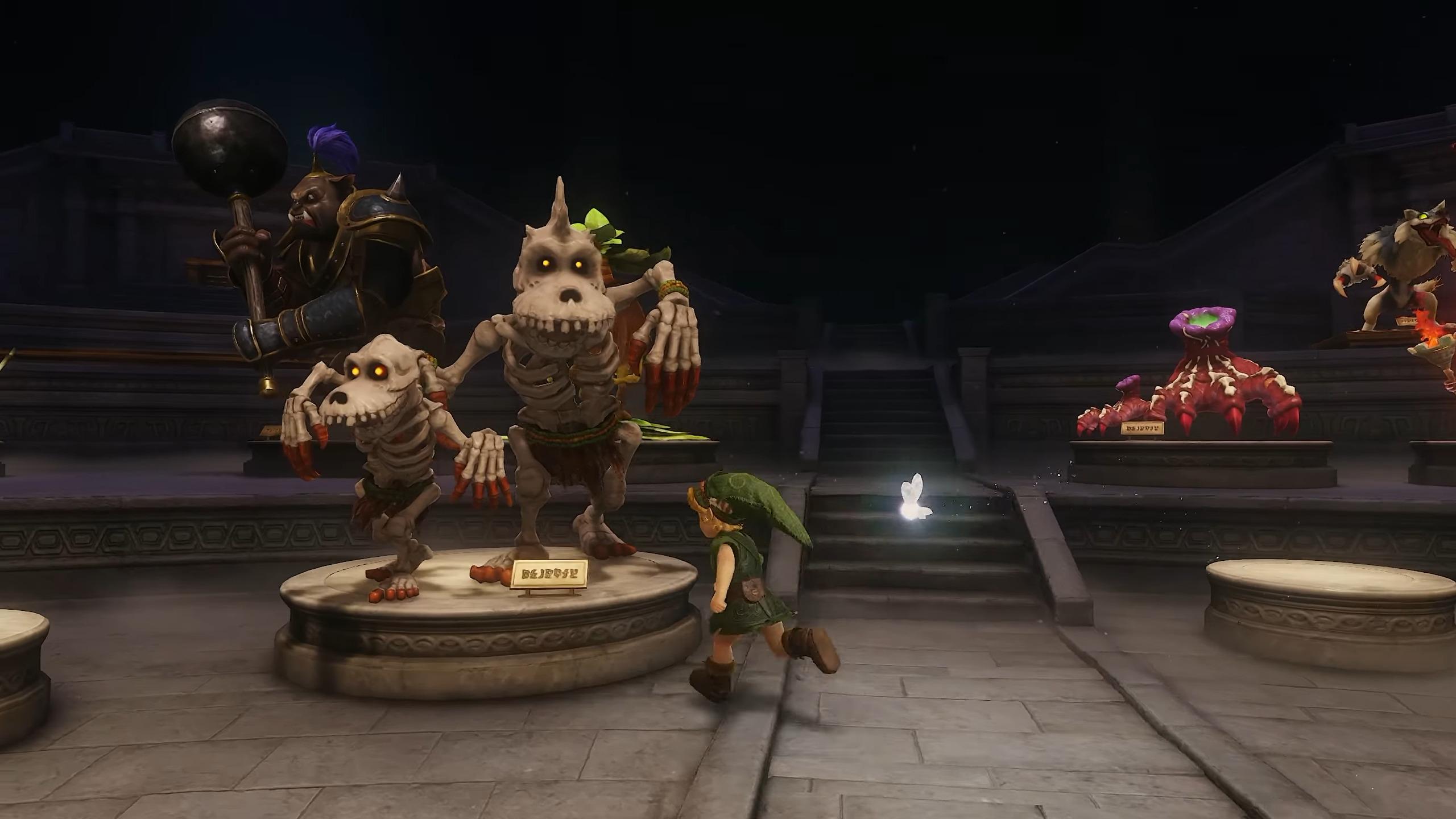
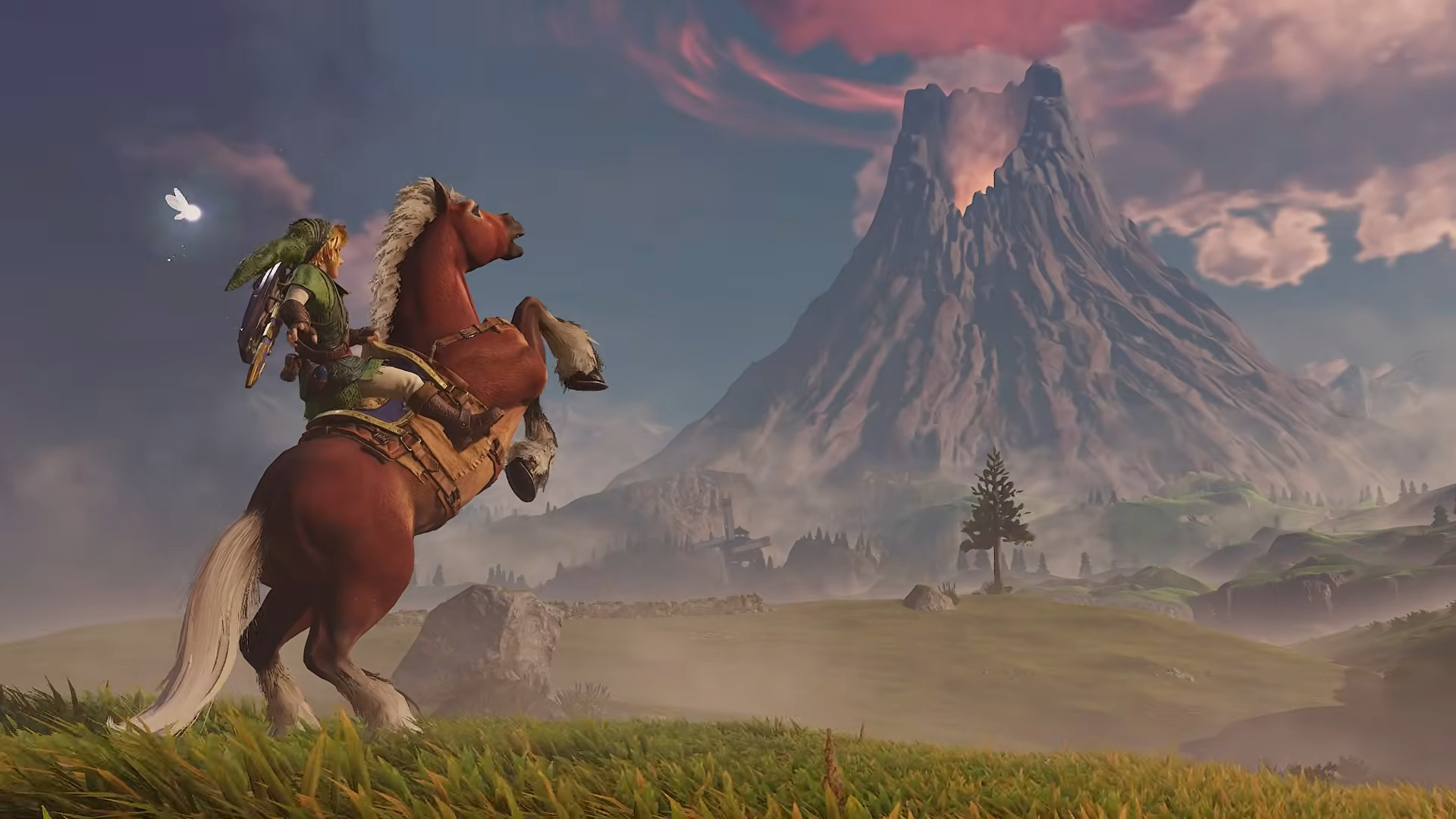
Perhaps the most obvious change on this list: the original graphics aren’t without their charm, but the remake’s overhauled visuals are night-and-day. Beyond those gorgeous sunsets, the remake’s visuals are far more detailed, from the stitching on Link’s tunic to weathered stonework and vibrant flowers, the art design here breathes new life into Hyrule, making it feel like a tangible, living place.
Threads of Time Is a New Way to Track The Narrative
Ocarina of Time remake introduces Threads of Time, a quality-of-life feature designed to help you keep track of the story and your current objectives without losing your sense of discovery. The original didn’t have this feature, so there’s no comparison to be made. Threads of Time takes the form of an ever-evolving tapestry, threading from its origin to illustrating your achievements, with current “threads” summarising your ongoing tasks. Another benefit Threads of Time brings is it allows you to explore naturally without constantly following on-screen waypoints
Hyrule Field’s Topography Has Been Redesigned
Some of the remake’s changes are immediately obvious, but Hyrule Field’s redesigned topography is more subtle. Most noticeable is Lon Lon Ranch which is no longer a walled off fortress on a plateau but now a structure woven more naturally into the landscape’s elevation. The formally flat land has been remodeled to include denser waterways and more detailed ruins, too, and while, again, on the whole these changes aren’t as noticeable as some of the others, it presents Hyrule FIeld as a more dynamic overworld.
Lens of Truth Changes
The original Lens of Truth was a magical item which superimposed itself over the game’s visuals to reveal hidden objects and secrets. Now, it functions much more diegetically, with Link physically putting a pair of goggles over his eyes to echo the style of Zelda’s most-recent titles. In the original game, activating the Lens of Truth simply switched its effect on and off. The remake adds more theatricality, with the view transitioning through a blinking eye and a burst of magical energy that even blows through Link’s hair.
Iron Boots Now Mappable to the D-Pad
Another welcome quality-of-life feature, although this one is making its way over from Ocarina’s 3DS version. Previously, to equip Iron Boots you had to interrupt the action to enter a menu, whereas now they can be mapped to the D-Pad. When you’re continually putting them on and off, being able to instantly access them is a massive win for the remake.
Link’s Fingers Play the Actual Notes
This is a small detail amid the remake’s visual overhaul, but it’s worth highlighting given how important the ocarina is to the adventure. Basically, in the original Ocarina of Time, Link didn’t exactly look like he was playing the ocarina correctly. Now, for the remake his fingers play the actual notes. It’s an immersive detail, sure, but it demonstrates the remake’s attention to detail.
You Can Now Skip Ocarina Song Playbacks
This is another welcome quality-of-life improvement, particularly given how often you’ll use the ocarina throughout the adventure. Although the melodies are memorable, repeatedly watching the same animations can become tedious once you know what each song does. Not having to go through the same animations to complete a task will make the whole experience feel smoother.
File Size
Ocarina of Time remake comes with a sizeable leap in storage requirements, with the Switch 2 remake reportedly weighing in at 24.54 GB, just under 25 GB. For comparison, the original occupied just 32 MB, while the 3DS remake reportedly came in at around 512 MB. Those numbers make for a remarkable progression across three generations of hardware.