






Dragon Quest has clearly been treated with a lot of love, and the many remakes/remasters of its greatest hits really showcase that. But the studio is going all out on one of its most beloved titles, and this one might just be a benchmark for studios looking to lend a new lease of life to their older hits.
Originally released in 2000, Dragon Quest VII: Fragments of the Forgotten Past is getting the special treatment this time around, but it isn’t just a fresh coat of paint on a familiar title. It’s a brand new house on the same beloved land, from the looks of it.
Whether you’re a franchise veteran itching to dive back into a source of so many fond memories, or a newbie looking to create some of your own in the charming world this one presents you with, you’re going to want to take a look at the game’s salient features before you pick up your copy. We’ve got you covered on that front. Let’s get started.
1. Bringing A New Art Style to Estard
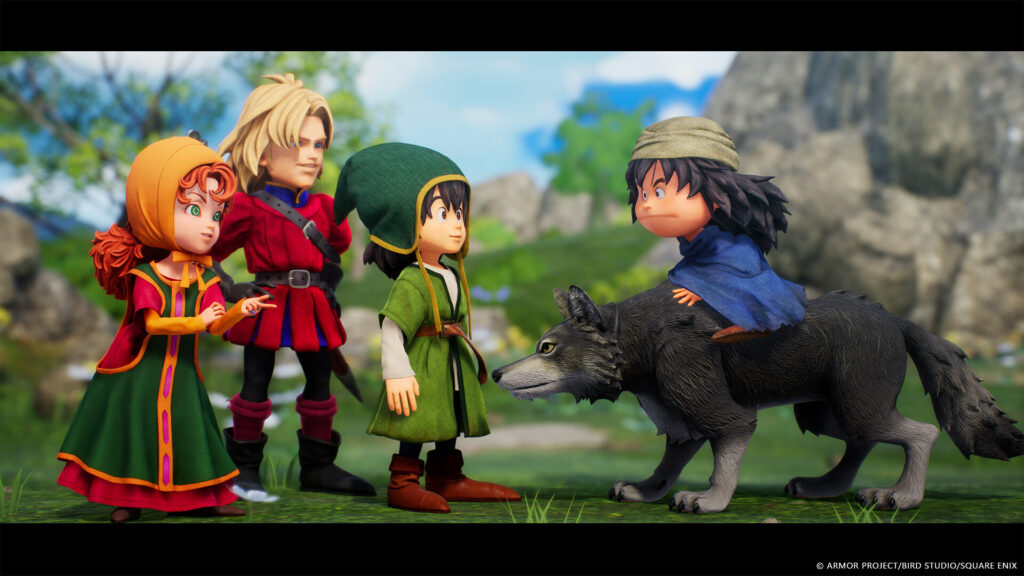
For those of you who might be familiar with the original 2000 art style of the game, this reimagining of the world you explored might have you quite impressed with what the developers have accomplished with it. Even early previews showcase how the new diorama-influenced art style makes DQ VII feel like a new experience entirely.
It’s a change that goes beyond a fresh coat of paint and makes this one a treat for anyone who begins an adventure in its world. It also works very well with some of the other changes that are coming.
2. Meet The New Character Models
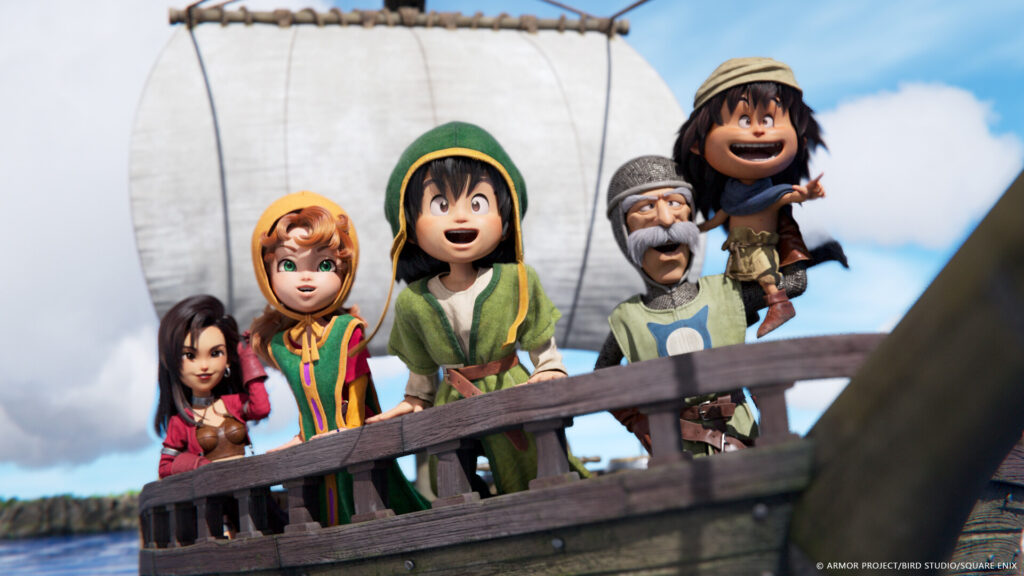
Working very well with the new art style are character models that have been 3D-scanned in from painstakingly crafted dolls for each main character. Adding to the immersion is that real-life materials were used in crafting their armor and gear, allowing for some very realistic and detailed models.
They certainly look brilliant, bringing a very refreshing take on beloved characters with improved facial features and further additions that could make this version of DQ VII the one to beat.
3. Voices to the Faces
Another great addition to the game is voice-overs for all characters in a multitude of languages, each of which has been tailored to present an authentic, nuanced experience. It’s a move that fits very well with the reimagined part of things, and having the choice to see characters tailored to fit the archetypes they represent on such a granular level is always great for immersion.
4. A Reimagined Pace
The original experience is notorious for its massive runtime, and the developer has decided to trim that down to streamline what’s on offer in Reimagined. Regions like Grondal, El Ciclo, and Providence have been cut, since they were deemed non-critical in favor of streamlined pacing and a better experience overall.
While that’s an admirable sentiment, it could put off a few fans who would have liked to see them included in the game thanks to how different they might have looked this time around. But there is merit in trimming down a large game to ensure a better quality across the board for what remains, and this decision might be a solid one in the long term.
5. The Top-Down Aesthetic
The top-down point of view from the original title is making its way back to Reimagined. The developers chose this to better support the new diorama-based art style and to improve pacing when exploring the world. As opposed to the closer view presented in the game’s 3DS version, it allows you to have a better view of the world and plan out your approach more effectively.
Once again, this works very well with another gameplay-related change that we’re going to be talking about very soon.
6. It’s Easier To Uncover the Past
While picking up the fragments, you need to discover new exploreable areas in the game was quite a chore in the original release, it’s a lot easier this time around, thanks to useful minimap markers that let you pinpoint their locations more accurately and navigate there alongside adjusted tablet locations that used to be tedious to access being implemented.
It’s going to take out a lot of the grinding involved and is going to make getting to more of the game much easier in the process. The developer seems to have taken their mission to present a streamlined experience quite seriously. However, we’d be cautious about the balance between the original experience and cut content if you’re a purist.
7. Master More Vocations
Among the changes we’re most excited about is the ability to equip a second Vocation to your character, giving you access to a second set of skills to whip out in the field. It’s going to be quite interesting to see how different combinations and their synergies work, and it’s a great way to bring something fresh to the table in a game that has been as popular as this one over the years.
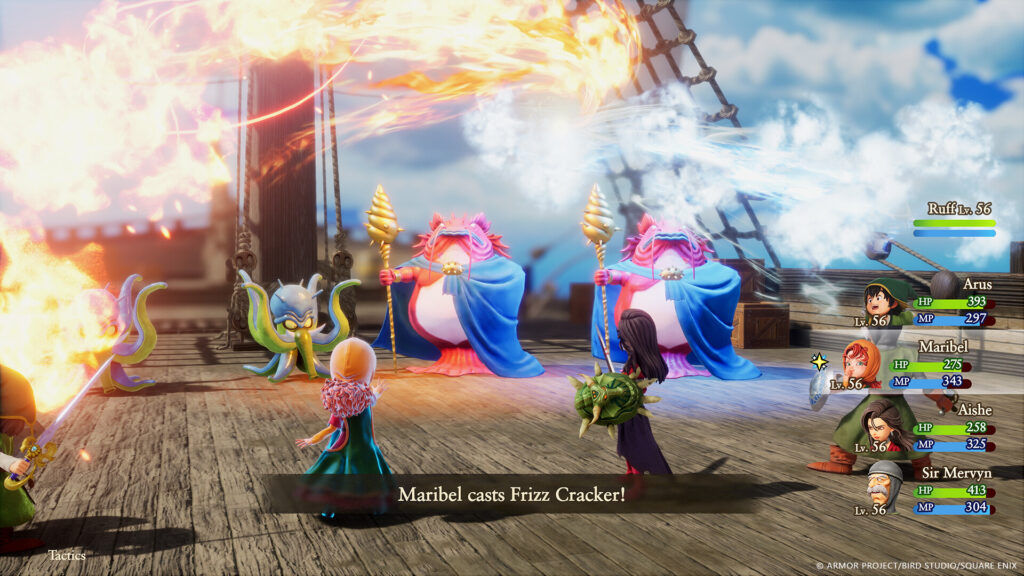
The Worked Up mechanic is another great touch, adding a layer of tactical thinking to the game’s combat. With enough attacking and defending, your characters get access to a buff or debuff that can turn the tide in your favor. Together, these are excellent additions that can make combat feel like something else entirely when the game finally becomes available.
8. Automate Your Party
In a touch that brings the original experience more up to date with modern sensibilities, the developers have added in the ability to automate your party’s actions, allowing them to focus on a particular function while you’re taking on enemies. Once again, this is a great tweak that can allow the game’s pacing to go faster, which addresses a major complaint with the original title.
For one, it saves a lot of time otherwise spent in combat while also giving you the option to bypass tedious fights against low-level enemies if you’ve got more important things to do.
9. Controlled Battle Encounters
One of the changes that is making its way from the 3DS version is that battle encounters are now visible on your map, allowing you to avoid them altogether or sneak up on enemies for an Initiating Strike that might let you take them down in one fell swoop and avoid the fight altogether.
We must admit to preferring the original system with random encounters, but this one’s going to work very well with the top-down view to give you more control over your time with the game.
10. More Options for Beginners
In addition to automating your party, you also get options to set up full heals for your party and adjustable difficulty levels that let you take things at your own pace and on your own terms. That’s probably going to help Reimagined make its way to players across platforms, thanks to how accessible it can be to get started.
It’s another flourish that modernizes the original experience and makes it an appealing choice despite it being two and a half decades old at this point.
11. Set the Pace of Battles
Another great time saver is the ability to adjust the speed of battles, an option that can further cut into the time it takes you to get further in the adventure without having to invest an inordinate amount of time into your character’s progression.
You’re going to find farming out Vocation XP and other important materials is a lot faster.
12. Things Are Still Quite Challenging
If you’re concerned about the game’s level of challenge being diluted in the wake of all its changes, have no fear. Early previews indicate that the bosses and enemies are going to keep you on your toes, requiring that you use all of the tools at your disposal to emerge victorious against the threats they pose to your party and the people you meet.
You’re going to find yourself on the back foot more often than not, even on normal difficulty if you’re new to these titles, and even seasoned warriors might want to ensure they’re well-prepared before a fight. It wouldn’t be a Dragon Quest title if it didn’t push your skill ceilings a little, wouldn’t it?
13. An Old Friend Returns
Lizard gecko is back! However, the team still hasn’t been able to find a proper use for him, and he’s relegated to being on the sidelines. You’re still going to see him in the character art for your hero portrait, so he isn’t completely absent from the game, unlike its 3DS version, which scrapped the character altogether.
It could have been easy to stay the course, but the fact that the developers decided to include the reference deserves some appreciation.
14. PC Requirements
If you’re diving into the adventure on PC, you’re going to want to ensure that you’re running Windows 11 on a 64-bit processor, which could be an AMD Ryzen 3 1200 or an Intel Core i3-6100. You’ll also need 8GB of RAM, an AMD Radeon RX 460/Intel Arc A380/NVIDIA GeForce GTX 750 for a GPU with 15GB of available storage. Additionally, the Intel Arc A380 is going to need 16 GB of RAM to run this one.
The recommended specs include an AMD Ryzen 3 1200/Intel Core i3-6100 processor along with 16GB of RAM, and an AMD Radeon RX 580/Intel Arc A750/NVIDIA GeForce GTX 1070 GPU to keep things running smoothly.
15. Close To 100 Hours For The Main Campaign
Despite the game being streamlined, you’re going to be spending a lot of time with it. We’d estimate a solid 100 hours if you want to experience everything it has to offer in your latest adventure.
This is a massive game and has so many potential distractions along the way, each of which is quite interesting and could have you very invested in how they turn out. There’s a reason it remains as popular as it does, after all.
And that’s all you need to know before you play Dragon Quest VII Reimagined. Now all that’s left to do is count down the days until it releases.