





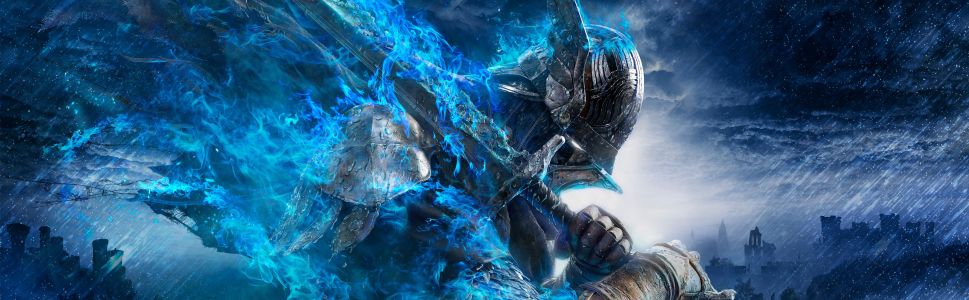
FromSoftware steps into the dedicated multiplayer arena when Elden Ring Nightreign launches on May 30th for Xbox One, Xbox Series X/S, PS5, PS4, and PC. Despite reusing several assets and environments from the 2022 open-world classic, this is a fundamentally different game in many ways. Join us as we dive into the biggest differences, starting with…
Limveld vs. The Lands Between
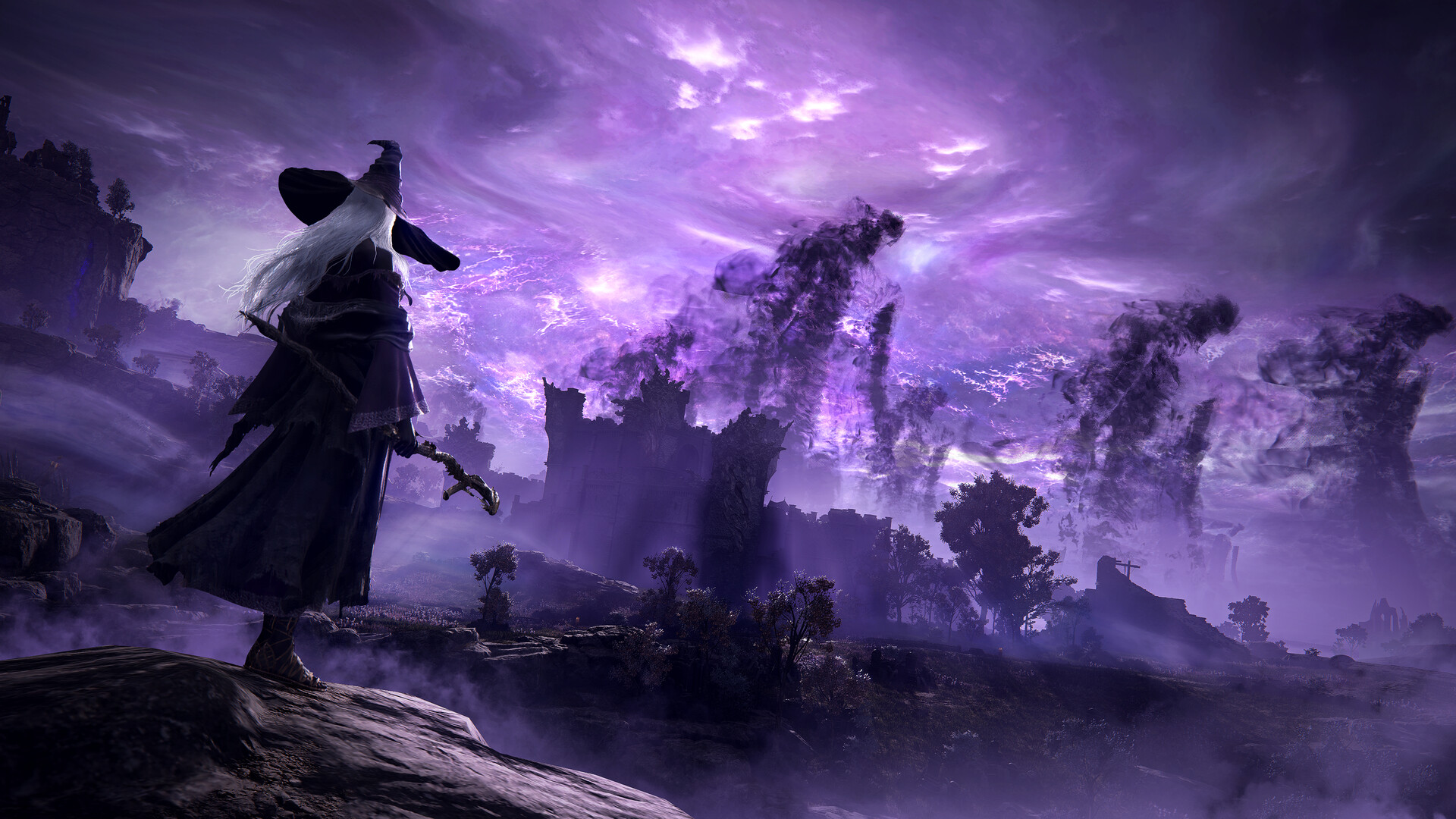
Nightreign is set in the same universe as Elden Ring, emphasis on “universe.” It doesn’t exist in The Lands Between but instead runs parallel. The jury is out on how directly this connects to the original game’s events and outcomes. However, for now, you can treat the struggle as completely separate from the Shattering and the contest to become Elden Lord.
Map Size Comparison
Anyone who even glanced at the Lands Between will know just how massive it can be, and that’s before taking the Land of Shadow into account. Limveld obviously isn’t anywhere as large – it’s an island that’s more comparable to Limgrave in scale. Until we get a closer look at its verticality and depths, it’s hard to say just how play space is available, but regardless, think of it as a much more condensed location with less time to travel between the significant points of interest.
Exploration
When you landed in the Lands Between, you probably first thought, “I’m going to fight that big guy on the horse, what’s the worst that could happen?” Your second (or third, or fourth) was likely investigating the various nooks and crannies of the map, discovering caves, secrets, and loot. The exploration remains an impressive part of the experience, with almost every corner promising something special. Of course, there is a core purpose if you choose to pursue it, namely battling the Legacy Dungeon bosses and collecting the Great Runes – pieces of the Elden Ring – but you’re otherwise free to explore.
While you’re still slaying enemies, discovering weapons, and leveling up with Runes in Nightreign, you’ll do so over three days and nights, culminating in a battle with a Nightlord. Again, there’s plenty of freedom to wander around, but as the day progresses, a ring will slowly enclose the map, limiting your freedom and culminating in a boss battle.
Rogue-Like Structure vs. Open World
Both titles are open-world at heart. Whether it’s that giant castle in the center of Limveld or that totally innocent-looking Haligtree – if you can see it, you can probably die there. Nightreign is different, especially with regards to a time limit and the world slowly closing in, but the other stickler is that any weapons acquired during a run won’t carry over into the next. It’s a rogue-like, and you’ll always start from level 1, fighting your way up and becoming stronger to survive and face the Nightlord.
Changing Map vs. Static World

The Lands Between had its share of changes as Elden Ring’s story progressed, but most of it remained static throughout one’s playthrough. Nightreign’s Limveld procedurally changes with modifiers (known as Shifting Earth) that can spawn phenomena like craters surrounded by lava with tougher enemies. You’ll also occasionally fight against other invading Nightfarers controlled by the AI, stave off an attack by The Fell Omen, and deal with a boss that can take away your levels if its attacks hit (and which are lost for that run if you don’t kill it). These can all occur randomly and without warning, though the Shifting Earth can be removed or replaced if you sleep in the Roundtable Hold.
Nightlords vs. Bosses
The Nightlords are the final challenge that awaits at the end of a run, with players battling one of eight. It’s a pretty stark contrast to Elden Ring’s multitudes of bosses (not including repeats). Bosses and mini-bosses will appear while venturing through Limveld, though the Nightlords are on a different level. Some, like Libra: Creature of Night, even feature mechanics like making a deal for a powerful weapon or other bonuses in exchange for increasing the fight’s difficulty in unknown ways.
Progression Differences
Most rogue-likes offer some form of permanent progression, and in Nightreign’s case, it’s in the forms of Relics and Murk. Relics are awarded upon each run and will boost your stats or alter your skills, whether it’s reducing their cooldown, increasing their effectiveness and so on. Murk is used to purchase things from the Roundtable Hold’s vendor, including emotes, Relic Rites, and even more Relics. It’s a far cry from steadily building your personal armory in Elden Ring, but should still tip the scales in your favor for future runs.
Movement Differences
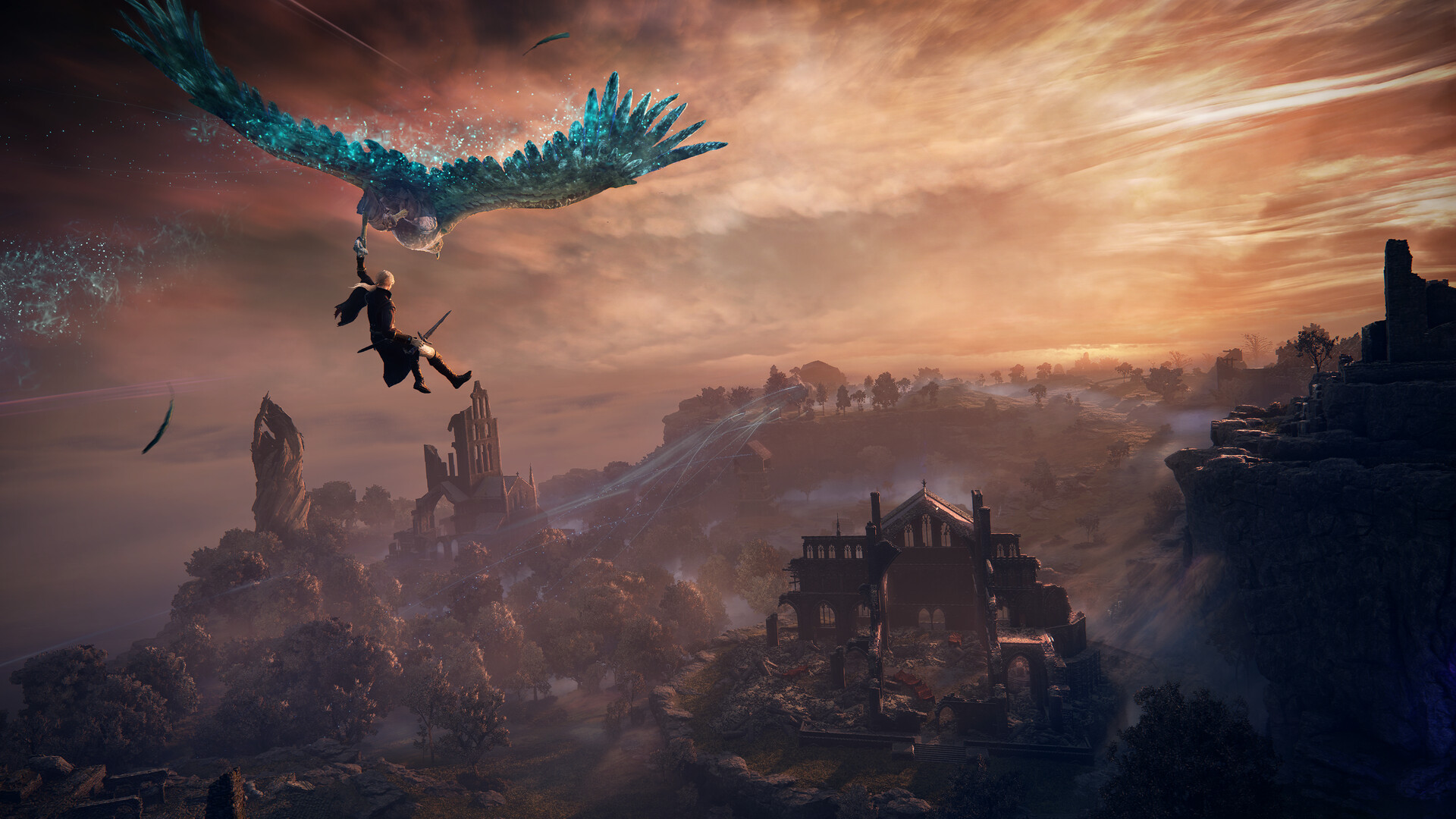
Remember when someone told you it was possible to double jump just before hitting the ground on your Spectral Steed and not die from an uncomfortably high place? Well, good news, because Nightreign doesn’t have fall damage of any kind, and to make up for the lack of Torrent, your movement speed is faster. It’s also possible to scale up cliffs and walls and utilize Spiritsprings.
Reviving Teammates
Another major change from Elden Ring is the ability to revive allies. Instead of immediately dying and returning to their world, after which they need to be summoned, allies will enter a downed state in Nightreign. You must then pummel them relentlessly to revive them. Bizarre? Sure, but also oddly satisfying.
Co-op Focused vs. Solo-Favored
Initial trailers for Nightreign raised some concerns that it would be a co-op-only title. Of course, some clarification and one network test later, and you can indeed venture into Limveld as a solo player, just like in Elden Ring. However, the experience is more challenging as a whole, especially given the changes to Spirit Ashes (with only one character, the rumored Revenant, being the only one who can seemingly use them). While the focus is on co-op, this isn’t to say that there’s no reason to go in solo, due to…
Remembrances
While Nightreign embraces the item lore, it introduces a brand new narrative device: Remembrances. These can unlock lore like journal entries for each Nightfarer, but they also grant access to separate instances where you’ll interact with other NPCs and receive personal objectives. The latter requires going to a different part of the map and possibly fighting an enemy that wouldn’t appear in normal runs. Each Nightfarer’s Remembrance unfolds differently – like the Raider and his 1v1 coliseum battles – but they’ll shine more light on their backstories.
Online-Only vs. Offline
Unfortunately, even if you’re keen on soloing everything, Elden Ring Nightreign is an online-only title. It makes sense considering the co-op focus, but if that don’t sound appealing, there’s always the base game.
Pricing
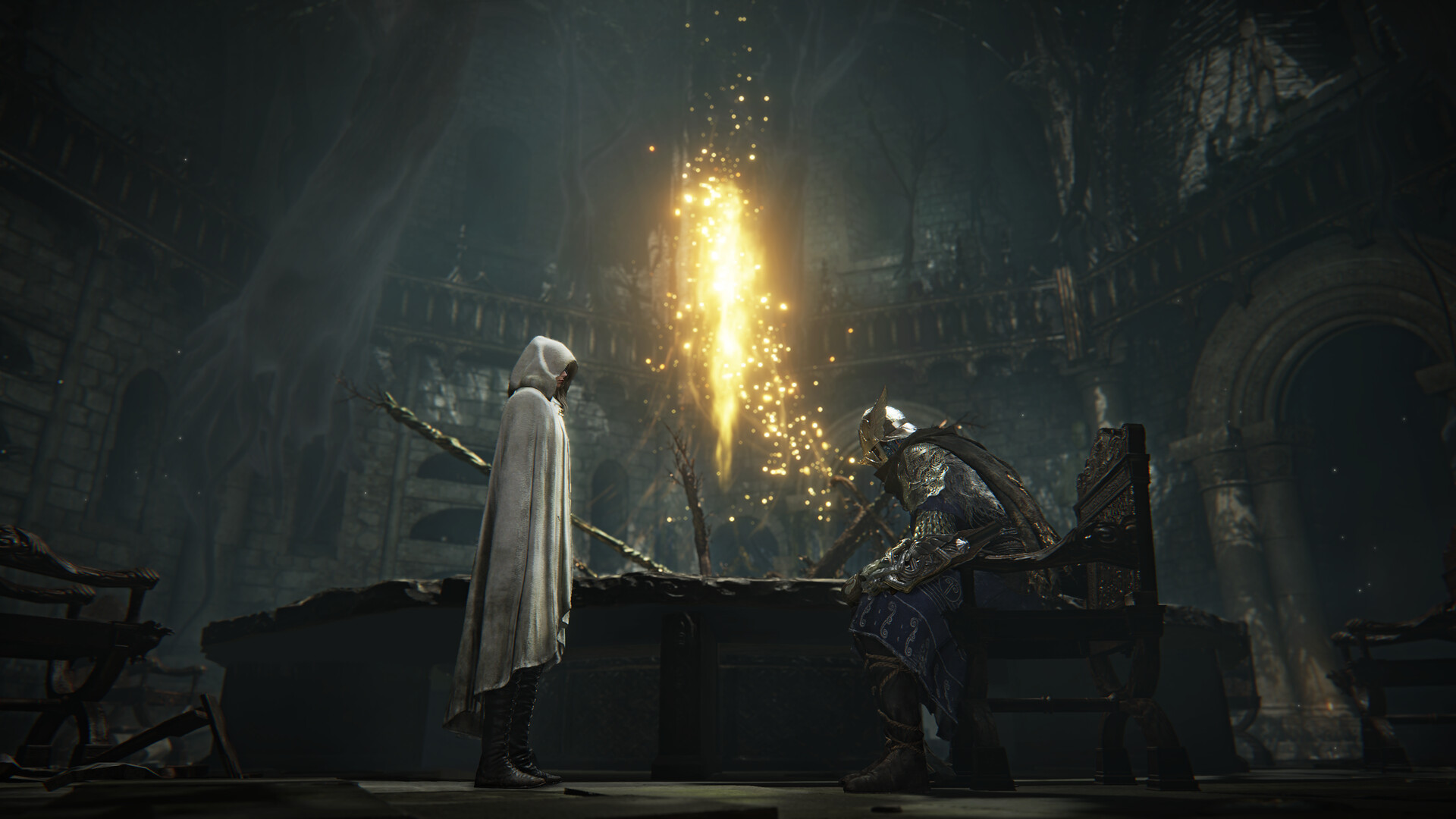
Like Helldivers 2 and the upcoming FBC: Firebreak, Elden Ring Nightreign costs $39.99, compared to the original game’s $59.99 price. Even the Deluxe Edition, which includes additional DLC to launch later this year, costs $54.99 compared to the $79.99 for the Shadow of the Erdtree Edition.
DLC
The jury is still out on what Nightreign’s DLC could offer compared to the original game. FromSoftware said it would add new playable characters and bosses before promptly removing this wording from Steam. And while new weapons and spells seem a given – alongside maybe some alternate skills for the Nightfarers – will it go even further and add another map? It’s hard to say, but you probably shouldn’t expect something on the scale of Shadow of the Erdtree, especially given the price difference.
Playtime
Elden Ring can offer up to 100 hours of gameplay if you thoroughly explore the Lands Between en route to completing the story, and even that doesn’t include everything. By comparison, a single run in Nightreign can take 45 to 50 minutes to complete. Of course, this is a rogue-like. Even if you master all the Nightfarers and unlock their Remembrances, there will be extensive replay value courtesy of the changing map and co-op play.