





Microsoft’s two-console approach with current-generation Xboxes, the Xbox Series X and the less powerful Series S, has presented developers with interesting challenges. The Xbox Series S is noteworthy for having only 10 GB of GDDR6 memory when compared to the 16 GB of GDDR6 RAM in the Series X, which means that AAA studios had to get creative with memory management for the weaker console.
According to a report by Digital Foundry, Gears of War: E-Day developer The Coalition made use of the console’s SSD storage to create temporary RAM that would supplement the Series S’ 10 GB. The technique essentially works by making the SSD a new tier of memory – considerably slower than traditional RAM – from which data could be accessed by processors when needed.
Typically, computer systems use varying tiers of memory depending on which data needs to get processed at what speeds. The fastest among these tiers tend to be embedded into the processors directly with what we typically refer to as cache memory. While only capable of holding a tiny amount of data, this memory tends to be incredibly fast. The following tiers then grow in size while gradually becoming slower.
The technique used by The Coalition is similar to what we see with page memory, where typically heavy computer programs like image and video editing tools use some storage to store extra data that could be retrieved by the RAM and the processor when needed. The downside to this approach is that it eats into a system’s storage. The upside, however, is that computers with low memory can still continue to function with these heavy programs.
The Coalition also used advanced processes like heuristics and tracking access patterns to figure out which data can be stored on the SSD temporarily and when it needs to be moved over to the RAM or to the processor’s cache memory. The technique turned out to be quite helpful, with the studio noting that the dense areas in Gears of War: E-Day wouldn’t have been possible on the Xbox Series S otherwise. It is also worth noting that the Xbox Series S still has a fast processor, and that its low RAM is its biggest roadblock when it comes to running AAA games.
Using SSD as temporary memory isn’t entirely cost-free, however. According to technical director Kate Rayner, there was a performance penalty incurred when overusing the technique, especially since the Series S’ operating system can be “technically out of memory” at times, causing it to stall as more data is retrieved. Ultimately, the team was able to achieve the high-end visual fidelity of Gears of War: E-Day even on the Xbox Series S without “really lowering the quality of the game.”
While The Coalition believes that it is one of the first teams to figure out how to do this on an Xbox Series S, it also implies that memory might become less of a roadblock for future game development thanks to the exponential speed increases afforded by solid-state storage devices on current-generation console hardware.
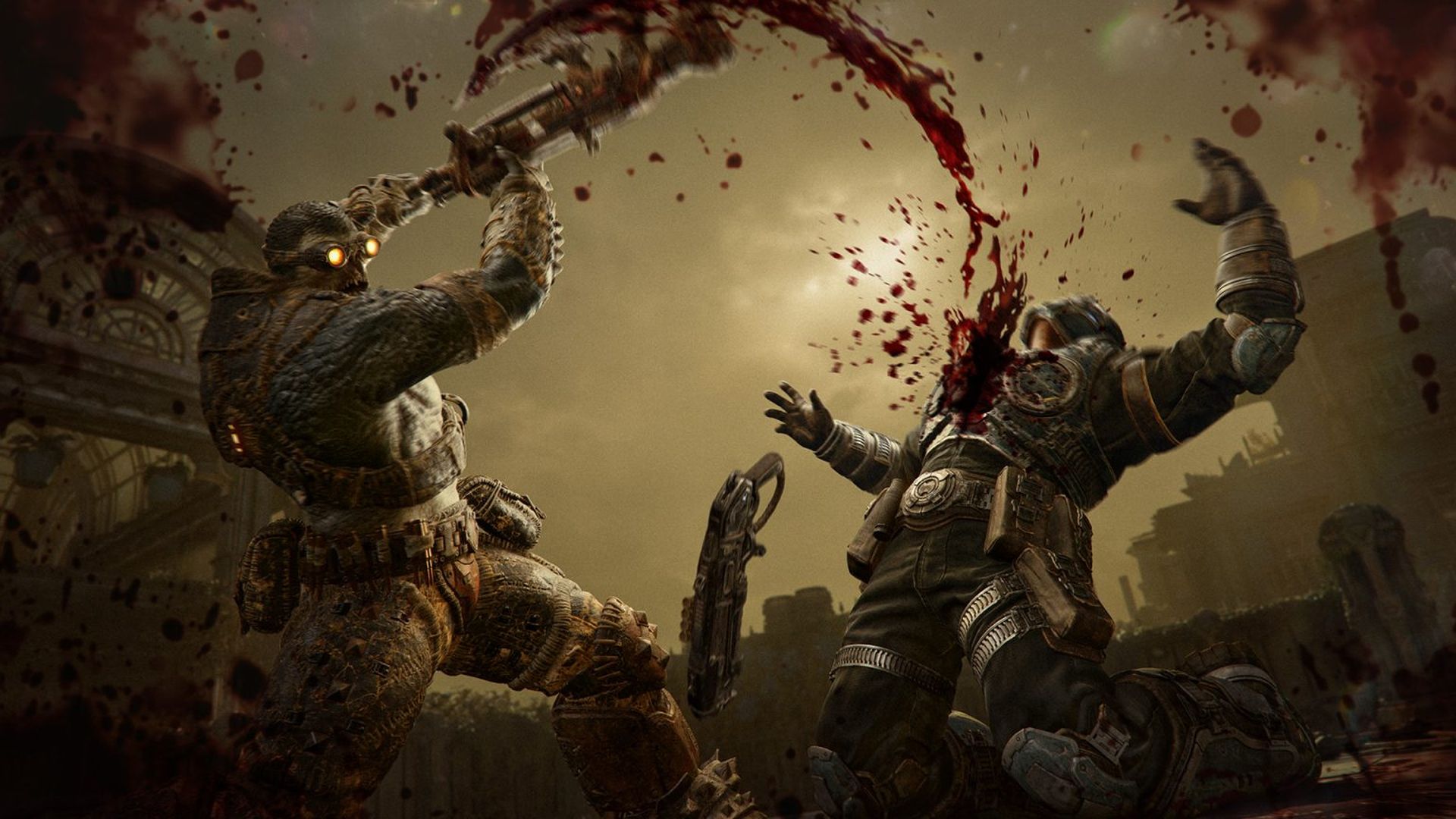
Gears of War: E-Day is available on PC and Xbox Series X/S. For more, check out our review. Also take a look at our graphics analysis.