







Don’t you just love it when a plan comes together? Of course, you didn’t need contingency upon contingency like the Caped Crusader himself to know that LEGO Batman: Legacy of the Dark Knight would review so well. A strong 84 Metascore at present based on 56 critical reviews; one million wishlists on Steam alone; and despite currently being in early access for Deluxe Edition owners, it’s already garnered a 93 percent “Very Positive” rating on the platform, even if there are only 302 user reviews at present.
Even before all of this, its success seemed a given from minute one of the reveal. A brand new LEGO Batman title, one that drew upon the vast array of stories that the World’s Greatest Detective has been a part of. The Nolan-verse movies – recreating iconic scenes in a sometimes juvenile but ultimately charming fashion. The Gotham art museum scene, complete with Prince’s classic “Partyman”, the movements of the Joker and his gang adapted in a more LEGO-appropriate venture. The sheer array of Batsuits and Batmobiles draws from a rich history both legendary and obscure. A rogue’s gallery of every foe that’s ever contributed to the Bat’s sleepless nights.
And that’s without getting into the gorgeous art direction and fidelity, which thankfully doesn’t sacrifice performance on PC – or the depth of the character roster, favoring quality over the quantity of previous LEGO titles, or even the open world of Gotham City, with its vast swathe of iconic locations and plentiful activities. That the biggest complaint against the entire experience is that it’s on the easy side (which is what Dark Knight mode is for) and lacks online co-op really says it all.
But as much as LEGO Batman: Legacy of the Dark Knight inspires joy, it also brought back memories of vitriol for me. No, not of past entries, or all the terrible entries that starred the big bad Bat (which have themselves become iconic, for better or worse). Rather, it was the simple revelation that two other studios besides TT Games had worked on the title.
Ever since the reveal of its combat, everyone had the same reaction: “This looks pretty Batman Arkham-esque.” No effort was made to dispute this because, lo and behold, Free Flow combat was back in almost all its glory. As it turns out, Rocksteady may have had a hand in implementing this because it’s credited as a co-director, with about 24 team members – including senior programmers, artists, a producer, and a designer. And if that wasn’t enough, WB Games Montreal also helped.
So there you have it. Two studios, best known for their respective works on the Batman: Arkham franchise. One delivering an unforgettable trilogy that still ranks among gaming’s best. The other delivers an underappreciated (at least by its parent company) prequel that still rocks some of the better boss battles in the series, sans tank combat. Both working on a single-player, open-world Batman game that one could consider “Arkham-lite” if they really wanted to split hairs.
And after how long? Oh, just almost a decade since the launch of Batman: Arkham Knight, and almost 13 years since the launch of Batman: Arkham Origins. Why, I ask? Not of TT Games or either developer, but rather of Warner Bros. Games.
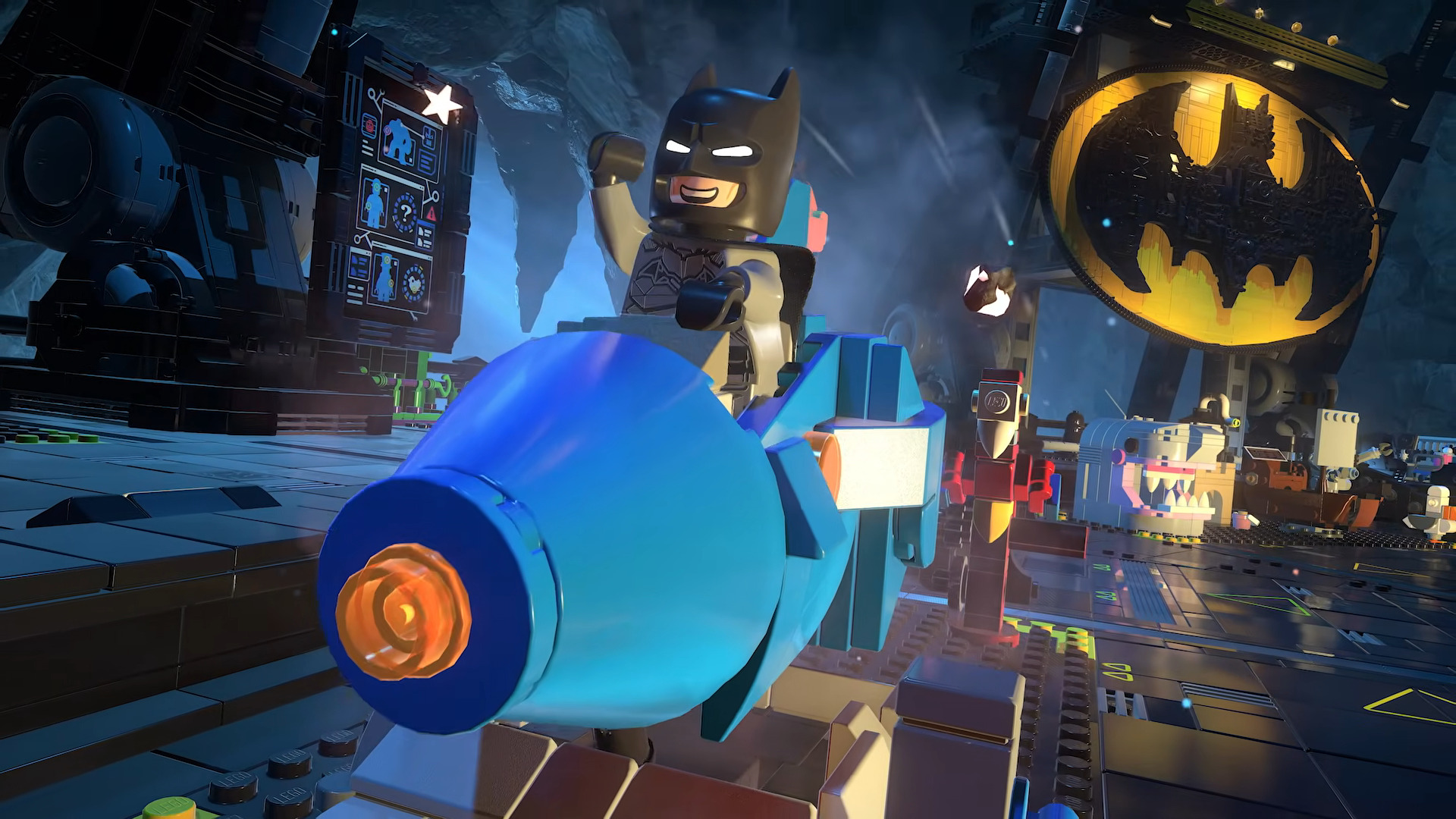
Because LEGO Batman: Legacy of the Dark Knight proves what every fan of the series and Batman in general has been saying, calmly and outright screaming, for years now: That you can make a very good, single-player Arkham-style game, and it will do well. Why did WB Games and, by extension, Warner Bros. Discovery, take every single other annoyingly awful route instead?
Obviously, live-service trend chasing, hence remembering my utter vitriol for the hours-long trainwreck that was Suicide Squad: Kill the Justice League – one of the only games I’ve ever played where annoyance quickly turned to jaded apathy and stayed like that, even when it was announced almost a year later that the Justice League you killed were just clones. Spoilers, by the way, for all twelve of you who could possibly care.
Not that Gotham Knights gets a pass. I don’t have enough fingers or toes to count the sheer amount of things it did wrong, be it in the treatment of the Court of Owls, Bruce Wayne, and not one, two, or three but four iconic Bat Family members, or the more action RPG-focused combat, or the traversal in general, which relied on fixed points to grapple and jump to. All for the sake of some co-op live-service model that ultimately never came to pass, resulting in this messy amalgam.
In both cases, however, the blame is squarely at the feet of WB Games. Sure, you could argue that it wanted the really big money that live-service had to offer (and whatever it was hoping Gotham Knights would accomplish). Instead, it ended up with record losses. Both studios faced extensive layoffs, though given everything that occurred with Warner Bros. Discovery and its sale, it’s safe to say that the head honchos had bigger fish to fry.
Now, you could argue that Legacy of the Dark Knight would have been a success without the involvement of Rocksteady or WB Games Montreal, but that just further proves my point. We didn’t need to indulge in the unfunny adventures of the Wallers’ discount mercenaries or the antics of the fumbling four. Batman, in all his glory – focused, in a single-player effort – would have been enough. Besides, it’s not LEGO Batman itself that is a fundamentally hot property – the last entry released in 2014 remains the lowest-rated (while still averaging a decent 74 Metascore). And despite the success of The Lego Batman Movie, its sequel was cancelled following the underwhelming The Lego Movie 2: The Second Part.
The real kicker to all of this? Rumors of LEGO Batman: Legacy of the Dark Knight’s development began as early as January 2023. TT Games was reportedly in flux following reports of extensive crunch on LEGO Star Wars: The Skywalker Saga. Besides cancelling projects, it was also working on DLC for the title while simultaneously developing the next LEGO Batman.
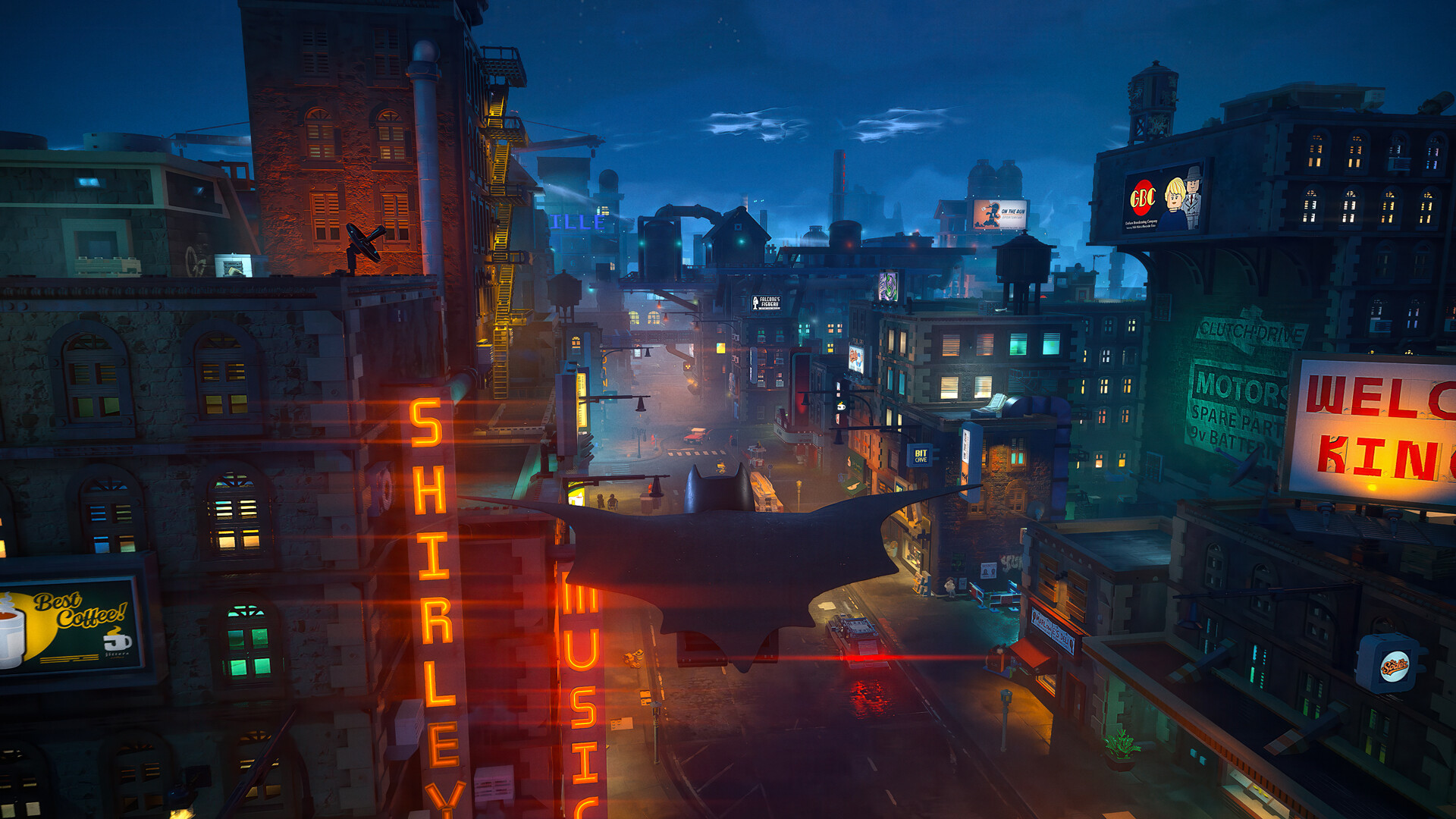
Hardly an ideal development situation, but within three years or so, and with some help, it delivered a new Batman title. Meanwhile, Gotham Knights reportedly began development after the rumored Batman title starring Damian Wayne, which was apparently cancelled around early 2018. Suicide Squad reportedly began work in 2016, following the cancellation of an earlier iteration that Montreal was supposed to deliver.
Over six and almost nine years, respectively, with the result being a forgotten, janky action RPG and a dead live service game. Bravo, WB.
Far be it from me to praise the monetization of Legacy of the Dark Knight, though you are getting a pretty healthy amount of additional content for $20 extra, or to hold TT Games up as the new gold standard of development. But if the latest LEGO Batman should prove anything – beyond the fact that a single-player Batman title can and will succeed with critics and fans – it’s that WB Games has been wrong for over a decade, and wasted some of the very best talent to deliver absolute dreck.
Here’s hoping that it motivates Rocksteady for its next Batman title. The night is darkest before the dawn, but one can only hope that it doesn’t stretch on for years and years.
Note: The views expressed in this article are those of the author and do not necessarily represent the views of, and should not be attributed to, GamingBolt as an organization.