





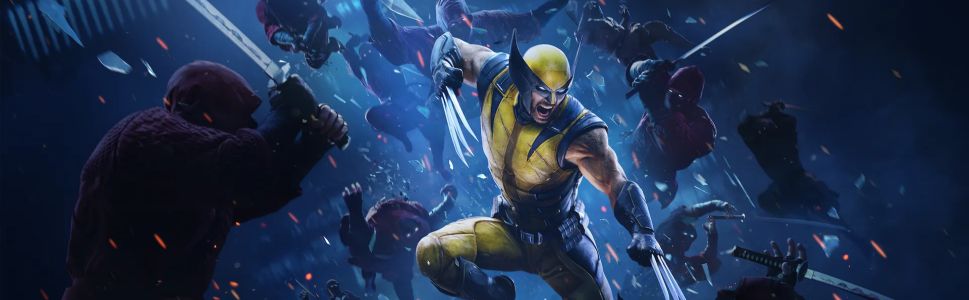
It isn’t easy for any game to manage to have over 26,000 positive ratings at an average of 4.82 stars out of five on the PlayStation Store. Factor in a rather divisive spread of reviews and the fact that it’s an action game that you could wrap up fairly quickly if you were so inclined, and Marvel’s Wolverine getting such a strong reception from some players could seem surprising.
However, we believe that’s a sentiment that’s understandable only if you haven’t dived into the experience yet and are perhaps drawing impressions from the online discourse around it. It’s a title that draws you in from its very opening, and can have you so immersed in the experience that the hours can go by pretty quickly before you realize your hands have your controllers in a death grip.
But what is it about Marvel’s Wolverine that makes it so addictive? Why is Insomniac’s version of the character so hard to walk away from? We’re here to tell you all about it, claws out and a challenging roar at the ready. Let’s go!
Feral Fighting
If you guessed that the combat is a part of the game’s allure, give yourself a pat on the back. It’s the star of the show and is the connecting thread between Logan the man and Wolverine the mask. Wolverine doesn’t simply have a combat system; instead, it’s a combat system that happens to have a great, Logan-focused story around it.
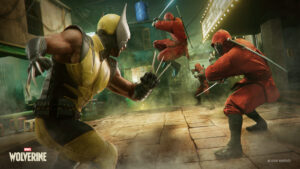
Get to the credits, and it’s easy to feel like the entire game was designed around putting as many enemies between Logan and his objectives, and letting him cut loose with utter disdain for his foes. The stakes are too high for either side to show any hint of mercy, and the combat is suitably aggressive, brutal, and often so evocative of Logan’s primal ferocity that it just slaps.
You see it in the way Logan closes impossible distances in a single bound, his claws at the ready as he prepares to sink them into a Reaver who just took a shot at him. It’s in the way your parries are designed to fuel an aggressive approach, allowing Logan to keep attacking enemies off-balance while accruing enough Rage to bring them down.
Of course, Logan’s well-documented driving force becomes a central mechanic to the combat, and it’s a design choice that has worked very well to make Logan a brawler who feels very unique in the hands. Having to work with it during combat gives each fight a sort of escalating rhythm that is then rewarded by moves like Logan’s Barrage, which makes getting up close and personal feel like an extension of the man’s taste for melee combat.
But that connection between the character and the combat is more than just the anger that’s always bubbling on the surface. It’s in the way Logan moves, the knowledge that his adamantium skeleton lets him tank a few hits being evident in the way he throws himself into enemy fire.
He frequently gets enough of the monster he so diligently controls out of its cage to take on rapidly escalating threats, tearing through groups and even letting his objective get away from him to take on a bunch of Reavers who shoot at him, a scene that’s been around since the early gameplay showcase.
Yes, his senses are certainly enough for him to get back on the scent, but his reactive nature and the way it makes him act is just a part of his personality in Marvel’s Wolverine, rather than a story or gameplay beat that’s used just to pad out its runtime. It’s an aspect of the game that’s received critical praise, while even reviews that weren’t fully on board with the experience praised how visceral the combat could feel when you dive in.
However, combat’s only one part of the experience, and we think Wolverine has been intelligent about how it has crafted everything else to feed into the combat system, just as Logan’s rage drives him to keep pushing forward even in the direst of circumstances.
Frenetic Pacing
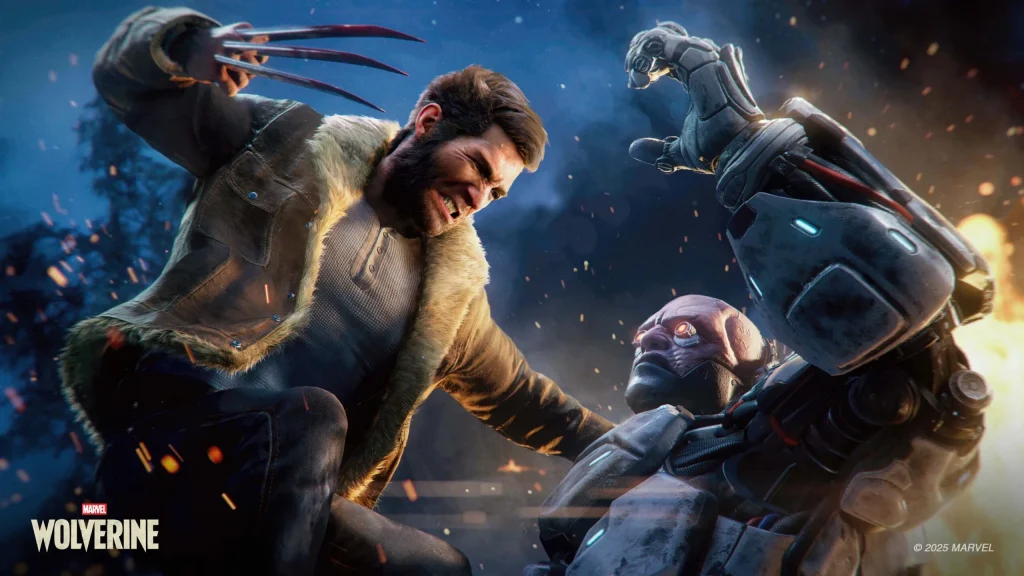
It’s a testament to how well Marvel’s Wolverine is paced that we ended up well into the game’s second act before we ended our first session of playing it. The pace is set pretty early on in the story, and the blood flows enough to make a river that carries the narrative along at a breakneck speed.
There’s no giant map with a bunch of distractions calling you away to cross things off yet another checklist. There’s just you, Logan, and whatever fight or set piece the story has lined up for you next, all backed up by some excellent presentation and great visual work to sell the spectacle of it all.
Wolverine has been streamlined in a way that makes its linear story a rollercoaster that you’re going to find refreshing if you’ve been experiencing any form of open-world fatigue. It’s been criticized for being too linear for some tastes (we loved it!), but it’s that very facet of the experience that makes it a solid game.
That’s also created the scope for a level of polish that helps the cutscenes and gameplay contribute equally to the feeling that we’re actually playing Logan, and not just a generic sprite with claws and an adamantium skeleton slapped on to it. We’ve talked about how he moves, but it’s equally important to consider how his enemies react to the onslaughts he unleashes upon them.
In both cutscenes and actual gameplay, enemies have visible reactions to the horrors that Logan inflicts on them in the course of a fight. Hack off a Reaver’s limb, and they’re going to stop and stare at the stump in utter horror before you end their misery with a quick and decisive blow. Their faces scrunch up in agony once Logan manages to get the drop on them, and the blood that spatters Logan and the surrounding area looks all too real when you’re squeamish at the sight of it.
Wolverine blends its story and combat system into a game where the visual feedback you’re given at all times helps make the entire thing so darn immersive it’s so easy to get into a flow state and watch the spectacle of your take on Logan unfold on your screens. The many boss fights that punctuate the journey are where things come together and present a game that’s been designed to do what Logan does best.
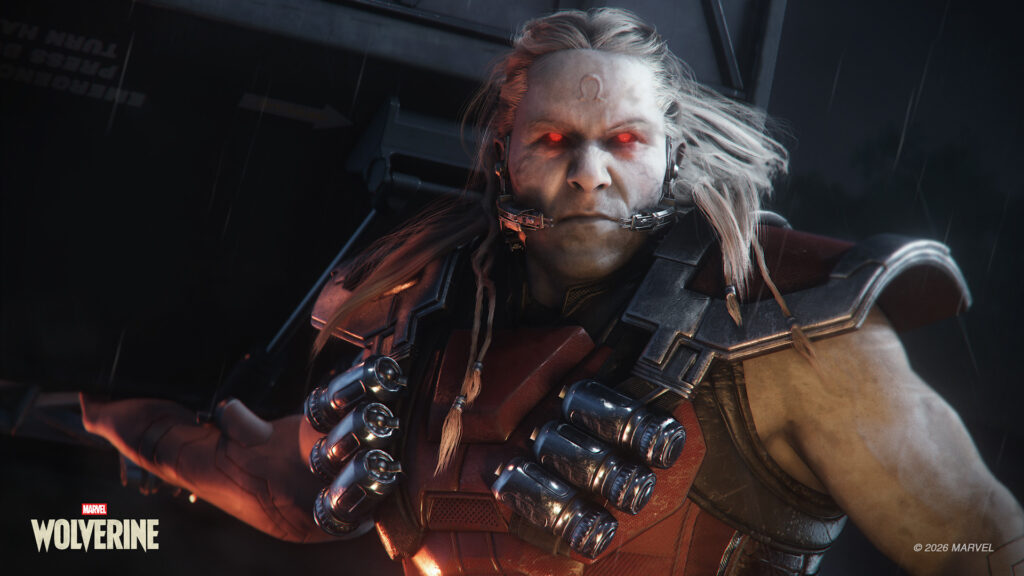
Take Omega Red, for instance, since he’s probably already dead at your hands if you’ve been playing the game with some form of self-discipline. He’s imposing, and already presented as being formidable enough to take Sabertooth out of the equation when you first square off against him.
And yet, the actual fight doesn’t make you hold back, but instead use Logan’s skills as intelligently as you can to ensure that you overwhelm the smug villain and take him out of the equation with deadly force. That’s something that happens in most of the boss fights you take on, and each one is going to make you stop to catch your breath; the return to reality is rather jarring after all of the simulated explosions, curses, and roars that just had you fully engaged moments ago.
You’ve probably already guessed there’s a fight with Sabertooth coming given how snarky he’s been so far, and you’re right. That one is a great showcase of how you’re expected to take advantage of mechanics other than dodges and parries. They can get you there, but at the increased risk of leaving Logan vulnerable to damage from a frankly overwhelming barrage of attacks, befitting Victor and the resentment he feels towards his Wolverine.
It’s a fight where the story and combat collide, making for a very insightful peek into Logan and Victor’s library while setting up an interesting arc for the two men in the rest of the story and beyond. There’s no better showcase of how the combat, story, and presentation bring out the feral side of its cast, and showcase fights that make use of it with a visual and design language that leans into it.
It’s evident in how Sabertooth gives in to his animalistic side, choosing to bound and leap on all fours, unleashing a feral side that he barely kept contained when Essex was an ally. He’s vicious, cunning, and a predator who is Logan’s equal, and the game isn’t afraid to present the rivalry between the two men in a manner that’s raw and considerate of their often differing points of view.
Marvel’s Wolverine brings so many moments like this to the table. But how does it sustain that momentum over the time it takes you to roll the credits on it?
Pathed Progress
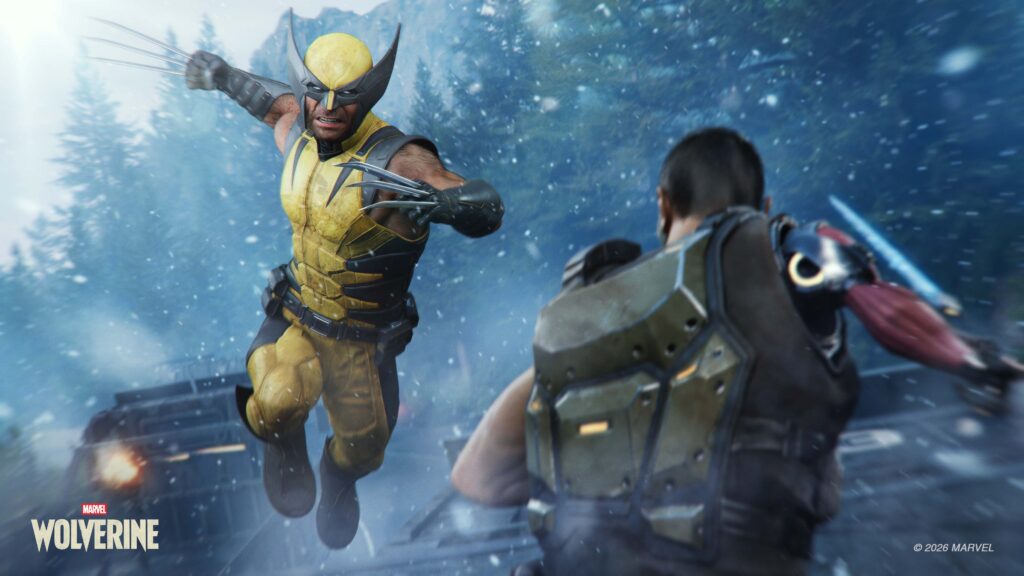
We’ve seen a few critics argue that the game’s combat lacks depth and becomes repetitive, but we don’t entirely agree with that assessment. A steady stream of skills and upgrades is definitely part of what makes Wolverine so addictive to us, and while Logan may not have the sheer mechanical variety of some other superheroes, that feels entirely appropriate for the character. This is Logan we’re talking about, after all.
He doesn’t need fancy moves or gadgets. He’s a feral fighter who’s more than happy to dive into battle with his healing factor and bone claws, with the adamantium skeleton simply being a bonus to an already capable and seasoned warrior. Logan’s as old-school as they come, his violent life stripping away a need for comforts that others might cling to.
Why should a game that’s about him embody anything else? We’d argue that simplicity is a way to reinforce everything you get to use, and then let you get creative about unleashing them in the heat of battle. Wolverine understands it’s asking you to do a set of similar things for several hours, and has ensured that doing those things is a lot of fun.
As an action game and one focused on Logan, it’s definitely among the best at what it does. Like Logan, not everyone may agree with what it does and how it does it. But that doesn’t make what it has tried to make of the character any less spectacular and addictively simple. It’s been judged on whether it does enough to evolve the superhero formula.
We say it doesn’t have to, and perhaps never intended to. Logan isn’t really a big-picture guy and prefers to take action as quickly as he’s allowed to. And Marvel’s Wolverine lets him loose to do just that, while the story it has wrapped up the action in takes care of his human side well enough.
It’s made playing Wolverine feel ridiculously satisfying, and that’s a detail that’s an enormous part of why it’s going to keep Logan’s legions of fans coming back for more. If they own a PlayStation, that is.
Note: The views expressed in this article are those of the author and do not necessarily represent the views of, and should not be attributed to, GamingBolt as an organization.