



While reports had come in that Microsoft was putting the development of its own Xbox handheld gaming system on pause to work in collaboration with other companies, a new report by The Verge’s Tom Warren indicates that the pause on development might be permanent. According to the report, Microsoft is going all-in on developing Xbox as a software platform for handheld gaming systems rather than making its own.
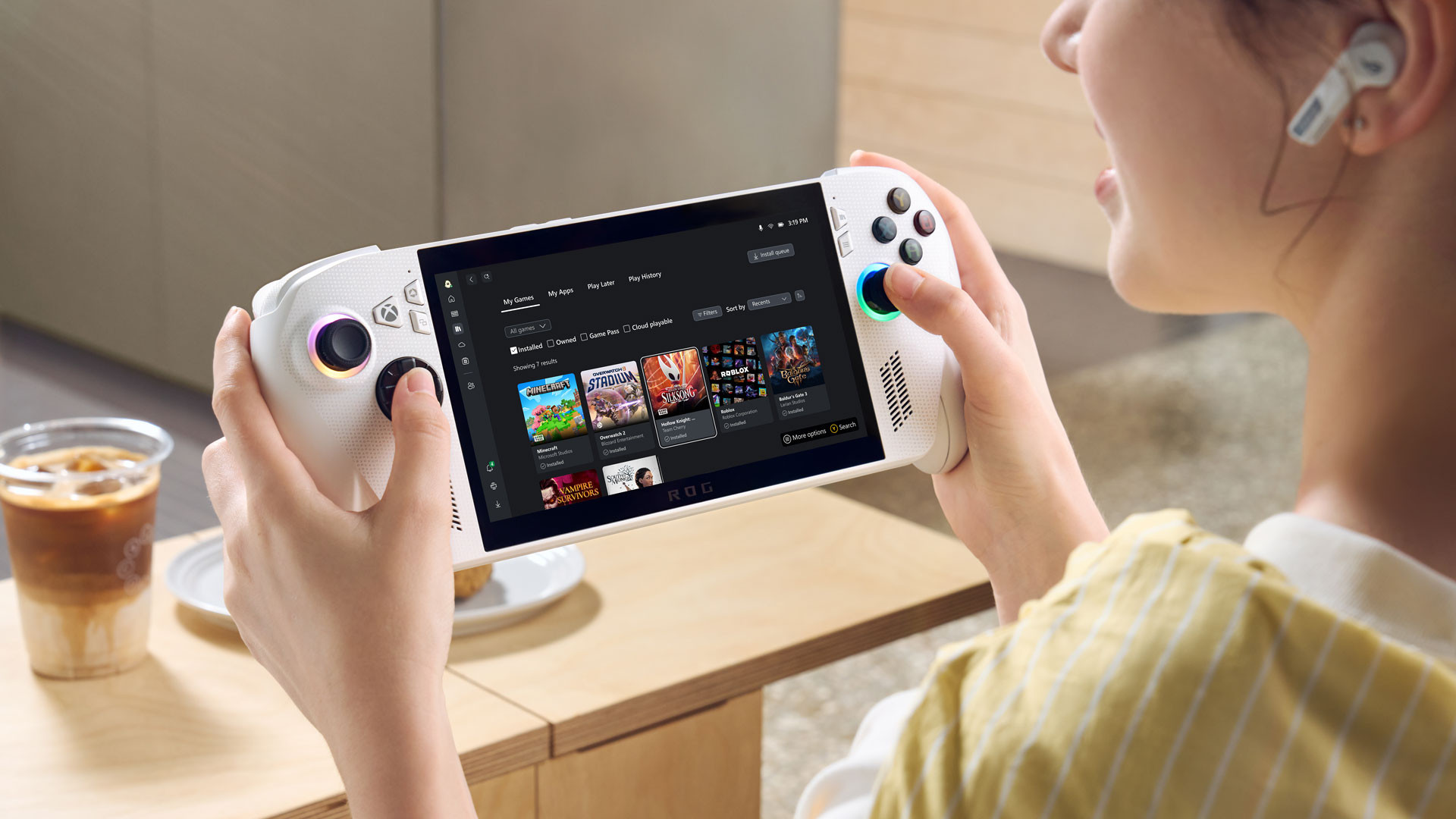
Warren’s report indicates that, internally, the plans for the handheld system might be more or less cancelled. Microsoft plans on getting a stronger foothold in the handheld market by working with companies like Asus, as can be seen with the recent unveiling of the ROG Xbox Ally line-up. The report also indicates that Microsoft might still be working on its next-generation console as well.
“I still think we’ll see next-gen Xbox hardware from Microsoft, but I also strongly believe we’ll see multiple devices from PC makers like Asus that will also be considered next-gen Xbox consoles,” wrote Warren.
Generally speaking, this times in with Microsoft’s ambitions for Xbox in the long term. These ambitions could first be seen when the Xbox One as unveiled back in 2012, with Microsoft essentially wanting to take over the living room with its hardware. Over time, however, plans changed. Now, Microsoft is more eager to have a way for gamers to buy and play Xbox games on any platform they can.
In the meantime, Warren also posits that Microsoft might internally be working on emulation in order to make Xbox console games playable on Windows. There is reportedly a new internal team that is focused on game preservation. However, much work remains to be done to get games from the original Xbox, Xbox 360 and Xbox One games running on modern PC hardware. Until then, Microsoft is banking on services like Xbox Cloud and its new push for Xbox Play Anywhere, which allows players to buy a game once through the Microsoft store to then access it on any Windows or Xbox device.
In the longer term, Microsoft will likely end up turning Xbox into its in-house gaming brand. While we might still get one or two more generations of consoles over the coming years, the company is likely more interested in making Windows its primary platform on both PC as well as consoles.
Reports of Microsoft putting the development of its own handheld on hold originally came about back in May. Rather than working on its own hardware, at the time, Microsoft decided to have its gaming and Windows divisions work together in order to make Windows 11 more optimised and suitable for gaming. It is worth noting that improvements made through this initiative will likely also benefit PC players in the long term.
Microsoft has been facing some competition in gaming, especially in the handheld market, thanks in large part to the success of Valve’s Steam Deck. Valve had also released the Linux-based SteamOS as its own operating system that users could install and play games with on AMD-based hardware.
For more details about Microsoft’s push into handheld gaming, check out our coverage of the Asus ROG Xbox Ally and ROG Xbox Ally X.