





After years of open-world titles, self-inflicted and otherwise, and role-playing games that demand dozens of hours to see through, I have a fever for something else: Linear action-adventures with slick pacing that require enough skill in their actual gameplay – be it in combat or puzzle-solving – while interspersing more open environments where exploration and side content are on offer without feeling forced. I don’t know what the condition is called or when it started, but the solution is simple: More.
Not that this is a new fad. Resident Evil Requiem launched earlier this year, and besides balancing the more methodical survival horror of the older titles with the newer, more action-heavy exploits, it also dabbled a bit in the open world. More specifically, Raccoon City offered a more open space, albeit with distinct sections that still felt heavily curated. Then there was Pragmata, which was far more linear but offered enough space in some parts that you could venture off the beaten path and discover things.
So it’s not surprising that Onimusha: Way of the Sword continues that pattern in its own way. The story is about the legendary Miyamoto Musashi, who inherits the gauntlet and battles the Genma on his quest to understand what strength truly is. If you’ve read any of Vagabond, conflicts against the supernatural line up perfectly with this goal, even if his rival Sasaki Ganryu has seemingly fallen to the dark side.
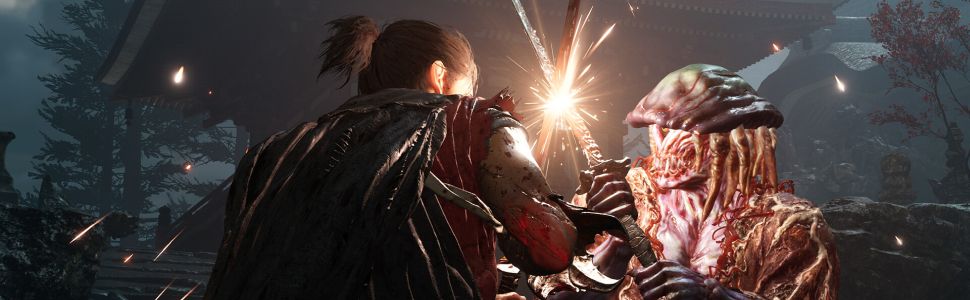
For the most part, the gameplay follows your usual hack-and-slash action-adventure format. Director Satoru Nihei reiterated several times since its announcement that this isn’t a Souls-like. Even if the older games’ boss fights don’t exactly measure up today in terms of difficulty, especially for those forged in the fire of titles like Elden Ring, they were far from a cakewalk. Way of the Sword offers more challenge in that regard, but much of it also comes down to mastering its parrying and Issen systems, where skillfully reading an opponent and redirecting their blows is the key to success. You probably won’t feel it as much against regular Genma, though you also shouldn’t take the demo at face value when it comes to the game’s difficulty.
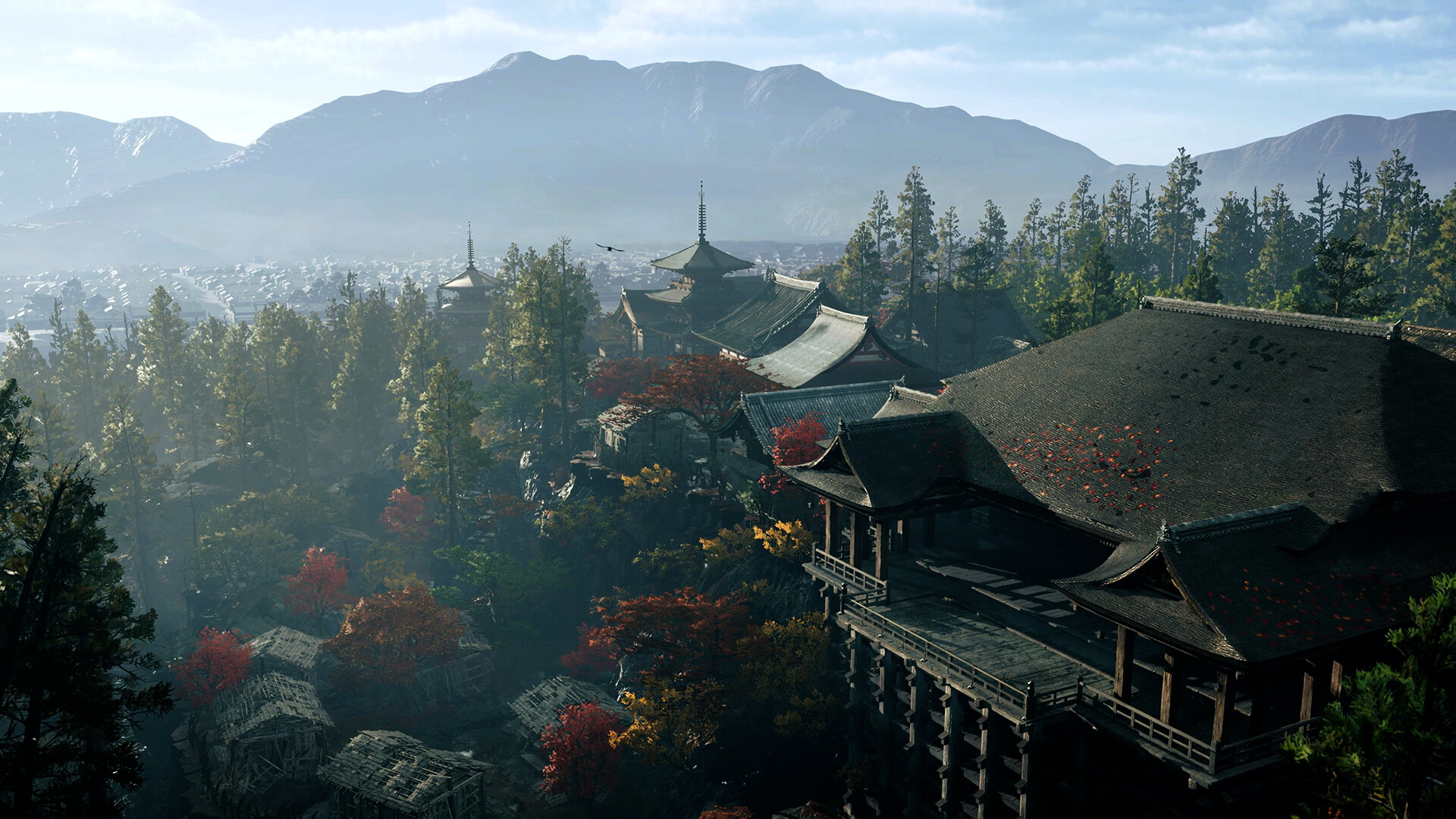
But all that aside, what really interests me is the “open-town” section in Way of the Sword. As many previews have outlined, you can explore the area around Kyoto and speak to various characters and vendors. It sounds decidedly more relaxed than the inevitable boss battles waiting at the end of the usual combat stages.
And if you treat it as a stopover, a break spot before resuming your journey, then Kyoto probably won’t be anything more. For those who go off the beaten path, however, there are side quests, items and more than a few secrets to discover. Nihei explained this to PC Gamer as presenting the setting as intended. It’s less about setting the game in Kyoto or recreating every square inch than presenting its particular “charm.” And he doesn’t mean simply taking in the sights – there are a lot of “strange tales” to experience and some hidden bosses to discover.
I hope Kyoto continually changes as you revisit, reflecting Musashi’s progress. Which would make sense – why would characters and vendors remain in the same state if the story continues to move? While the team hasn’t outright stated whether this will be the case, it’s possible, if you remember, that the concept of an “open town” was present in Onimusha 2: Samurai’s Destiny. Players returned to Imasho, often hitting up vendors for gifts to purchase for other characters, raising their bond levels to ensure the best possible outcomes.
Granted, it didn’t offer half the content that Way of the Sword is promising, but you could absolutely interact with random NPCs, making the entire experience feel like more than a linear action-adventure crawl. It’s almost like the development team looked back on that same style of hub and thought of all the ways they could expand on it (besides going back to the Dark Realm). Or the fact that many of the Genma didn’t really have much of an identity outside of being dispatched by Jubei, Samanosuke or Soki and friends. Tying them into Kyoto’s history, perhaps even drawing from actual urban legends, is a masterstroke that seemed obvious for a game like this. Then again, we’ve gone more than 20 years without a new mainline Onimusha title, so it makes sense.
Of course, there are other reasons this approach excites me, and it’s not just because I get the best of both worlds, namely a deeper dive into Kyoto and interesting characters alongside compelling combat that demands skill. The fact that it takes about 20 hours to complete is also great, because you can be assured of very little padding or extraneous content that drags the experience. This doesn’t mean that a boss type or story beat couldn’t disappoint, but that’s the challenge that every game faces.
Instead, I’m happy because the developer has shifted away from the “bigger worlds” approach that began to weigh it down as far back as 2024. We saw it first in Dragon’s Dogma 2, which, despite how engaging the world could seem for the first 15 hours or so, fell off a cliff in terms of storytelling and got exposed for the sheer number of things removed from the experience. Don’t even get me started on the various technical and performance issues that the development team is still trying to address.
Monster Hunter Wilds is another example. Though not technically open world, and pushing some interesting ecosystem mechanics to go with changing weather, it absolutely crumbled in terms of performance. It also didn’t help that such a large world meant streamlining a significant chunk to ensure that players wouldn’t get bogged down in the exploration, which wasn’t all that compelling to begin with.
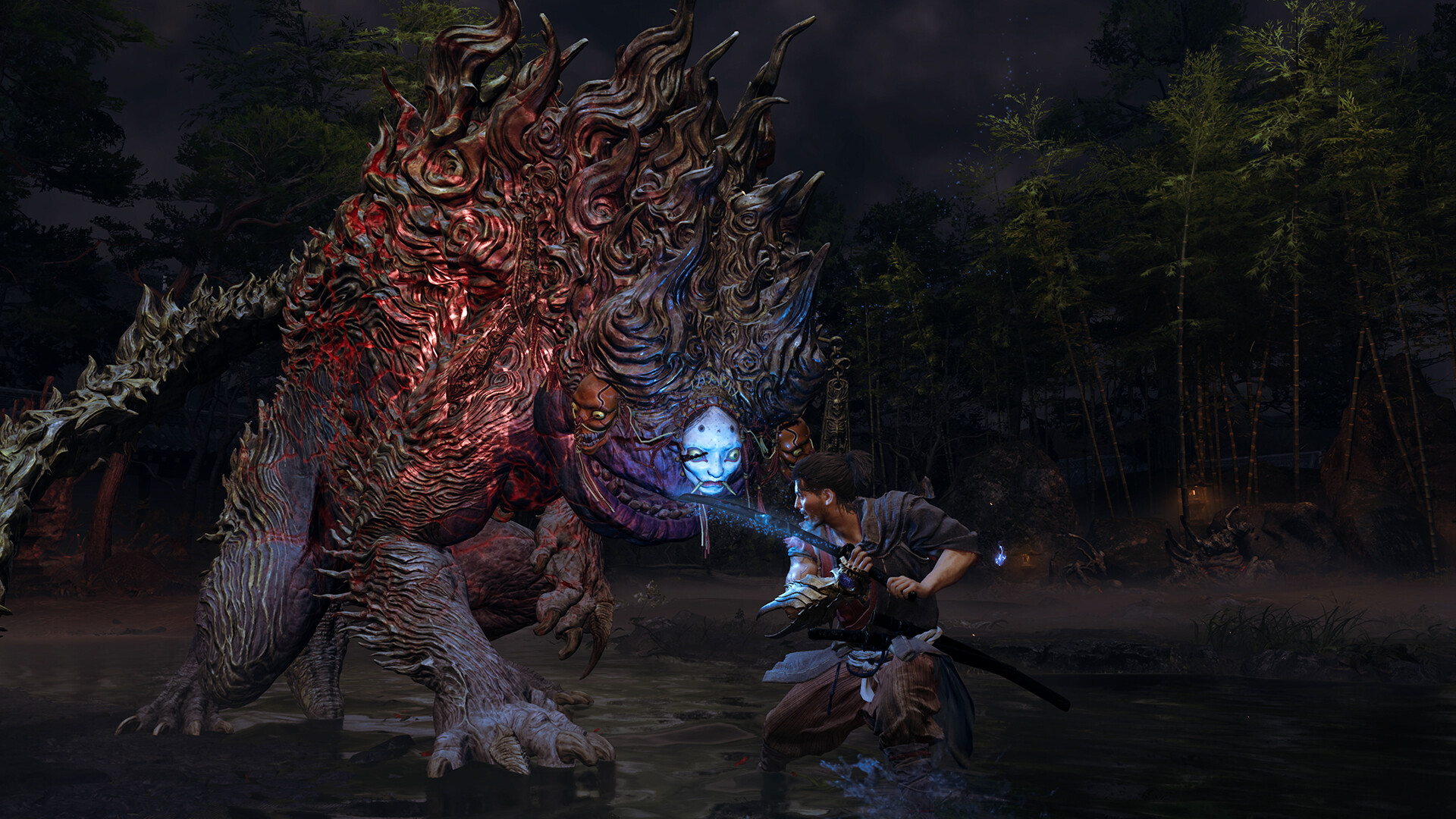
By avoiding an open world, Onimusha: Way of the Sword focuses on everything the originals did so well: Combat against grotesque Genma, where you discover new weapons and become stronger. Naturally, many more systems are at play here, but they only reinforce the overarching theme: Chivalrous humans dragged into a world beyond their understanding, stepping up to fight back against the tide of darkness.
The quality of puzzles in Way of the Sword remains to be properly revealed, though I’m sure the team has left behind the days where one mistake sent characters to their death. Then again, you never know – maybe the fact that more than one gauntlet wielder is around could result in some interesting dual character mechanics, if not other playable options.
Either way, its approach to exploration sticks to what the originals offered while expanding on them in exciting ways. Do I expect Kuchisake-onna to pop up and fight with massive scissors? No, but incorporating folktale figures like Shuten-dōji means we could see more than a few Kyoto-specific entities making their presence known (and putting up a fair challenge).
Onimusha: Way of the Sword launches on September 4th for Xbox Series X/S, PS5, PC, and Nintendo Switch 2. As much as its combat, presentation values and Toshiro Mifune’s likeness have stood out, I feel like the development team is hiding a secret of sorts with the exploration. Thankfully, we won’t have to wait long to see how bizarre Musashi’s adventure really turns out.
Note: The views expressed in this article are those of the author and do not necessarily represent the views of, and should not be attributed to, GamingBolt as an organization.