






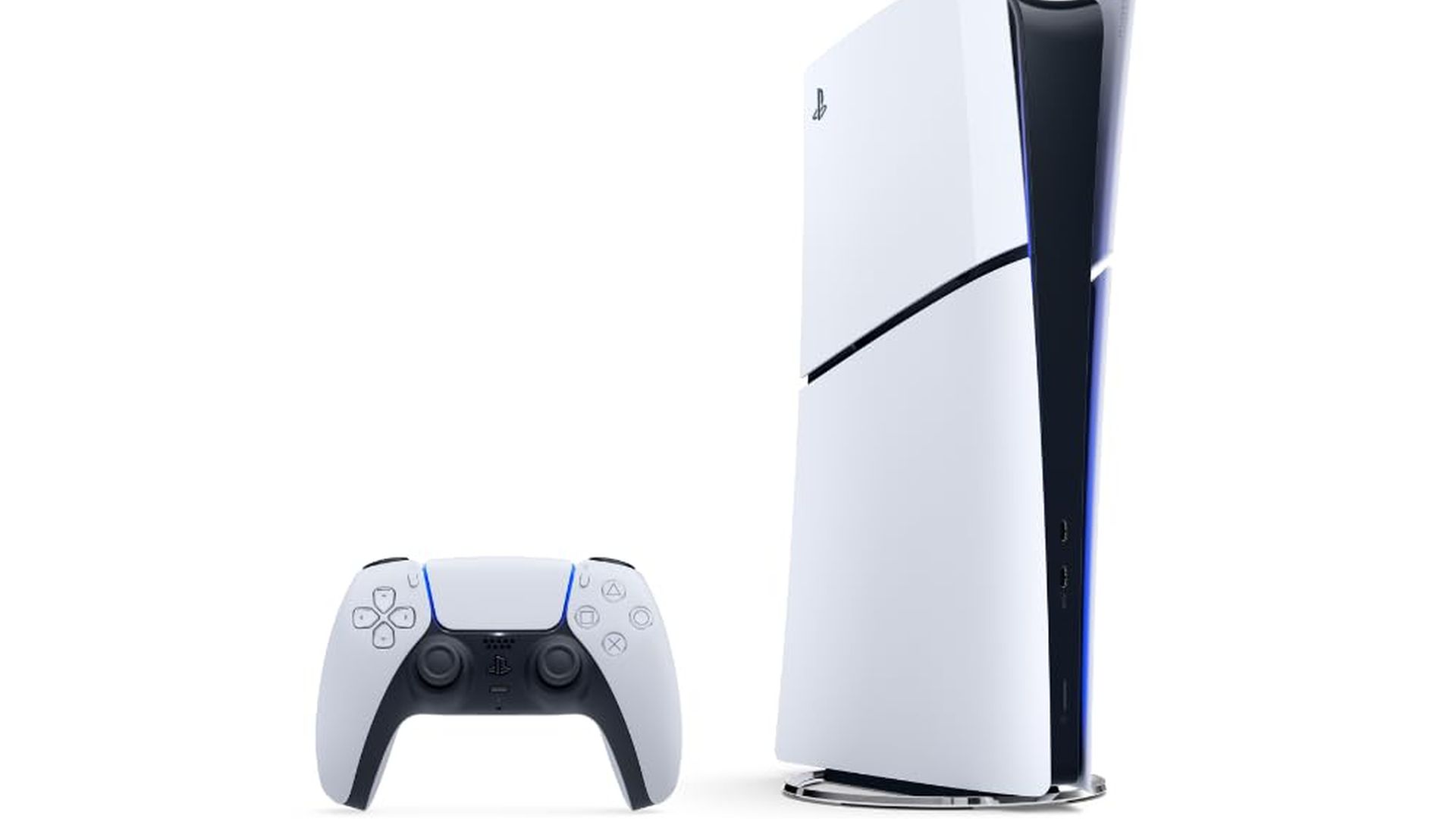
While Sony’s decision to end the production of physical discs for PlayStation has drawn quite a bit of criticism from throughout the industry and the company’s fanbase, Niko Partners analyst Daniel Ahmad believes that, ultimately, there aren’t too many people complaining about the move. In a lengthy social media post, he drew comparisons between Sony’s recent announcement and Apple’s decision not to include a disc drive in its computers from 2008 onwards.
He noted that, at the time, many protested Apple’s decision, but almost 20 years removed from the moment, “not a single person is complaining about it today.” He even said that the complaints had largely died down by the early 2010s. Sony’s decision, similarly, is believed by Ahmad to be a future-facing one, with the idea of going completely digital being an inevitability, according to Ahmad.
“If not for PS6, then PS7. Full game digital sales on PlayStation have gone from less than 10% before the release of the PS4 to around 80% today. On Xbox it’s already over 90%, and if anything, I’m surprised they weren’t the ones to do it first. Yes, these numbers include digital-only games, reflecting the current market environment, but they don’t include DLC, microtransactions or subscriptions / free games.”
Ahmad also brought up a few details about the current market for PlayStation, noting that around half of all PS5 users subscribe to PlayStation Plus and, as a result, have built up a library of digital games. Along with this, the games with the highest number of players on PS5 for May were largely digital-only titles, like Minecraft, Apex Legends, Marvel Rivals, Fortnite, and ARC Raiders. Combined with the fact that Sony tends to make more money from digital add-on content, microtransactions, and other in-game purchases, and that digital copies of games tend to have a sell-through rate of over 50 percent, the company is highly motivated to leave physical behind.
From an economic standpoint, Ahmad mentioned the fact that Sony often has extra costs associated with selling physical copies, including the cut that goes to retailers, as well as the money spent on shipping and handling. Thus, digital copies tend to offer higher margins, especially since revenue from physical game sales constitutes around 5 percent of Sony’s total software sales revenue.
Other market realities, like component shortages leading to skyrocketing prices, are also playing a role. “Sony knows the PS6 is entering a market where consoles will cost over $1,000 and the average console player will think twice about upgrading on day one,” wrote Ahmad. “While part of it is cutting costs, it’s also a realization that consoles are no longer going to be $199 mass-market devices and they will need to focus on hardcore gamers who are willing to spend more than ever.” To that end, he believes that Sony doesn’t mind losing some disc-only customers.
The move will also allow the company to shore up its ecosystem, since a digital-only future will mean that players can’t trade or sell their games. This is in an effort to “maximize spend per user” and to give Sony more control over its hardware and software so that it “controls the license in its entirety and access is dependent on them.”
Rather than criticizing the decision itself, Ahmad notes that the company’s silence about the fate of physical copies of PS4 and PS5 games has been a bigger mistake. “Had they talked about a disc-to-digital program, or confirmed a disc add-on for the PS6, the backlash wouldn’t have been as strong.” Ultimately, Sony reversing course seems unlikely, says Ahmad, but he expects the company to clarify more details.