






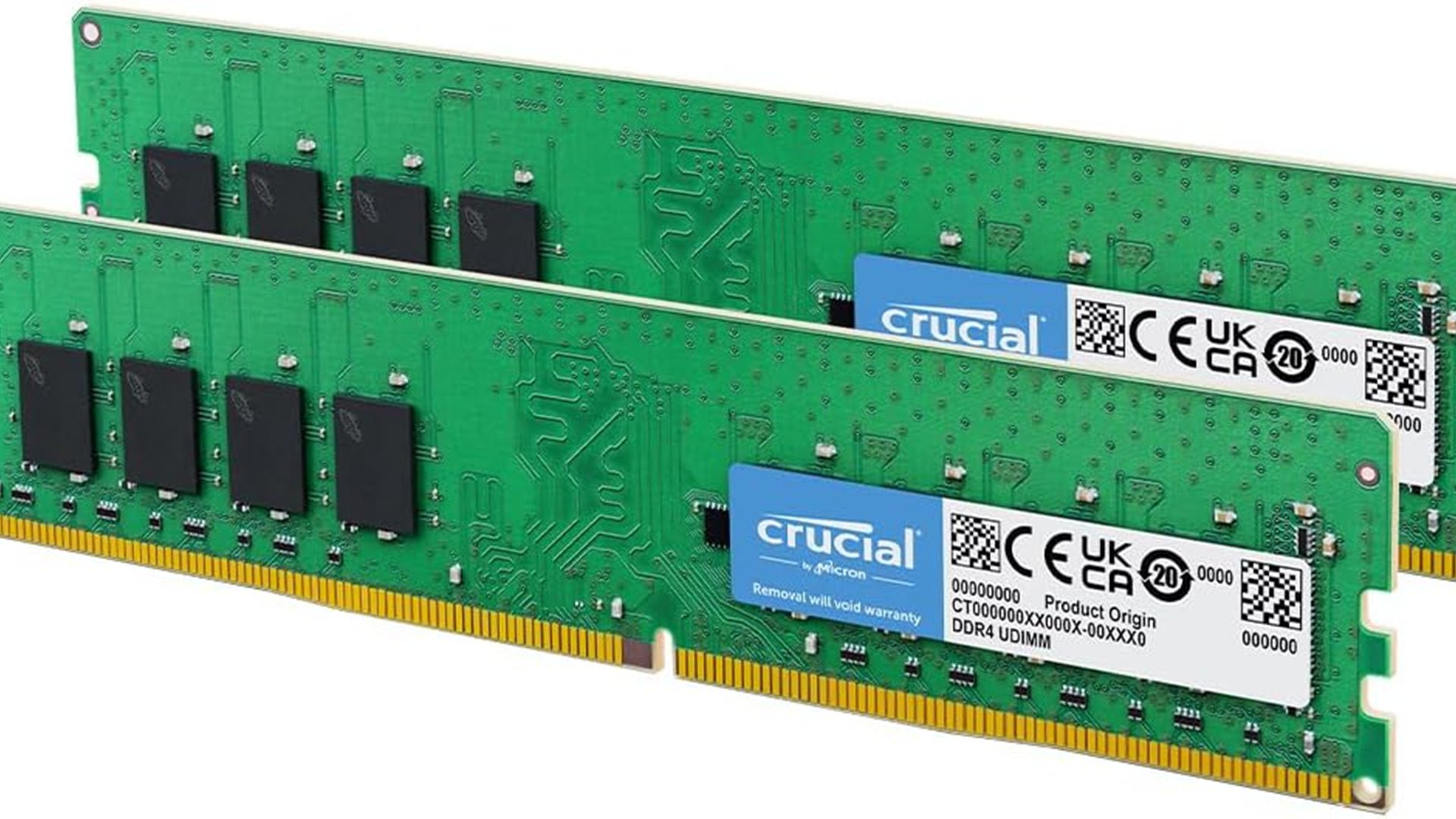
It looks like we won’t be seeing any improvements to the memory and component shortages issue any time soon. According to Taiwanese publication DigiTimes (via Tweak Town), major memory suppliers for much of the world – Samsung, SK Hynix, and Micron – have reportedly sold out all of their fabrication and manufacturing capacity through 2027.
None of the three companies have any plans to expand on additional supply for the period. This means that, in general, memory will remain a scarce product, with most of the supply going to AI companies for data centres. This also likely plays into deals that Sony and Microsoft may have made with these companies for their next-generation consoles.
Interestingly, the report has noted that some companies have even been “begging” these companies for supply, which has also led to price increases, since Samsung, SK Hynix, and Micron have all essentially monopolized the memory market.
If you thought that memory for consumer products like computers and smartphones has been rare so far, things might get far worse, with the report noting that these market segments will see “significantly reduced” supply, even when compared to 2026. This applies to memory modules for RAM and VRAM kits, as well as NAND modules for solid-state storage devices. The whole situation will likely lead to even sharper price hikes.
However, when it comes to storage, the report has indicated that there is still some NAND allocation leftover for companies to buy in 2027. These supplies, however, are expected to be short-lived, with a sellout expected by the end of the month.
As for how this might affect current-gen consoles, Sony had previously confirmed that it had acquired enough RAM to ensure that PS5 production won’t be affected, at least until the end of fiscal year 2027. As for the future, however, things might get bleak, and Sony might have to follow in Microsoft’s footsteps in issuing yet another price hike.
While some have thought that the AI bubble’s eventual collapse might lead to memory prices falling back down to reasonable levels, people in the industry aren’t quite sure about this. Among these is Lenovo executive Martin Hiegl, who said back in June that memory and storage prices will “never” go back down. Hiegl’s choice of words was believed to be a bit of an exaggeration, however, and the executive was believed to only be talking about the next five years.
Back in June, SK Hynix, Samsung, and Micron had become the targets of a class-action lawsuit alleging that the three companies had been working together to fix the prices of their components while simultaneously creating constraints on the supply. The lawsuit has claimed that they have lowered the supply of older DDR3 and DDR4 memory modules, leading to price hikes in those segments, while production capacities of their factories had been turned to making HBM (High Bandwidth Memory) modules for use in AI data centres.
Going further, the lawsuit has noted that the three companies’ decisions have led to consumers suffering from “the impacts of a distorted market crippled by the behavior of DRAM oligopolists.”