



Sony and Microsoft have been at an all-out war against each other in the console space for more than two decades at this point. Both parties are constantly attempting to one-up each other through customer-centric policies, lucrative subscription options, and compelling first-party exclusives. The cut-throat competition is usually a double-edged sword, with the positive side being that customers like us get the best of what the manufacturers offer, but the caveat is that one has to stick to a single manufacturer and abide by their set of policies, the kinds of games they offer, and engage with players from that platform only.
Most of us had made peace with these issues, but then the concept of cross-play kick-started a movement that goes against everything that these constraints stood for. Not only can you now play your favourite multi-platform games with friends on other platforms, but you can also now play some of your favourite Xbox games on PlayStation with recent releases of Senua’s Saga: Hellblade 2 and Forza Horizon. And now all of that coalesces together and fans are wondering whether its finally time to bring its AAA exclusives to Xbox and usher in a platform-agnostic era of gaming?
The easy answer to that question, and one that undoubtedly favours the end-consumer, is yes. It would obviously be great to just own one platform like the Xbox Series X or PlayStation 5, and use that single console to play anything and everything that comes along. But obviously, the real-world answer to that question is a lot deeper than a simple yes or no, and that requires digging down through several factors that revolve around how these business units function.
Imagine a manufacturer like Microsoft building a console that would hold such computational power to run the latest technology of gaming for the coming 5 to 7 years, and sell that for a measly $500. These gaming beasts are usually sold at a loss, and the business recoups the lost cost by earning profits through the sale of proprietary accessories, software like games, and subscription services that are exclusive to that platform. As such, it’s necessary for a manufacturer like Xbox to deliver games and services that would lure customers to continue to stay and invest further in that platform – but that has started to seem like a lost cause in the last few years.
Microsoft’s adoption of this model worked great up until the concluding years of the Xbox One, and while the current generation promised several improvements with Xbox Game Pass and the recent slew of acquisitions like ZeniMax and Activision, those investments don’t seem to be working out in terms of delivering stellar first-party content. Sony’s share in the console market continues to surge, while Xbox continues to falter in the face of such competent competitors. It’s clear that Xbox’s ship is steadily sinking, and going multi-platform for its games seems like an easy way to slowly but steadily transition from hardware and software to only software.
Such a move isn’t unknown, and Japanese gaming giant Sega also suffered from such a phase when its last console the Sega Dreamcast failed and it implemented similar policies to save ship. While the end result was far from ideal, we all know that the company is still alive and making some of its best IPs like Sonic for all other platforms which is atleast ensuring its survival and relevance in terms of its best games.
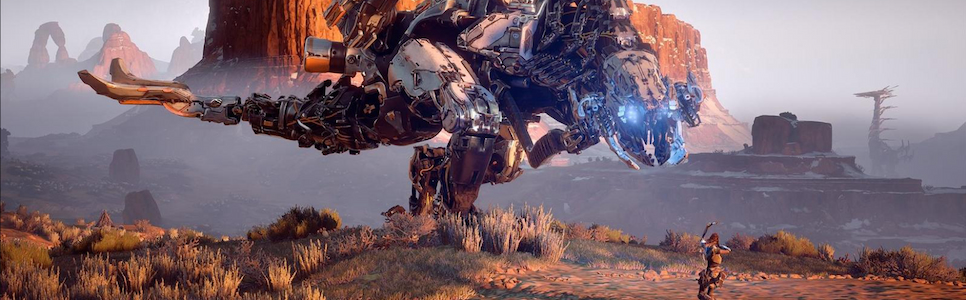
As such, it doesn’t make much business sense for Sony to go multi-platform and start selling out its games on Xbox when it already has the upper hand. It holds the majority market share in the current gaming landscape, and most of its AAA releases are quite successful in terms of critical and commercial reception, which more or less ensures a smooth sailing ship for the giant. Where Xbox is offering its first-party games on Xbox Game Pass on Day 1, Sony can continue to charge a premium $70 for its exclusives and customers are happily paying for their favourite titles like God of War: Ragnarok or Horizon: Forbidden West.
This might be a pretty obvious reason as to why Sony doesn’t need to bring its AAA exclusives over to other platforms, but there is also a very strong counterpoint to that notion. Sony has already started porting out some of its biggest IPs, like God of War, Horizon, and Uncharted to the PC. It all seemed unfathomable at one point, but it is a ground reality at this moment – and the biggest reason behind the change in mindset is the ever-growing costs of AAA development.
As open worlds continue to get bigger and bigger and graphics continue to reach uncanny valley territory, production costs have also started to bubble up exponentially over the last couple of generations – and that’s a growing pain point for AAA developers like Sony or Microsoft. Current-gen open-world games can cost upwards of $200 million to make, and linear adventures like Uncharted 4 are already crossing the $100 million mark. Add to that massive marketing costs, and turning a sizeable profit on these games is a lot tougher even if they end up selling 20 million units, which is almost impossible for anything but a masterpiece for consoles with install bases of around 100 million units.
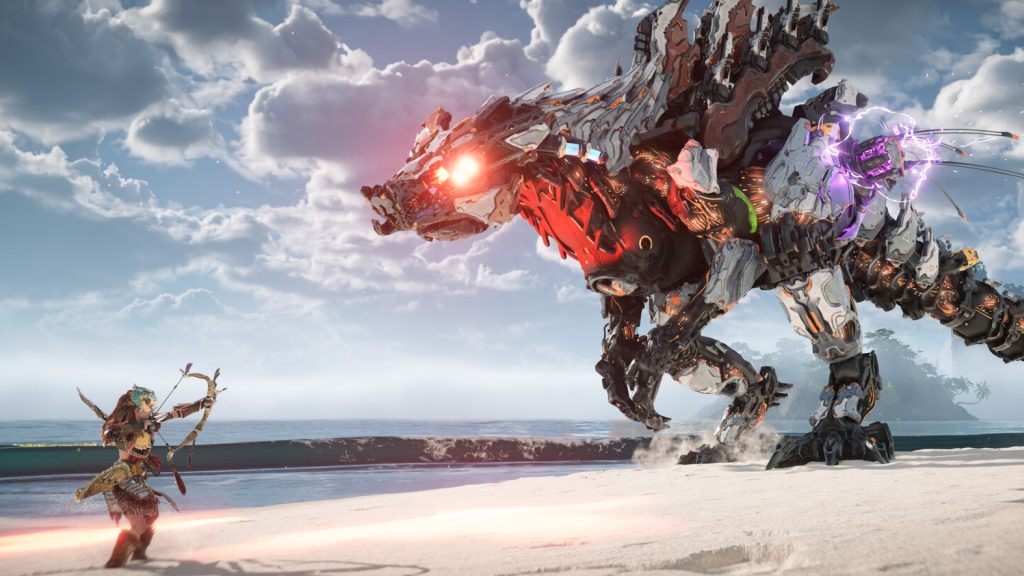
By staying locked on a singular platform like PlayStation, Sony is leaving out a significant chunk of that sales pie, which is why more and more games are being ported over to PC. Sony tried to increase the retail cost of these games up to $70, which sparked a lot of online debates, but even that doesn’t seem enough to make the business stable while sticking to the traditional way of doing things.
Nintendo, on the other hand, has successfully managed to sustain its traditional way of doing business by massively controlling the production costs of its first-party releases, which usually don’t go above and beyond the 20 to 30 million mark. At a time when a single failure of a high-value release could mean the shuttering down of the studio, Nintendo’s approach to game development allows it to be super strict about its platform exclusivity – but that’s not the case with Sony.
The recent investments in Nixxess Software was almost a guarantee that Sony was going to start porting its releases to PC, and the recent releases of fan-favourite IPs such as Spider-Man or even Uncharted are solid proof that the company is going to make this initiative a norm going forward. As such, the natural next step forward for Sony to increase its sales would be to port its games over to Xbox, and the likelihood of that happening in the next couple of years seems quite slim, but never zero.
With the way things are going right now, it does seem possible that we will start seeing games like Horizon or even Uncharted to roll out for Xbox. Also, developing the same games for both Xbox and PlayStation wouldn’t even be a big challenge for developers because the underlying hardware for both these machines is more similar than they ever have been in the past. Where once Xbox 360 used PowerPC-based architecture and PS3 used Cell architecture, both have been relying on the same x86 architecture for two generations at this point, which makes the porting process a lot more seamless, and the recent releases of Senua’s Saga or Forza Horizon 5 are a testament to that notion.
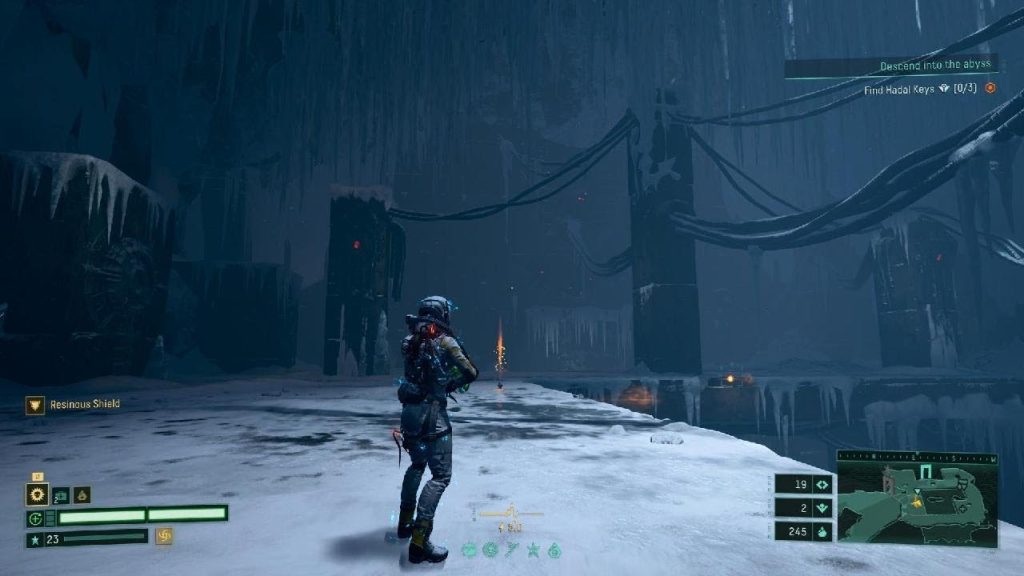
All of this brings us to a rather rock-and-a-hard place where definitively stating whether Sony should bring over its AAA exclusives to Xbox becomes a tough choice, because there are plenty of reasons why it might end up bringing its AAA exclusives to competing platforms and equal reasons why that might not be the case. It would end up being more likely as time goes on, but that’s not the case at this point in time.
It’s very likely that even if Sony were to adopt such a strategy, it would be implemented in a similar fashion of PC releases. So any Sony first-party game launches on the PlayStation 5, stays exclusive for around 2 years or so, and then eventually gets ported over to Xbox or PC at the same time or different times. That way, Sony can lure customers to choose its ecosystem over others, and also enjoy the sales benefits that come with a considerably larger install base of customers; basically, have its cake and eat it too. It would be great to see the industry move towards this utopian platform agnostic concept, and we are surely going to get a much clearer picture in the coming months and years.
Note: The views expressed in this article are those of the author and do not necessarily represent the views of, and should not be attributed to, GamingBolt as an organization.